Antarctic Krill Oil
Antarctic Krill Oil is the lipid fraction extracted from Euphausia superba, a small pelagic crustacean harvested in the Southern Ocean. The oil is characterised by phospholipid-bound EPA and DHA together with the carotenoid astaxanthin and a small content of choline.
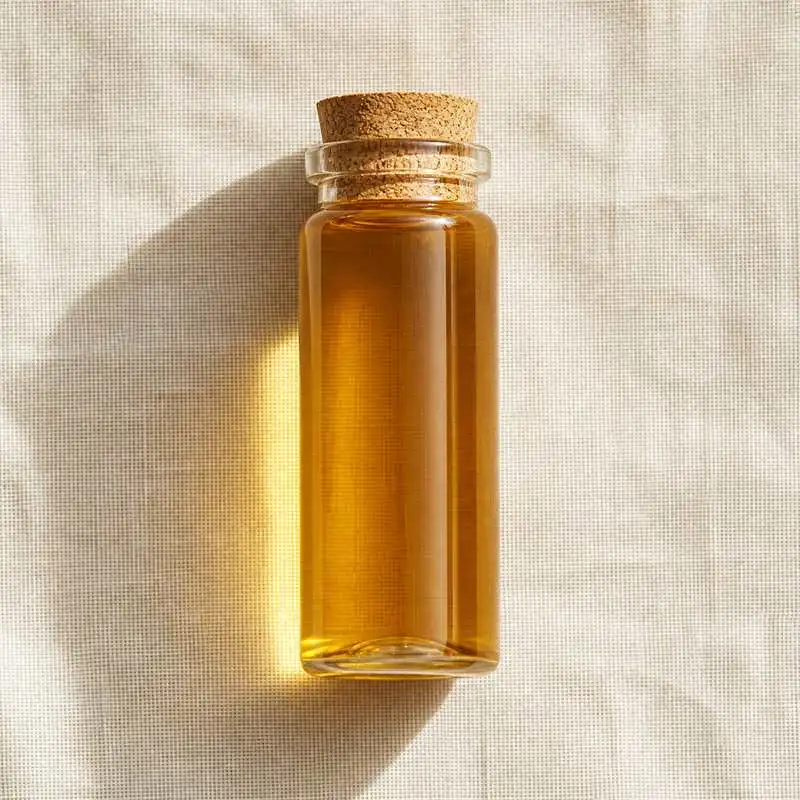
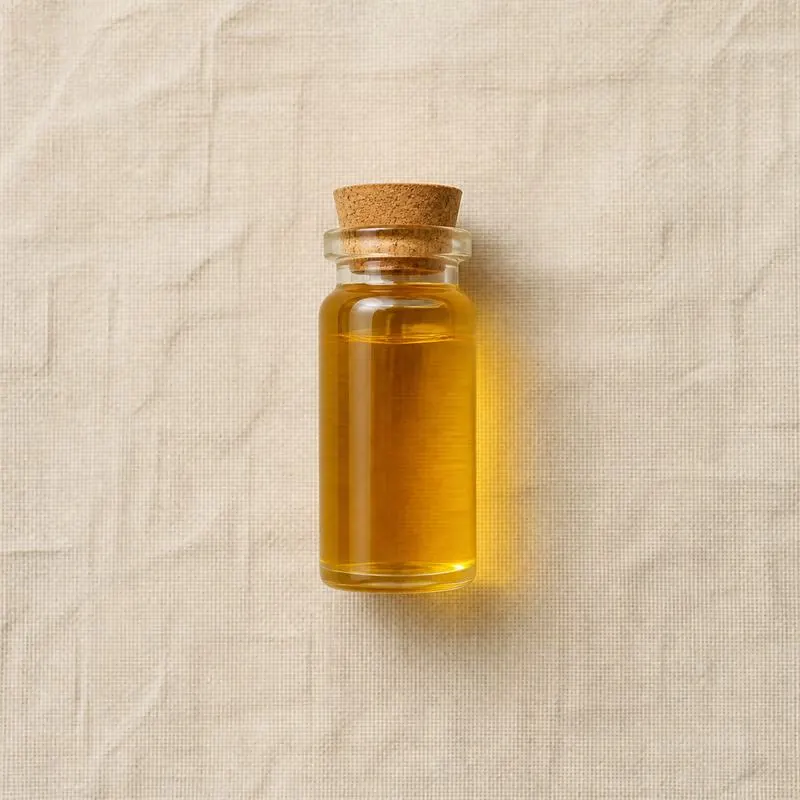
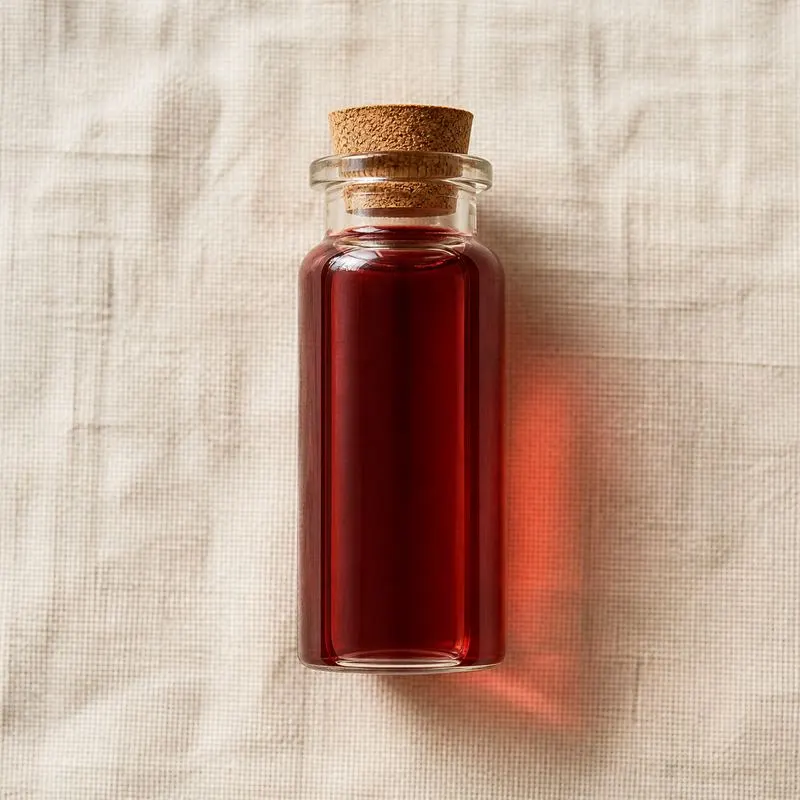
It is a deep ruby-red, viscous oil with a faint marine and shellfish note and is produced for premium dietary supplement, functional food, and pet nutrition formats.
We source bulk Antarctic Krill Oil from top China manufacturers for our partners, working with several of them. The manufacturers are in Shandong, Jiangsu and Liaoning. A smaller requirement can ship in a combined container with other ingredients.
Please send the grade you need, the volume and your destination port, and we will come back with a solution and a price.
or call +86-21-6858 0751
- Packaging
- 190 kg steel drum or 25 kg jerrican
- ISO 9001
- HACCP
- Halal
- Kosher
Specifications
| Item | Specification |
|---|---|
| Appearance | Deep red viscous oil |
| Phospholipids | ≥ 40.0% (standard) or ≥ 56.0% (high grade) |
| Omega-3 (EPA + DHA) | ≥ 20.0% (standard) or ≥ 30.0% (concentrated) |
| EPA | ≥ 12.0% |
| DHA | ≥ 7.0% |
| Astaxanthin | 50 to 200 mg/kg |
| Peroxide value | ≤ 5 meq/kg |
| Anisidine value | ≤ 20 |
| TOTOX | ≤ 26 |
| Heavy metals (as Pb) | ≤ 0.1 mg/kg |
| Mercury | ≤ 0.1 mg/kg |
| Total plate count | ≤ 1,000 cfu/g |
Common Markets Grades
Antarctic Krill Oil is graded by phospholipid content, total omega-3, and astaxanthin level.
Standard supplement grade typically delivers 40 to 50 percent phospholipids with 22 to 28 percent EPA + DHA and 100 to 200 ppm astaxanthin.
Premium grade reaches 55 to 65 percent phospholipids with 28 to 34 percent EPA + DHA, suited to high-end softgels and clinical formats.
High-phospholipid grade pushes phospholipid content above 65 percent for specialized brain and liver-health positioning.
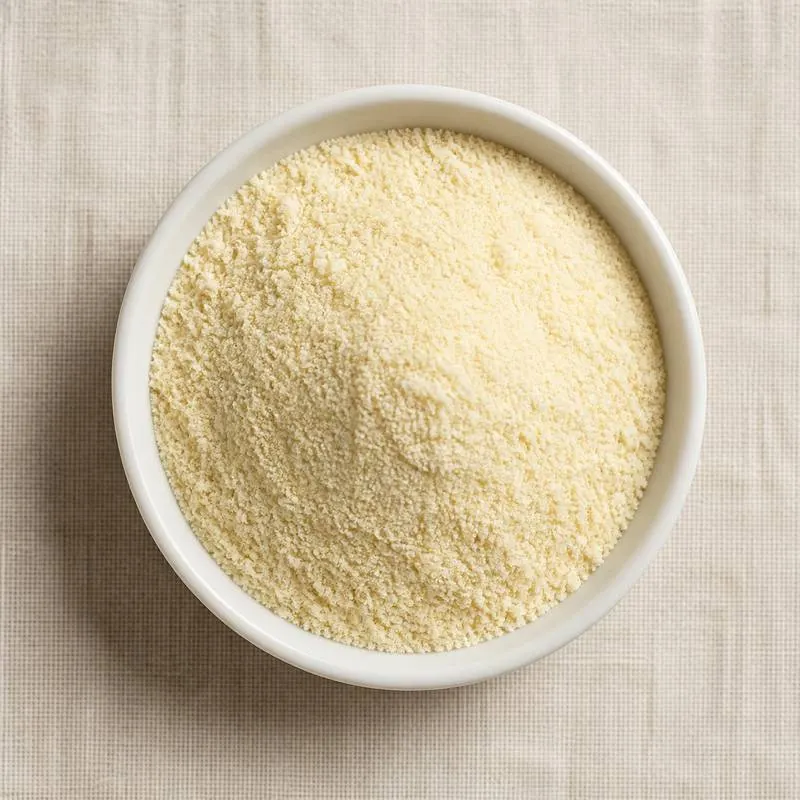
Powdered krill oil at 30 to 60 percent oil content on a spray-dried matrix is produced for tablets, capsules, and dry beverage mixes.
Aquaculture and pet-nutrition grades are crude or semi-refined oil with broader sensory and colour tolerances.
Applications
- Premium omega-3 dietary supplements in softgel and liquid formats
- Joint, cardiovascular, and cognitive support supplements positioned on phospholipid bioavailability
- Women's health products targeting menstrual comfort and skin support
- Sports nutrition and recovery formulas
- Functional foods including fortified beverages, yogurts, and bars
- Pet food and treats positioned for skin, coat, joint, and cognitive health
- Aquaculture starter and broodstock feeds where phospholipids are essential nutrients
- Cosmetic and dermatological products featuring astaxanthin and phospholipids
- Medical nutrition for inflammatory and metabolic conditions
- Equine and zoo-animal nutritional supplements
Brands Using Antarctic Krill Oil
Widely-distributed consumer products that list Antarctic Krill Oil on the ingredient label.
- Sports ResearchOmega-3 Antarctic Krill Oil Softgels ↗100% pure krill oil sourced from Antarctic waters via MSC-certified sustainable fishery; contains omega-3s, phospholipids, choline and astaxanthin.Label verified 2026-05-24
- OnnitAntarctic Krill Oil Softgels ↗Krill oil softgels delivering bioavailable omega-3 EPA/DHA in phospholipid form with astaxanthin, sustainably MSC-certified from Antarctic krill.Label verified 2026-05-24
- MegaRedMegaRed 350mg Superior Omega-3 Krill Oil Softgels ↗Schiff MegaRed krill oil softgels sourced from Antarctic krill, with EPA and DHA in phospholipid form plus astaxanthin.Label verified 2026-05-24
- Jarrow FormulasKrill Oil 1200 mg Softgels ↗K-REAL Antarctic krill oil softgels providing phospholipid-bound omega-3 EPA and DHA with natural astaxanthin.Label verified 2026-05-24
- NOW FoodsNeptune Krill Oil 500 mg Softgels ↗Neptune Krill Oil (NKO) softgels from Antarctic krill containing phospholipid-bound omega-3 fatty acids and astaxanthin.Label verified 2026-05-24
Brand names, product names and logos are the property of their owners. They appear here as published evidence that the ingredient is used, taken from the brand's own label or website. Their appearance is not an endorsement, and it does not mean the brand buys from us or from any manufacturer listed on this site.
China Manufacturers of Antarctic Krill Oil
Top Antarctic Krill Oil manufacturers in China.
- Jiangsu Sunline Biotechnology Co., Ltd.3 ingredients in the directory
 Liaoyu Antarctic Krill Technology Development Co., Ltd.1 ingredient in the directory
 Luhua Biomarine (Shandong) Co., Ltd.2 ingredients in the directory
 Shandong Hailongyuan Bio-tech Co., Ltd.10 ingredients in the directory
Company names and logos are the property of the manufacturers themselves. They are listed here because our own directory records them as producing this ingredient. A listing is not an endorsement by them, and we do not represent them or speak on their behalf.
How We Help Source Antarctic Krill Oil
Direct Factory Sourcing
We run the whole process: selecting the manufacturer from the top Chinese food ingredient producers, negotiating the price, verifying quality, and coordinating the logistics. You deal with us instead of with several factories at once.
Original Packaging and Documents from the Manufacturer
The manufacturer sends your Antarctic Krill Oil out of its own factory in the original packing, through to your destination port. The COA, COO, MSDS, TDS and any certifications reach you from the manufacturer as well.
Free Samples and Lead Time
We send 100 to 500 g free for your own laboratory to test and you cover only the courier, usually within 2 to 3 working days. ETD is usually within 7 to 15 days once the order is confirmed, and we check that date against the factory's own manufacturing schedule before we give it to you.
Combined Shipment
We can load Antarctic Krill Oil together with other ingredients such as DHA, DHA Algal Oil and Mct into one 20' FCL. If your quantity is small, we can also ship LCL.
Regulatory Status
Antarctic Krill Oil from Euphausia superba holds authorised novel food status in the European Union under Commission Implementing Regulation (EU) 2017/2470, with permitted use levels in food supplements and selected food categories.
The United States Food and Drug Administration has accepted GRAS notifications for krill oil for use in general food and supplement applications.
Harvesting is governed by the Convention on the Conservation of Antarctic Marine Living Resources (CCAMLR), which sets precautionary catch limits and spatial management measures for the Southern Ocean krill fishery.
The fishery operates under Marine Stewardship Council certification, and Friend of the Sea krill schemes are also available.
Allergen labelling for crustacean shellfish applies in essentially all jurisdictions, and the product carries appropriate cautionary statements.
Manufacturing Process
Antarctic krill are harvested with continuous pumping trawl systems by a small fleet of specialized vessels operating in the Atlantic sector of the Southern Ocean under CCAMLR catch limits.
Because krill carry endogenous phospholipases that rapidly degrade lipid quality after death, the catch must be processed within minutes of being landed on deck.
Two onboard processing routes dominate. The first cooks and presses the whole krill to yield meal and a small oil stream, while the second uses immediate enzymatic or solvent denaturation followed by drying into a stable meal.
The dried krill meal is shipped to shore-based extraction plants where the oil is recovered using ethanol, acetone, or supercritical CO2 extraction, with ethanol favored for high-phospholipid yields.
The crude oil is gently refined with mild deacidification, polishing filtration, and nitrogen blanketing, avoiding high-temperature deodorisation that would degrade the phospholipid and astaxanthin fractions.