Mct
MCT (Medium-Chain Triglycerides) is a refined oil composed predominantly of triglycerides whose fatty acid chains are 6 to 12 carbons long, principally caprylic acid (C8:0) and capric acid (C10:0), produced by fractionation of coconut or palm kernel oil.
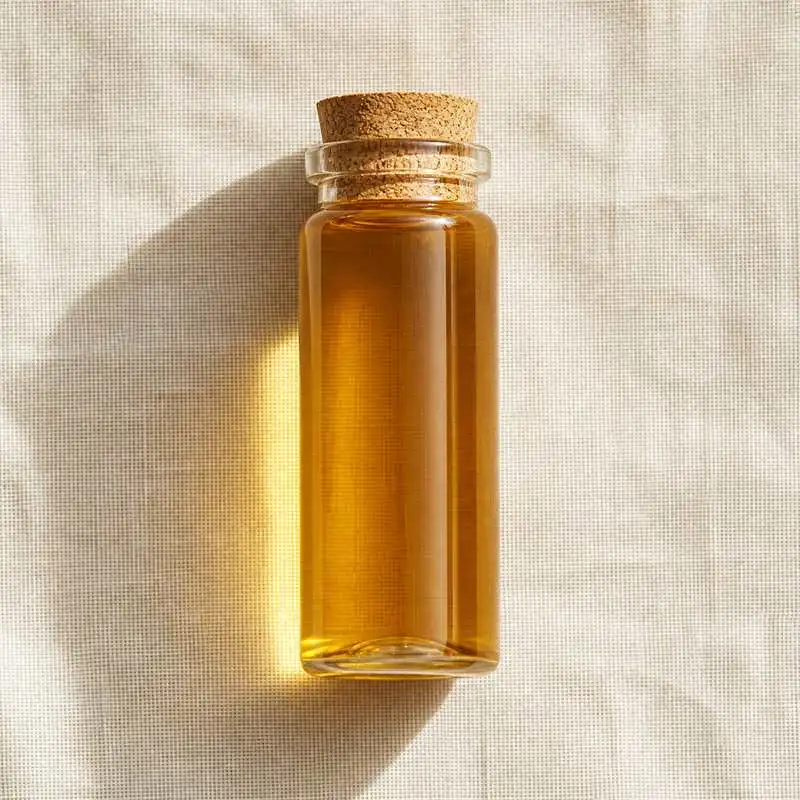
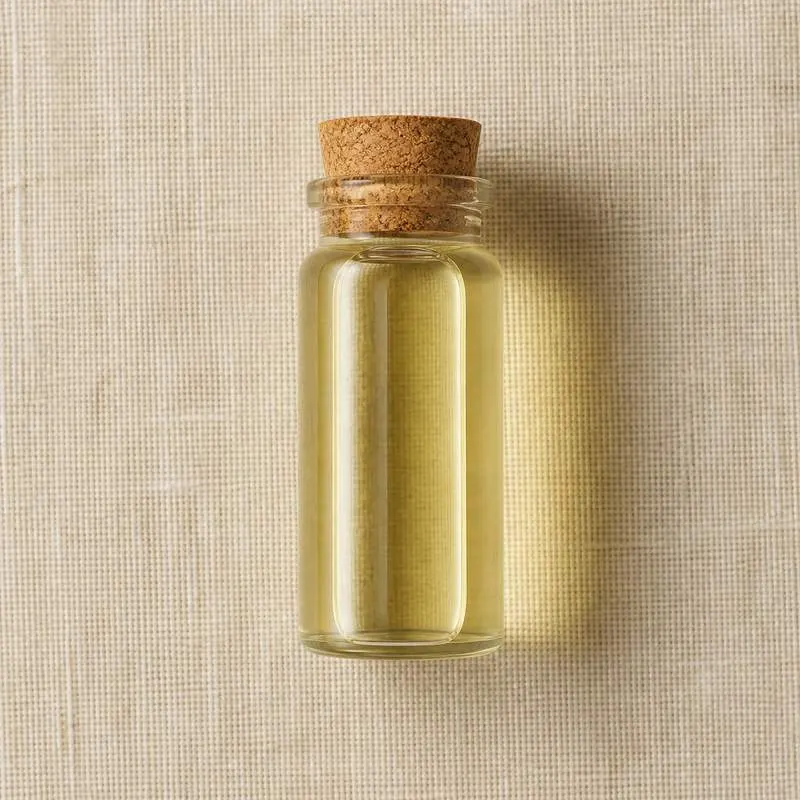
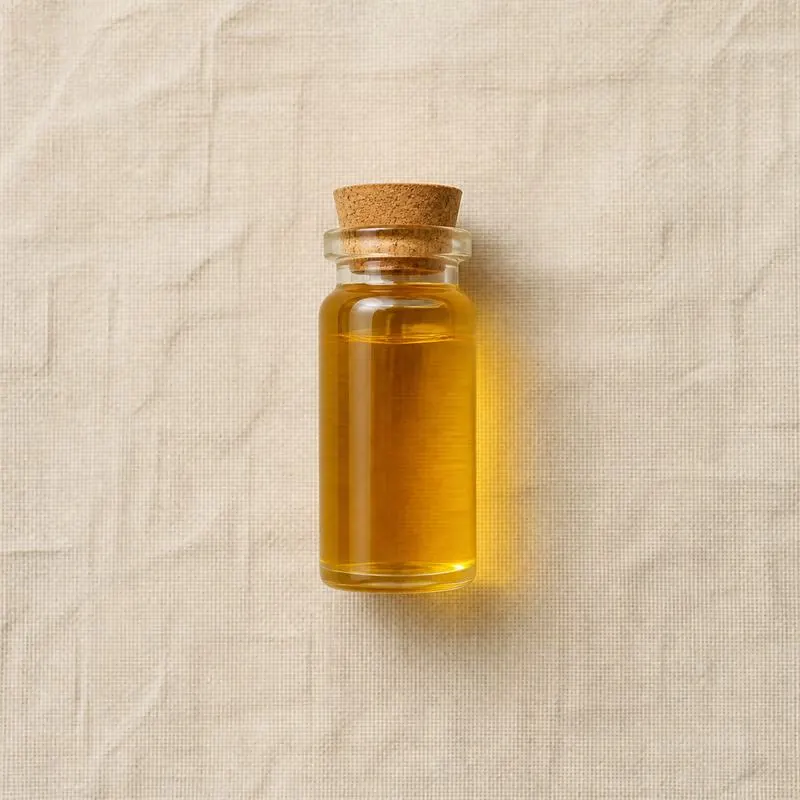
The oil is clear, water-white to very pale yellow, low in viscosity, and chemically stable, and is used in nutrition, pharmaceutical, cosmetic, and industrial applications where rapid digestion or low-viscosity carrier behaviour is required.
We source bulk Mct from top China manufacturers for our partners, working with several of them. The manufacturers are mostly in Shandong, Jiangsu and Guangdong. A smaller requirement can ship in a combined container with other ingredients.
Please send the grade you need, the volume and your destination port, and we will come back with a solution and a price.
or call +86-21-6858 0751
- Packaging
- 190 kg steel drum or 25 kg jerrican
- ISO 9001
- HACCP
- Halal
- Kosher
Specifications
| Item | Specification |
|---|---|
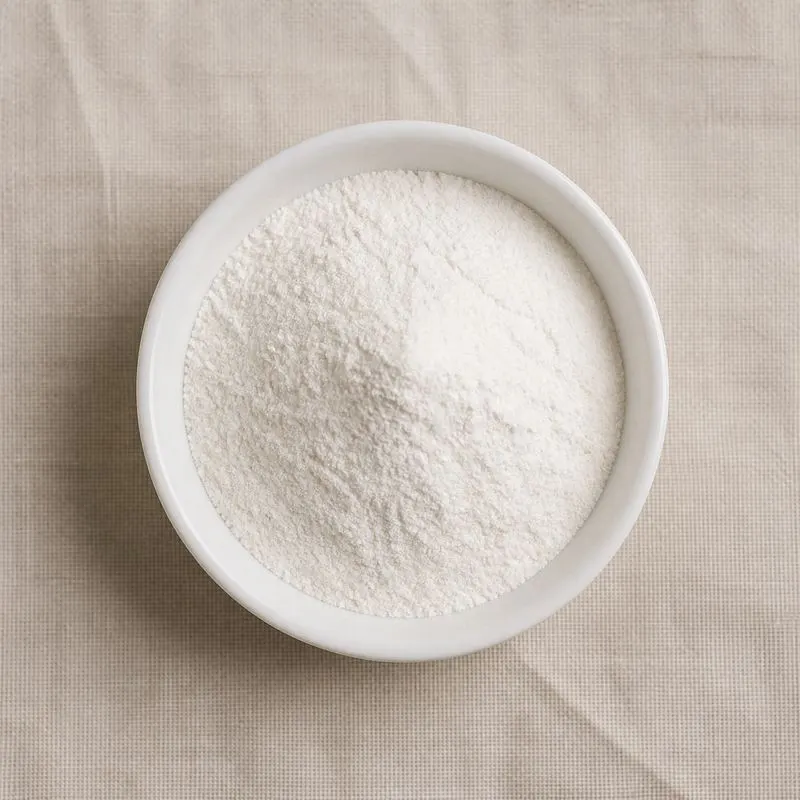
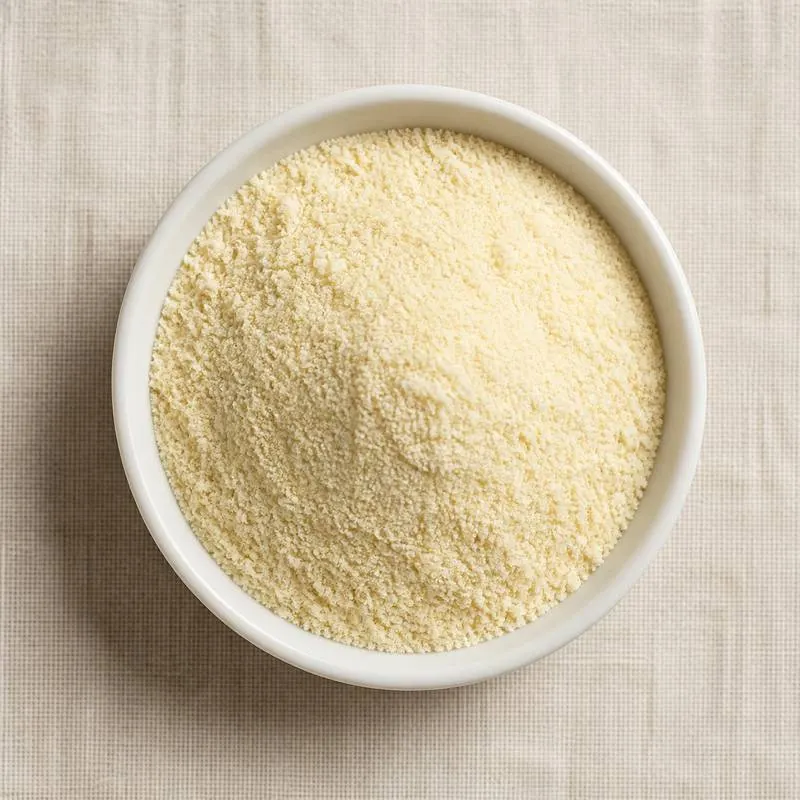
| Appearance | White to off-white free-flowing powder |
| MCT load | 50% to 70% (per customer specification) |
| C8 (caprylic) content | ≥ 50% of MCT fraction (typical) |
| C10 (capric) content | ≥ 30% of MCT fraction (typical) |
| Moisture | ≤ 4.0% |
| Peroxide value | ≤ 5 meq/kg |
| Free fatty acids | ≤ 0.5% |
| Heavy metals (as Pb) | ≤ 1 mg/kg |
| Microbiology | Total plate count ≤ 10,000 CFU/g; absence of Salmonella and E. coli |
| Carrier system | Maltodextrin, sodium caseinate, modified starch, or per customer specification |
Common Markets Grades
MCT is graded by fatty acid composition, with C8 and C10 being the commercially relevant chain lengths.
Standard MCT (60/40) delivers roughly 60 percent C8 and 40 percent C10 and has long been the standard grade for clinical and supplement applications.
C8-enriched grade at 70 to 80 percent C8 with 20 to 30 percent C10 targets ketogenic nutrition and sports performance products where the more rapidly ketogenic C8 fraction is preferred.
High-purity C8 grade at 95 to 99 percent caprylic acid is produced for ketogenic supplements at the top of the market and for emulsion bases in pharmaceutical formulation.
Pharmaceutical-grade MCT meets USP, Ph. Eur., and JP monograph requirements for use as an excipient in soft and hard capsules, parenteral emulsions, and topical preparations.
Powdered MCT at 50 to 70 percent oil content on a maltodextrin, acacia, or milk-protein carrier is produced for dry beverages, bars, and powdered creamers.
Applications
- Clinical and medical nutrition for malabsorption disorders, cystic fibrosis, and post-surgical recovery
- Ketogenic diet supplements and beverages targeting therapeutic and lifestyle ketosis
- Sports nutrition for sustained energy and recovery formulations
- Infant formula as a partial fat component for preterm and low-birth-weight nutrition
- Bulletproof-style coffee creamers, powdered creamers, and ready-to-drink formats
- Pharmaceutical excipient for softgels, oral suspensions, and parenteral lipid emulsions
- Carrier oil for fat-soluble vitamins, carotenoids, CoQ10, and cannabinoid extracts
- Cosmetic and personal care products as a light, non-greasy emollient in creams, lotions, and lip products
- Pet food and treats for puppies, kittens, and senior cognitive support
- Flavour and colour carrier in food and beverage formulation
Brands Using Mct
Widely-distributed consumer products that list Mct on the ingredient label.
- BulletproofBrain Octane C8 MCT Oil ↗Triple-distilled C8 (caprylic acid) MCT oil sourced from 100% coconut oil; pure medium-chain triglycerides for ketone energy.Label verified 2026-05-24
- BulletproofBrain Octane Softgels ↗Softgel form of Brain Octane C8 MCT oil for portable ketone-supporting MCT intake.Label verified 2026-05-24
- Sports ResearchMCT Oil 1000mg Softgels ↗MCT oil softgels delivering 1,000 mg of C8 and C10 medium-chain triglycerides from 100% sustainably sourced organic coconuts.Label verified 2026-05-24
- Sports ResearchOrganic MCT Oil - 32oz ↗Liquid MCT oil steam-distilled from 100% organic coconuts; composed of caprylic (C8), capric (C10) and lauric (C12) MCTs.Label verified 2026-05-24
- NOW FoodsMCT Oil 1000 mg Softgels ↗MCT oil softgels derived from coconut and/or palm kernel oil; medium-chain triglycerides metabolized rapidly for energy.Label verified 2026-05-24
- Nature's WayOrganic MCT Oil ↗Nature's Way Organic MCT Oil is a flavourless 100% MCT oil from organic coconuts (caprylic and capric acids), 14 g of MCTs per serving, with no palm or filler oils.Label verified 2026-05-24
Brand names, product names and logos are the property of their owners. They appear here as published evidence that the ingredient is used, taken from the brand's own label or website. Their appearance is not an endorsement, and it does not mean the brand buys from us or from any manufacturer listed on this site.
China Manufacturers of Mct
Top Mct manufacturers in China.
 Jiangsu Leiva Biotech Co., Ltd.10 ingredients in the directory
 Kevin Food Co., Ltd.7 ingredients in the directory
 Meitek (Qingdao) Co., Ltd.13 ingredients in the directory
 Shandong Tianjiao Biotech Co., Ltd.9 ingredients in the directory
 Shandong Tianmei Biotech Co., Ltd.9 ingredients in the directory
 Xi'an Healthful Biotechnology Co., Ltd.5 ingredients in the directory
Company names and logos are the property of the manufacturers themselves. They are listed here because our own directory records them as producing this ingredient. A listing is not an endorsement by them, and we do not represent them or speak on their behalf.
How We Help Source Mct
Direct Factory Sourcing
We run the whole process: selecting the manufacturer from the top Chinese food ingredient producers, negotiating the price, verifying quality, and coordinating the logistics. You deal with us instead of with several factories at once.
Original Packaging and Documents from the Manufacturer
The manufacturer sends your Mct out of its own factory in the original packing, through to your destination port. The COA, COO, MSDS, TDS and any certifications reach you from the manufacturer as well.
Free Samples and Lead Time
We send 100 to 500 g free for your own laboratory to test and you cover only the courier, usually within 2 to 3 working days. ETD is usually within 7 to 15 days once the order is confirmed, and we check that date against the factory's own manufacturing schedule before we give it to you.
Combined Shipment
We can load Mct together with other ingredients such as DHA, DHA Algal Oil and Antarctic Krill Oil into one 20' FCL. If your quantity is small, we can also ship LCL.
Regulatory Status
MCT is recognised as a food, food ingredient, and pharmaceutical excipient across major jurisdictions.
In the European Union it falls under general food law and is referenced in the European Pharmacopoeia monograph for Medium-Chain Triglycerides.
The U.S. Food and Drug Administration regards MCT derived from coconut or palm kernel oil as GRAS for general food use, and the USP carries a monograph for Medium-Chain Triglycerides used as a pharmaceutical excipient.
The Japanese Pharmacopoeia includes Medium-Chain Triglycerides as an official excipient.
Halal, kosher, and non-GMO certifications are routinely available, and RSPO sustainable palm certification is available for palm-kernel-derived material.
Manufacturing Process
MCT production starts with refined coconut oil or palm kernel oil, both of which carry roughly 55 to 70 percent medium-chain fatty acids alongside longer-chain lauric (C12), myristic (C14), and palmitic (C16) acids.
The starting oil is hydrolysed at high temperature and pressure into free fatty acids and glycerol, separated, and the free fatty acid fraction sent to vacuum fractional distillation.
Distillation columns separate the fatty acids by chain length, isolating C8 and C10 fractions in the desired ratio. Lauric (C12), the most abundant medium-chain fatty acid in coconut and palm kernel oil, is typically diverted to other applications because of its slower absorption and higher melting point.
Purified C8 and C10 fatty acids are then re-esterified with food-grade glycerol under vacuum, using an acid or enzymatic catalyst, to form medium-chain triglycerides.
The crude MCT is washed, dried, bleached, deodorised, and polished by filtration before nitrogen-blanketed packaging.