DHA
DHA (docosahexaenoic acid) is a 22-carbon long-chain omega-3 polyunsaturated fatty acid with six cis double bonds, CAS 6217-54-5, formally designated C22:6n-3.
It is the principal structural lipid of the mammalian brain grey matter and retinal photoreceptor membranes, and trades as free fatty acid, ethyl ester, triglyceride, or phospholipid forms for nutritional, pharmaceutical, and clinical use.
We source bulk DHA from top China manufacturers for our partners, working with several of them. The manufacturers are mostly in Zhejiang, Hubei and Anhui. A smaller requirement can ship in a combined container with other ingredients.
Please send the grade you need, the volume and your destination port, and we will come back with a solution and a price.
or call +86-21-6858 0751
- Packaging
- 190 kg steel drum or 25 kg jerrican
- ISO 9001
- HACCP
- Halal
- Kosher
Specifications
Grades / Types Available: Food Grade, Feed Grade
| Item | Specification |
|---|---|
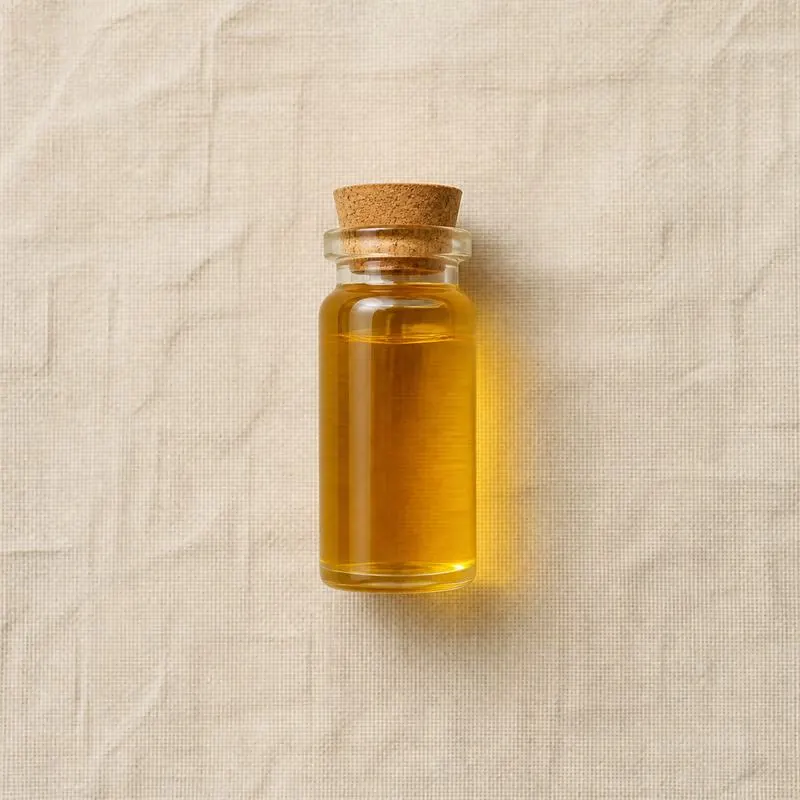
| Appearance | Yellow to amber oil |
| DHA Content | ≥ 35% (algal) / ≥ 25% (fish) |
| EPA | ≤ 5% (algal) |
| Acid Value | ≤ 2.0 mg KOH/g |
| Peroxide Value | ≤ 5.0 meq/kg |
| Moisture & Volatiles | ≤ 0.1% |
| Heavy Metals (as Pb) | ≤ 0.1 mg/kg |
| Purity/Assay (Food Grade) | ≥ 50% DHA |
| Viscosity | < 100 mPa·s |
| Moisture/Loss on Drying | < 0.5% |
| pH | 6.0 - 8.0 |
| Lead | < 0.1 ppm |
| Arsenic | < 0.1 ppm |
| Total Plate Count | < 1000 cfu/g |
| Yeast & Mold | < 100 cfu/g |
Common Markets Grades
DHA is graded by purity, chemical form, and source.
Reference and research grades reach 95 to 99 percent purity, typically as ethyl ester or methyl ester, used for analytical standards and pharmacokinetic studies.
Concentrate grades at 40 to 70 percent DHA are produced by molecular distillation of marine or algal oil and take the form of ethyl esters or re-esterified triglycerides.
Infant nutrition grades target 35 to 45 percent DHA with tightly limited EPA, oxidation, and contaminant profiles.
Phospholipid-bound DHA, typically derived from krill or roe lecithin, holds 5 to 15 percent DHA within a phosphatidylcholine matrix.
Each grade is available in a vegetable (algal) or marine (tuna, anchovy) origin with corresponding labelling claims.
Applications
- Infant formula, follow-on formula, and growing-up milks for visual and cognitive development
- Prenatal and maternal nutrition products supporting fetal neurodevelopment
- Dietary supplements for adult cognitive maintenance, eye health, and cardiovascular wellness
- Medical foods for preterm infants, traumatic brain injury recovery, and age-related macular degeneration
- Pharmaceutical preparations including approved omega-3 ethyl ester therapeutics
- Functional foods and beverages such as DHA-fortified milk, yogurt, juice, and bakery items
- Clinical enteral and parenteral nutrition emulsions
- Pet food and treats targeting puppy and kitten neurodevelopment and senior cognition
- Aquaculture micro-diets for larval marine fish and shrimp where dietary DHA is essential
- Cosmetic and dermatological formulations for barrier and anti-inflammatory positioning
Brands Using DHA
Widely-distributed consumer products that list DHA on the ingredient label.
- Nordic NaturalsChildren's DHA Gummies ↗Kids omega-3 gummies supplying 600 mg DHA per serving from wild-caught fish oil.Label verified 2026-05-24
- SimilacSimilac Advance Infant Formula Powder ↗Infant formula contains DHA from Schizochytrium sp. oil as part of Similac's OptiGRO blend with lutein and vitamin E.Label verified 2026-05-24
- EnfamilEnfamil NeuroPro Infant Formula Powder ↗NeuroPro formula lists Mortierella alpina oil and Schizochytrium sp. oil as sources of DHA and ARA for brain and eye development.Label verified 2026-05-24
- Garden of LifeDr. Formulated Prenatal DHA Vegan Softgels ↗Prenatal softgel delivering 400 mg DHA plus 90 mg DPA from sustainable vegan algal oil for baby's brain development.Label verified 2026-05-24
- Source NaturalsDHA, Vegetarian ↗Vegetarian DHA softgels sourced from algae oil, supporting brain, cardiovascular and immune health.Label verified 2026-05-24
Brand names, product names and logos are the property of their owners. They appear here as published evidence that the ingredient is used, taken from the brand's own label or website. Their appearance is not an endorsement, and it does not mean the brand buys from us or from any manufacturer listed on this site.
China Manufacturers of DHA
Top DHA manufacturers in China.
 ATK Biotech Co., Ltd.3 ingredients in the directory
 Hubei Fuxing Biotechnology Co., Ltd.4 ingredients in the directory
 Hubei Xinhe Biological Technology Co., Ltd.7 ingredients in the directory
 Meitek (Qingdao) Co., Ltd.13 ingredients in the directory
- New Tuoyang Bio-engineering Co., Ltd.8 ingredients in the directory
- Zhejiang Grand Biotech Co., Ltd.6 ingredients in the directory
 Zhejiang Tianhecheng Bio-technology Shares Co., Ltd.17 ingredients in the directory
 Zhejiang Wedin Biological Technology Co., Ltd.18 ingredients in the directory
Company names and logos are the property of the manufacturers themselves. They are listed here because our own directory records them as producing this ingredient. A listing is not an endorsement by them, and we do not represent them or speak on their behalf.
How We Help Source DHA
Direct Factory Sourcing
We run the whole process: selecting the manufacturer from the top Chinese food ingredient producers, negotiating the price, verifying quality, and coordinating the logistics. You deal with us instead of with several factories at once.
Original Packaging and Documents from the Manufacturer
The manufacturer sends your DHA out of its own factory in the original packing, through to your destination port. The COA, COO, MSDS, TDS and any certifications reach you from the manufacturer as well.
Free Samples and Lead Time
We send 100 to 500 g free for your own laboratory to test and you cover only the courier, usually within 2 to 3 working days. ETD is usually within 7 to 15 days once the order is confirmed, and we check that date against the factory's own manufacturing schedule before we give it to you.
Combined Shipment
We can load DHA together with other ingredients such as DHA Algal Oil, Mct and Antarctic Krill Oil into one 20' FCL. If your quantity is small, we can also ship LCL.
Regulatory Status
DHA is recognised as a nutrient and food ingredient in essentially all major jurisdictions.
The European Food Safety Authority has issued authorised health claims linking DHA intake to maintenance of normal brain function and normal vision, and to contribution to normal visual and brain development of infants.
The U.S. Food and Drug Administration treats DHA from approved algal and marine sources as GRAS for infant formula use and for general food fortification.
Codex Alimentarius standards for infant formula reference DHA as a permitted optional ingredient with defined maximum ratios to arachidonic acid and EPA.
Pharmacopoeial monographs in the European Pharmacopoeia and USP cover Omega-3 Acid Ethyl Esters 90 and Fish Oil Rich in Omega-3 Acids, both quantifying DHA as a marker.
Manufacturing Process
Two source streams dominate global DHA supply.
The marine route extracts crude oil from anchoveta, sardine, or tuna, refines it through degumming, neutralisation, bleaching, and deodorisation, then enriches DHA via transesterification to ethyl ester followed by short-path molecular distillation under deep vacuum.
The algal route ferments heterotrophic microalgae such as Schizochytrium, Crypthecodinium cohnii, or Aurantiochytrium in stirred-tank bioreactors using glucose as carbon source. After 4 to 6 days the biomass is centrifuged, washed, dried, and the lipid extracted with hexane or by mechanical pressing.
Both streams may be re-esterified back to triglyceride form using immobilized lipase, and final polishing includes winterization, activated carbon treatment, nitrogen blanketing, and addition of mixed tocopherols.
Pharmaceutical-grade DHA undergoes additional silica or molecular sieve chromatography to remove residual EPA and isomeric impurities.