Sichuan Pepper Seed Oil
Sichuan pepper seed oil is the fixed oil obtained from the seeds of Zanthoxylum bungeanum, the black kernels separated from the pericarp during processing of the spice. It should not be confused with the seasoning oil sold as Sichuan pepper oil, which is a vegetable oil infused with the aroma and numbing principle of the pericarp. The seed oil is a true pressed or extracted oil recovered from what is otherwise a by product of the spice trade.
The seed carries roughly a quarter to a third of its weight as oil, held in the kernel behind a hard black testa that is high in pigment and in wax. The fatty acid profile is unusual for a commercially pressed oil in being strongly polyunsaturated, with alpha linolenic acid typically between a quarter and a third of the total, alongside linoleic, oleic and palmitic acids. That composition gives it nutritional interest as a plant source of omega 3 fatty acids and, equally, makes it prone to oxidation.
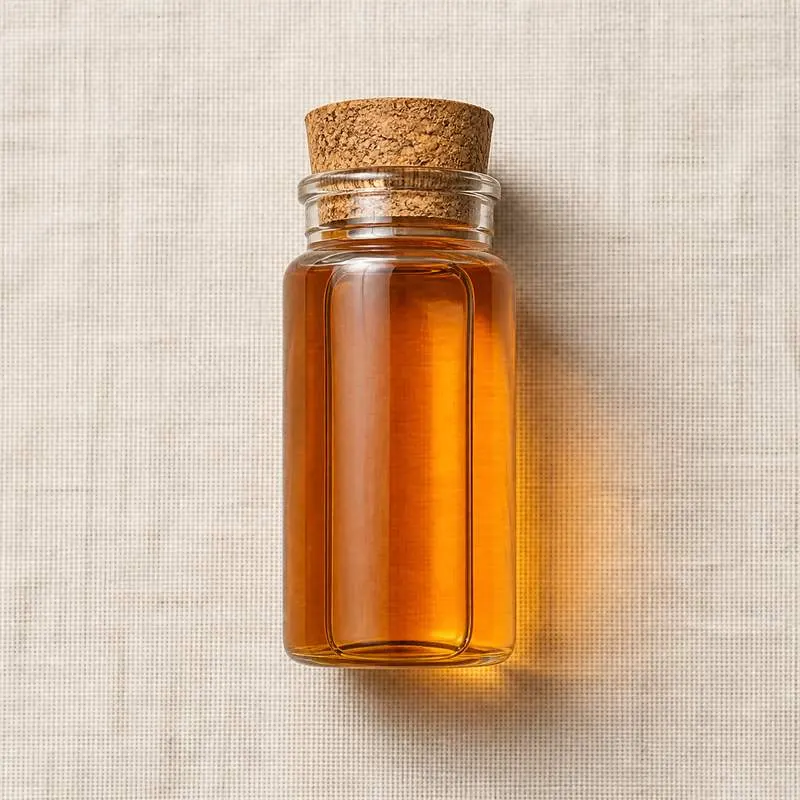
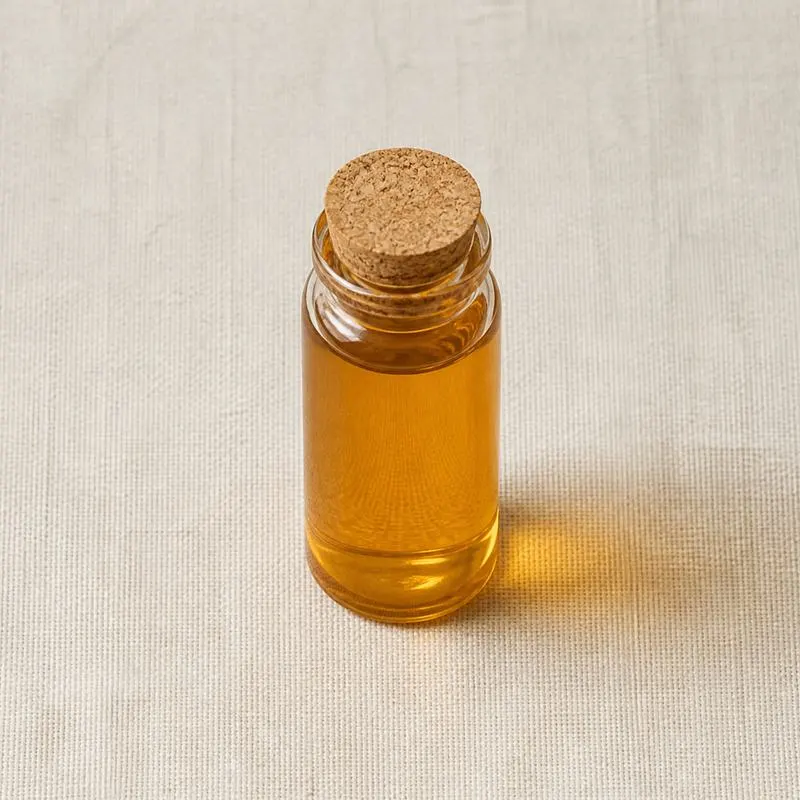
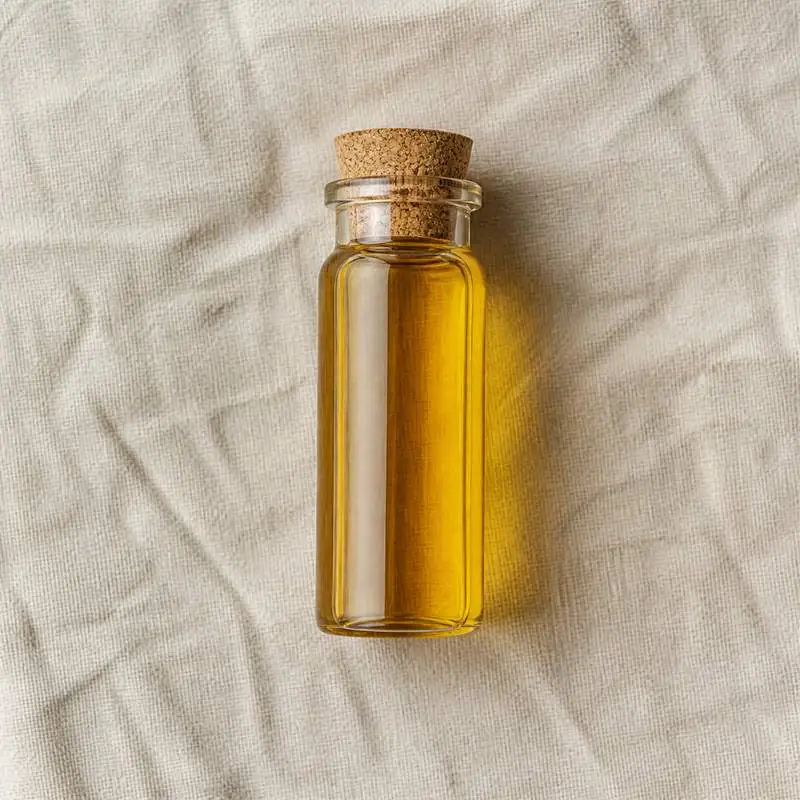
Refined material is a clear yellow to greenish yellow oil with a mild odour, since the numbing sanshools and most of the aroma remain with the pericarp rather than the seed. Crude oil is dark and carries pigment and free fatty acid from the seed coat. Because of the linolenic content the oil is not suited to prolonged high temperature frying and is packed with an antioxidant, under nitrogen and away from light.
We source bulk Sichuan Pepper Seed Oil from top China manufacturers for our partners. The manufacturer is in Shaanxi. A smaller requirement can ship in a combined container with other ingredients.
Please send the grade you need, the volume and your destination port, and we will come back with a solution and a price.
or call +86-21-6858 0751
- Function
- Flavours and Aromas
Specifications
| Item | Specification |
|---|---|
| Appearance | Clear yellow to greenish yellow oil, free from sediment at 20 C |
| Odour and Taste | Bland and characteristic, no rancid or solvent note |
| Identification | Fatty acid profile by gas chromatography conforms to reference |
| Alpha Linolenic Acid | Not less than 22% of total fatty acids |
| Linoleic Acid | 18 to 30% of total fatty acids |
| Acid Value | Not more than 0.5 mg KOH/g for refined grade |
| Peroxide Value | Not more than 5.0 meq/kg |
| Moisture and Volatile Matter | Not more than 0.1% |
| Insoluble Impurities | Not more than 0.05% |
| Refractive Index at 20 C | 1.470 to 1.478 |
| Unsaponifiable Matter | Not more than 1.5% |
| Residual Hexane | Not more than 1.0 mg/kg |
| Lead | Not more than 0.1 mg/kg |
| Arsenic | Not more than 0.1 mg/kg |
Common Markets Grades
The trade separates crude from refined. Crude oil, whether cold pressed or solvent extracted, is dark green to brown, high in free fatty acid, phospholipid and pigment, and moves either to a refinery or into technical and feed outlets. Fully refined, bleached and deodorised oil is pale, low in free fatty acid and neutral in odour, and is the grade sold for edible use and for capsule filling.
Within the edible trade, cold pressed grades are offered as a specialty oil retaining more of the natural tocopherol and a faint characteristic odour, while refined grades are specified on acid value, peroxide value and colour. Concentrated grades enriched in alpha linolenic acid by molecular distillation are traded for nutritional use, and a separate technical grade with no edible specification supplies soap, lubricant and biodiesel manufacture. Seed cake left after pressing is sold as a protein feed material rather than as a food ingredient.
Applications
- Specialty edible oil for dressings and cold dishes, where its polyunsaturated profile is the selling point
- Nutritional oil blends formulated to raise the alpha linolenic acid content of a cooking oil
- Softgel capsule fill for omega 3 supplements of plant origin
- Base oil for compounded seasoning oils, where the pericarp aroma is added separately
- Bakery and confectionery fats in limited use, where a soft oil is wanted
- Animal feed fat, using the crude grade as an energy source
- Soap and surfactant manufacture from the technical grade
- Cosmetic and personal care emollients, using the unsaturated fatty acid profile
- Biodiesel feedstock from off specification and technical material
China Manufacturers of Sichuan Pepper Seed Oil
Top Sichuan Pepper Seed Oil manufacturers in China.
Company names and logos are the property of the manufacturers themselves. They are listed here because our own directory records them as producing this ingredient. A listing is not an endorsement by them, and we do not represent them or speak on their behalf.
Regulatory Status
Sichuan pepper seed oil is a fixed vegetable oil rather than a food additive and has no E number. It is not one of the oils named in the Codex standard for named vegetable oils, so specifications are set by contract against the general expectations for edible fats and oils, including the Codex standard for fats and oils not covered by individual standards. Contaminant limits for edible oils apply, covering lead and arsenic, polycyclic aromatic hydrocarbons where the seed has been dried over a fire, and the process contaminants glycidyl esters and chloropropanols formed during deodorisation.
Regulatory status differs sharply between markets. In the European Union an oil from this seed with no significant history of food consumption before May 1997 falls under the novel food regulation and requires authorisation before it may be placed on the market as a food. In the United States there is no specific listing, so edible use rests on a self determined or notified GRAS conclusion for the intended conditions of use, and manufacture sits under the preventive controls requirements for human food. Any antioxidant added must be permitted for fats and oils in the destination market and declared on the label.
Manufacturing Process
Seed arrives as the fraction separated from the pericarp during spice processing, and is cleaned by sieving and air classification to remove stalk, dust and residual pericarp. Because the black testa is hard, high in pigment and low in oil, better grades are dehulled so that mainly kernel is pressed. The cleaned kernel is conditioned by heating to soften the cell structure and lower the oil viscosity, then pressed in a screw expeller, which recovers the bulk of the oil and leaves a cake still holding several percent. The cake is normally extracted with hexane to recover the balance, and the solvent is stripped from the miscella under vacuum and recovered for reuse.
Crude oil is degummed with water or acid to remove phospholipid, neutralised with alkali to strip free fatty acid, bleached over activated earth to remove pigment and oxidation products, dewaxed by chilling and filtration where a clear cold appearance is needed, and finally deodorised by steam stripping under high vacuum at the lowest temperature that will do the job, since the linolenic content is degraded by prolonged heat. Tocopherol or another permitted antioxidant is added, and the oil is filtered and filled under nitrogen.