Sichuan Pepper Oil
Sichuan pepper oil is a culinary seasoning oil made by infusing the dried pericarp of Zanthoxylum species into a refined vegetable oil, or by blending an extract of that pericarp into one. It is a finished condiment and seasoning intermediate, not a concentrate, and is dosed by the spoonful or by the percent rather than in parts per million.
Its defining property is that it carries the numbing effect, which the steam-distilled essential oil of the same spice does not. The tingling principles, hydroxy-alpha-sanshool and its relatives, are non-volatile alkylamides that are readily soluble in fat, so oil infusion extracts them while distillation leaves them behind in the still. A well-made oil therefore delivers both the citrus and pine aroma of the volatile fraction and the characteristic buzzing tingle on the lip and tongue.
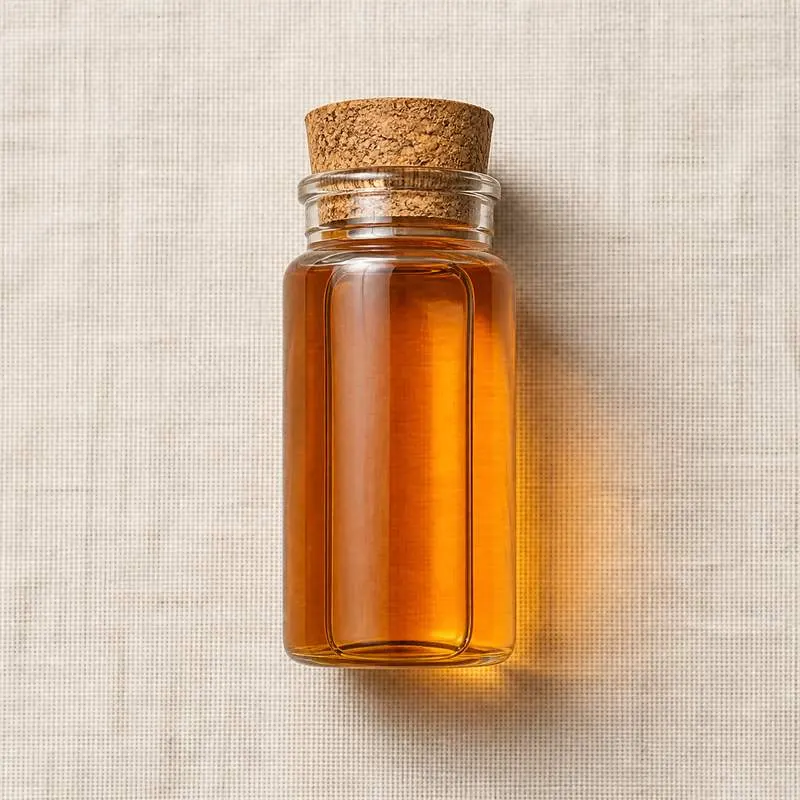
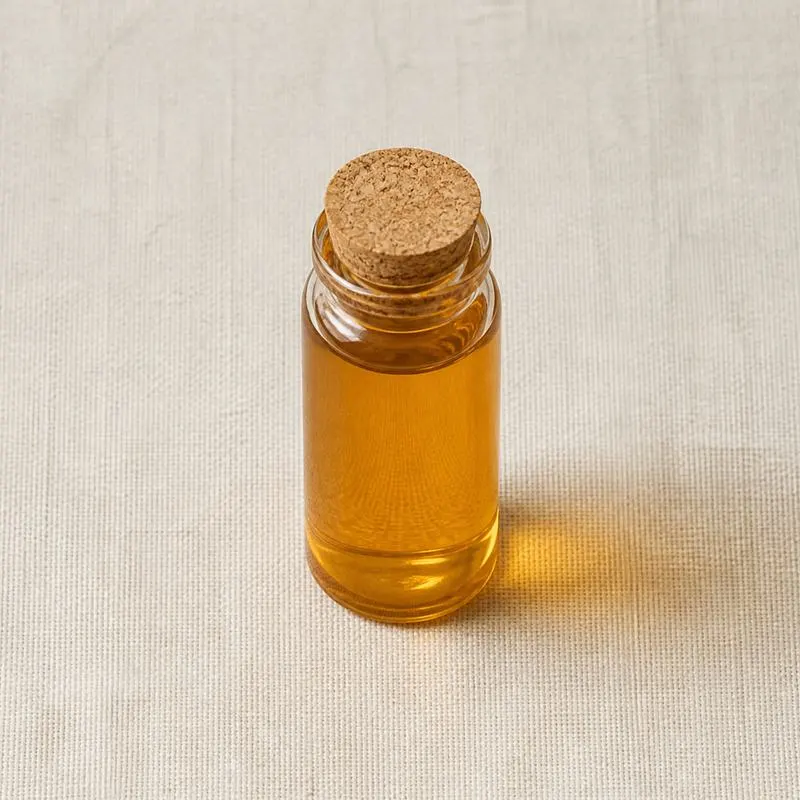
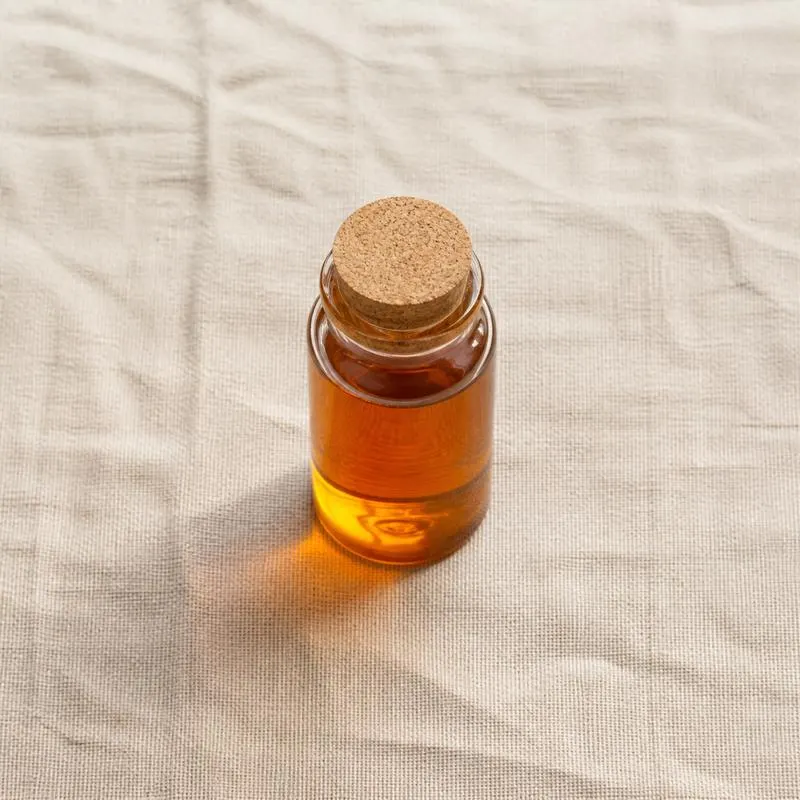
The product is a clear yellow to greenish yellow oil, insoluble in water, and is used as a finishing rather than a cooking oil, since prolonged heat drives off the aroma and degrades the amides. Green pepper oil, made from the teng jiao types, is brighter and more citrus led than the red version.
We source bulk Sichuan Pepper Oil from top China manufacturers for our partners, working with several of them. The manufacturers are in Chongqing, Shandong and Henan. A smaller requirement can ship in a combined container with other ingredients.
Please send the grade you need, the volume and your destination port, and we will come back with a solution and a price.
or call +86-21-6858 0751
- Function
- Flavours and Aromas
Specifications
| Item | Specification |
|---|---|
| Appearance | Clear yellow to greenish yellow oil, free from sediment |
| Odour and Flavour | Characteristic Sichuan pepper aroma with distinct numbing effect |
| Numbing Intensity | To the agreed grade against a retained reference sample |
| Hydroxy-alpha-sanshool | Not less than 0.05 percent for standard grade |
| Acid Value | Not more than 3.0 mg KOH/g |
| Peroxide Value | Not more than 5.0 meq/kg |
| Moisture and Volatile Matter | Not more than 0.2 percent |
| Insoluble Impurities | Not more than 0.05 percent |
| Base Oil | Refined rapeseed, sunflower or blended vegetable oil as declared |
| Lead | Not more than 0.1 mg/kg |
| Arsenic | Not more than 0.1 mg/kg |
| Total Plate Count | Not more than 1,000 cfu/g |
| Salmonella | Absent in 25 g |
Common Markets Grades
Grades divide first by species. Green Sichuan pepper oil from Zanthoxylum armatum and Zanthoxylum schinifolium is fresher and more lime-like and now carries the larger share of the retail trade, while red oil from Zanthoxylum bungeanum is warmer and more classically spicy. They divide second by numbing intensity, quoted by producers as a numbing value on their own scale or against a reference sample, since there is no universal unit for the sensation as there is for capsaicin heat.
Production route is the third axis. Cold pressed and cold infused oils, made without heating the spice, retain the most delicate aroma and command higher prices. Hot infused oils are stronger and darker. Standardised oils built by dosing a Sichuan pepper extract into a base oil hold a constant numbing level across the year and are bought by industrial users who need repeatability. Base oil is specified as well: rapeseed is traditional and gives a heavier background, while sunflower and blended oils are used where a neutral base is wanted.
Applications
- Cold dressed dishes and cold noodle bowls, added as a finishing oil after plating
- Dipping sauces for dumplings, hotpot and boiled meat
- Mapo tofu and other Sichuan dishes, drizzled at the end to restore the numbing note
- Instant noodle and convenience meal oil sachets
- Prepared chilli oil blends, where it supplies the numbing half of the ma la profile
- Marinades and cold meat dressings for deli and ready-to-eat products
- Snack seasoning, applied through an oil slurry during tumbling
- Retail table condiment bottles
- Prepared sauce and hotpot base manufacture
Brands Using Sichuan Pepper Oil
Widely-distributed consumer products that list Sichuan Pepper Oil on the ingredient label.
- Lee Kum KeeGreen Sichuan Peppercorn Oil ↗Jarred oil whose ingredient list reads soybean oil, rapeseed oil, green peppercorns, ginger, shallots and natural flavour, made with Jin Yang green peppercorns.Label verified 2026-08-31
- Lee Kum KeeSichuan Peppercorn Flavored Oil ↗Bottled finishing oil listing only soybean oil and natural Sichuan peppercorn flavours, sold for stir fry, noodles and dipping.Label verified 2026-08-31
Brand names, product names and logos are the property of their owners. They appear here as published evidence that the ingredient is used, taken from the brand's own label or website. Their appearance is not an endorsement, and it does not mean the brand buys from us or from any manufacturer listed on this site.
China Manufacturers of Sichuan Pepper Oil
Top Sichuan Pepper Oil manufacturers in China.
 Chongqing Huacui Bio-technology Co., Ltd.10 ingredients in the directory
 Jinan Aorun Technology Co., Ltd.9 ingredients in the directory
 Zhongjing Food Co., Ltd.4 ingredients in the directory
Company names and logos are the property of the manufacturers themselves. They are listed here because our own directory records them as producing this ingredient. A listing is not an endorsement by them, and we do not represent them or speak on their behalf.
Regulatory Status
Sichuan pepper oil is a food rather than a food additive. In the United States the spice is a culinary seasoning and the vegetable oil base is an ordinary food ingredient, so the finished oil is a food. Any antioxidant added to protect the base oil is a food additive that must be used within its permitted level and declared, and imports of the raw spice are subject to the ordinary controls on pesticide residues and defect levels applied to spices.
In the European Union no E number attaches to the oil, though an added antioxidant would carry one and be declared. Contaminant limits for the dried spice, including lead and mycotoxins, are set under the contaminants regulation, and pesticide residues are controlled under the maximum residue level framework, which is the practical compliance point for this product because residues concentrate in the oil during infusion. Codex covers the raw material through its standards and code of hygienic practice for spices and dried aromatic herbs, and the general standard for contaminants applies to the finished oil.
Manufacturing Process
Dried pericarp is cleaned and screened to remove seed, stalk and leaf, then coarsely crushed. Refined, deodorised vegetable oil is heated in a jacketed vessel and allowed to fall to the working temperature, and the crushed spice is stirred into it. Temperature control is the main skill here, since contact much above 150 degrees Celsius scorches the pericarp and produces bitter, burnt notes, while contact below about 80 degrees Celsius extracts the amides too slowly. Most plants use a staged contact, a first addition at higher temperature to draw out the amides and a second at lower temperature to capture the volatile aroma.
The mixture is held to infuse, commonly overnight, then separated. Coarse solids are removed by settling and screening and the oil is polish filtered through a plate filter or a filter press. Cold infused grades follow the same route at ambient temperature over several days. Standardised grades take a different path, in which a carbon dioxide or solvent extract of the pericarp is blended into the base oil under agitation to a fixed numbing and aroma target. Finished oil is checked for acid and peroxide value and filled into containers that keep out light.