Vanilla
Vanilla is the cured seed pod of Vanilla planifolia, a climbing orchid native to southeastern Mexico and now cultivated primarily in Madagascar, Indonesia, Uganda, and Papua New Guinea.
The cured pod and its extracts deliver a complex aroma built around vanillin as the dominant note, supported by hundreds of co-occurring compounds including p-hydroxybenzaldehyde, vanillic acid, anisyl alcohol, and numerous esters, lactones, and phenolic ketones that together produce a depth no single synthetic compound replicates.
We source bulk Vanilla from top China manufacturers for our partners. The manufacturer is in Hainan. For this ingredient the minimum order is 500 kg and a 20-foot container takes 12 MT, and a smaller requirement can ship in a combined container with other ingredients.
Please send the grade you need, the volume and your destination port, and we will come back with a solution and a price.
or call +86-21-6858 0751
- Minimum order
- 500 kg
- Qty in 20' FCL
- 12 MT
- Packaging
- 250 kg plastic drum or 1,000 kg IBC tote
- Function
- Flavours and Aromas
- ISO 9001
- HACCP
- Halal
- Kosher
Specifications
| Item | Specification |
|---|---|
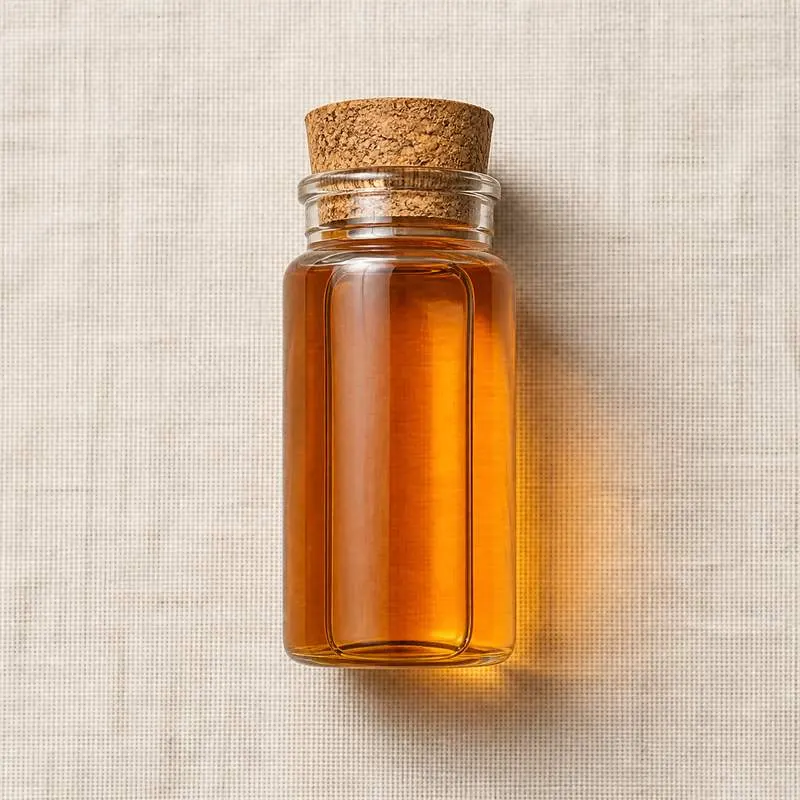
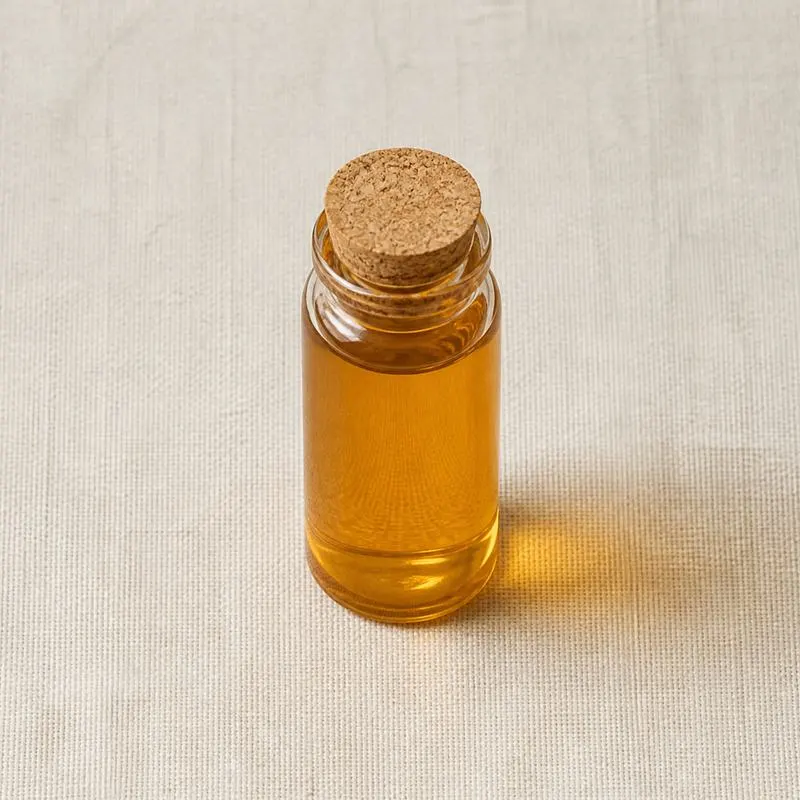
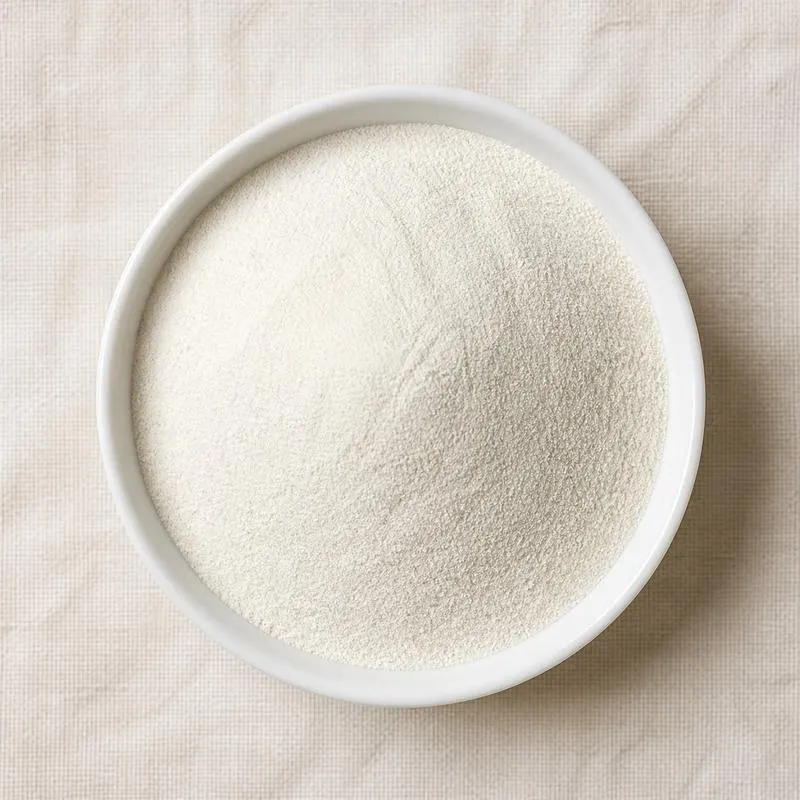
| Appearance | Dark brown viscous liquid (extract) / Fine brown powder |
| Odor | Characteristic rich vanilla |
| Vanillin Content | ≥1.5% (extract) |
| Moisture | ≤5.0% (powder) |
| Total Ash | ≤8.0% |
| Ethanol Content | 35% min (extract) |
| Lead | ≤1.0 mg/kg |
| Total Plate Count | ≤1,000 CFU/g |
| Yeast & Mold | ≤100 CFU/g |
| Shelf Life | 24 months |
Common Markets Grades
Vanilla is graded as whole beans, ground beans and seeds, oleoresins, and extracts.
Whole bean grades are sorted by length, moisture content, and visual quality. Grade A bourbon beans (also called gourmet or prime) measure 14 to 18 centimeters with 30 to 35 percent moisture, supple texture, and oily surface sheen. Grade B beans are shorter, drier, and used primarily for extraction rather than display.
Single fold extract follows the U.S. standard of identity at one pound of bean per gallon of extracting solvent (typically 35 percent ethanol). Two fold, three fold, and higher concentrations are produced for industrial use. Oleoresin vanilla, prepared by concentrating an alcoholic extract to a viscous paste, reaches multiples of up to thirty fold.
Geographical designations include Madagascar Bourbon (the volume leader, characterised by rich creamy notes), Tahitian (Vanilla tahitensis, with floral anisic top notes), Mexican (woody and spicy), Indonesian (smoky from accelerated curing), and Ugandan (sharp and bright).
Applications
- Premium ice cream and frozen dessert with visible bean seeds as a quality cue
- Patisserie creams, custards, and ganache where flavour depth justifies the cost
- Artisan chocolate, particularly bean-to-bar dark chocolate and single-origin lines
- Vanilla extract as a foundational ingredient in home and commercial baking
- Premium yogurt and dairy desserts in the natural and organic segments
- Specialty coffee syrups and ready-to-drink coffee with natural flavour claims
- Cream-based liqueurs, vanilla rum infusions, and craft cocktails
- Perfumery as a base note in oriental, gourmand, and amber accords
- Premium confectionery: caramels, fudge, marshmallows, and pralines
- Functional and nutritional beverages with clean-label positioning
- Aromatherapy and personal care including bath products and body lotions
Brands Using Vanilla
Widely-distributed consumer products that list Vanilla on the ingredient label.
- Ben & Jerry'sVanilla Ice Cream ↗Ingredient panel includes: 'cream, skim milk, liquid sugar (sugar, water), water, egg yolks, sugar, guar gum, vanilla extract, vanilla beans, carrageenan'Label verified 2026-05-24
- Ben & Jerry'sHalf Baked Ice Cream ↗Vanilla extract listed in ingredient panel on official Ben & Jerry's product pageLabel verified 2026-05-24
- TillamookOld-Fashioned Vanilla Ice Cream ↗Ingredients: 'Cream, Skim Milk, Milk, Sugar, Pasteurized Egg Yolks, Vanilla Extract, Tara Gum, Guar Gum, Natural Flavor'Label verified 2026-05-24
- TillamookVanilla Bean Ice Cream ↗Vanilla extract listed alongside ground vanilla beans on official Tillamook product pageLabel verified 2026-05-24
- Blue BellNatural Vanilla Bean Ice Cream ↗Ingredients: 'Milk, cream, sugar, skim milk, contains 1% or less of: vanilla extract, guar gum, carob bean gum, ground vanilla beans'Label verified 2026-05-24
- Häagen-DazsVanilla Ice Cream ↗A vanilla ice cream made with Bourbon vanilla extract from Madagascar; ingredients are cream, skim milk, cane sugar, egg yolks and vanilla extract.Label verified 2026-05-24
Brand names, product names and logos are the property of their owners. They appear here as published evidence that the ingredient is used, taken from the brand's own label or website. Their appearance is not an endorsement, and it does not mean the brand buys from us or from any manufacturer listed on this site.
China Manufacturers of Vanilla
Top Vanilla manufacturers in China.

Company names and logos are the property of the manufacturers themselves. They are listed here because our own directory records them as producing this ingredient. A listing is not an endorsement by them, and we do not represent them or speak on their behalf.
How We Help Source Vanilla
Direct Factory Sourcing
We run the whole process: selecting the manufacturer from the top Chinese food ingredient producers, negotiating the price, verifying quality, and coordinating the logistics. You deal with us instead of with several factories at once.
Original Packaging and Documents from the Manufacturer
The manufacturer sends your Vanilla out of its own factory in the original packing, through to your destination port. The COA, COO, MSDS, TDS and any certifications reach you from the manufacturer as well.
Free Samples and Lead Time
We send 100 to 500 g free for your own laboratory to test and you cover only the courier, usually within 2 to 3 working days. ETD is usually within 7 to 15 days once the order is confirmed, and we check that date against the factory's own manufacturing schedule before we give it to you.
Combined Shipment
We can load Vanilla together with other ingredients such as Capsicum Oleoresin, Ethyl Maltol and White Pepper into one 20' FCL. If your quantity is small, we can also ship LCL.
Regulatory Status
Vanilla and its extracts are subject to standards of identity in most major markets.
The U.S. Food and Drug Administration defines vanilla extract under 21 CFR 169.175, requiring not less than one unit of vanilla bean per gallon of extracting solvent (with the extracting solvent containing at least 35 percent ethanol). Vanilla flavouring and vanilla-vanillin flavouring carry separate definitions under 21 CFR 169.177 and 169.181.
In the European Union, vanilla extract qualifies as a natural flavouring preparation under Regulation (EC) 1334/2008. Use of the descriptor natural vanilla flavouring is restricted to preparations derived exclusively from Vanilla spp.
JECFA has reviewed vanilla preparations and found no safety concerns at typical food use levels.
Geographic indication protection applies in selected jurisdictions. Bourbon vanilla refers specifically to vanilla from islands of the southwestern Indian Ocean (Madagascar, Reunion, Comoros, Mayotte, and Seychelles). Halal and Kosher certification is produced, though Kosher status depends on the ethanol source for extracts.
Manufacturing Process
Vanilla production is among the most labor-intensive crops in the world.
The vine flowers for a single day per blossom, and outside its native Mexican range (where the Melipona bee is the natural pollinator) every flower must be hand-pollinated by farm workers within hours of opening. Pods then develop on the vine for eight to nine months before harvest.
Curing converts the odourless green pod into the aromatic brown bean. The classic bourbon method begins with a brief hot water blanch to kill the pod cells, followed by sweating in wool blankets to raise the temperature and trigger enzymatic hydrolysis of glucovanillin. Pods are then alternately sun-dried by day and sweat-stored by night for two to four weeks, then conditioned in closed boxes for a further two to three months until aroma fully develops.
Extract manufacture uses cold percolation of chopped cured beans with hydroalcoholic solvent over several days to several weeks, followed by clarification and aging. The extract is typically standardised by vanillin content but its sensory character depends on the full extract profile.