Vanilla Extract
Vanilla extract is the hydroalcoholic extractive of cured vanilla beans, produced by percolating chopped beans with a mixture of ethanol and water and standardising the resulting liquor to a defined strength.
Its character comes from vanillin, the single largest aroma constituent, together with several hundred minor compounds including p hydroxybenzaldehyde, vanillic and p hydroxybenzoic acids, guaiacol, creosol and a spread of aliphatic acids, esters and phenols. That accompanying fraction is what distinguishes a bean extract from a vanillin solution, giving the rounded, faintly smoky and slightly sour character that a single molecule cannot reproduce. Bean origin shifts the balance, with Tahitian material carrying markedly more anisic compounds than Madagascar or Indonesian beans.
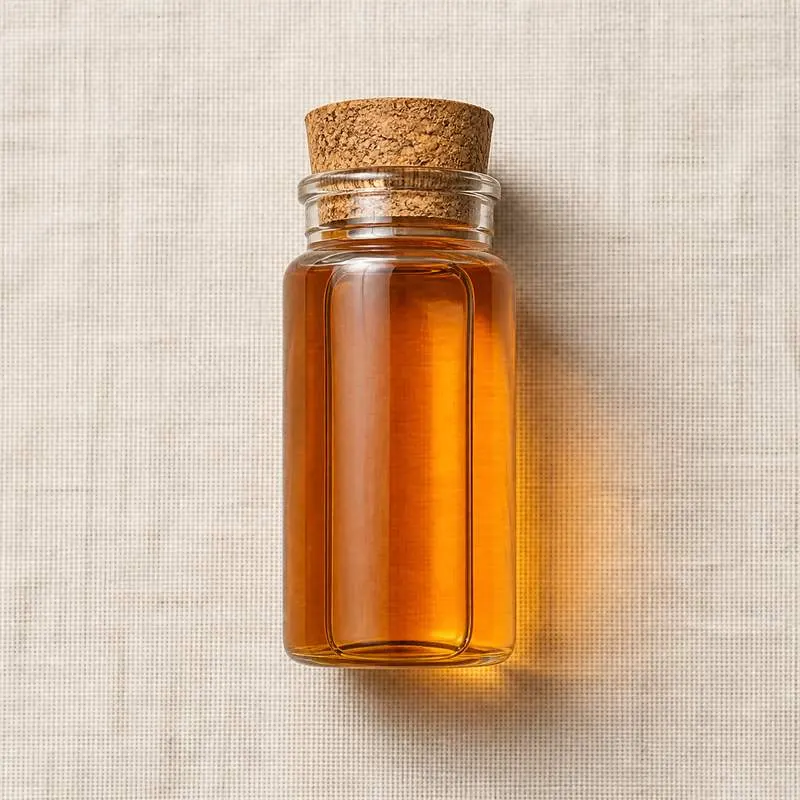
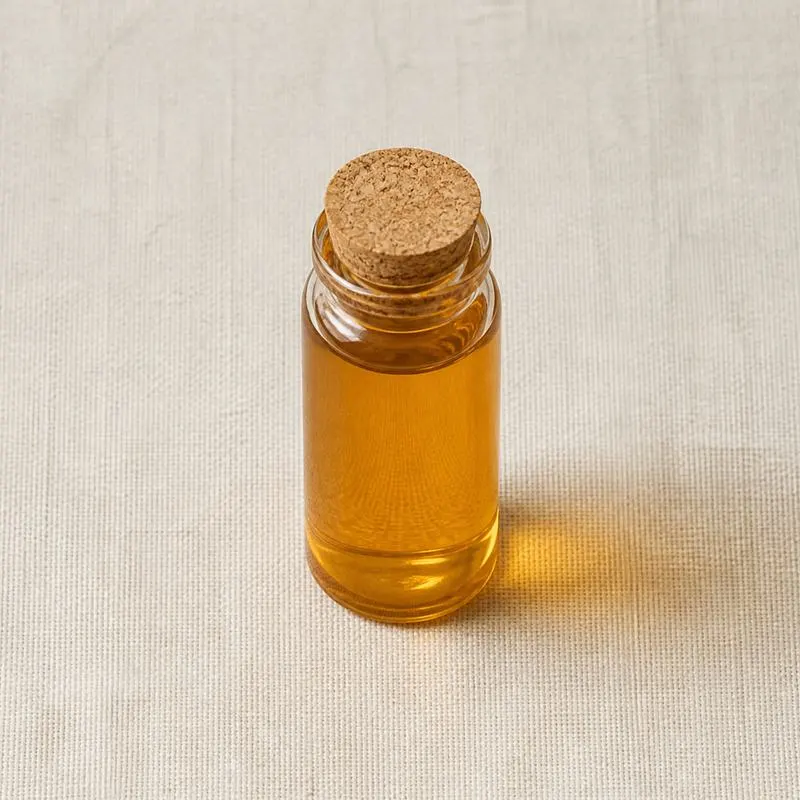
The extract is a clear dark brown liquid with a specific gravity close to that of the ethanol water mixture it is built on. It is fully water miscible at typical dosing levels, which is the practical reason it is preferred over an oleoresin in aqueous systems, but the ethanol carrier makes it unsuitable for chocolate and other continuous fat phases. Vanillin is volatile enough that prolonged open heating strips flavour, and the phenolic constituents darken under alkaline conditions, so the extract is added late and stored in filled dark containers.
We source bulk Vanilla Extract from top China manufacturers for our partners. The manufacturer is in Hainan. A smaller requirement can ship in a combined container with other ingredients.
Please send the grade you need, the volume and your destination port, and we will come back with a solution and a price.
or call +86-21-6858 0751
- Function
- Flavours and Aromas
Specifications
| Item | Specification |
|---|---|
| Appearance | Clear dark brown liquid, free of suspended matter |
| Odour and taste | Characteristic of cured vanilla bean, sweet and balsamic |
| Identification | Conforms to the reference chromatographic profile for vanillin and p hydroxybenzaldehyde |
| Vanillin content, single fold | Not less than 0.10 g per 100 ml |
| Ethanol content | Not less than 35.0% by volume |
| Total solids | 2.0 to 5.0% |
| Relative density at 20 degrees Celsius | 0.950 to 1.010 |
| pH | 3.5 to 5.0 |
| Ash | Not more than 0.5% |
| Lead | Not more than 1.0 mg/kg |
| Arsenic | Not more than 0.5 mg/kg |
| Total plate count | Not more than 100 cfu/ml |
| Yeast and mould | Not more than 10 cfu/ml |
| Salmonella | Absent in 25 ml |
Common Markets Grades
Strength is expressed in folds. Single fold extract is the base concentration defined by the extractive matter of a specified weight of beans per unit volume, and two fold, four fold and ten fold concentrates are made by extracting at higher bean loading or by removing solvent from a single fold liquor under vacuum. Beyond about four fold the material behaves as a concentrate for industrial compounding rather than a retail extract. Alongside fold, the vanillin content in grams per litre is the figure most buyers actually compare.
Composition gives the other splits. Pure vanilla extract contains only bean extractives, ethanol, water and optionally sugar or glycerol, while vanilla flavouring or vanilla extract with added vanillin carries supplementary vanillin and cannot be sold under the pure name in markets with a standard of identity. Alcohol reduced and alcohol free versions built on glycerol or propylene glycol are made for applications that cannot carry ethanol. Bean origin, organic certification and fair trade certification are declared separately, and extracts made from ground bean rather than whole bean, sometimes containing visible seed, are traded as a distinct presentation.
Applications
- Ice cream and frozen desserts, the single largest industrial outlet, dosed into the mix before pasteurisation and freezing
- Cakes, biscuits, sponges and batters, where the ethanol carrier disperses readily through a water containing dough
- Custards, puddings, creme patissiere and dairy desserts
- Flavoured milk, drinking yoghurt and dairy beverages
- Buttercreams, frostings and whipped toppings, added at the aeration stage
- Confectionery syrups, fondants and marshmallow
- Cream liqueurs, flavoured spirits and cocktail syrups, where the alcohol base is already compatible
- Retail baking extracts sold in small bottles for domestic use
- Vanilla flavour compounding, as the natural fraction blended with vanillin to reach a target profile at a controlled cost
Brands Using Vanilla Extract
Widely-distributed consumer products that list Vanilla Extract on the ingredient label.
- The Spice HouseVanilla Extract, Single Strength Madagascar ↗A pure vanilla extract made from Madagascar vanilla beans and sold for baking and dessert use.Label verified 2026-08-31
- The Spice HouseVanilla Extract, Mexican ↗A pure vanilla extract derived from Mexican vanilla orchids, described as carrying extra spice and raisin notes.Label verified 2026-08-31
- Curio Spice Co.Vanilla Extract, House-Made ↗A house made Madagascar vanilla extract aged three months in bourbon oak barrels, using vanilla pods sourced from the company's partner farm.Label verified 2026-08-31
- Terrasoul SuperfoodsProtein Bites, Fudgy Brownie ↗A cashew butter and date snack bite whose ingredient list names vanilla extract alongside pea protein, cacao powder and coconut nectar.Label verified 2026-08-31
Brand names, product names and logos are the property of their owners. They appear here as published evidence that the ingredient is used, taken from the brand's own label or website. Their appearance is not an endorsement, and it does not mean the brand buys from us or from any manufacturer listed on this site.
China Manufacturers of Vanilla Extract
Top Vanilla Extract manufacturers in China.

Company names and logos are the property of the manufacturers themselves. They are listed here because our own directory records them as producing this ingredient. A listing is not an endorsement by them, and we do not represent them or speak on their behalf.
Regulatory Status
In the United States vanilla extract is one of the few flavourings governed by a standard of identity, set out in 21 CFR Part 169, which defines it as the solution in aqueous ethanol of the extractive matter from a specified weight of vanilla beans per gallon and requires not less than thirty five percent ethanol by volume. Related standards in the same part define vanilla flavouring, concentrated vanilla extract, vanilla powder and vanilla sugar. A product carrying added vanillin cannot be labelled as pure vanilla extract and must be declared under the appropriate alternative name, and the whole class is a natural flavouring under the definitions in 21 CFR 101.22.
In the European Union vanilla extract is a flavouring preparation under Regulation (EC) No 1334/2008, obtained from a food by a physical process, and as such it needs no individual authorisation and may be described as natural vanilla flavouring only where the flavouring component comes exclusively from vanilla. There is no European standard of identity fixing fold, so strength is a matter of contract, and the ethanol used as extraction solvent falls under the extraction solvents directive. The extract carries no E number. Codex covers the raw material through a commodity standard for vanilla beans and the finished product through its general standards for labelling and for contaminants.
Manufacturing Process
The beans arrive fully cured, having been killed by hot water or sun exposure, sweated, slowly dried and conditioned over several months, which is when the enzymatic hydrolysis of glucovanillin releases free vanillin. At the extraction plant they are graded, checked for moisture and vanillin, and chopped or coarsely milled to open the pod without generating fines that would blind the filter.
The chopped bean is loaded into a percolation battery and washed with a mixture of ethanol and water, most commonly in the range of thirty five to fifty percent ethanol by volume, circulated at ambient or gently warmed temperature over a period of days. Counter current operation, in which fresh solvent meets the most exhausted bean and the strongest liquor meets fresh bean, raises the yield without diluting the product. The drawn liquor is held to mature for several weeks, a step that measurably rounds the flavour, then filtered through plate and depth filters to remove suspended bean solids. It is standardised to the target fold and ethanol content, polish filtered and filled into lined drums or dark glass, with concentrates first taken through low temperature vacuum evaporation.