Vanillin
Vanillin is the principal flavour compound of cured vanilla bean and the most widely consumed flavour molecule in the world after sugar and salt.
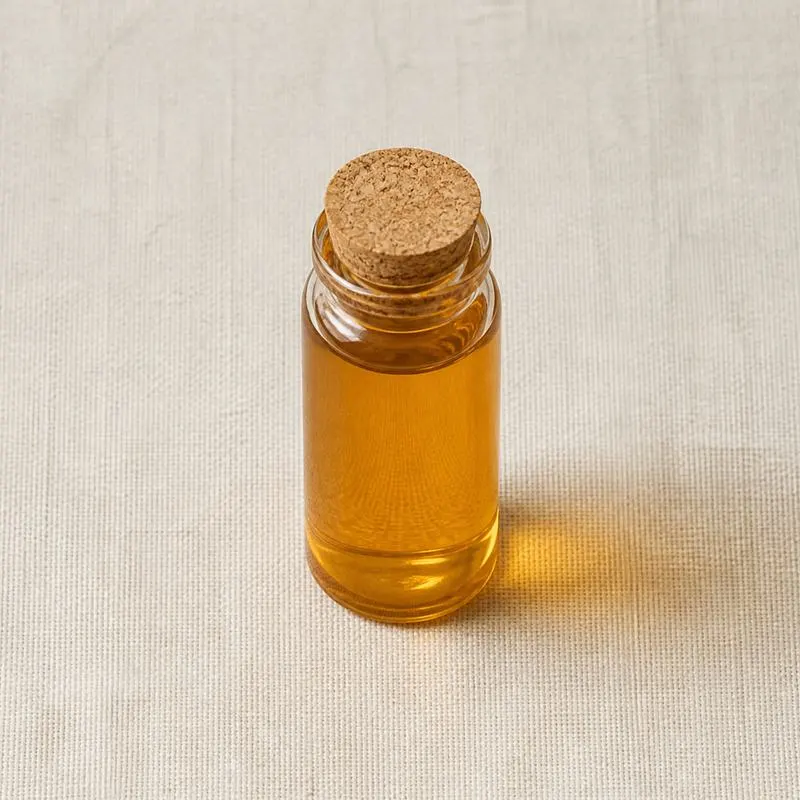
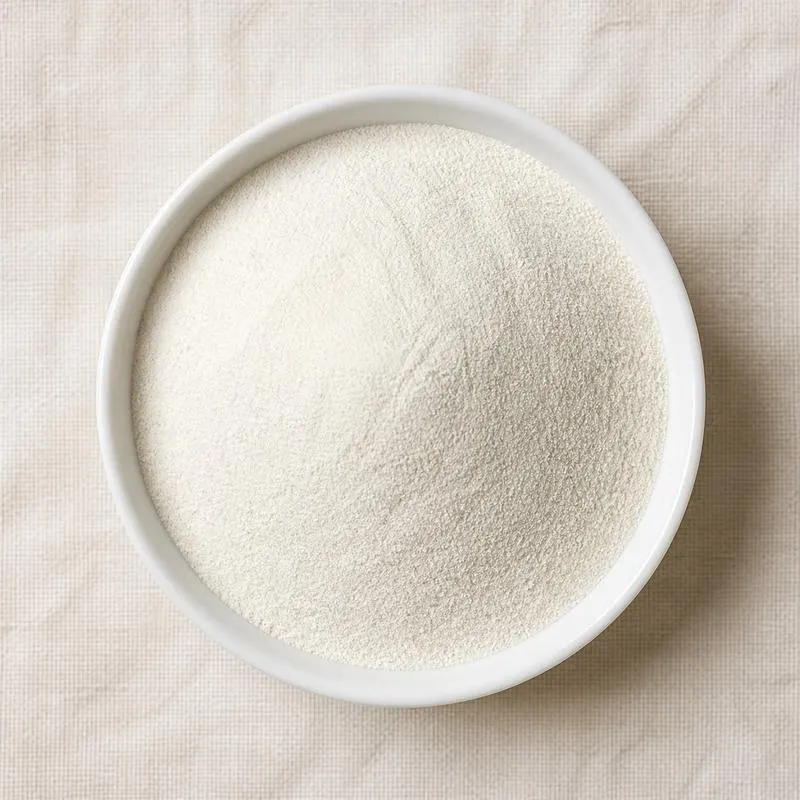
Its molecular formula is C₈H₈O₃ (molar mass 152.15 g/mol), and it presents as fine white to off-white needles or crystalline powder with a sweet, creamy, distinctly vanilla aroma. The vast majority of commercial supply is produced by chemical synthesis from guaiacol or from lignin recovered during wood pulping.
We source bulk Vanillin from top China manufacturers for our partners, working with several of them. The manufacturers are in Zhejiang, Sichuan and Guangdong. For this ingredient the minimum order is 1,000 kg and a 20-foot container takes 12 MT, and a smaller requirement can ship in a combined container with other ingredients.
Please send the grade you need, the volume and your destination port, and we will come back with a solution and a price.
or call +86-21-6858 0751
- Minimum order
- 1,000 kg
- Qty in 20' FCL
- 12 MT
- Packaging
- 25 kg galvanised drum, nitrogen blanketed
- ISO 9001
- HACCP
- Halal
- Kosher
Specifications
| Item | Specification |
|---|---|
| Appearance | White to slightly yellow crystalline powder or needles |
| Odour | Characteristic sweet vanilla, free of foreign notes |
| Assay (GC, anhydrous basis) | ≥ 99.0% |
| Melting Range | 81 °C to 83 °C |
| Loss on Drying | ≤ 0.5% |
| Residue on Ignition | ≤ 0.05% |
| Colour of Solution (1 g in 20 mL ethanol) | Clear, colourless to slightly yellow |
| 4-Hydroxybenzaldehyde | ≤ 0.1% |
| Total Related Substances | ≤ 1.0% |
| Solubility | Slightly soluble in cold water, soluble in hot water; freely soluble in ethanol, ether and chloroform |
| Particle Size | 20 to 60 mesh |
| Heavy Metals (as Pb) | ≤ 10 mg/kg |
| Lead (Pb) | ≤ 2 mg/kg |
| Arsenic (As) | ≤ 3 mg/kg |
| Shelf Life | 24 months |
Common Markets Grades
Vanillin is graded by purity, crystal form, and intended application.
Food grade vanillin at minimum 99.0 percent assay is the standard material for bakery, dairy, confectionery, and beverage use. It comes as fine crystalline powder or as larger granular crystals where slower dissolution and dust reduction are preferred.
Pharmaceutical grade material at 99.5 percent or higher complies with USP, BP, and Ph. Eur. monographs. It is used as a flavour masker in oral syrups, chewable tablets, and lozenges.
Spray-dried encapsulated grades on maltodextrin or modified starch carriers offer improved heat stability for retorted and extruded products. Coated and microencapsulated formats slow the release in chewing gum and long-cook applications.
Lignin-derived material and guaiacol-derived material are chemically identical but show small differences in trace impurity profiles, which some buyers use to distinguish sources.
Applications
- Chocolate and cocoa products including milk chocolate, dark chocolate couverture, and cocoa powder blends
- Bakery: cakes, biscuits, cookies, sweet doughs, and cream fillings
- Ice cream, frozen yogurt, and dairy desserts as the base note of vanilla profiles
- Beverages: vanilla-flavoured milk, ready-to-drink coffee, protein shakes, and cola formulations
- Confectionery: caramels, fudge, nougat, marshmallow, and panned sugar coatings
- Flavour compounding as a rounding note in fruit, nut, and brown flavour systems
- Yogurt cultures and flavoured fermented dairy
- Pharmaceutical syrups, lozenges, and pediatric oral suspensions as a taste masker
- Fragrance compounding in fine perfumery, soaps, and household care
- Tobacco flavouring for pipe and cigar casings
- Vanilla extracts and compound vanilla flavourings as a standardising ingredient
Brands Using Vanillin
Widely-distributed consumer products that list Vanillin on the ingredient label.
- Nutella (Ferrero)Nutella Hazelnut Spread ↗Official Nutella ingredient page: 'The vanillin in Nutella heightens and stabilizes the flavor and fragrance of our recipe.' Vanillin listed as one of the 7 ingredients (sugar, palm oil, hazelnuts, cocoa, milk, lecithin, vanillin)Label verified 2026-05-24
- Hershey'sHershey's Milk Chocolate Bar ↗SmartLabel ingredient list: sugar, milk, chocolate, cocoa butter, lactose, milk fat, soy lecithin, PGPR, vanillin (artificial flavour)Label verified 2026-05-24
- Hershey'sHershey's Chocolate Syrup ↗SmartLabel ingredient list includes high fructose corn syrup, corn syrup, water, cocoa, sugar, vanillin (artificial flavour)Label verified 2026-05-24
- Milka (Mondelēz)Milka Kuchen Cake ↗Official Milka product page ingredient list ends with 'natural vanilla flavoring... and vanillin'Label verified 2026-05-24
Brand names, product names and logos are the property of their owners. They appear here as published evidence that the ingredient is used, taken from the brand's own label or website. Their appearance is not an endorsement, and it does not mean the brand buys from us or from any manufacturer listed on this site.
China Manufacturers of Vanillin
Top Vanillin manufacturers in China.
 Brother Enterprises Holding Co., Ltd.11 ingredients in the directory
 Jiaxing Zhong Hua Chemical Co., Ltd.4 ingredients in the directory
 Ningbo Wanglong Technology Co., Ltd.7 ingredients in the directory
 Sichuan Ingia Biosynthetic Co., Ltd.5 ingredients in the directory
 Zhaoqing Perfumery Co., Ltd.4 ingredients in the directory
Company names and logos are the property of the manufacturers themselves. They are listed here because our own directory records them as producing this ingredient. A listing is not an endorsement by them, and we do not represent them or speak on their behalf.
How We Help Source Vanillin
Direct Factory Sourcing
We run the whole process: selecting the manufacturer from the top Chinese food ingredient producers, negotiating the price, verifying quality, and coordinating the logistics. You deal with us instead of with several factories at once.
Original Packaging and Documents from the Manufacturer
The manufacturer sends your Vanillin out of its own factory in the original packing, through to your destination port. The COA, COO, MSDS, TDS and any certifications reach you from the manufacturer as well.
Free Samples and Lead Time
We send 100 to 500 g free for your own laboratory to test and you cover only the courier, usually within 2 to 3 working days. ETD is usually within 7 to 15 days once the order is confirmed, and we check that date against the factory's own manufacturing schedule before we give it to you.
Combined Shipment
We can load Vanillin together with other ingredients such as Capsicum Oleoresin, Ethyl Maltol and White Pepper into one 20' FCL. If your quantity is small, we can also ship LCL.
Regulatory Status
Vanillin is permitted as a flavouring substance in essentially all regulated markets.
In the European Union it is listed in the Union flavouring list under FL number 05.018 and is approved for general food use without quantitative restriction beyond good manufacturing practice. It is not assigned an E number because it functions as a flavour rather than an additive.
The U.S. Food and Drug Administration recognises vanillin as Generally Recognized as Safe under 21 CFR 182.60 for flavour use. FEMA assigns it GRAS number 3107.
JECFA has evaluated vanillin and placed it in the group of flavouring substances of no safety concern at current intake levels.
Pharmacopoeial monographs appear in the United States Pharmacopeia, the European Pharmacopoeia, the British Pharmacopoeia, and the Japanese Pharmacopoeia. Kosher and Halal certification is routinely available.
Manufacturing Process
Two synthetic routes dominate global vanillin manufacture.
The guaiacol route condenses guaiacol with glyoxylic acid in alkaline solution to produce mandelic acid intermediates, which are then oxidised and decarboxylated to vanillin. Plants operated by Solvay (formerly Rhodia) in France and by Borregaard in Norway use variants of this chemistry, with Solvay starting from petrochemical guaiacol and Borregaard starting from wood lignin.
The lignin route hydrolyses the lignosulfonate stream from sulphite pulping under alkaline oxidation, cleaving the polymer at its guaiacyl and syringyl linkages. Vanillin is recovered by acidification, solvent extraction, and crystallisation. This is the oldest industrial route, dating to the 1930s.
A smaller share of supply comes from biotechnological conversion of ferulic acid by selected microbes, sold under a separate natural-vanillin designation. True vanilla bean extract supplies less than one percent of global vanillin demand by mass.