3-L-Menthoxypropane-1,2-diol
3-l-Menthoxypropane-1,2-diol is a menthol ether cooling agent, formed by attaching a glycerol derived diol to the oxygen of levomenthol. The menthyl group retains the ability to activate the cold sensitive TRPM8 receptor, while the two hydroxyl groups on the propane chain raise polarity and drop volatility, so the molecule cools without carrying menthol's characteristic smell.
The practical consequence is a cooling effect that is slower to appear, far longer lasting and almost odourless. Where menthol gives an immediate hit that fades within minutes, this compound builds over half a minute or so and holds for a substantially longer period, and it is felt on the surface of the tongue, lips and skin rather than in the nasal passage. Formulators commonly pair the two so that menthol supplies the onset and the ether the tail.
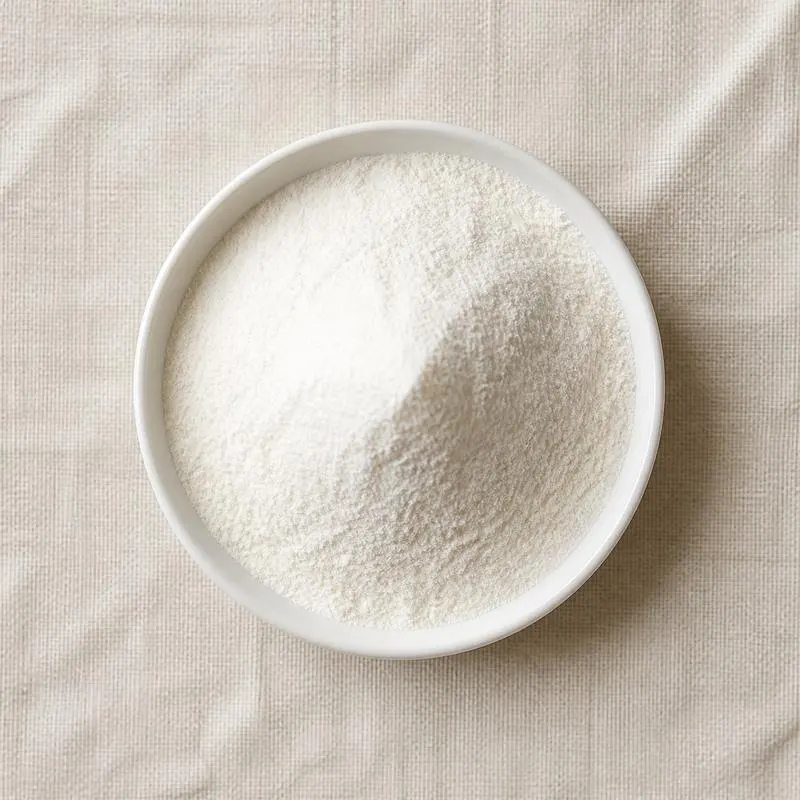
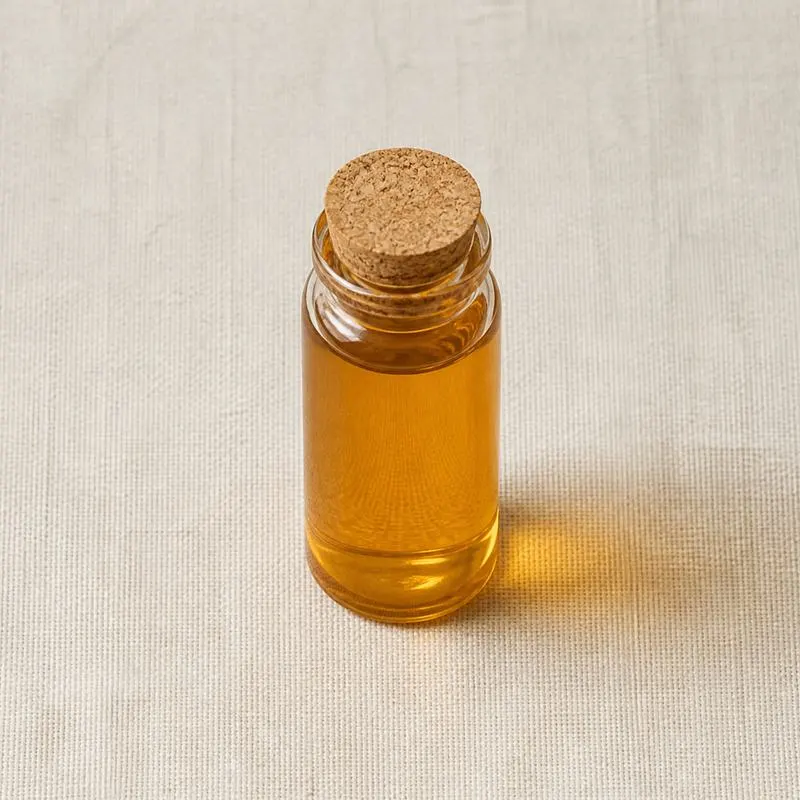
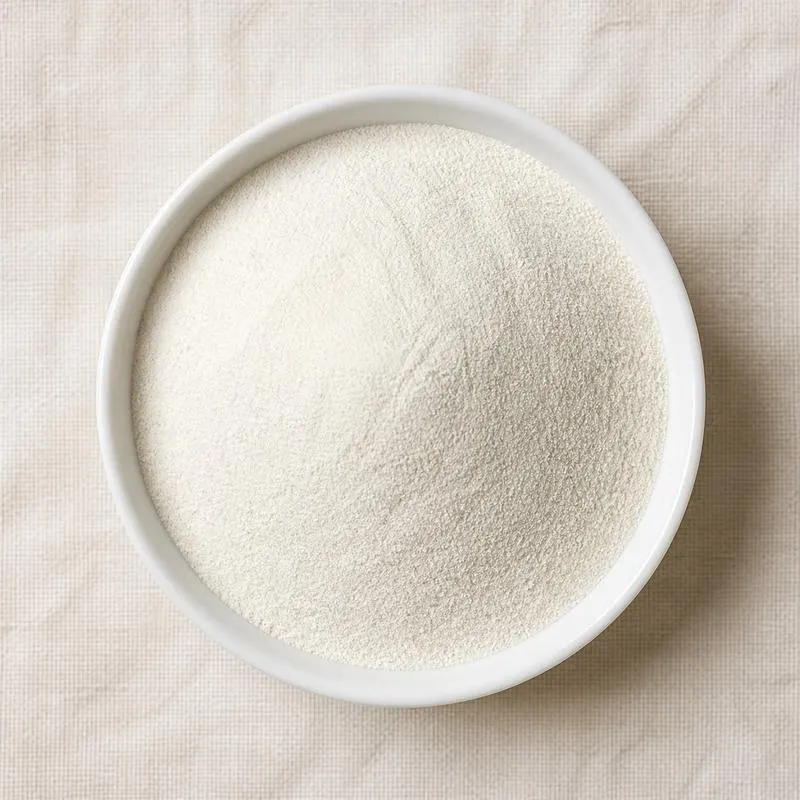
The material is a white crystalline powder melting near eighty degrees. It is sparingly soluble in water, considerably more so than menthol itself, and freely soluble in ethanol, propylene glycol and glycerol, which allows it to be used in aqueous oral care and beverage systems where menthol is difficult to keep in solution. It is chemically stable, non volatile at ambient temperature and does not sublime out of a product during storage.
We source bulk 3-L-Menthoxypropane-1,2-diol from top China manufacturers for our partners. A smaller requirement can ship in a combined container with other ingredients.
Please send the grade you need, the volume and your destination port, and we will come back with a solution and a price.
or call +86-21-6858 0751
- Function
- Flavours and Aromas
Specifications
| Item | Specification |
|---|---|
| Appearance | White crystalline powder |
| Odour | Odourless to very faint minty |
| Assay by Gas Chromatography | Not less than 98.0% |
| Free Menthol | Not more than 0.5% |
| Related Substances | Not more than 2.0% total |
| Melting Range | 76 C to 82 C |
| Specific Optical Rotation | Minus 60 degrees to minus 75 degrees, 1% in ethanol |
| Loss on Drying | Not more than 0.5% |
| Residue on Ignition | Not more than 0.1% |
| Solubility | Sparingly soluble in water, freely soluble in ethanol and propylene glycol |
| Residual Solvent | Not more than 500 mg/kg total |
| Heavy Metals as Lead | Not more than 10 mg/kg |
| Lead | Not more than 1.0 mg/kg |
| Arsenic | Not more than 0.5 mg/kg |
Common Markets Grades
The compound is traded in a single chemical specification, a white crystalline powder at ninety eight percent or better, and the differences between offers lie in particle size, in optical purity and in documentation rather than in assay. The levo configuration inherited from the menthol starting material is essential to the cooling effect, so optical rotation is a routine release test and material made from racemic menthol is a different and much weaker product.
Physical presentation and dilution set the commercial range. A milled powder is used where rapid dissolution matters, a coarser crystal where dust control is the concern. Solutions at ten to fifty percent in propylene glycol, glycerol or ethanol are the working form for flavour and oral care compounders, and spray dried powders on a maltodextrin carrier are made for dry blends. Blends with other cooling actives are common, since the agents differ in onset and duration and are combined to shape the sensory curve.
Applications
- Toothpaste and mouthwash, where the long cooling tail is read by consumers as lasting freshness
- Chewing gum, extending the cooling well past the point at which the menthol has been chewed out
- Confectionery and mints, giving intensity without adding to the mint odour load
- Beverages and flavoured waters, using the higher water solubility relative to menthol
- Oral care strips, films and gels, which need sensation without a heavy aroma
- Skin care, aftershave and shaving preparations, for a sustained cooling feel
- Shampoo and scalp treatments, where cooling is a functional claim in its own right
- Antiperspirants and body sprays, in fragrance directions that menthol odour would disturb
- Wet wipes, cooling towels and refreshing tissues, where low volatility keeps the effect through pack life
China Manufacturers of 3-L-Menthoxypropane-1,2-diol
Top 3-L-Menthoxypropane-1,2-diol manufacturers in China.
Company names and logos are the property of the manufacturers themselves. They are listed here because our own directory records them as producing this ingredient. A listing is not an endorsement by them, and we do not represent them or speak on their behalf.
Regulatory Status
In the United States the substance holds FEMA GRAS status as a flavouring and is used on that basis in food, confectionery and oral care, with the FEMA expert panel having assessed the cooling compounds as a group. Its use in cosmetics and topical products sits outside food law and is governed by cosmetic ingredient regulations in the market concerned.
In the European Union the question that matters is whether the substance appears on the Union list of authorised flavouring substances, which is the clearance required for use as a flavouring in food. The synthetic cooling agents have been evaluated individually and their listing status has changed over time, so the current entry should be verified before a food application is formulated. No E number applies, since flavourings fall outside the food additive framework. JECFA has considered menthol derivatives within its evaluations of alicyclic alcohols and their ethers and esters.
Manufacturing Process
The compound is made by opening an epoxide with levomenthol. Menthol is charged with a base catalyst, commonly an alkali hydroxide or an alkoxide, and reacted with glycidol, whose strained three membered ring is opened by the menthol oxygen to give the ether with the diol already in place. An alternative route reacts menthol with epichlorohydrin to give the chlorohydrin ether, which is then treated with alkali to form the glycidyl ether and hydrolysed to the same diol; this path is cheaper in raw materials but adds a step and requires careful removal of chlorinated residues.
The reaction mass is neutralised and washed with water to remove catalyst and salts, and unreacted menthol is stripped under vacuum and recovered for reuse, since it is the expensive input. The crude product is then crystallised from a solvent such as a hydrocarbon or an alcohol and water mixture, and the crystals are centrifuged, washed and recrystallised where the assay requires it. Final drying is under vacuum below the melting point, after which the solid is milled to the specified particle size, sieved and packed into lined drums or fibre kegs.