Maltodextrin
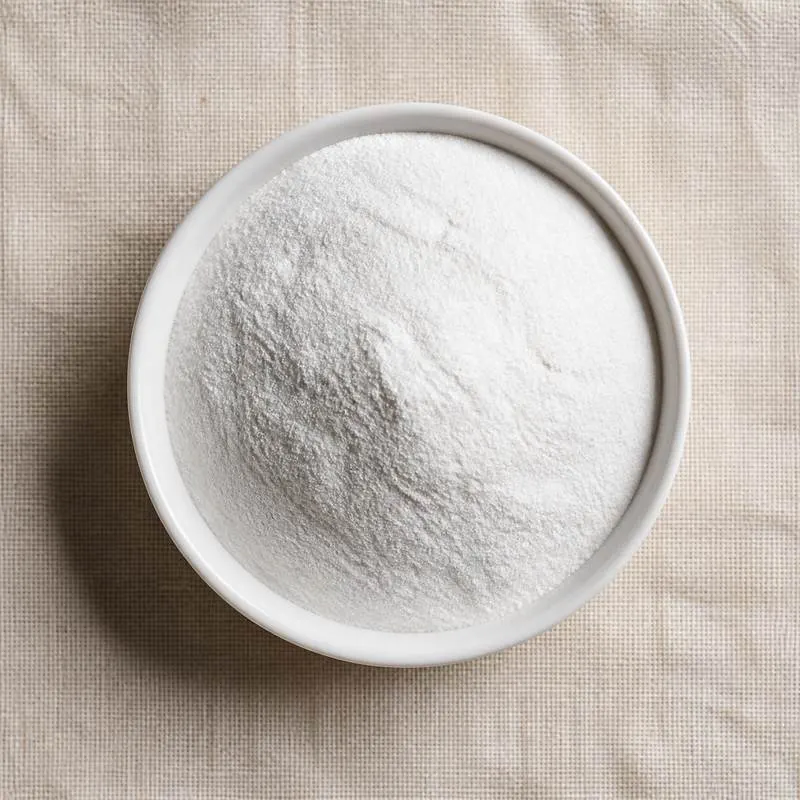
Maltodextrin is a partially hydrolysed starch product composed of short chains of D-glucose units linked by α-1,4 and a small fraction of α-1,6 bonds.
It is defined by a dextrose equivalent (DE) between 3 and 20, which places it between native starch and glucose syrup on the hydrolysis continuum. The most widely traded grades sit in the DE 10 to 20 window.
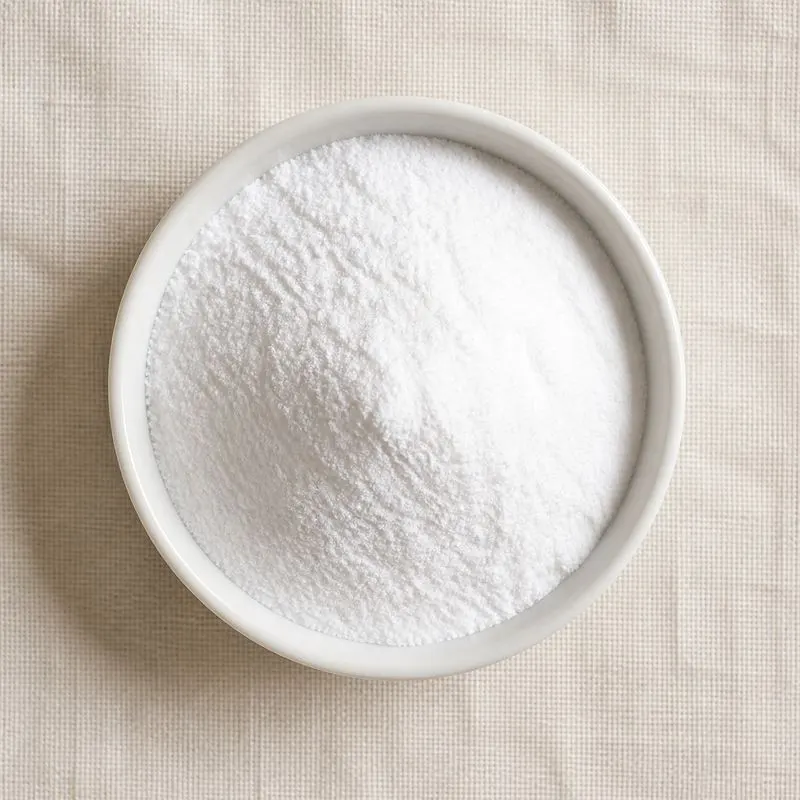
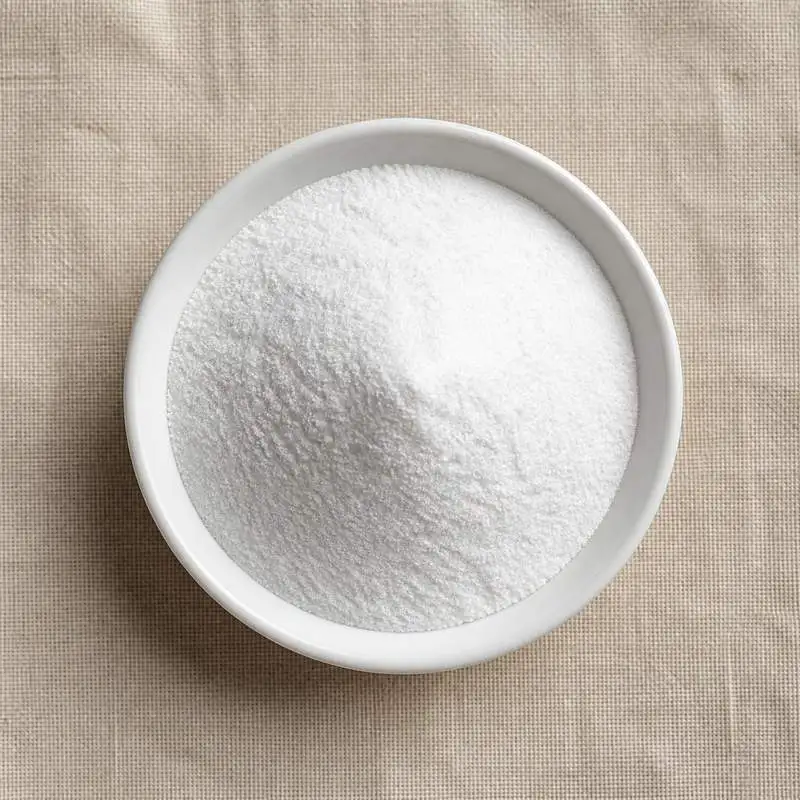
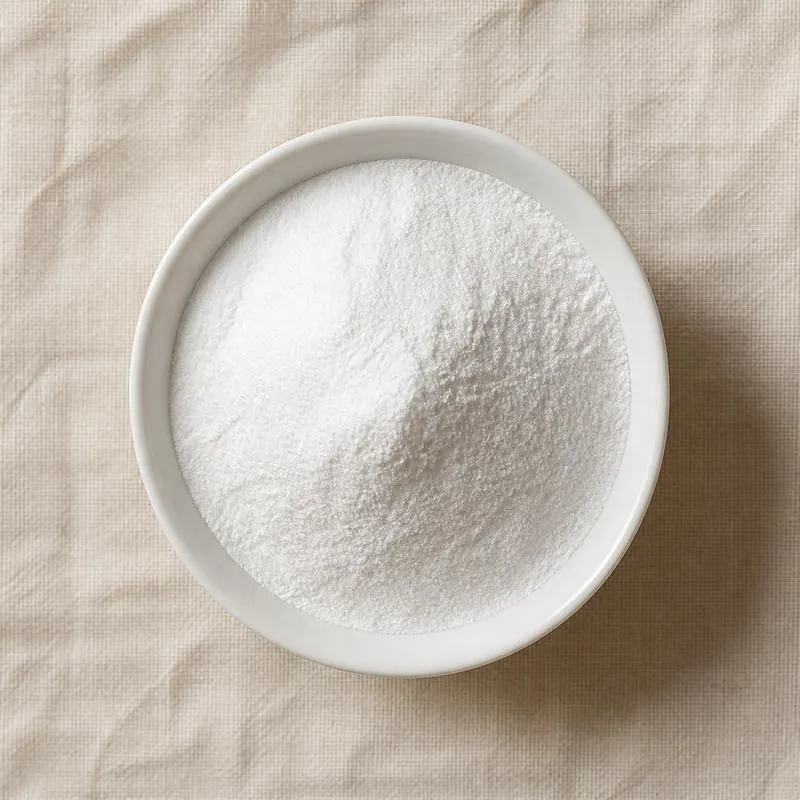
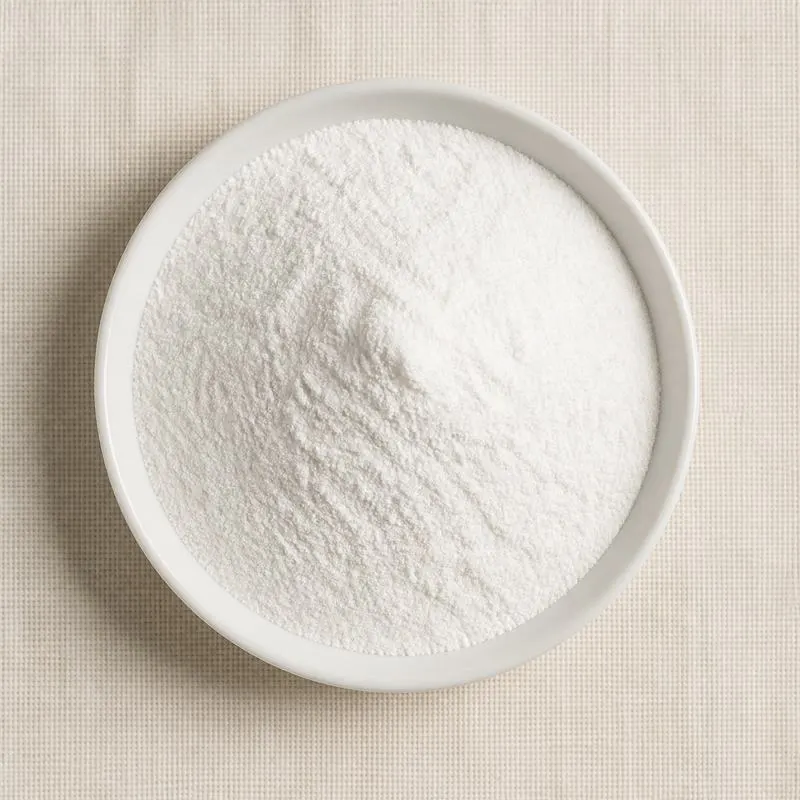
The powder is bland, mildly sweet, and freely water-dispersible, which is why it functions across food, beverage, nutrition, and pharmaceutical bases as a bulking agent, carrier, and viscosity modifier.
We source bulk Maltodextrin from top China manufacturers for our partners, working with several of them. The manufacturers are mostly in Shandong, Hebei and Henan. For this ingredient the minimum order is 10,000 kg and a 20-foot container takes 16 MT, and a smaller requirement can ship in a combined container with other ingredients.
Please send the grade you need, the volume and your destination port, and we will come back with a solution and a price.
or call +86-21-6858 0751
- Minimum order
- 10,000 kg
- Qty in 20' FCL
- 16 MT
- Packaging
- 25 kg kraft paper bag with PE inner liner
- ISO 9001
- HACCP
- Halal
- Kosher
Specifications
| Item | Specification |
|---|---|
| Appearance | White powder |
| Assay/Purity | ≥ 98% |
| Loss on Drying | ≤ 5% |
| Moisture | ≤ 5% |
| pH | 4.5-7.0 |
| Heavy Metals | ≤ 10 mg/kg |
| Lead | ≤ 1 mg/kg |
| Arsenic | ≤ 0.5 mg/kg |
| Residue on Ignition | ≤ 0.5% |
| Total Plate Count | ≤ 1000 cfu/g |
| Yeast & Mold | ≤ 100 cfu/g |
| E.Coli | Negative |
| Salmonella | Negative |
| Shelf life | 18 months |
Common Markets Grades
Maltodextrin is graded primarily by DE value and source starch.
DE 10 to 12 grades offer low hygroscopicity, mild body, and good film-forming behaviour. They are favored in spray-drying carrier applications and seasoning blends.
DE 15 to 18 grades carry slightly more sweetness and solubility and are the standard choice for sports nutrition, infant formula, and table-top sweetener cuts.
DE 19 to 20 grades approach glucose-syrup behaviour and are used where fast dissolution and higher osmolality are desired, such as enteral nutrition.
Source starches include corn (most common globally), tapioca (preferred for clean label and allergen reduction), wheat, potato, and rice. Tapioca and rice variants serve gluten-free and hypoallergenic positioning.
Agglomerated and instantized grades are produced for direct-stir applications, and specialty low-dust grades exist for dry-blend operations.
Applications
- Carrier for spray-dried flavours, colours, and fat-encapsulated ingredients
- Bulking agent in low-calorie sweetener blends and table-top tablets
- Body and mouthfeel modifier in soft drinks, sports drinks, and powdered beverage mixes
- Carbohydrate base in infant formula and clinical nutrition products
- Energy carrier in sports gels, recovery drinks, and pre-workout formulations
- Viscosity and texture aid in soups, sauces, dressings, and processed meats
- Coating and glazing aid for confectionery and bakery surfaces
- Tablet binder, granulation aid, and direct-compression filler in pharmaceuticals
- Cryoprotectant in frozen desserts and freeze-dried products
- Film-former in batter and breading systems for fried foods
- Fermentation substrate in brewing and microbial culture media
Brands Using Maltodextrin
Widely-distributed consumer products that list Maltodextrin on the ingredient label.
- Lay'sLay's Wavy Salt & Pepper Flavored Potato Chips ↗Ingredient list includes 'maltodextrin (made from corn)' as part of the Salt & Pepper Seasoning.Label verified 2026-05-24
- DoritosDoritos Flamas Flavored Tortilla Chips ↗Ingredient list includes 'maltodextrin (made from corn)' as part of the seasoning.Label verified 2026-05-24
- CheetosCheetos Flamin' Hot Popcorn Flavored Snacks ↗Ingredient list includes 'maltodextrin (made from corn)' as part of the Flamin' Hot Seasoning.Label verified 2026-05-24
- TostitosTostitos Black Bean & Garlic Tortilla Chips ↗Tortilla chips listing 'maltodextrin (made from corn)' among their ingredients.Label verified 2026-05-24
- SplendaSplenda No Calorie Sweetener Packets ↗Ingredients: 'Dextrose, Maltodextrin, Splenda Sucralose.'Label verified 2026-05-24
- PringlesPringles Mingles Jalapeno & Queso Puffed Snacks ↗Maltodextrin listed among ingredients (contained in 2% or less of the product).Label verified 2026-05-24
Brand names, product names and logos are the property of their owners. They appear here as published evidence that the ingredient is used, taken from the brand's own label or website. Their appearance is not an endorsement, and it does not mean the brand buys from us or from any manufacturer listed on this site.
China Manufacturers of Maltodextrin
Top Maltodextrin manufacturers in China.
 Henan Feitian Biotechnology Co., Ltd.11 ingredients in the directory
 Luzhou Bio-chem Technology (Shandong) Co., Ltd.9 ingredients in the directory
 Qingyuan Foodstuff Co., Ltd.9 ingredients in the directory
 Qinhuangdao Lihua Starch Co., Ltd.11 ingredients in the directory
 Shandong Fullsail Biotechnology Co., Ltd.3 ingredients in the directory
 Shijiazhuang Huiyuan Starch Co., Ltd.7 ingredients in the directory
 Zhaoqing Huanfa Biotechnology Co., Ltd.10 ingredients in the directory
Company names and logos are the property of the manufacturers themselves. They are listed here because our own directory records them as producing this ingredient. A listing is not an endorsement by them, and we do not represent them or speak on their behalf.
How We Help Source Maltodextrin
Direct Factory Sourcing
We run the whole process: selecting the manufacturer from the top Chinese food ingredient producers, negotiating the price, verifying quality, and coordinating the logistics. You deal with us instead of with several factories at once.
Original Packaging and Documents from the Manufacturer
The manufacturer sends your Maltodextrin out of its own factory in the original packing, through to your destination port. The COA, COO, MSDS, TDS and any certifications reach you from the manufacturer as well.
Free Samples and Lead Time
We send 100 to 500 g free for your own laboratory to test and you cover only the courier, usually within 2 to 3 working days. ETD is usually within 7 to 15 days once the order is confirmed, and we check that date against the factory's own manufacturing schedule before we give it to you.
Combined Shipment
We can load Maltodextrin together with other ingredients such as Fructooligosaccharides, Dextrose and Dextrose Monohydrate into one 20' FCL. If your quantity is small, we can also ship LCL.
Regulatory Status
Maltodextrin is recognised as a food ingredient in essentially every regulated market and does not carry an E number, as it is treated as a starch derivative rather than an additive.
The U.S. FDA considers it GRAS under 21 CFR 184.1444. The European food authorities classify it as a food, not an additive.
Pharmacopoeial monographs appear in the USP-NF and the European Pharmacopoeia under the name Maltodextrin.
Kosher, Halal, non-GMO, and organic-certified variants are widely available depending on source starch.
Manufacturing Process
Maltodextrin is produced by controlled hydrolysis of food starch.
Native starch slurry is gelatinized, then partially depolymerized with thermostable α-amylase (acid hydrolysis is an older alternative). The reaction is stopped at the target DE by enzyme inactivation.
The hydrolysate is purified through carbon treatment and ion-exchange refining, then concentrated by evaporation.
The concentrate is spray-dried into a free-flowing white powder. Agglomeration in a fluid bed adds rapid wettability for instant applications.