Acetoin
Acetoin is the classic buttery dairy aroma compound used in margarine, butter, and cream flavourings. CAS 513-86-0.
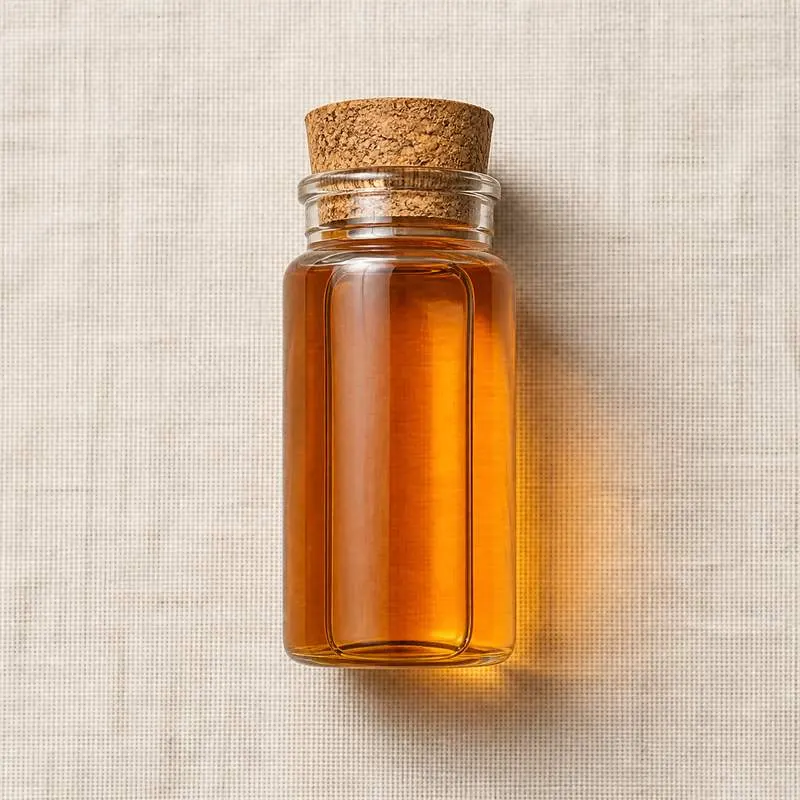
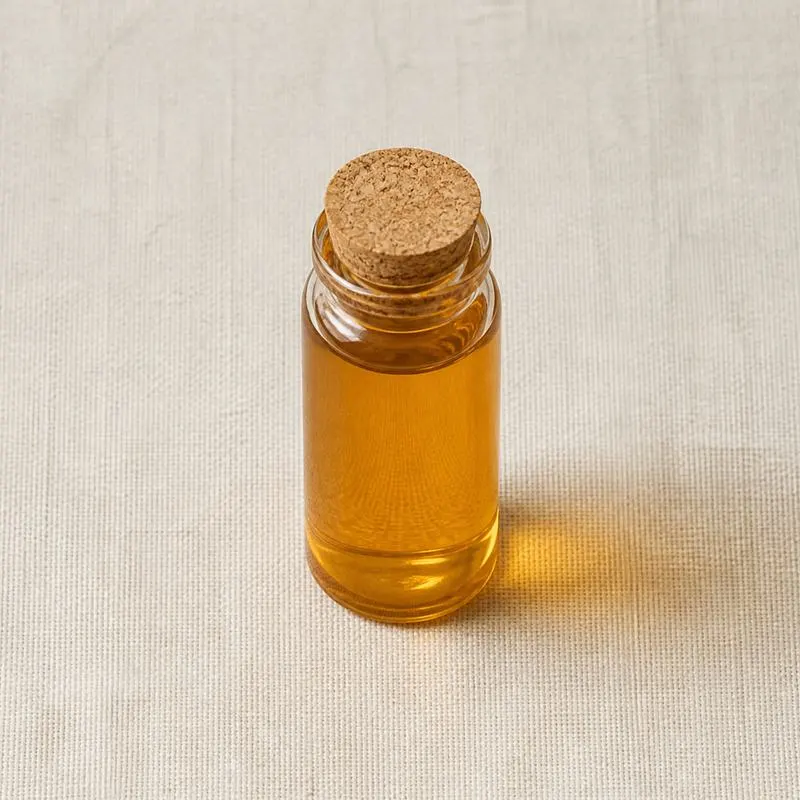
The molecule is 3-hydroxy-2-butanone, formula C₄H₈O₂, molar mass 88.11 g/mol. The pure material is a yellowish liquid or low-melting solid that exists in equilibrium with its colourless dimer at room temperature.
We source bulk Acetoin from top China manufacturers for our partners. The manufacturer is in Hunan. A smaller requirement can ship in a combined container with other ingredients.
Please send the grade you need, the volume and your destination port, and we will come back with a solution and a price.
or call +86-21-6858 0751
- Packaging
- 250 kg plastic drum or 1,000 kg IBC tote
- ISO 9001
- HACCP
- Halal
- Kosher
Specifications
| Item | Specification |
|---|---|
| Appearance | Colourless to pale yellow liquid |
| Odour | Characteristic buttery, creamy, dairy |
| Assay (GC) | ≥ 96.0% |
| Identification (IR) | Conforms to reference spectrum |
| Specific Gravity (20°C) | 0.997-1.012 |
| Refractive Index (20°C) | 1.416-1.420 |
| Boiling Range | 145-150°C |
| Diacetyl Content (GC) | ≤ 1.0% |
| Acid Value | ≤ 1.0 mg KOH/g |
| Water (Karl Fischer) | ≤ 1.0% |
| Solubility | Miscible with water, ethanol and propylene glycol |
| Heavy Metals (as Pb) | ≤ 10 mg/kg |
| Lead | ≤ 2 mg/kg |
| Arsenic | ≤ 3 mg/kg |
| Shelf Life | 12 months cold and under nitrogen in sealed original container |
Common Markets Grades
Acetoin has two physical forms in commerce.
The monomeric liquid grade is around 95 percent assay and is favored when the formulator wants the strongest open butter note. The material may darken on storage and is best kept cold and under nitrogen.
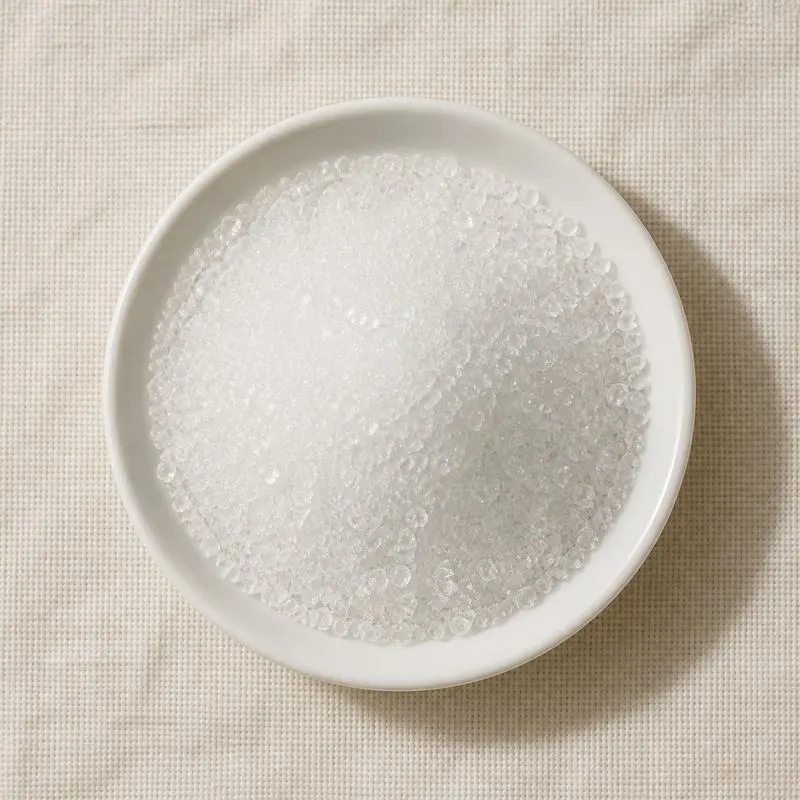
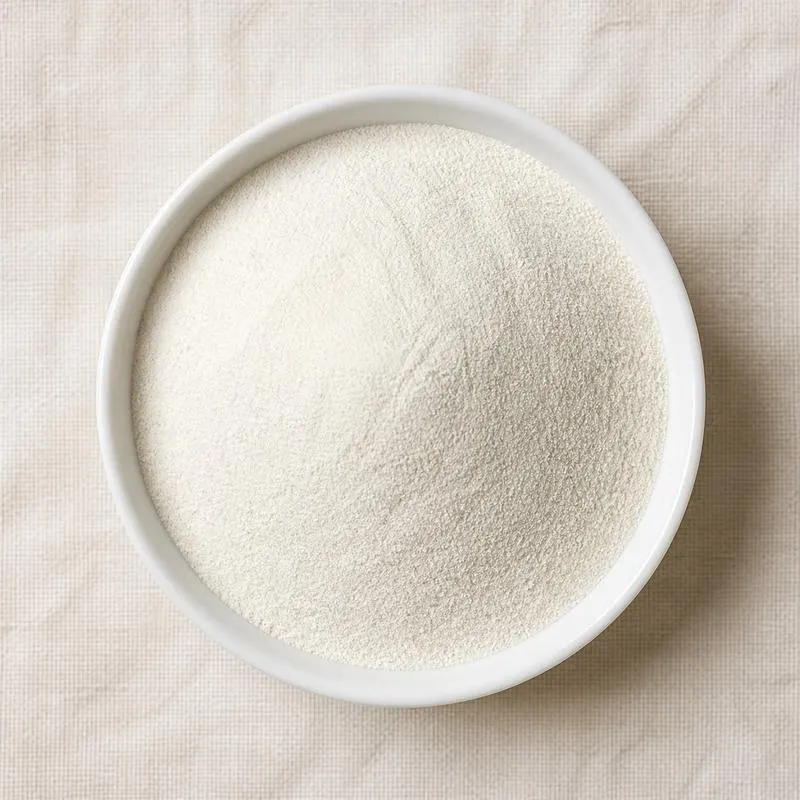
The dimeric crystalline grade is 98 percent minimum and is a free-flowing white powder. It dissociates to the active monomer on dilution in aqueous or alcoholic systems, giving the same butter character with much better handling and shelf stability.
Both natural and synthetic source variants are produced. The natural grade is bio-fermented from sugar and is widely used for clean-label dairy reconstitutions.
Applications
- Butter, cream, and margarine flavour bases
- Cultured dairy reconstitutions including yogurt, sour cream, and cheese
- Popcorn butter flavours and savory snack seasonings
- Bakery and pastry flavourings for a creamy back-note
- Caramel, fudge, and toffee profiles
- Brown-flavour reactions where it participates in Maillard chemistry to form pyrazines
- Wine and beer character compounds, present naturally from malolactic fermentation
- Vanilla and white chocolate accords for body
- Coffee creamer and non-dairy whitener flavours
- Cosmetic and personal care butter-cream fragrance accords
China Manufacturers of Acetoin
Top Acetoin manufacturers in China.
Company names and logos are the property of the manufacturers themselves. They are listed here because our own directory records them as producing this ingredient. A listing is not an endorsement by them, and we do not represent them or speak on their behalf.
How We Help Source Acetoin
Direct Factory Sourcing
We run the whole process: selecting the manufacturer from the top Chinese food ingredient producers, negotiating the price, verifying quality, and coordinating the logistics. You deal with us instead of with several factories at once.
Original Packaging and Documents from the Manufacturer
The manufacturer sends your Acetoin out of its own factory in the original packing, through to your destination port. The COA, COO, MSDS, TDS and any certifications reach you from the manufacturer as well.
Free Samples and Lead Time
We send 100 to 500 g free for your own laboratory to test and you cover only the courier, usually within 2 to 3 working days. ETD is usually within 7 to 15 days once the order is confirmed, and we check that date against the factory's own manufacturing schedule before we give it to you.
Combined Shipment
We can load Acetoin together with other ingredients such as Capsicum Oleoresin, Ethyl Maltol and White Pepper into one 20' FCL. If your quantity is small, we can also ship LCL.
Regulatory Status
Acetoin is an approved flavouring substance in major markets.
It carries FEMA GRAS number 2008 and FLAVIS number 07.052. The European Union has it on the Union list of authorised flavourings.
The U.S. Food and Drug Administration lists acetoin as a synthetic flavouring substance under 21 CFR 172.515 and recognises its natural occurrence in fermented dairy.
JECFA has evaluated acetoin and placed it in a group of short-chain aliphatic hydroxy ketones with no safety concern at current intake levels.
Kosher, Halal, and non-GMO documentation is routinely available for the fermentation-source grade.
Manufacturing Process
Acetoin is produced industrially by both chemical and fermentation routes.
The synthetic route condenses two molecules of acetaldehyde under a thiamine-like catalyst, or alternatively partially hydrogenates diacetyl. Vacuum distillation gives the liquid monomer, and slow cooling under solvent crystallises the dimer.
The fermentation route uses bacteria such as Bacillus subtilis, Bacillus amyloliquefaciens, or engineered Lactococcus strains. Sugar substrates are converted via pyruvate and α-acetolactate to acetoin. Downstream solvent extraction and distillation deliver a natural-source product.
Acetoin is closely linked to diacetyl in the dairy fermentation pathway. Reducing the residual diacetyl to acetoin is one of the key flavour maturation steps in lager beer and cultured butter.