Akkermansia Muciniphila Akk Probio
Akkermansia muciniphila is a Gram negative, strictly anaerobic bacterium of the phylum Verrucomicrobiota that lives in the mucus layer lining the intestine. It is unusual among gut organisms in living on host mucin rather than on dietary carbohydrate, degrading the glycoprotein for carbon and nitrogen and releasing short chain fatty acids that other members of the community and the host epithelium use. In a healthy adult it commonly accounts for a small but consistent percentage of the faecal microbiota.
Commercial interest follows from repeated observations that its abundance is lower in people with obesity, type 2 diabetes and inflammatory bowel conditions, and from work on the outer membrane protein Amuc_1100, which interacts with Toll like receptor 2 and appears to account for much of the effect on gut barrier integrity. That protein is heat stable at pasteurisation temperature, which produced the finding that separated this organism commercially from the rest of the probiotic field: a pasteurised, non viable preparation retained and in some measures exceeded the effect of the live culture.
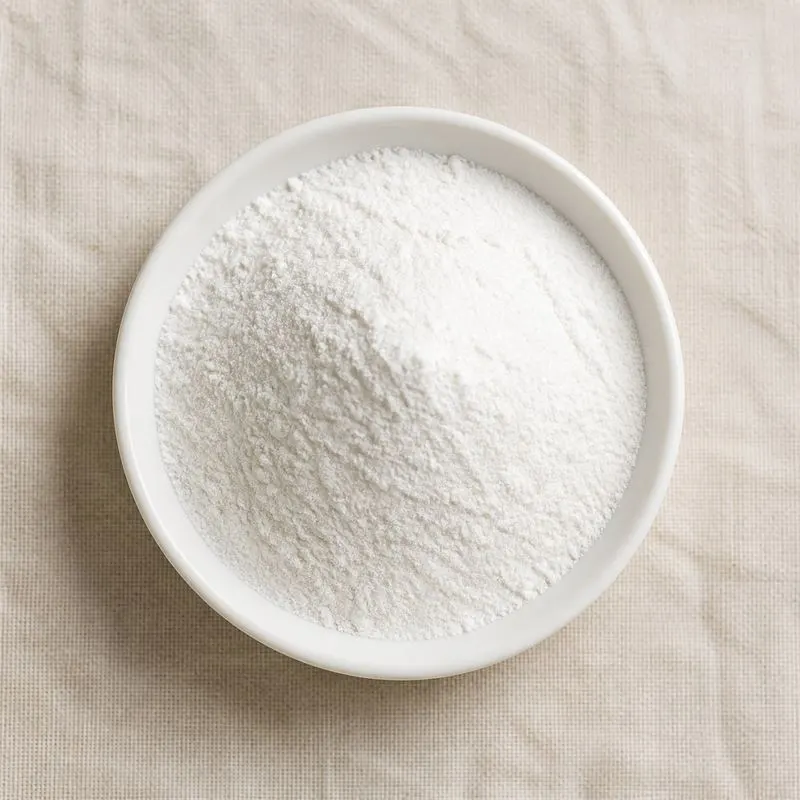
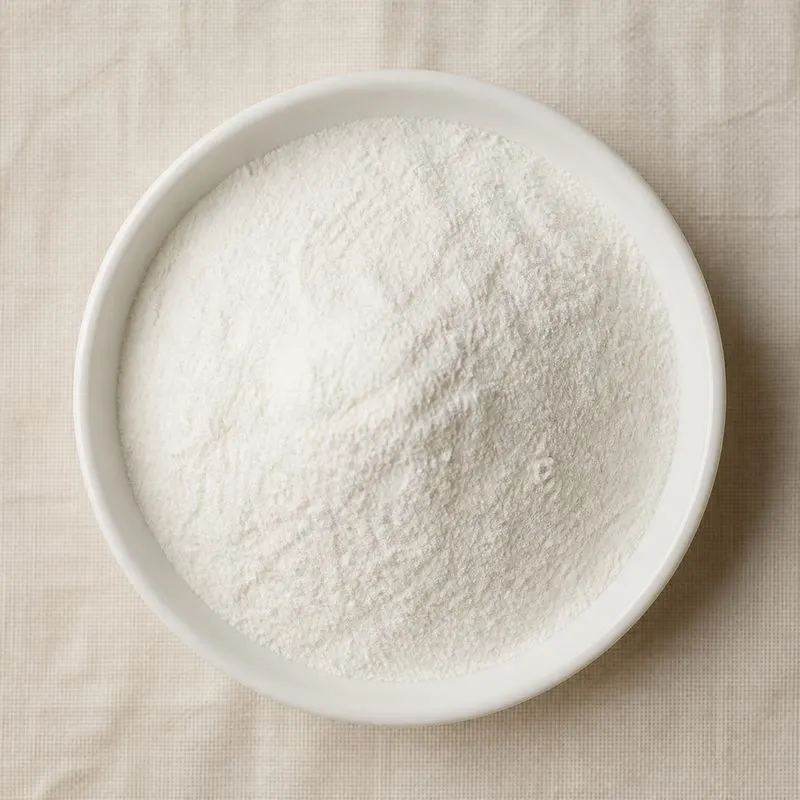
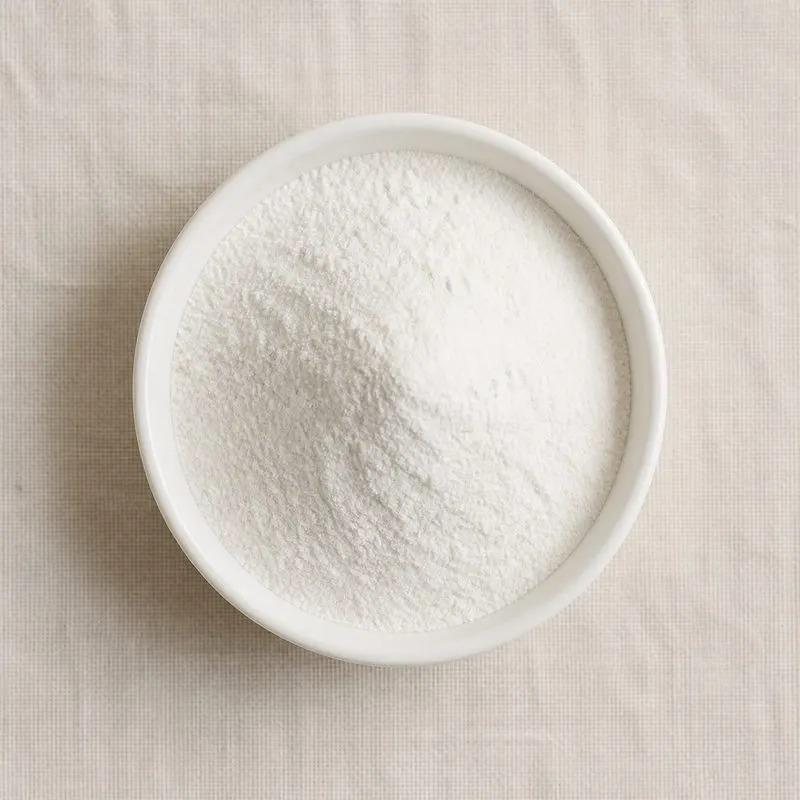
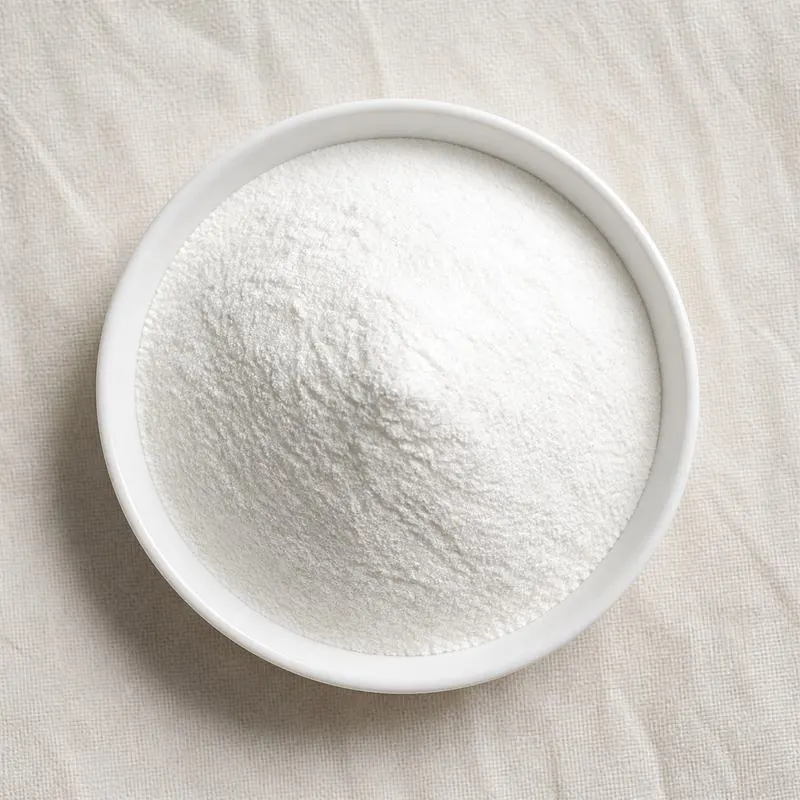
Two forms are therefore traded. The pasteurised preparation is an inactivated cell powder, standardised on total cell count rather than colony forming units, ambient stable, and the form that has been through formal regulatory assessment in Europe. The live preparation is a lyophilised culture and is considerably more demanding to handle, since the organism is a strict anaerobe that loses viability rapidly on exposure to oxygen. Both are off white to light brown powders, dispersible rather than soluble, and are used at doses far below those typical of lactobacilli.
We source bulk Akkermansia Muciniphila Akk Probio from top China manufacturers for our partners. The manufacturer is in Jiangsu. A smaller requirement can ship in a combined container with other ingredients.
Please send the grade you need, the volume and your destination port, and we will come back with a solution and a price.
or call +86-21-6858 0751
- Function
- Probiotic
Specifications
| Item | Specification |
|---|---|
| Appearance | Off white to light brown free flowing powder |
| Odour | Faintly fermented, free from foreign odour |
| Total Cell Count by Flow Cytometry | Not less than declared count in cells/g |
| Viable Organisms (pasteurised grade) | Less than 10 cfu/g under anaerobic culture |
| Identification | Strain confirmed by whole genome sequencing |
| Loss on Drying | Not more than 5.0 percent |
| Water Activity | Not more than 0.25 |
| Protein (Nitrogen x 6.25) | Not less than 25.0 percent on the cell fraction |
| Lead | Not more than 1 mg/kg |
| Arsenic | Not more than 1 mg/kg |
| Cadmium | Not more than 0.5 mg/kg |
| Total Plate Count | Not more than 1000 cfu/g |
| Yeast and Mould | Not more than 100 cfu/g |
| Escherichia coli | Absent in 10 g |
| Salmonella | Absent in 25 g |
Common Markets Grades
The primary distinction is viability. Pasteurised grades are heat inactivated under validated conditions and specified on total cells per gram determined by flow cytometry, with absence of viable organisms as a release criterion, and they are the form for which authorisations exist in the European Union. Live grades are lyophilised with a cryoprotectant and specified on colony forming units per gram determined under strict anaerobic culture, and require both oxygen barrier packaging and cold chain distribution.
Beyond that, grades differ by concentration and by protection. Concentrates carry high cell counts for formulators, while standardised grades are diluted onto a carrier to a fixed count for direct filling. Encapsulated grades apply a lipid or polysaccharide coat to give oxygen and acid protection, which matters more for this organism than for most because of its anaerobic nature. Material for supplement use is produced under food hygiene conditions on a mucin free medium of defined composition, since animal derived mucin as a growth substrate would raise both regulatory and supply questions, and the medium used is part of the specification a buyer should see.
Applications
- Metabolic health supplements, where the organism is positioned on insulin sensitivity and body composition
- Gut barrier and intestinal permeability products, reflecting the mechanism attributed to the Amuc_1100 outer membrane protein
- Weight management formulations, where it is used alongside fibre and other metabolic ingredients
- Next generation probiotic formulations, where it is combined with other single strain isolates rather than with conventional lactobacilli
- Capsules and sachets, which are the only practical formats for a dose measured in a fraction of a gram
- Postbiotic positioned products, where the pasteurised form removes the need for viability and cold chain
- Clinical nutrition and investigational formulations supporting human studies
- Combination products with polyphenols and prebiotics chosen to support the organism in the gut
Brands Using Akkermansia Muciniphila Akk Probio
Widely-distributed consumer products that list Akkermansia Muciniphila Akk Probio on the ingredient label.
- PendulumGlucose Control ↗A five strain probiotic capsule that lists Akkermansia muciniphila among its strains as a gut barrier bacterium.Label verified 2026-08-31
- PendulumAkkermansia ↗A single strain capsule built around Akkermansia muciniphila paired with chicory inulin as a prebiotic.Label verified 2026-08-31
Brand names, product names and logos are the property of their owners. They appear here as published evidence that the ingredient is used, taken from the brand's own label or website. Their appearance is not an endorsement, and it does not mean the brand buys from us or from any manufacturer listed on this site.
China Manufacturers of Akkermansia Muciniphila Akk Probio
Top Akkermansia Muciniphila Akk Probio manufacturers in China.
Company names and logos are the property of the manufacturers themselves. They are listed here because our own directory records them as producing this ingredient. A listing is not an endorsement by them, and we do not represent them or speak on their behalf.
Regulatory Status
In the European Union pasteurised Akkermansia muciniphila holds novel food authorisation, granted after the European Food Safety Authority assessed it, and the authorisation defines the strain, the manufacturing process, the specification of the preparation and the food categories and maximum daily amounts in which it may be used, principally food supplements and foods for special medical purposes. The authorisation covers the pasteurised material specifically, so a live preparation would need its own novel food authorisation and does not inherit the status of the pasteurised one. As with all probiotic and postbiotic positioned products, no health claim has been authorised, and the term probiotic is treated as an implied claim, so labelling is restricted.
In the United States preparations of Akkermansia muciniphila have been marketed as dietary ingredients, and pasteurised preparations have been the subject of generally recognised as safe determinations for defined food uses, with notifications submitted to the Food and Drug Administration. The agency does not approve probiotic or postbiotic products as a category, and claims are limited to structure and function statements carrying the required disclaimer. The organism does not appear in Codex texts, and internationally the reference framework for identification and characterisation is the joint guidelines of the Food and Agriculture Organisation and the World Health Organisation on evaluating probiotics, together with the consensus definition of postbiotics for the inactivated form.
Manufacturing Process
Production is a strictly anaerobic fermentation, which is what makes the organism difficult to manufacture at scale. A working cell bank vial is opened and expanded under anaerobic conditions through seed stages into a production fermenter that has been sparged with nitrogen or a nitrogen and carbon dioxide mixture and holds a low redox potential throughout. The medium is mucin free and of defined composition, supplying a carbohydrate source, threonine and other amino acids that substitute for the mucin backbone the organism uses in the gut, together with a protein hydrolysate, vitamins and mineral salts, with pH held by alkali addition. Growth is slower and cell yields are lower than for lactic acid bacteria, so the economics rest on the low dose at which the organism is used.
Harvest is by centrifugation or microfiltration under a protective atmosphere, and the concentrate is then routed according to the product. For the pasteurised preparation the cell suspension is heated under validated conditions, held, verified for absence of viable organisms by anaerobic plating, blended with a carrier and dried, usually by spray or freeze drying, then milled and standardised on total cell count by flow cytometry. For the live preparation the concentrate is blended with a cryoprotectant, frozen, lyophilised, milled in a low humidity and low oxygen environment, and filled into foil laminate under nitrogen, with viable count determined under strict anaerobic conditions and an overage set from stability data.