Allyl Heptanoate
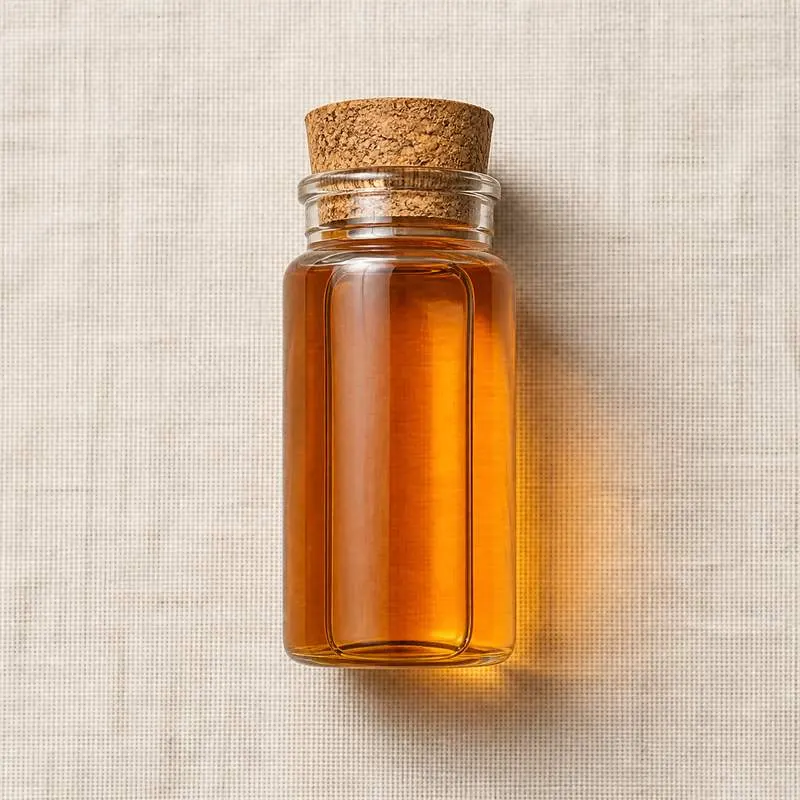
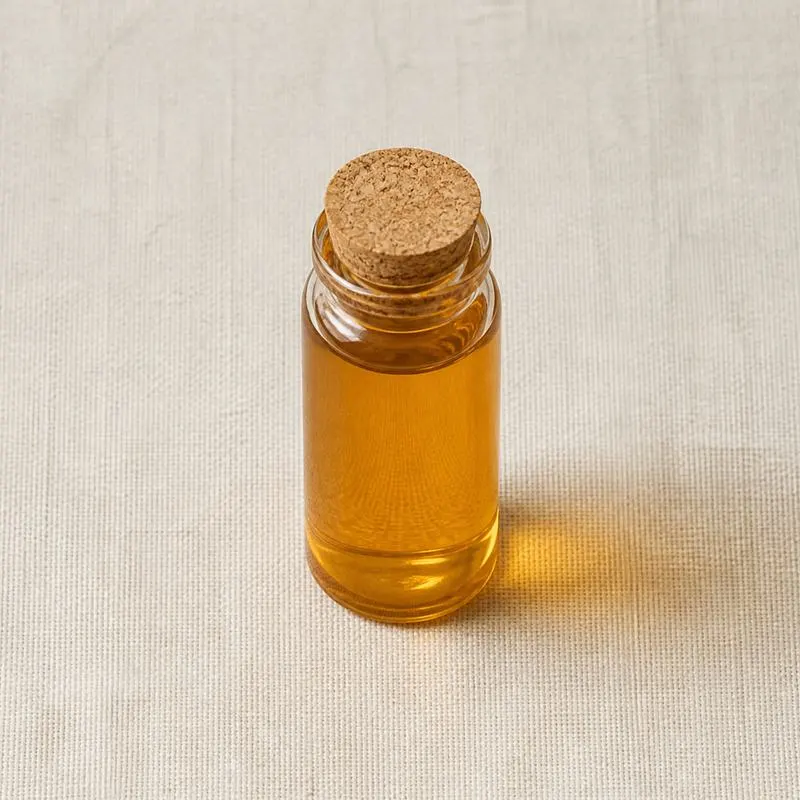
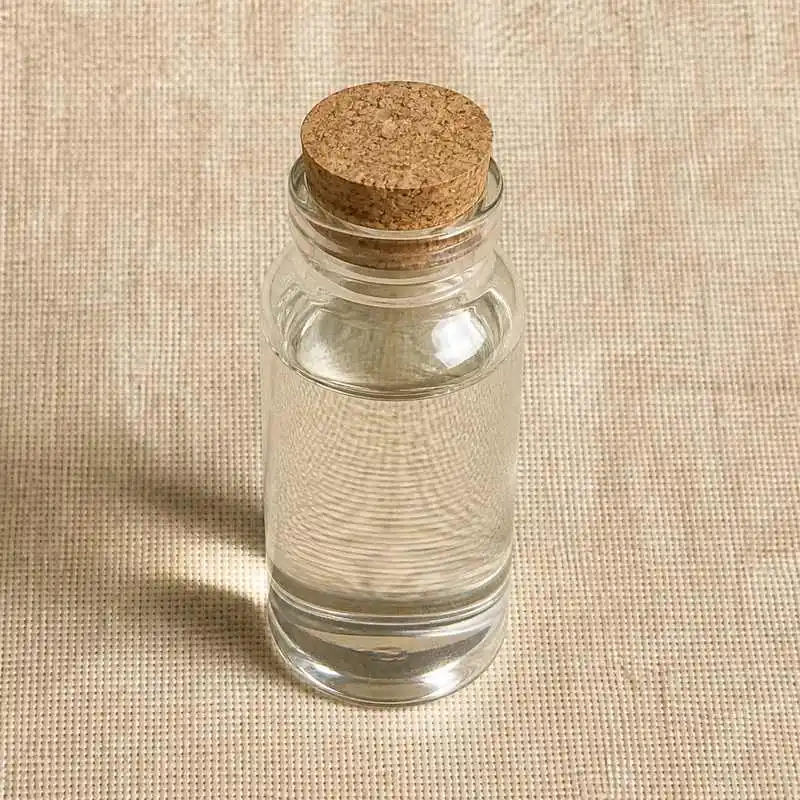
Allyl Heptanoate is a clear, colourless to faintly yellow liquid with a sweet, fruity aroma combining pineapple, ripe yellow fruit, and a warm cognac-like background.
The compound has the molecular formula C₁₀H₁₈O₂ and CAS number 142-19-8. It is the allyl ester of heptanoic acid (enanthic acid) and is used principally as a fruit and brandy-type flavour material.
or call +86-21-6858 0751
- Packaging
- 250 kg plastic drum or 1,000 kg IBC tote
- ISO 9001
- HACCP
- Halal
- Kosher
Specifications
| Item | Specification |
|---|---|
| Appearance | Colourless to faintly yellow clear liquid |
| Odour | Sweet fruity, pineapple with a warm cognac-like background |
| Assay (GC) | ≥ 97.0% |
| Colour (APHA) | ≤ 30 |
| Specific Gravity (25/25 °C) | 0.874-0.884 |
| Refractive Index (20 °C) | 1.4230-1.4280 |
| Acid Value | ≤ 1.0 mg KOH/g |
| Ester Content (as C₁₀H₁₈O₂) | ≥ 97.0% |
| Solubility (70% ethanol, 20 °C) | 1 mL dissolves in 5 mL, clear solution |
| Water Content (Karl Fischer) | ≤ 0.5% |
| Heavy Metals (as Pb) | ≤ 10 mg/kg |
| Lead | ≤ 2 mg/kg |
| Arsenic | ≤ 3 mg/kg |
| Shelf Life | 24 months in sealed original container |
Common Markets Grades
Allyl Heptanoate sells in food-flavour quality.
The standard commercial grade carries a minimum assay of 97 percent and meets the Food Chemicals Codex monograph. Specifications include acid value, refractive index, specific gravity, and colour in APHA units.
A high-purity 99 percent grade is produced for premium pineapple and cognac flavour applications where minimal free heptanoic acid is required to avoid soapy off-notes during shelf life.
The material is packaged in lined steel drums or epoxy-lined IBCs. Kosher and Halal certifications can be provided on request.
Applications
- Pineapple flavour systems as a sweet rounding ester
- Tropical fruit accords for mango, guava, and passionfruit blends
- Cognac, brandy, and aged-spirit flavour reconstructions
- Rum and dark-spirit accords for confectionery and ice cream
- Apple and pear flavour systems as a warm fruity background
- Apricot, peach, and other stone-fruit compositions
- Bakery flavour systems including fruit cakes, glazes, and brandied-fruit fillings
- Dairy applications including fruit yogurt, ice cream, and milk drinks
- Tutti-frutti and exotic fruit blends for hard candy and chewing gum
- Tobacco flavour compositions as a sweet fruity modifier
- Fine fragrance for tropical and cognac-themed perfumery accords
- Personal care and home fragrance for fruit-cocktail accords
How We Help Source Allyl Heptanoate
Direct Factory Sourcing
We run the whole process: selecting the manufacturer from the top Chinese food ingredient producers, negotiating the price, verifying quality, and coordinating the logistics. You deal with us instead of with several factories at once.
Original Packaging and Documents from the Manufacturer
The manufacturer sends your Allyl Heptanoate out of its own factory in the original packing, through to your destination port. The COA, COO, MSDS, TDS and any certifications reach you from the manufacturer as well.
Free Samples and Lead Time
We send 100 to 500 g free for your own laboratory to test and you cover only the courier, usually within 2 to 3 working days. ETD is usually within 7 to 15 days once the order is confirmed, and we check that date against the factory's own manufacturing schedule before we give it to you.
Combined Shipment
We can load Allyl Heptanoate together with other ingredients such as Capsicum Oleoresin, Ethyl Maltol and White Pepper into one 20' FCL. If your quantity is small, we can also ship LCL.
Regulatory Status
Allyl Heptanoate is accepted as a flavouring substance in major regulated markets.
FEMA has assigned GRAS number 2031 for use as a flavour in food. The U.S. Food and Drug Administration permits the substance as a synthetic flavouring agent under 21 CFR 172.515.
The European Food Safety Authority evaluated the molecule as part of flavouring group FGE.16, which addresses allyl esters of straight-chain saturated acids. The substance is listed under FL number 09.097 in the Union list of flavourings.
JECFA reviewed the allyl esters group and set use limits in line with structural-class considerations. The Council of Europe lists the substance under number 2031.
Japan permits the molecule under its flavour regulation. Reference material is available from the major analytical-standards houses.
Manufacturing Process
Allyl Heptanoate is made by direct esterification of heptanoic acid with allyl alcohol.
The reaction is carried out under mineral acid catalysis, typically with sulphuric or methanesulfonic acid, using an azeotropic entrainer such as toluene to remove water. Heptanoic acid is most often sourced from the oxidation of n-heptanol or by ozonolysis of oleic acid streams.
The crude mixture is neutralised, washed with water and dilute brine, dried, and fractionally distilled under reduced pressure to remove unreacted allyl alcohol, residual acid, and high-boiling oligomers.
Allyl alcohol handling requires closed transfer systems and effective scrubbing because of its toxicity. Producers segregate allyl ester production lines from general food-ester capacity.
The molecule is produced by Symrise, IFF, and several Asian flavour houses. Volumes are modest, in line with the niche position of cognac-type flavours in the broader fruit category.