Heptanoic Acid
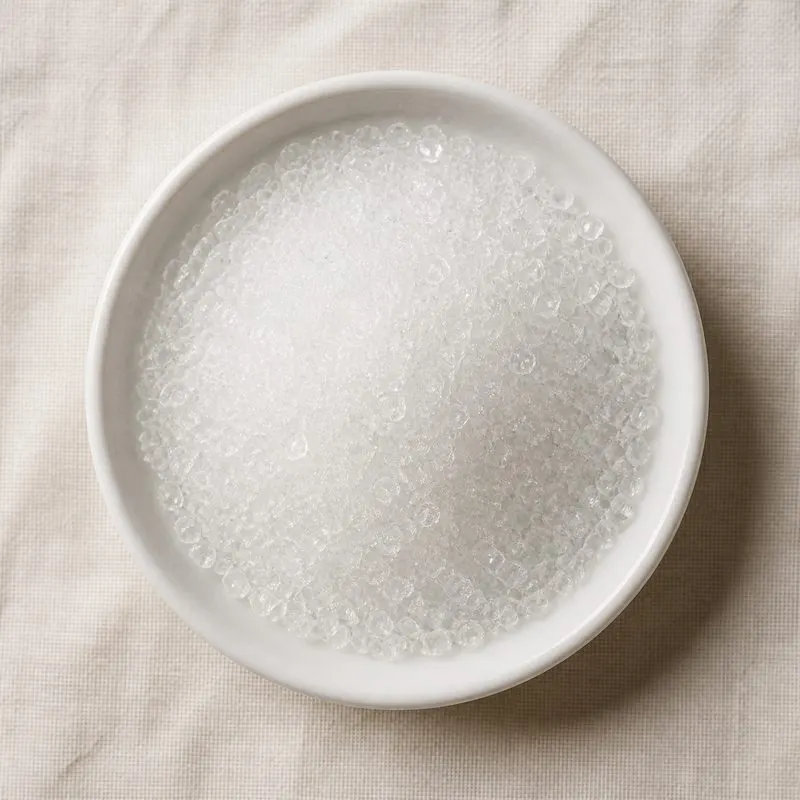
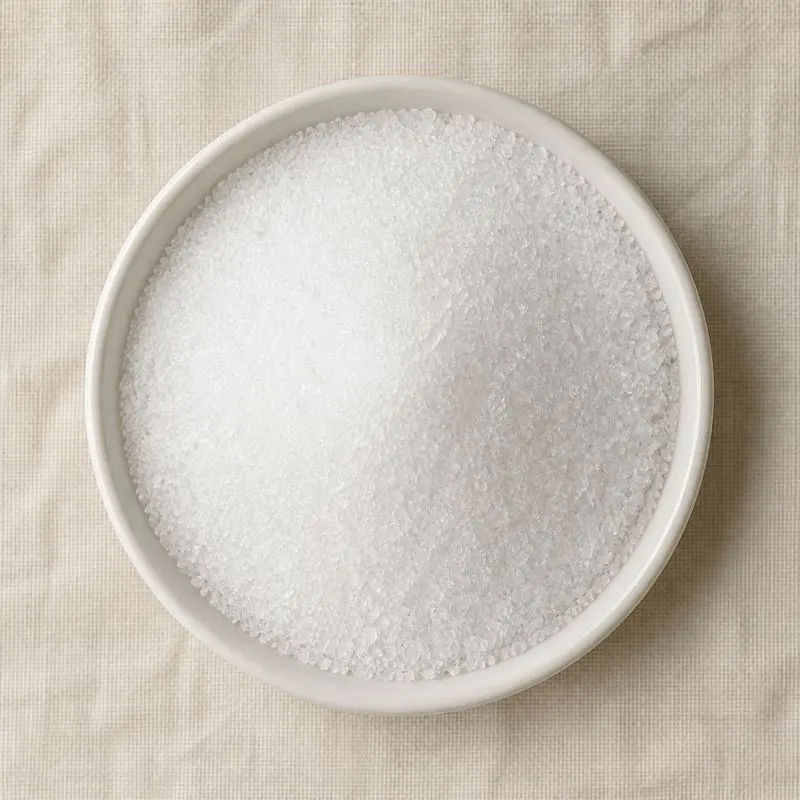
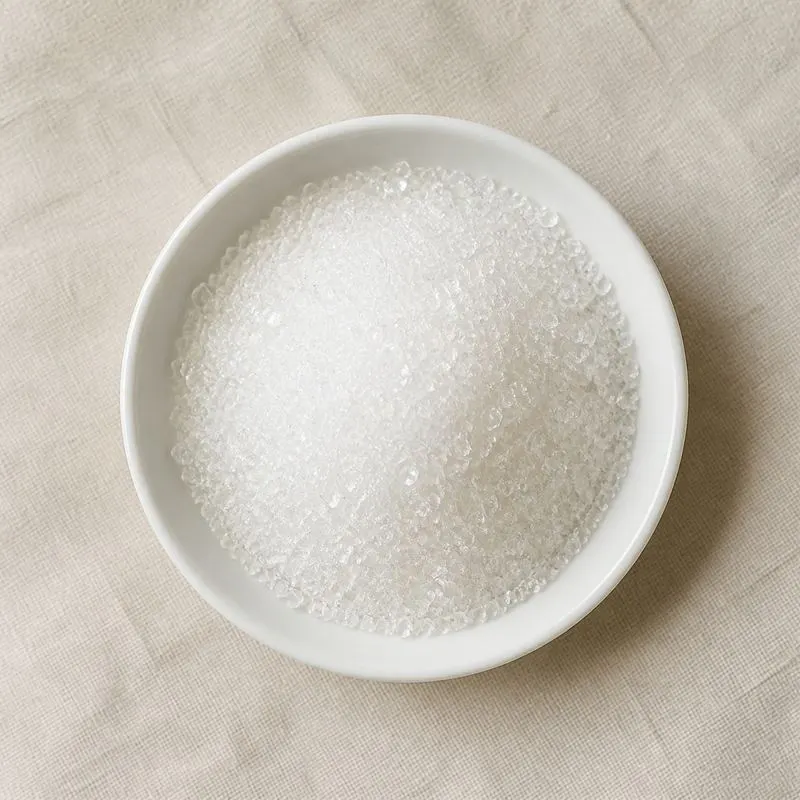
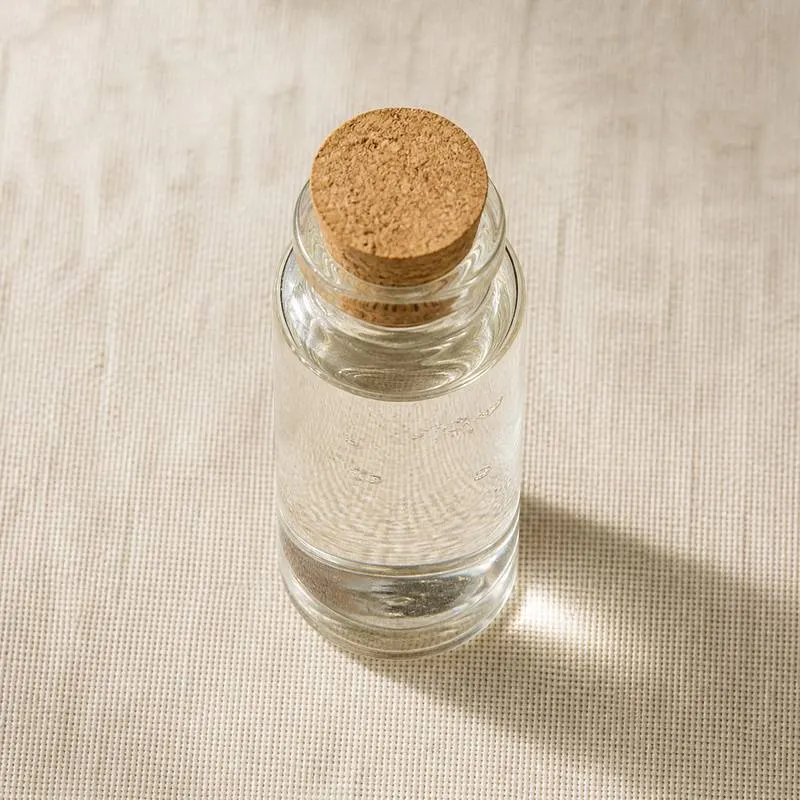
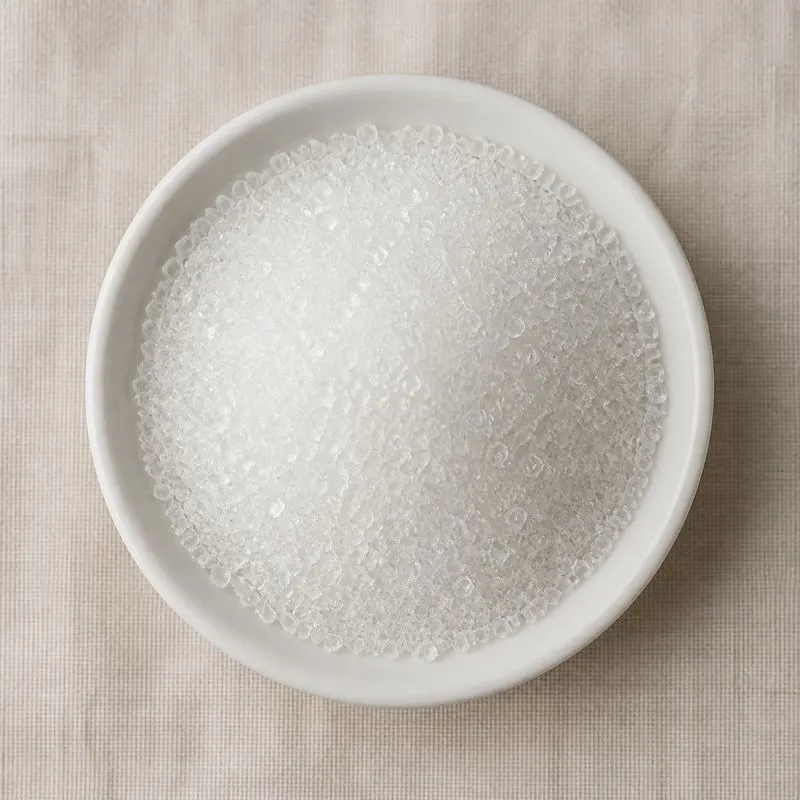
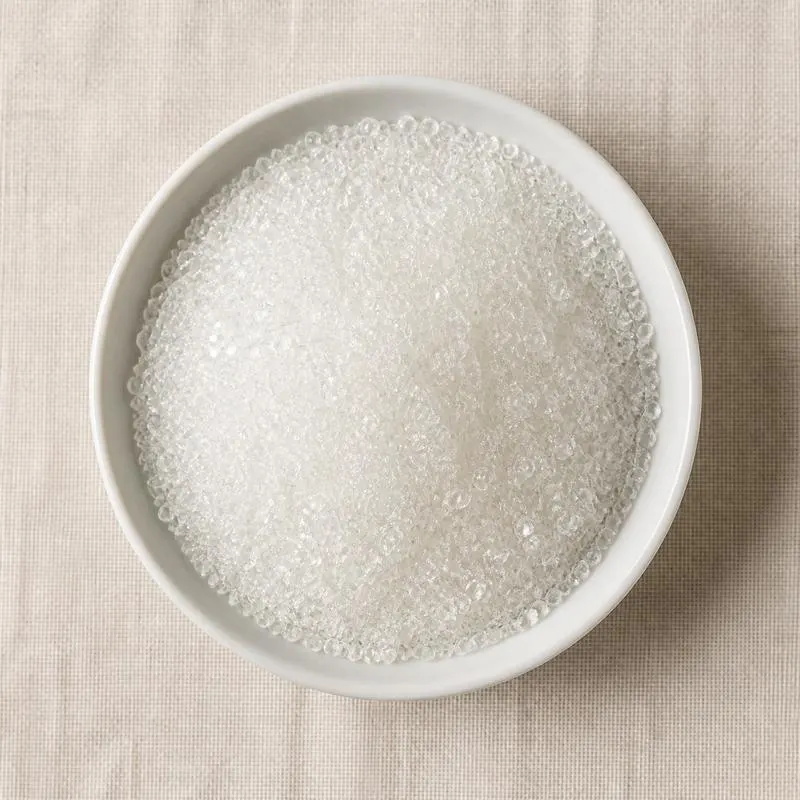
Heptanoic Acid is a seven-carbon saturated straight-chain fatty acid (C7:0) with the molecular formula C₇H₁₄O₂, also known as enanthic acid. It is a colourless to pale-yellow oily liquid with a strong, rancid, fatty odour reminiscent of overripe fruit and aged cheese.
It occupies the boundary between short- and medium-chain fatty acids and is valued chiefly as a chemical intermediate, with secondary roles in flavour and lubricant chemistry.
We source bulk Heptanoic Acid from top China manufacturers for our partners. The manufacturer is in Henan. A smaller requirement can ship in a combined container with other ingredients.
Please send the grade you need, the volume and your destination port, and we will come back with a solution and a price.
or call +86-21-6858 0751
- Packaging
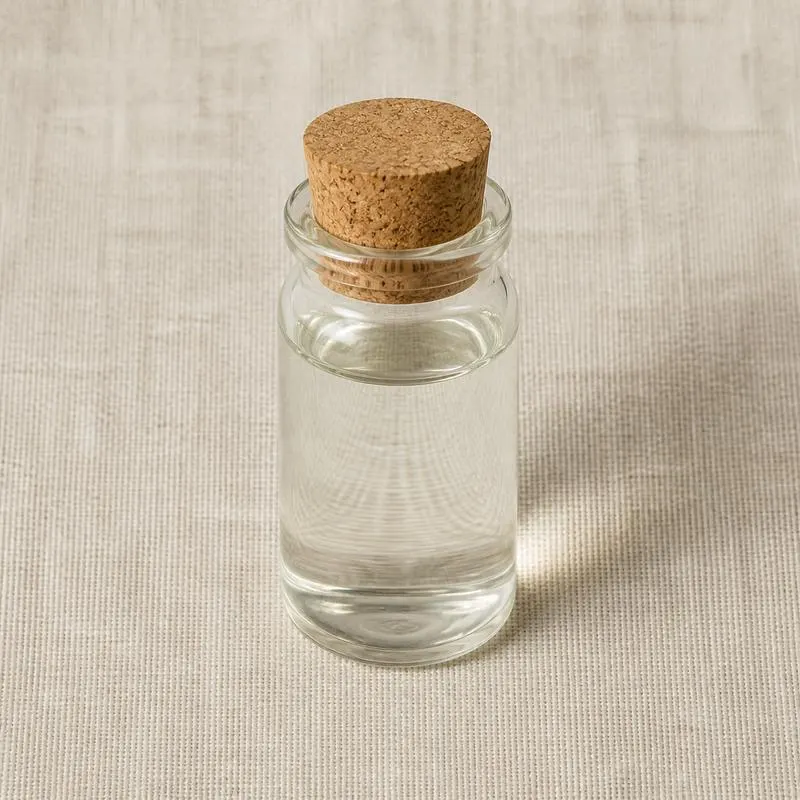
- 190 kg steel drum or 25 kg jerrican
- ISO 9001
- HACCP
- Halal
- Kosher
Specifications
| Item | Specification |
|---|---|
| Appearance | Colourless to pale yellow oily liquid |
| Odour | Strong, fatty and rancid, characteristic |
| Assay (GC) | ≥ 99.0% |
| Related Fatty Acids (C6 and C8, GC) | ≤ 1.0% |
| Acid Value | 426 – 434 mg KOH/g |
| Iodine Value | ≤ 0.5 g I₂/100 g |
| Colour (APHA) | ≤ 30 |
| Water (Karl Fischer) | ≤ 0.2% |
| Specific Gravity (20 °C) | 0.918 – 0.922 |
| Refractive Index (20 °C) | 1.4210 – 1.4250 |
| Solidification Point | −11 °C to −7 °C |
| Residue on Ignition | ≤ 0.01% |
| Heavy Metals (as Pb) | ≤ 10 mg/kg |
| Arsenic (as As) | ≤ 3 mg/kg |
Common Markets Grades
Heptanoic Acid trades in a relatively narrow set of commercial grades.
Technical grade at 98 to 99 percent assay covers the vast majority of industrial demand, particularly for ester and metal-soap manufacture. Typical impurities are adjacent C6 and C8 fatty acids carried through fractional distillation.
High-purity grade at 99.5 percent minimum, produced by re-distillation under reduced pressure, is used for synthetic-lubricant base-stock chemistry and for pharmaceutical-intermediate work. Carbonyl, peroxide, and water content are tightly controlled.
FCC-conforming or food-flavour grade carries a 99.0 percent minimum assay for use in cheese and dairy reaction flavours. Analytical reference material at 99.9 percent sells in small packs for GC and HPLC calibration work, supporting fatty-acid profiling of milk fats and fermentation broths.
Applications
- Feedstock for the manufacture of trimethylolpropane triheptanoate and other polyol-ester synthetic aviation lubricants
- Production of zinc, calcium, and cobalt heptanoates as PVC stabilisers and paint driers
- Intermediate in the synthesis of heptyl and ethyl heptanoate esters used in fruity flavour compositions (grape, berry, wine)
- Precursor to pelargonic acid (C9) and other odd-carbon fatty acids via Kolbe electrolysis chemistry
- Cheese and dairy reaction-flavour component at trace levels
- Building block for pharmaceutical heptanoate-ester prodrugs of steroidal actives
- Component of synthetic ester lubricants for high-temperature compressor and turbine service
- Reagent in synthetic-fragrance manufacture (ionone and macrocyclic-musk routes)
- Solvent and reagent in agrochemical-active synthesis
- Standard for fatty-acid methyl ester (FAME) gas-chromatography column calibration
- Research reagent in studies of medium-chain triglyceride metabolism and odd-chain fatty acid biochemistry
China Manufacturers of Heptanoic Acid
Top Heptanoic Acid manufacturers in China.
Company names and logos are the property of the manufacturers themselves. They are listed here because our own directory records them as producing this ingredient. A listing is not an endorsement by them, and we do not represent them or speak on their behalf.
How We Help Source Heptanoic Acid
Direct Factory Sourcing
We run the whole process: selecting the manufacturer from the top Chinese food ingredient producers, negotiating the price, verifying quality, and coordinating the logistics. You deal with us instead of with several factories at once.
Original Packaging and Documents from the Manufacturer
The manufacturer sends your Heptanoic Acid out of its own factory in the original packing, through to your destination port. The COA, COO, MSDS, TDS and any certifications reach you from the manufacturer as well.
Free Samples and Lead Time
We send 100 to 500 g free for your own laboratory to test and you cover only the courier, usually within 2 to 3 working days. ETD is usually within 7 to 15 days once the order is confirmed, and we check that date against the factory's own manufacturing schedule before we give it to you.
Combined Shipment
We can load Heptanoic Acid together with other ingredients such as Calcium Acetate, Citric Acid and Glucono-Delta-Lactone into one 20' FCL. If your quantity is small, we can also ship LCL.
Regulatory Status
Heptanoic Acid is recognised as a flavouring substance across major jurisdictions and is approved for incidental food contact through ester derivatives.
In the United States 21 CFR 172.515 lists it as a synthetic flavouring substance and it carries FEMA number 3348, recognised as GRAS for flavour use by the FEMA Expert Panel within the saturated aliphatic acyclic linear primary acid family.
In the European Union it is included in the Union list of authorised flavourings under Regulation (EC) 1334/2008 with FL number 08.027. EFSA evaluated it within FGE.05 and raised no safety concern at present use levels. JECFA reached the same conclusion in its assessment of saturated aliphatic acyclic linear primary alcohols, aldehydes, and acids.
Japan permits it as a flavouring substance under the Food Sanitation Act. The substance is also registered under REACH in the European Union and listed on the major industrial-chemical inventories (TSCA, DSL, IECSC, AICS).
Pharmacopoeial monographs are limited; the acid appears chiefly as a reference standard rather than a drug-substance monograph. Heptanoate esters of pharmaceutical actives are individually monographed in their respective pharmacopoeias.
Manufacturing Process
The dominant commercial route to heptanoic acid is the oxidative cleavage of castor-oil-derived feedstocks.
Castor oil is transesterified and pyrolyzed (or alternatively the methyl ricinoleate is ozonolyzed) to give methyl heptanoate plus an unsaturated C11 partner that is downstream-converted to 11-aminoundecanoic acid, the monomer for nylon-11. Hydrolysis of the C7 methyl ester gives free heptanoic acid, which is purified by distillation. This coupled process is operated at scale by Arkema and a handful of Chinese producers.
A second route is the cobalt-catalysed liquid-phase oxidation of n-heptanal or n-heptanol, themselves obtained from oxo-synthesis on 1-hexene. Reaction conditions of 60 to 100 °C at moderate pressure give the acid, which is then fractionated to remove adjacent homologues.
Smaller volumes are produced by Kolbe electrolysis of mixed short-chain carboxylates or by oxidation of selected aldehyde streams from petrochemical operations. Bio-based routes via fermentation and chain elongation are at pilot scale but have not yet reached commodity volumes.