Annatto
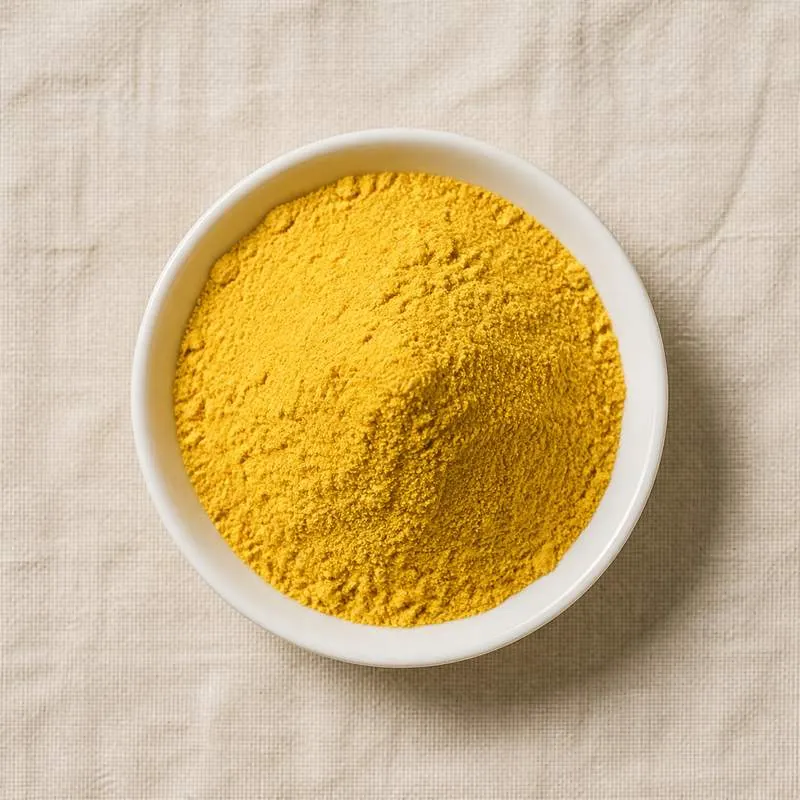
Annatto is a natural yellow-to-orange-red colourant extracted from the seed coat of Bixa orellana, a tropical shrub native to South America. It carries CAS number 1393-63-1 and is registered in the European Union as E160b.
The two main pigments are bixin, an apocarotenoid diester soluble in fats and oils, and norbixin, the dicarboxylate hydrolysis product that is soluble in alkaline water. The pigment family produces a clean, warm orange that has been the traditional natural alternative to synthetic yellows for decades.
We source bulk Annatto from top China manufacturers for our partners. The manufacturer is in Shandong. A smaller requirement can ship in a combined container with other ingredients.
Please send the grade you need, the volume and your destination port, and we will come back with a solution and a price.
or call +86-21-6858 0751
- Packaging
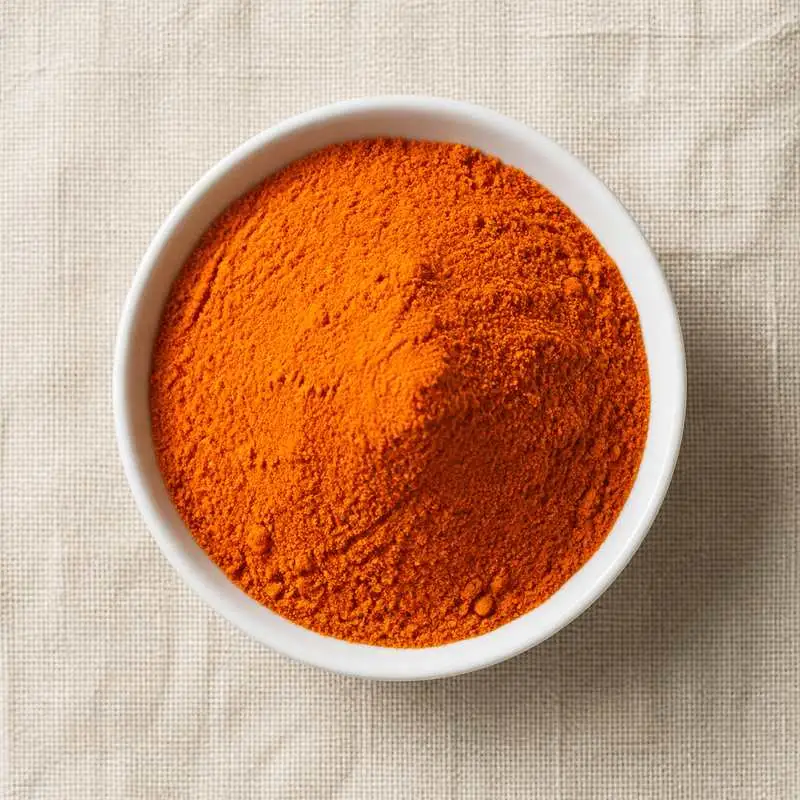
- 20 kg fibre drum, light-shielded
- ISO 9001
- HACCP
- Halal
- Kosher
Specifications
Grades / Types Available: food grade
| Item | Specification |
|---|---|
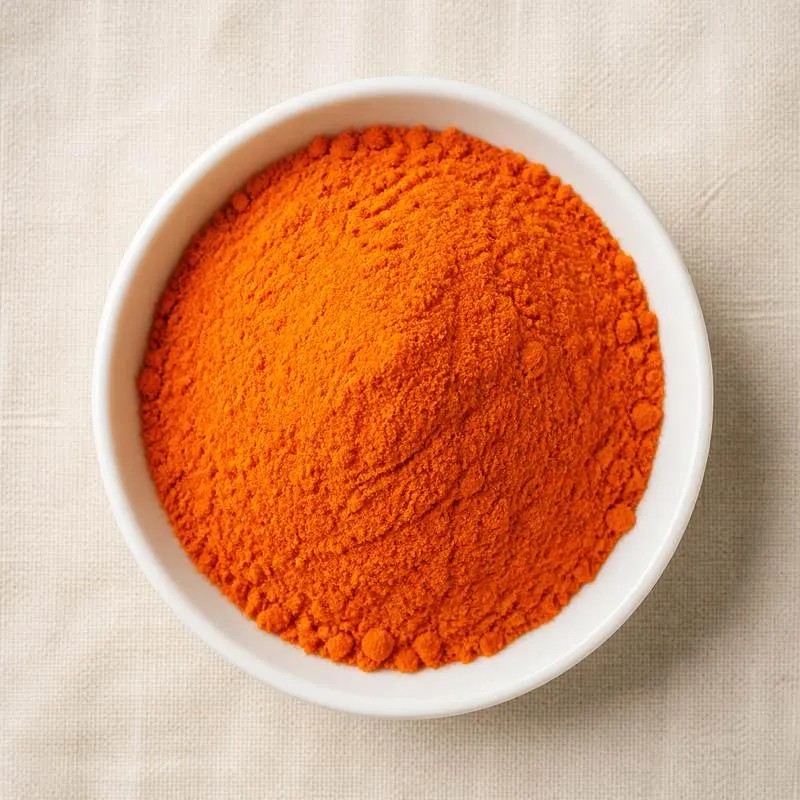
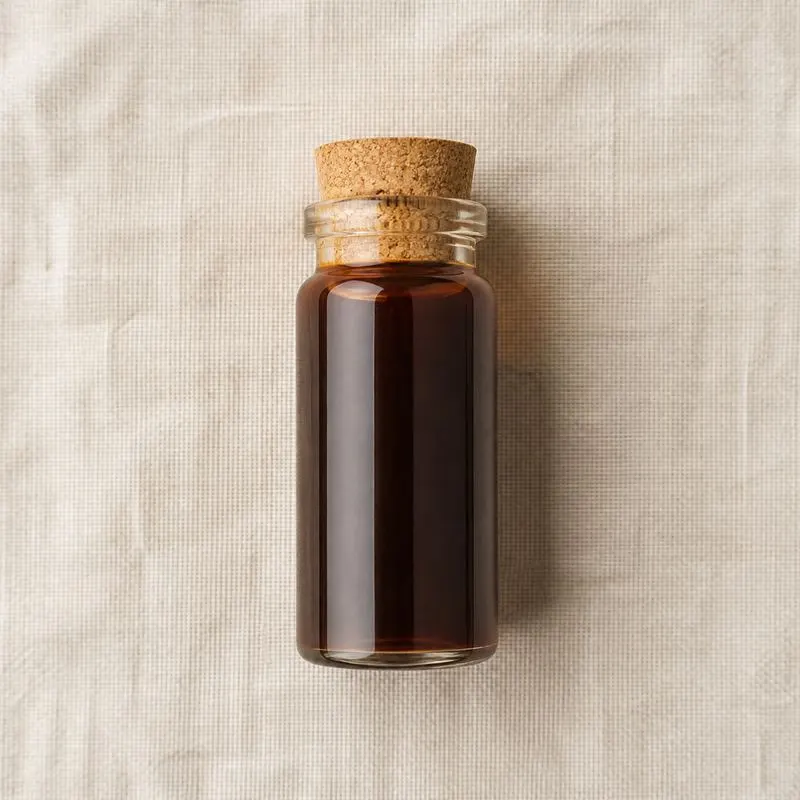
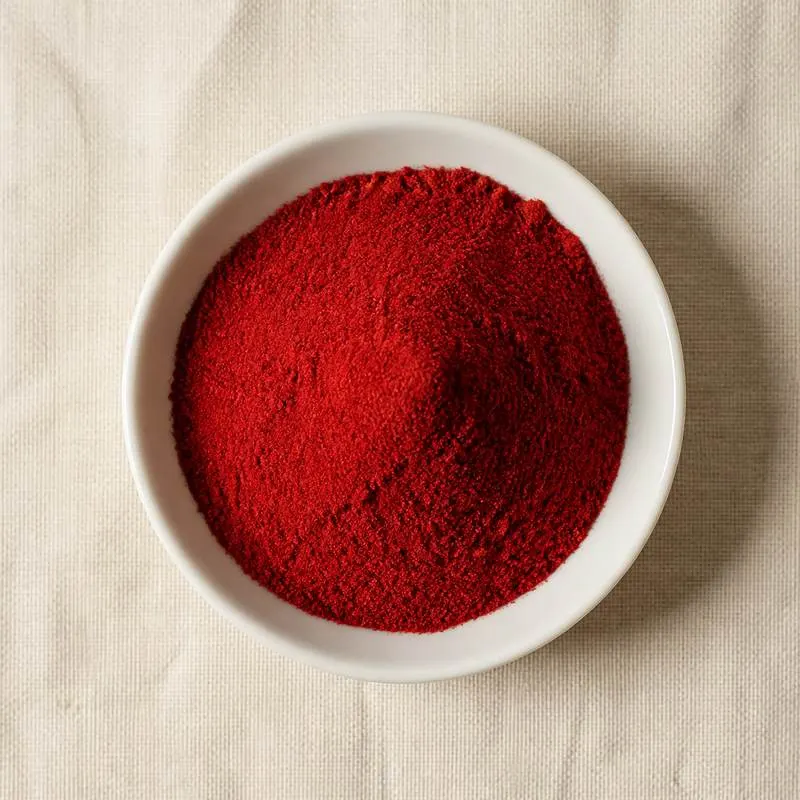
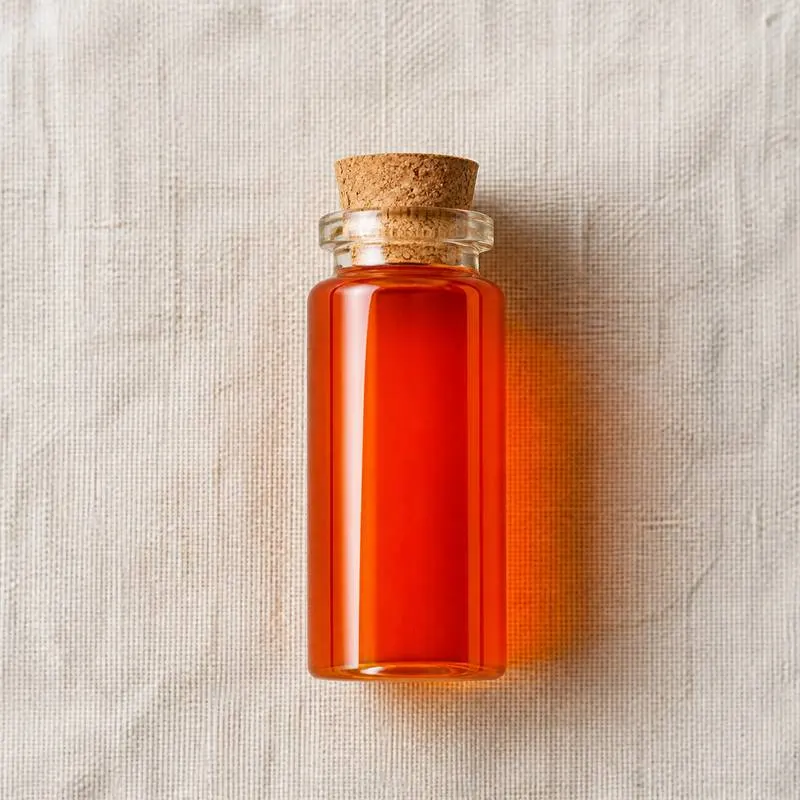
| Appearance | Orange-red powder, liquid or suspension |
| Bixin Content | 1-30% (grade-dependent) |
| Norbixin Content | 2-10% (water-soluble grades) |
| Moisture | ≤ 6.0% (powder) |
| Heavy Metals (as Pb) | ≤ 2 mg/kg |
| Total Plate Count | ≤ 1,000 cfu/g |
| Grade | Food Grade |
| Purity/Assay | Annatto 95% min |
| Moisture/Loss on Drying | 5% max |
| pH | 4.0 - 6.0 |
| Particle Size/Mesh | 80 mesh |
| Lead | 1 ppm max |
| Arsenic | 1 ppm max |
| Yeast & Mold | 100 cfu/g max |
Common Markets Grades
Annatto splits into distinct oil-soluble and water-soluble grades that correspond to bixin and norbixin chemistry.
Oil-soluble bixin grades at 1 to 30 percent total pigment in refined vegetable oil are the standard format for butter, margarine, hard cheeses such as cheddar and Red Leicester, and snack-seasoning oils.
Water-soluble norbixin grades, prepared by alkaline saponification, come as solutions at 1 to 3 percent total pigment or as spray-dried potassium salts at 5 to 40 percent. These are the standard for processed cheese, beverages, and confectionery glazes.
Acid-precipitated norbixin grades at 30 to 70 percent purity are produced where formulation space or label simplicity is critical.
Microencapsulated and emulsified beadlet grades extend the range into clear beverages and applications where direct contact with acidic ingredients would otherwise precipitate the pigment.
Applications
- Hard cheeses: cheddar, Red Leicester, Mimolette, and Gloucester for the traditional orange paste
- Processed cheese slices, spreads, and string cheese in yellow to orange shades
- Butter, margarine, and dairy spreads as the classic natural yellow
- Smoked fish such as kippers and Arbroath smokies for surface colour
- Cured and cooked sausages, frankfurters, and luncheon meats
- Snack seasonings: cheese-flavoured coatings, popcorn oils, and savory powder blends
- Bakery: pie crusts, pastries, custards, and cake fillings
- Confectionery: hard candies, jellies, and panned coatings in orange shades
- Beverages: orange and tropical-fruit drinks in water-soluble norbixin format
- Ice cream, yogurt, and other dairy desserts in mango and peach profiles
- Cosmetics and personal care products in natural-positioning lipsticks and lotions
Brands Using Annatto
Widely-distributed consumer products that list Annatto on the ingredient label.
- Cabot CreameryCabot Yellow Cheddar (cheddar cheese line) ↗Brand page states Cabot's yellow cheeses are coloured with a natural, plant-based colouring called Annatto from achiote trees.Label verified 2026-05-24
- Cabot CreameryCabot 2% Vanilla Bean Greek Style Yogurt (Foodservice 6/2LB) ↗Foodservice product page lists annatto as a colour ingredient.Label verified 2026-05-24
- TillamookTillamook Medium Cheddar ↗Brand FAQ: Cheddar contains four natural ingredients - cultured milk, enzymes (rennet), salt, and annatto (responsible for the yellow colour).Label verified 2026-05-24
- TillamookTillamook Sharp Cheddar Cheese Block ↗Cheddar cheese block coloured with annatto per brand's ingredient panel.Label verified 2026-05-24
- Velveeta (Kraft Heinz)Velveeta Original Cheese (Loaf) ↗Kraft Foods ingredient list for Velveeta includes 'apocarotenal, annatto, and cheese culture' under 2% or less for colour.Label verified 2026-05-24
- Kraft Singles (Kraft Heinz)Kraft Singles American Cheese Slices (yellow) ↗Original Kraft Singles American cheese contains annatto and oleoresin paprika for its trademark orange colour.Label verified 2026-05-24
- SargentoSargento Natural American Sliced Cheese (24 slices) ↗Ingredient panel: 'Pasteurized Milk, Cheese Culture, Salt, Enzymes, Annatto (Vegetable Color).'Label verified 2026-05-24
- SargentoSargento Shredded Sharp Natural Cheddar Cheese, 8 oz. ↗Cheddar cheese ingredients include annatto (vegetable colour).Label verified 2026-05-24
- Organic ValleyOrganic Valley American Cheese Slices, Yellow, 6 oz ↗Ingredients include organic cultured milk, water, organic butter, sodium citrate, salt, vegetarian enzymes, and organic annatto (for colour).Label verified 2026-05-24
- Organic ValleyOrganic Valley Original American Cheese Block ↗Block American cheese uses organic annatto for colour.Label verified 2026-05-24
- Annie's HomegrownAnnie's Deluxe Rich & Creamy Shells & Vegan Cheddar ↗Ingredient list includes Organic Annatto Extract (for colour).Label verified 2026-05-24
- MorningStar FarmsMorningStar Farms Breakfast Bites with Vegan Egg & Sausage ↗Cheddar style vegan cheeze component is coloured with annatto extract.Label verified 2026-05-24
- MorningStar FarmsMorningStar Farms Buffalo Chik Patties ↗Ingredient panel includes annatto extract colour.Label verified 2026-05-24
Brand names, product names and logos are the property of their owners. They appear here as published evidence that the ingredient is used, taken from the brand's own label or website. Their appearance is not an endorsement, and it does not mean the brand buys from us or from any manufacturer listed on this site.
China Manufacturers of Annatto
Top Annatto manufacturers in China.

Company names and logos are the property of the manufacturers themselves. They are listed here because our own directory records them as producing this ingredient. A listing is not an endorsement by them, and we do not represent them or speak on their behalf.
How We Help Source Annatto
Direct Factory Sourcing
We run the whole process: selecting the manufacturer from the top Chinese food ingredient producers, negotiating the price, verifying quality, and coordinating the logistics. You deal with us instead of with several factories at once.
Original Packaging and Documents from the Manufacturer
The manufacturer sends your Annatto out of its own factory in the original packing, through to your destination port. The COA, COO, MSDS, TDS and any certifications reach you from the manufacturer as well.
Free Samples and Lead Time
We send 100 to 500 g free for your own laboratory to test and you cover only the courier, usually within 2 to 3 working days. ETD is usually within 7 to 15 days once the order is confirmed, and we check that date against the factory's own manufacturing schedule before we give it to you.
Combined Shipment
We can load Annatto together with other ingredients such as Beta Carotene, Caramel Colour and Lycopene into one 20' FCL. If your quantity is small, we can also ship LCL.
Regulatory Status
Annatto is approved as a food colour in essentially every major regulated market and has one of the longest continuous histories of food-colour use of any natural colourant.
In the European Union it is listed as E160b, subdivided into E160b(i) bixin and E160b(ii) norbixin under Commission Regulation (EU) 231/2012. Use levels and permitted food categories are set in Annex II of Regulation (EC) No 1333/2008.
The U.S. Food and Drug Administration permits annatto extract as a colour additive exempt from certification under 21 CFR 73.30. It may be used in foods generally in amounts consistent with good manufacturing practice. Annatto must be declared by name on the ingredient line as an allergen-relevant labelling consideration, because annatto-allergic reactions have been reported in a small subset of consumers.
JECFA has evaluated bixin and norbixin and assigned acceptable status within defined purity criteria. Pharmacopoeial monographs appear in the USP-NF Food Chemicals Codex.
Manufacturing Process
Bixa seeds are harvested from the spiny red capsules of Bixa orellana, grown commercially in Peru, Brazil, Kenya, India, and parts of West Africa. Peru and Brazil together account for the majority of world supply.
The pigment sits on the outer surface of the seed as a thin red coating, typically 4 to 7 percent of seed mass. Mechanical agitation in a chosen solvent strips that coating without grinding the seed itself, which keeps oil-fraction impurities low.
Oil-soluble bixin grades are produced by extraction directly into hot refined vegetable oil or into propylene glycol, followed by clarification and standardisation to assay.
Water-soluble norbixin grades are produced by alkaline extraction with potassium or sodium hydroxide in aqueous propylene glycol. Saponification cleaves the methyl ester of bixin to give the free dicarboxylate, which is then either kept in solution or precipitated by acidification, washed, and dried.