Bovine Spleen Peptide
Bovine spleen peptide is a protein hydrolysate prepared from cattle spleen by enzymatic digestion of the trimmed and washed organ. It belongs to the organ peptide family traded in the Chinese health food sector, where the ingredient is defined by its tissue and species of origin rather than by a characterised active molecule, and it sits alongside spleen extract preparations that have a longer history in injectable and clinical products.
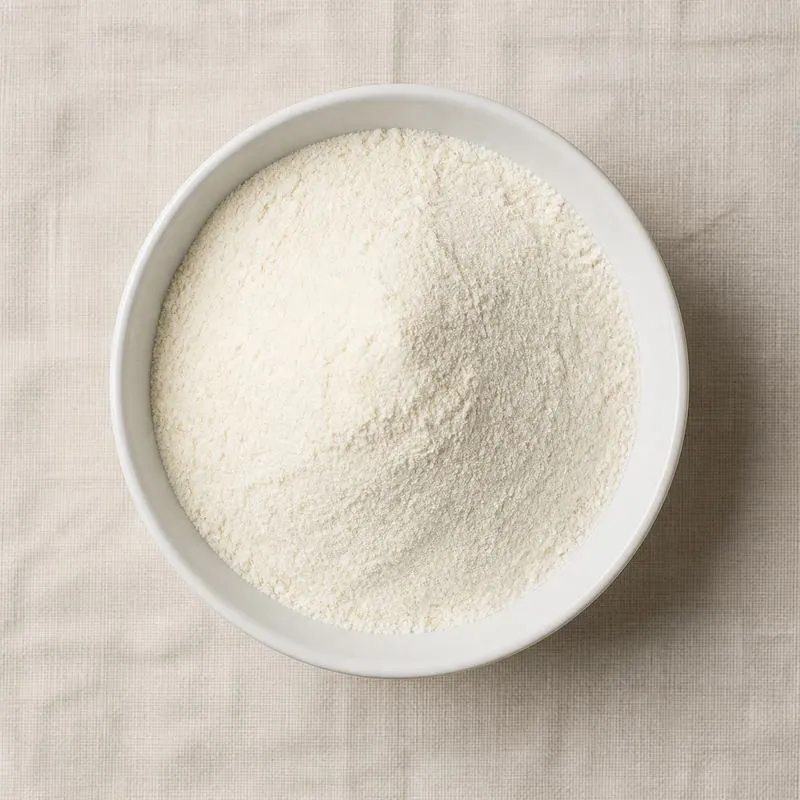
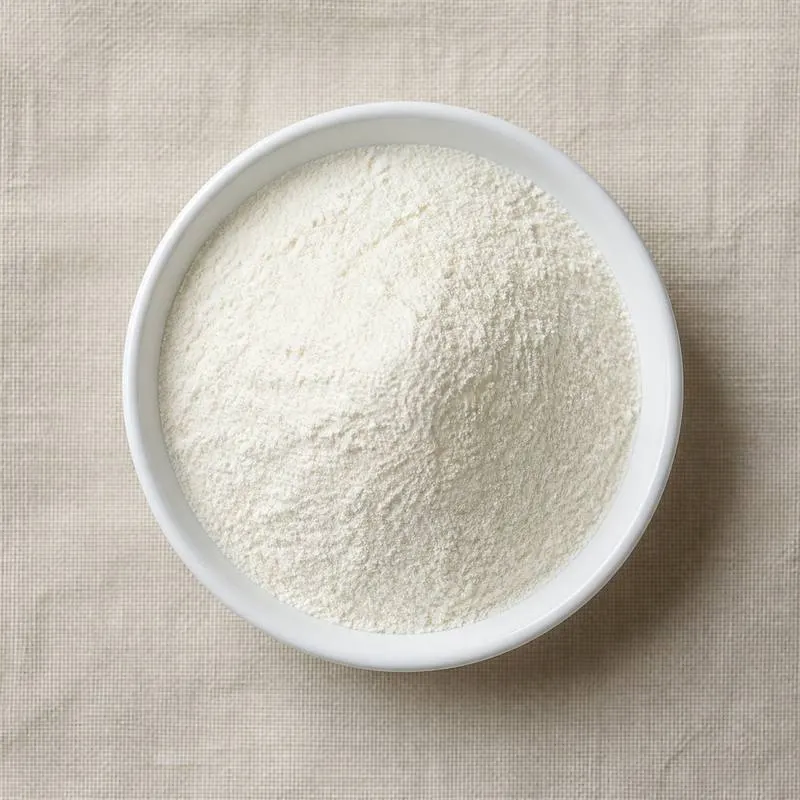
Spleen is a lymphoid and blood filtering organ, so its protein content is a mixture of structural and cellular protein together with a large haemoglobin load from the blood it holds. That blood content is what shapes the manufacturing process and the finished appearance, since haem pigment is difficult to remove and untreated spleen hydrolysate is dark brown with a pronounced metallic and offal note. Well processed material is a light brown to tan powder, and colour is a real point of differentiation between suppliers.
Composition is described by peptide content and molecular weight distribution, typically with the majority of the material below 1000 daltons, together with the free amino acid profile. The powder dissolves rapidly and almost completely in water, holds through pasteurisation, and adds no viscosity to a formulation.
We source bulk Bovine Spleen Peptide from top China manufacturers for our partners. The manufacturer is in Inner Mongolia. A smaller requirement can ship in a combined container with other ingredients.
Please send the grade you need, the volume and your destination port, and we will come back with a solution and a price.
or call +86-21-6858 0751
- Function
- Protein
Specifications
| Item | Specification |
|---|---|
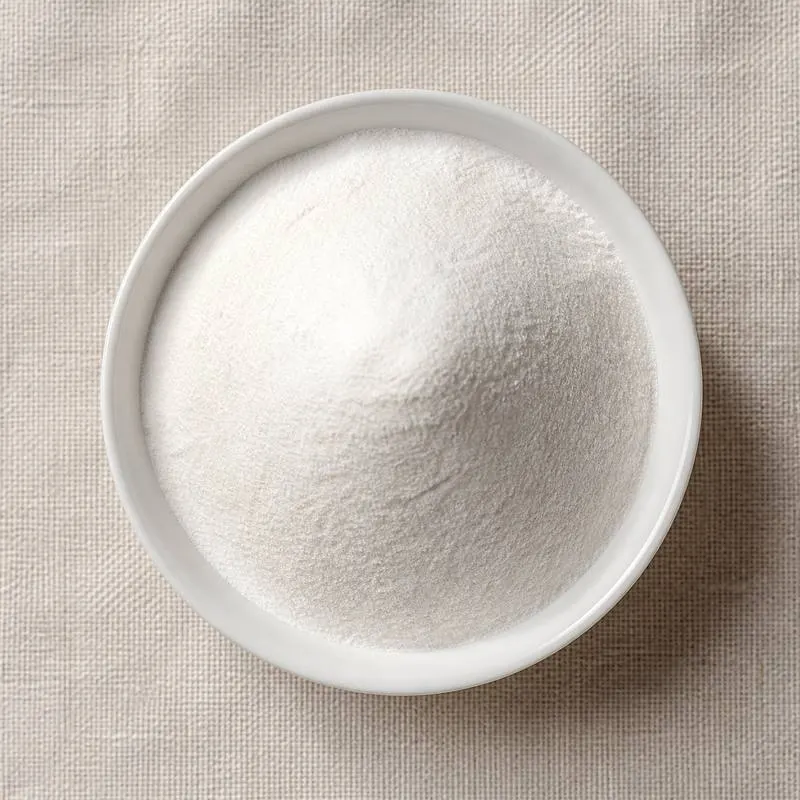
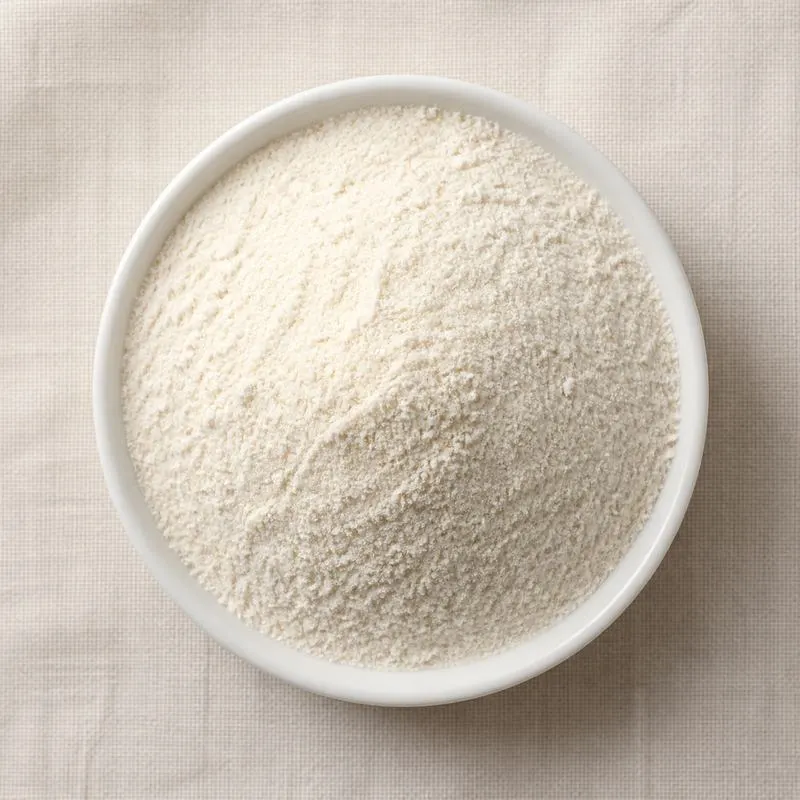
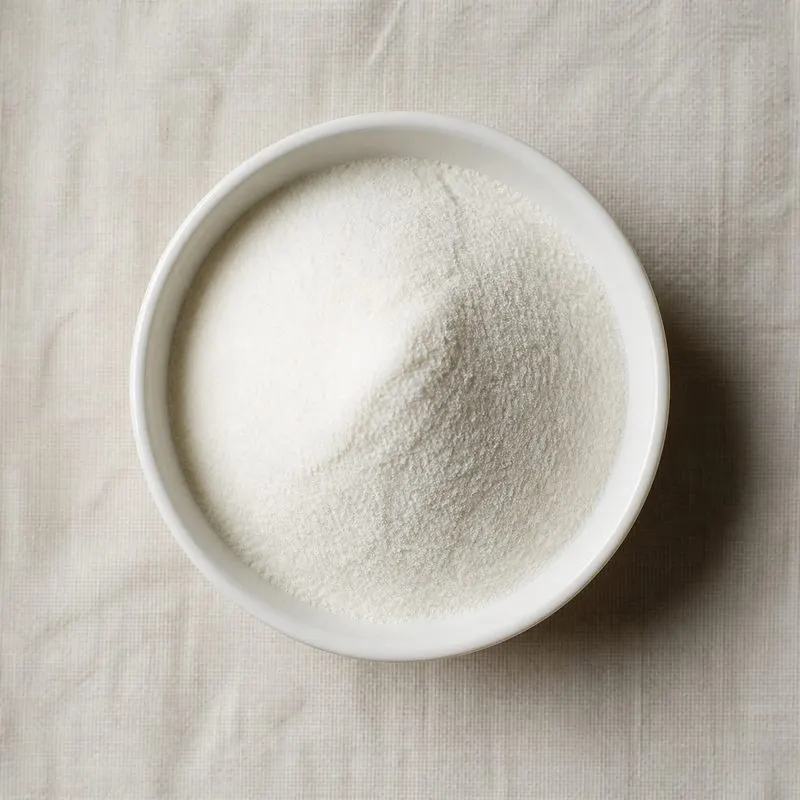
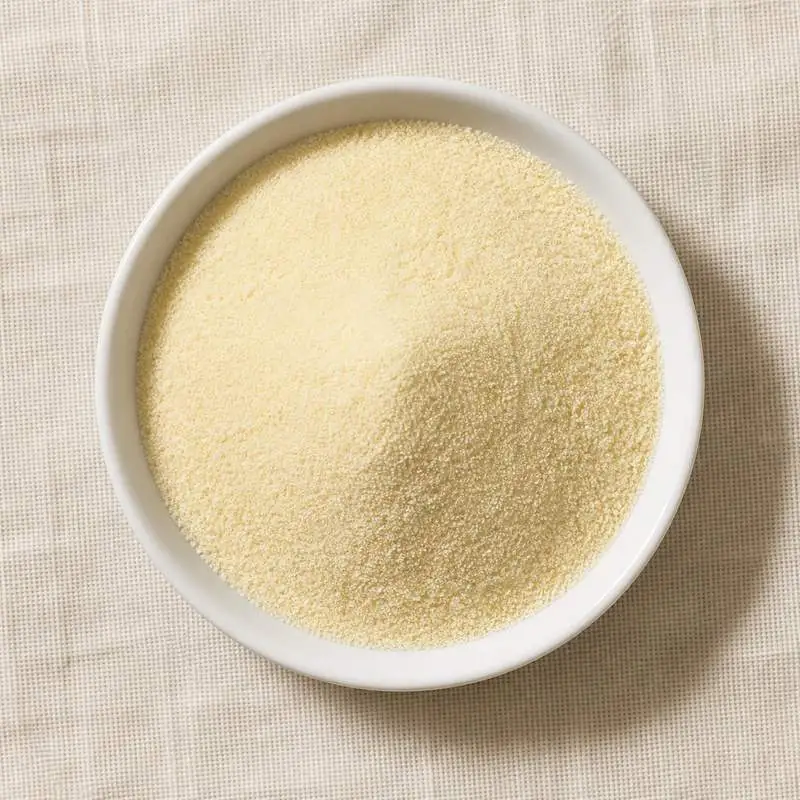
| Appearance | Light brown to tan fine powder |
| Odour and Taste | Characteristic organ odour, slightly bitter and metallic |
| Species of Origin | Bovine, confirmed and traceable to inspected slaughter |
| Peptide Content (dry basis) | Not less than 80.0 percent |
| Peptides below 1000 Daltons | Not less than 80.0 percent |
| Identification | Amino acid profile conforms to reference |
| Loss on Drying | Not more than 7.0 percent |
| Ash | Not more than 8.0 percent |
| Fat | Not more than 1.0 percent |
| pH (1 percent solution) | 5.5 to 7.5 |
| Solubility in Water | Not less than 97.0 percent |
| Lead | Not more than 0.5 mg/kg |
| Arsenic | Not more than 0.5 mg/kg |
| Heavy Metals (as Pb) | Not more than 10 mg/kg |
| Total Plate Count | Not more than 10000 cfu/g |
| Yeast and Mould | Not more than 100 cfu/g |
| E. coli | Negative in 1 g |
| Salmonella | Negative in 25 g |
Common Markets Grades
Grades separate first on decolourisation. Undecoloured material is dark and strongly flavoured and goes into capsules, tablets and feed applications where appearance does not matter. Carbon and resin treated grades are lighter and much less metallic in taste, and carry a premium because the treatment also removes some of the peptide yield. Residual iron content is often declared alongside colour, since it tracks how much haem was carried through.
The second axis is purity and molecular weight. Simple dried hydrolysates run at around 70 percent peptide on a dry basis with an elevated ash content, while membrane purified and desalted grades reach 85 percent or above. Molecular weight is declared with general grades at 80 percent below 1000 daltons and higher grades at 90 percent. Spray dried powder is the bulk format and freeze dried material is offered at a premium. Species declaration and documentation of bovine sourcing controls accompany every consignment and in practice decide market access more tightly than the technical specification.
Applications
- Capsule and tablet supplements in the Chinese health food market, positioned on immune and blood support
- Organ peptide blends combined with liver, heart and thymus preparations
- Sachet peptide powders for middle aged and elderly nutrition
- Traditional tonic formulations combined with botanical extracts
- Iron bearing nutritional powders, where the residual haem fraction is part of the positioning
- Savoury seasoning and offal flavour bases, using the free amino acids for depth
- Pet supplements and premium pet food, where hydrolysed organ protein raises palatability
- Microbiological culture media and fermentation nitrogen sources, as an organ derived peptone
China Manufacturers of Bovine Spleen Peptide
Top Bovine Spleen Peptide manufacturers in China.

Company names and logos are the property of the manufacturers themselves. They are listed here because our own directory records them as producing this ingredient. A listing is not an endorsement by them, and we do not represent them or speak on their behalf.
Regulatory Status
In the United States there is no generally recognised as safe listing covering bovine spleen peptide. Hydrolysates of edible offal from cattle slaughtered under federal inspection are handled as food ingredients on safety that the manufacturer establishes, and supplement presentations, including the glandular products that this material feeds, fall under the dietary supplement framework. Bovine sourcing is the main constraint: the specified risk material controls exclude central nervous tissue and restrict material by the transmissible spongiform encephalopathy status of the country of origin, and lymphoid tissue attracts particular scrutiny in that context, so sourcing documentation is a routine requirement.
In the European Union a peptide preparation from cattle spleen has no history of significant consumption in that form and would in practice require novel food authorisation before being placed on the Union market as a food or supplement ingredient. Production falls under the hygiene rules for food of animal origin, and the transmissible spongiform encephalopathy regulation sets the conditions applying to ruminant material. The substance is not a food additive and holds no E number. Neither JECFA nor Codex has evaluated it or published a specification, so the manufacturer specification and the general Codex standard for contaminants are the working references.
Manufacturing Process
Cattle spleen is received chilled or frozen from an establishment under veterinary inspection, trimmed of capsule, fat and connective tissue, and minced. It is then washed repeatedly in chilled water to flush out as much of the retained blood as possible, because the haemoglobin that remains determines the colour and the metallic taste of the finished powder and is far easier to remove at this stage than later. The washed mince is slurried in water and adjusted to the temperature and pH window of the enzyme system.
Hydrolysis is run with a food grade protease, usually an alkaline endoprotease taken to a defined degree of hydrolysis followed by an exopeptidase stage to reduce bitterness. The enzymes are inactivated by heating and the hydrolysate is centrifuged and filtered to remove undigested residue and separated fat. Ultrafiltration holds back high molecular weight material, and the permeate is decolourised on activated carbon and, for the better grades, on an ion exchange or adsorption resin that takes out the remaining haem derived pigment. Nanofiltration concentrates and desalts the purified liquor, which is then evaporated under vacuum and spray dried, or freeze dried for premium material, then sieved, metal checked and packed with a moisture barrier.