Protease
Protease is the collective name for enzymes that hydrolyse the peptide bonds of proteins, and in food manufacturing the term normally refers to standardised microbial enzyme preparations rather than a single molecule. Endopeptidases cut internal bonds and drop molecular weight quickly, while exopeptidases trim single amino acids from chain ends and are what actually generate free amino acid taste.
Commercial food proteases are grouped by the pH at which they work. Alkaline proteases from Bacillus licheniformis operate between pH 8 and pH 10, neutral proteases from Bacillus amyloliquefaciens sit near pH 7, and acid proteases from Aspergillus niger and Aspergillus oryzae work down to pH 3. The choice follows the process rather than the substrate, since most food proteins are attacked by all three families.
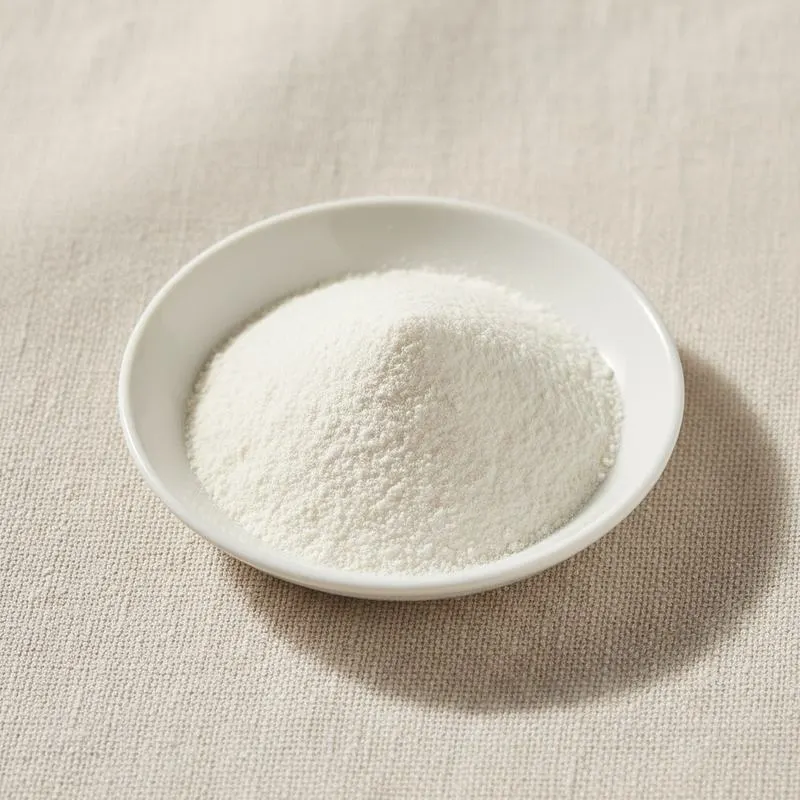
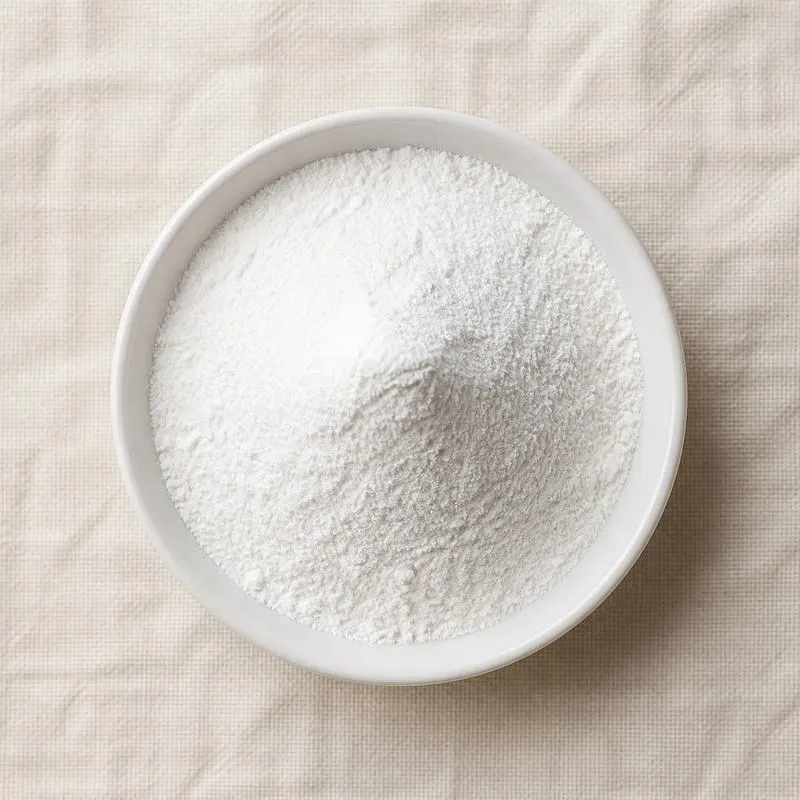
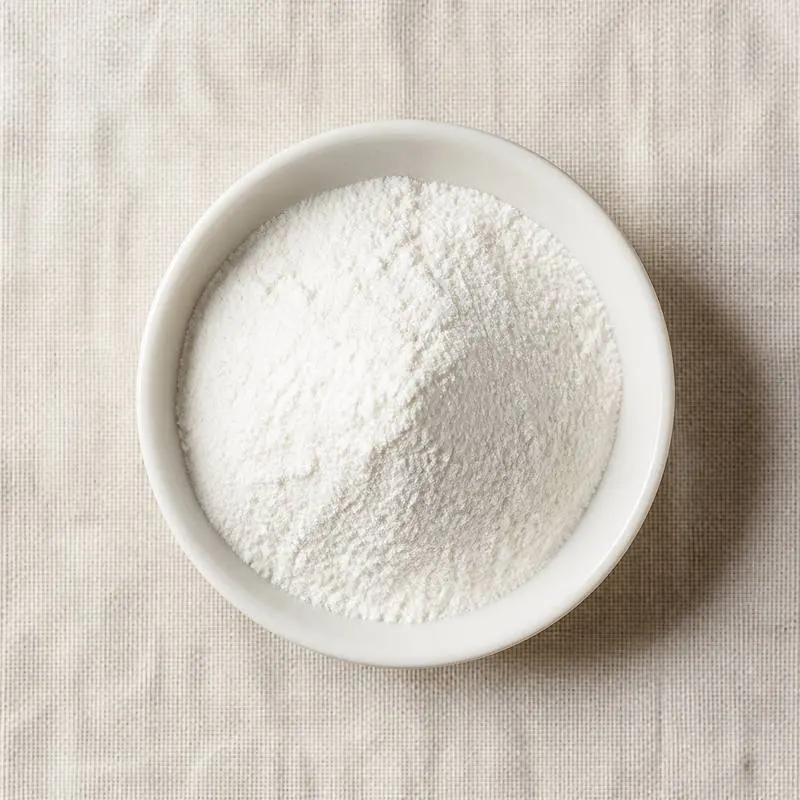
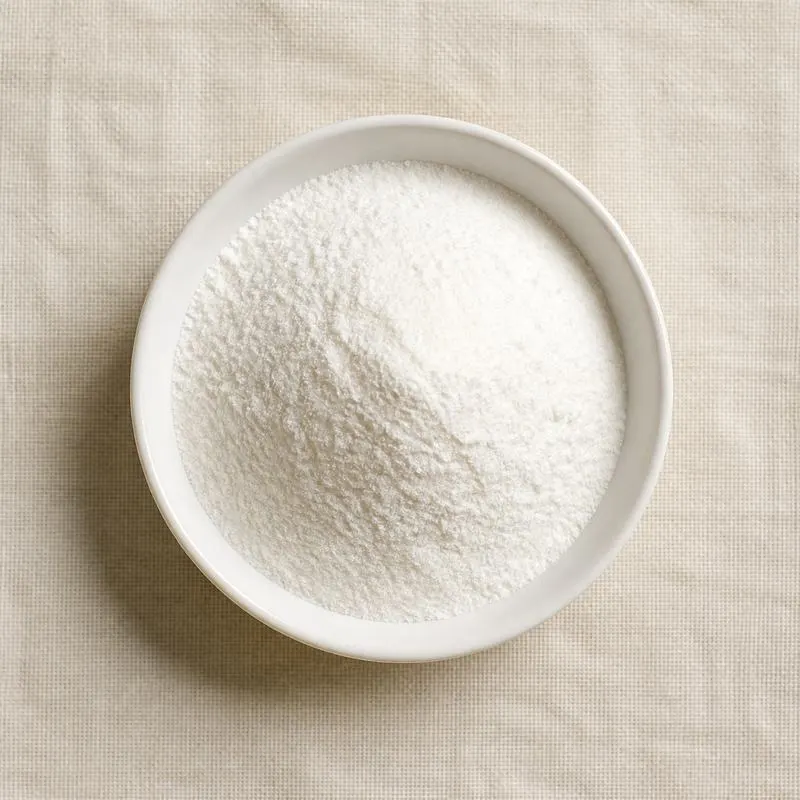
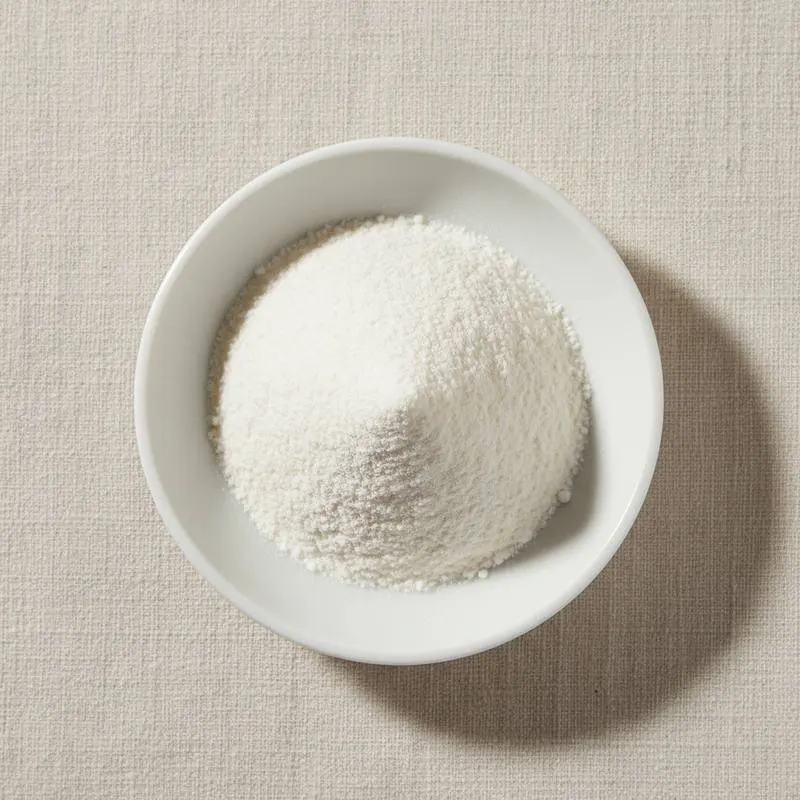
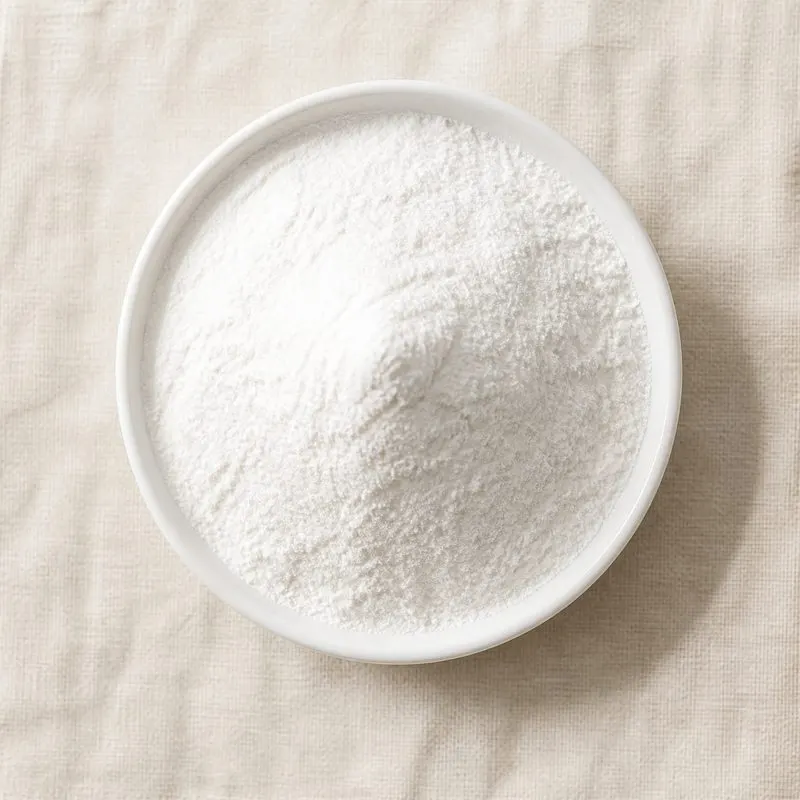
The material reaches the user as a light tan to brown powder or granulate blended with a carrier such as maltodextrin or starch, and as amber liquid concentrates preserved with glycerol or salt. Powders dissolve readily in water, are hygroscopic, and lose activity on prolonged storage above 25 degrees Celsius. All grades are irreversibly denatured by holding the process stream above 85 degrees Celsius, which is the normal way to stop the reaction at a target degree of hydrolysis.
We source bulk Protease from top China manufacturers for our partners. The manufacturers are in Hubei and Guangdong. A smaller requirement can ship in a combined container with other ingredients.
Please send the grade you need, the volume and your destination port, and we will come back with a solution and a price.
or call +86-21-6858 0751
- Function
- Enzyme
Specifications
| Item | Specification |
|---|---|
| Appearance | Light tan to brown free-flowing powder |
| Declared Activity | 200,000 U/g minimum, assay conditions as stated |
| Identification | Proteolytic activity confirmed on casein substrate |
| Optimum pH | 6.0 to 7.5 for the neutral grade |
| Optimum Temperature | 45 to 55 degrees Celsius |
| Loss on Drying | ≤ 8.0% |
| Residue on Ignition | ≤ 12.0% |
| Heavy Metals (as Pb) | ≤ 30 mg/kg |
| Lead | ≤ 5 mg/kg |
| Arsenic | ≤ 3 mg/kg |
| Total Plate Count | ≤ 50,000 cfu/g |
| E. coli | Absent in 25 g |
| Salmonella | Absent in 25 g |
| Antimicrobial Activity | None detected |
Common Markets Grades
Grades are defined by activity unit and by pH family. Declared activity is expressed in Anson units, Delft units or tyrosine units depending on the assay the producer uses, and the assay conditions matter as much as the number, so specifications state the substrate, temperature and pH alongside the unit count. Concentrations are adjusted with carrier to a standard activity so that successive lots dose identically.
Physical options cover spray dried powder, low-dust granulate for open dosing in bakery and detergent-free food plants, and liquid concentrate for metered addition to hydrolysis tanks. Food grade material carries full microbiological and heavy metal limits and is free of antibiotic activity, while feed grade and technical grade preparations of the same enzyme are sold at lower purity. Immobilised and encapsulated versions are made for specialised continuous hydrolysis, but the bulk of the trade is uncoated powder.
Applications
- Protein hydrolysate manufacture from soy, wheat gluten, casein and whey, controlling degree of hydrolysis to set solubility and bitterness
- Savoury flavour bases, where combined endo and exo activity releases the free amino acids that carry umami and meaty character
- Bakery dough conditioning, relaxing gluten to cut mixing time and improve extensibility in biscuit and pizza dough
- Brewing, degrading haze-forming polypeptides and supplementing free amino nitrogen in high-adjunct worts
- Meat processing, tenderising tougher cuts and recovering soluble protein from bones, frames and trimmings
- Dairy, generating peptide fractions for infant formula bases and hypoallergenic nutritional powders
- Fish and krill processing, liquefying raw material for peptide and protein powder production
- Pet food palatants, digesting poultry and viscera raw material into a coating slurry
- Animal feed, added as a digestibility aid alongside phytase and carbohydrase in monogastric diets
- Gelatin and collagen peptide production, cutting native collagen to defined molecular weight ranges
Brands Using Protease
Widely-distributed consumer products that list Protease on the ingredient label.
- NOW FoodsPlant Enzymes Veg Capsules ↗Protease is named in the enzyme blend alongside lactase, papain and bromelain.Label verified 2026-08-31
- SolarayPapaya Enzyme Chewable Tablets ↗The supplement facts panel lists protease among the enzymes supplied per chewable tablet, with amylase, papain and bromelain.Label verified 2026-08-31
- SolaraySuper Digestaway Digestive Enzyme Blend ↗This digestive blend names protease among its enzymes, together with pancreatin, papain and bromelain.Label verified 2026-08-31
Brand names, product names and logos are the property of their owners. They appear here as published evidence that the ingredient is used, taken from the brand's own label or website. Their appearance is not an endorsement, and it does not mean the brand buys from us or from any manufacturer listed on this site.
China Manufacturers of Protease
Top Protease manufacturers in China.
 Angel Enzyme (Yichang) Co., Ltd.5 ingredients in the directory
- Leveking Biotech Co., Ltd.5 ingredients in the directory
Company names and logos are the property of the manufacturers themselves. They are listed here because our own directory records them as producing this ingredient. A listing is not an endorsement by them, and we do not represent them or speak on their behalf.
Regulatory Status
In the United States food enzyme preparations reach the market either through an affirmed generally recognised as safe regulation, through a food additive listing, or through a GRAS notice filed with the Food and Drug Administration for the specific enzyme and production organism. Protease preparations from Bacillus subtilis, Bacillus licheniformis and Aspergillus oryzae have long-standing GRAS status in the United States, and the production strain named on the certificate is what determines which pathway applies.
In the European Union proteases are food enzymes under Regulation (EC) No 1332/2008. Applications submitted during the transitional period are being assessed by the European Food Safety Authority before entry onto the Union list, and enzymes used as processing aids carry no E number and are generally not declared on the finished product label. The Joint FAO/WHO Expert Committee on Food Additives publishes general specifications for enzyme preparations used in food processing, and these set the framework for the lead, heavy metal, coliform, Salmonella and antimicrobial activity limits that appear on commercial certificates of analysis.
Manufacturing Process
Food proteases are made by submerged fermentation of a non-toxigenic production strain, most often a Bacillus species for the neutral and alkaline enzymes and an Aspergillus species for the acid enzymes. A seed culture is grown from a working cell bank and transferred to a stirred aerated fermenter charged with a carbohydrate source such as starch hydrolysate, an organic nitrogen source such as soy meal or corn steep liquor, and mineral salts. The strain secretes protease into the broth over one to several days under controlled temperature, pH, dissolved oxygen and feed rate.
Recovery begins with cell separation by rotary vacuum filtration, centrifugation or microfiltration, which leaves a cell-free enzyme solution. The solution is concentrated and desalted by ultrafiltration, polished through a fine filter, and either formulated as a stabilised liquid or spray dried against a carrier. Dried powder is assayed, blended with further carrier to the declared activity, sieved and packed. Granulation is applied where dust control is required.