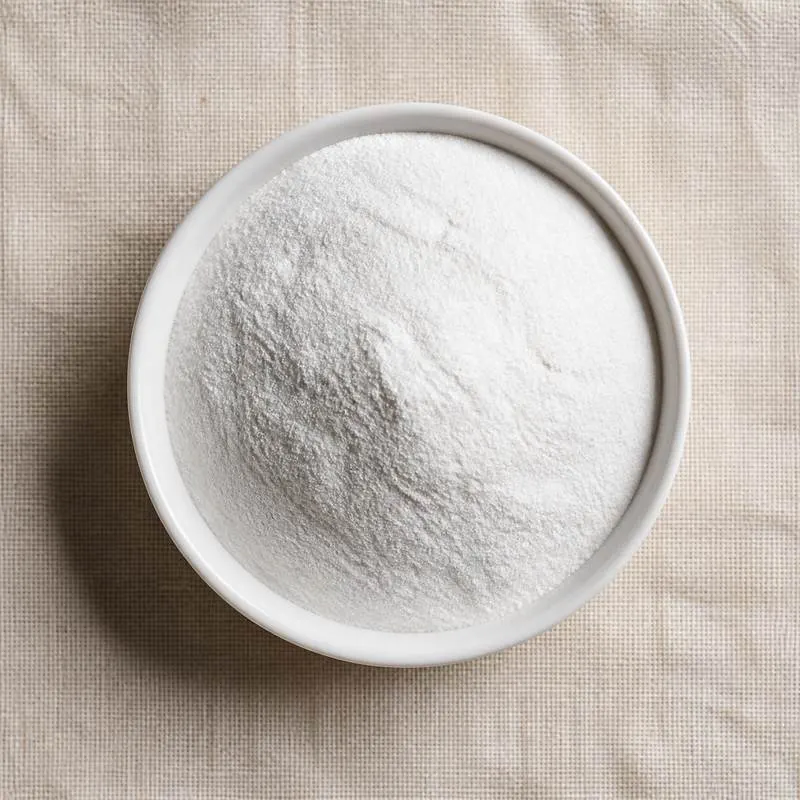
Brown Dextrin
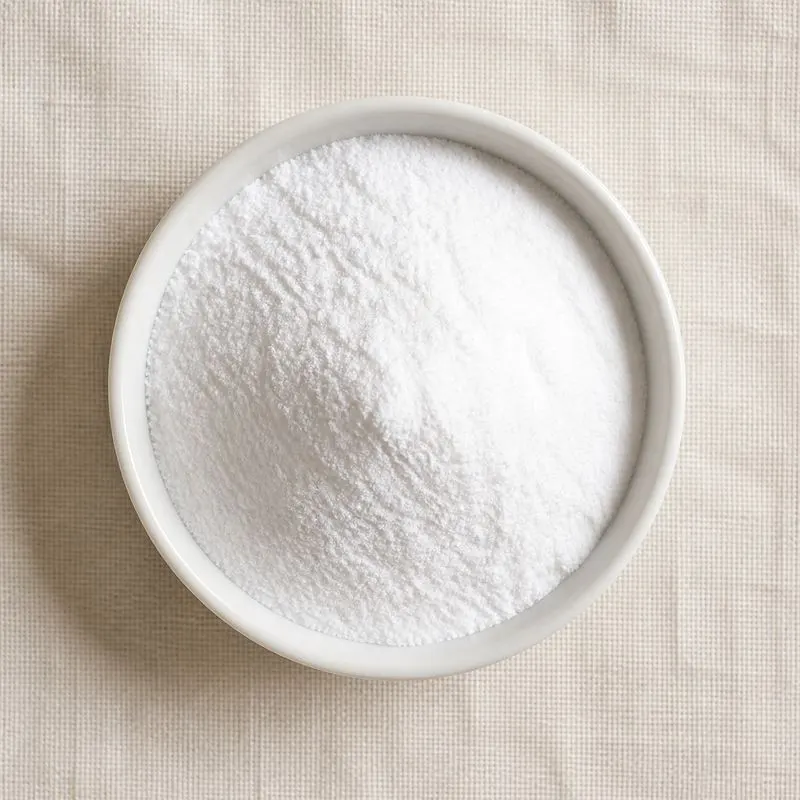
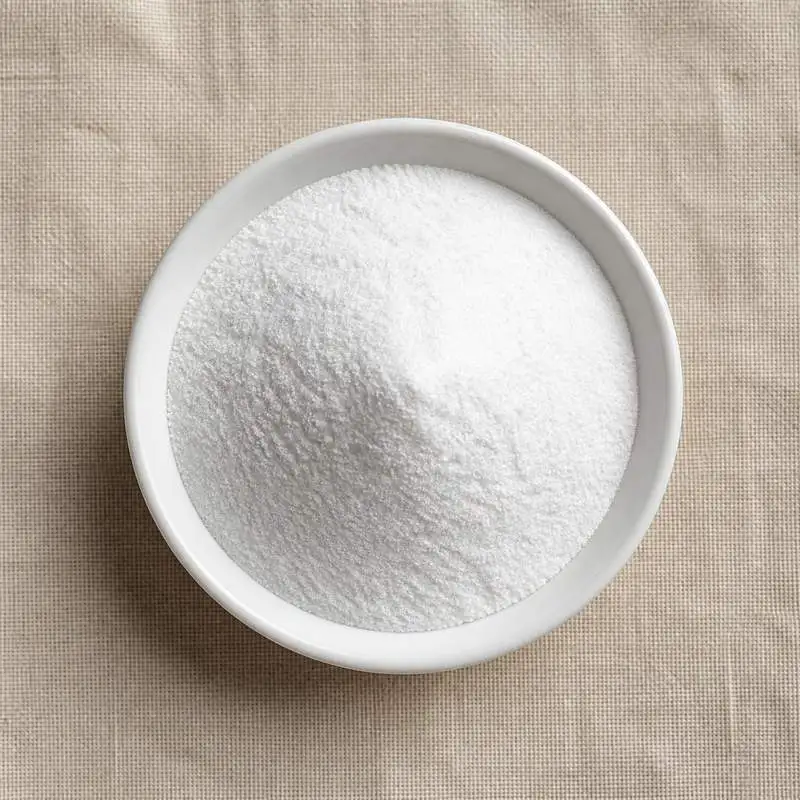
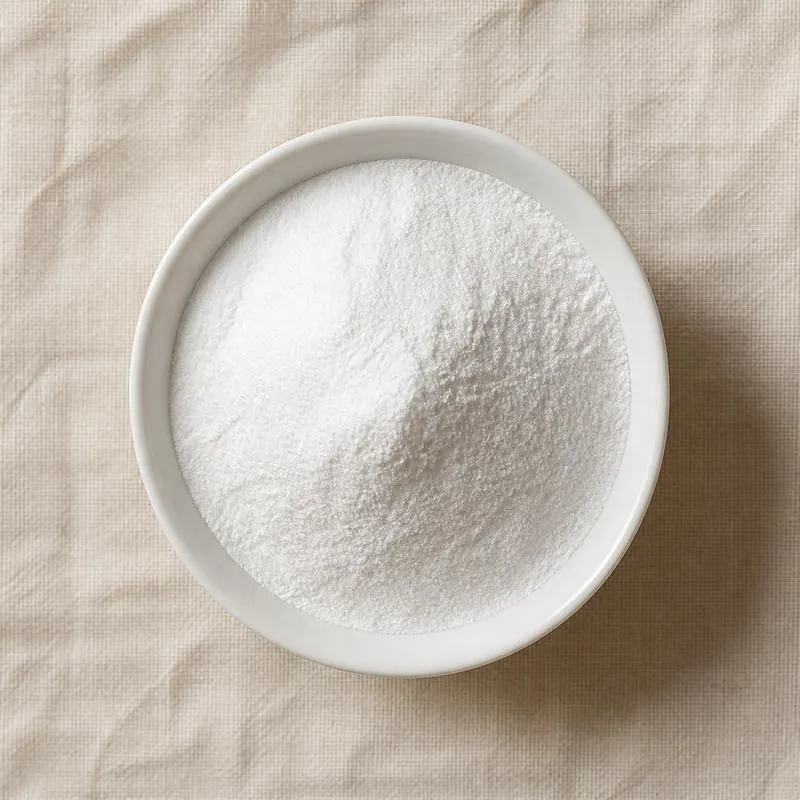
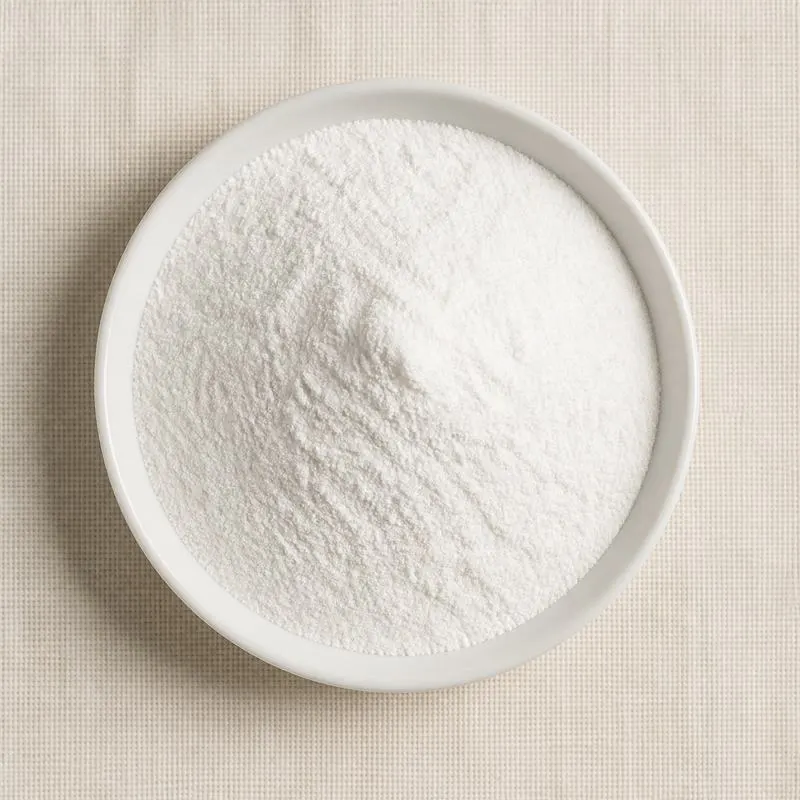
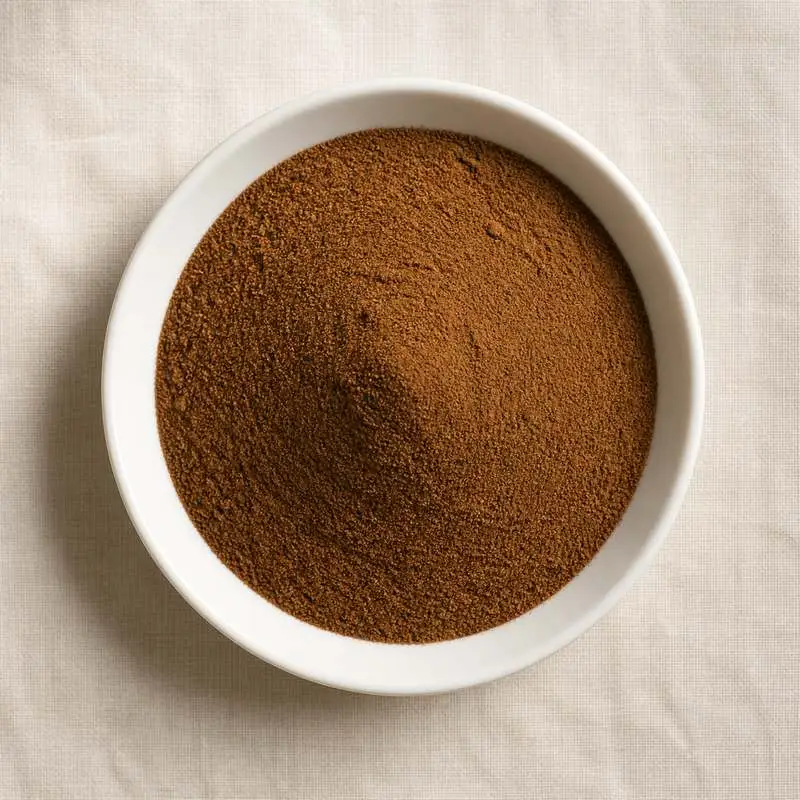
Brown dextrin is a pyrodextrin made by roasting dry starch with a small quantity of acid catalyst at high temperature, which breaks the starch chains down and then re-links the fragments into highly branched, low molecular weight polysaccharides. It is the darkest and most extensively converted member of the dextrin family, historically known in the trade as British gum, and the powder ranges from light tan to dark brown.
The roasting reaction proceeds through three overlapping changes: acid catalysed hydrolysis of the glycosidic bonds, transglucosidation in which the fragments recombine through new and unnatural linkages, and a degree of caramelisation that produces the colour. The result is a molecule far more branched than the parent starch, with many 1,6 and other atypical linkages that resist digestive enzymes, and with a much reduced tendency to retrograde.
The defining property is solubility. Where native starch must be cooked to disperse, brown dextrin dissolves in cold water at concentrations of 50 percent or more, giving a solution of low viscosity that stays fluid and clear to slightly hazy. Solutions are tacky as they dry, which is the basis of the adhesive applications, and they do not set to a gel on cooling. Reducing sugar content is low, generally under 5 percent, because most of the reducing ends have been consumed in the recombination reactions.
We source bulk Brown Dextrin from top China manufacturers for our partners. The manufacturer is in Shaanxi. A smaller requirement can ship in a combined container with other ingredients.
Please send the grade you need, the volume and your destination port, and we will come back with a solution and a price.
or call +86-21-6858 0751
- Function
- Specialty carbohydrate
Specifications
| Item | Specification |
|---|---|
| Appearance | Light tan to dark brown free-flowing powder |
| Odour and Taste | Faint roasted note, bland |
| Identification | Positive for dextrin by iodine reaction |
| Cold Water Solubility | ≥ 95% |
| Viscosity (50% solution, 25 C) | 50 to 200 mPa·s |
| Reducing Sugars as Dextrose | ≤ 5.0% |
| Moisture | ≤ 6.0% |
| Ash | ≤ 0.6% |
| pH (10% solution) | 3.0 to 6.0 |
| Sulphur Dioxide | ≤ 50 mg/kg |
| Particle Size | ≥ 98% through 100 mesh |
| Lead | ≤ 1.0 mg/kg |
| Arsenic | ≤ 1.0 mg/kg |
| Total Plate Count | ≤ 5,000 cfu/g |
| Yeast and Mould | ≤ 100 cfu/g |
| Escherichia coli | Negative in 1 g |
| Salmonella | Negative in 25 g |
Common Markets Grades
Grades are differentiated by colour, cold water solubility and solution viscosity, and these move together, since a longer or hotter roast gives a darker, more soluble, lower viscosity product. Light brown grades retain more viscosity and are used where some body is wanted; dark brown grades are almost fully soluble and are chosen for high solids adhesive solutions.
The starch base is the second specification, with maize, tapioca, potato and waxy maize giving different solution clarity and tack. Industrial or technical grade material, which is the bulk of the market, goes into adhesives and foundry work and is specified on solubility, viscosity, colour and pH. A separate food grade is made under food hygiene conditions with a food permitted acid catalyst, and is specified additionally on heavy metals, sulphur dioxide residue and microbiology. Where the product is sold for its indigestible fraction, dietary fibre content is quoted as an additional line.
Applications
- Remoistenable adhesives for envelopes, gummed tape and postage stamps, where the dried film becomes tacky on wetting
- Case and carton sealing adhesives, and the paste used in paper bag and tube winding
- Foundry core binders, where the dextrin burns out cleanly after the metal is poured
- Textile sizing and print thickening, giving a film that washes out readily
- Confectionery glazes and panned coatings, as a film former that carries colour and gloss
- Bakery and snack coatings, where the solution dries to a crisp layer that holds to the surface
- Spray drying carrier for flavours and colours, using the high solids and low viscosity of the solution
- Dietary fibre ingredient in food grade form, since the atypical linkages resist digestion in the small intestine
- Binder in tablets, briquettes and mineral pelleting
- Gypsum board and wallpaper pastes, as a low cost water soluble binder
China Manufacturers of Brown Dextrin
Top Brown Dextrin manufacturers in China.
Company names and logos are the property of the manufacturers themselves. They are listed here because our own directory records them as producing this ingredient. A listing is not an endorsement by them, and we do not represent them or speak on their behalf.
Regulatory Status
In the United States, dextrins made from starch count as generally recognised as safe food substances, and the FDA food starch modified regulation covers modified food starch prepared by acid and heat treatment, lists the permitted treatments and sets residue limits for the reagents used. Material produced for adhesive, foundry or textile use is an industrial chemical rather than a food and is not covered by those provisions, so the two production streams are kept separate.
In the European Union, dextrins produced by roasting starch with or without acid are classed as modified starches and carry the E number E 1400 as dextrin, roasted starch. The additives regulation permits them under the quantum satis principle in a broad range of foods, and their identity and purity criteria are laid down in the specifications regulation for food additives. Codex has adopted specifications for modified starches through JECFA, which cover dextrins and set purity criteria including limits on sulphur dioxide and heavy metals. JECFA has evaluated modified starches as a group and concluded that an acceptable daily intake need not be specified.
Manufacturing Process
Dry starch, most often maize or tapioca, is first adjusted to a low and uniform moisture content, typically 3 to 5 percent, in a predryer. It is then sprayed with a dilute mineral acid, usually hydrochloric acid, at a few tenths of a percent on the weight of the starch, and mixed thoroughly so the catalyst is evenly distributed. Uniform acid distribution is the critical control, since a local excess gives dark specks and an uneven conversion.
The acidified starch is charged to a jacketed roaster, either a batch converter with a heavy agitator or a continuous fluidised or paddle type unit. It is heated to between 150 and 200 degrees Celsius and held for one to several hours, and the exact profile sets the colour and solubility. During this hold the starch first dries almost completely, then hydrolyses, and finally recombines into the branched dextrin structure while developing its brown colour. The reaction is stopped by rapid cooling, the acid is neutralised with a fine spray of dilute alkali or ammonia, and moisture is adjusted back to a stable level. The cooled product is milled, sieved and packed. Food grade material is additionally screened for foreign matter and is released only when it meets the microbiological limits.