Dextrose
Dextrose is the common commercial name for D-glucose, the most abundant simple sugar in human and animal metabolism.
It is a six-carbon aldose sugar with the formula C₆H₁₂O₆ and a molar mass of 180.16 g/mol. In commerce the term covers both anhydrous and monohydrate crystalline forms, as well as the powdered grades derived from them.
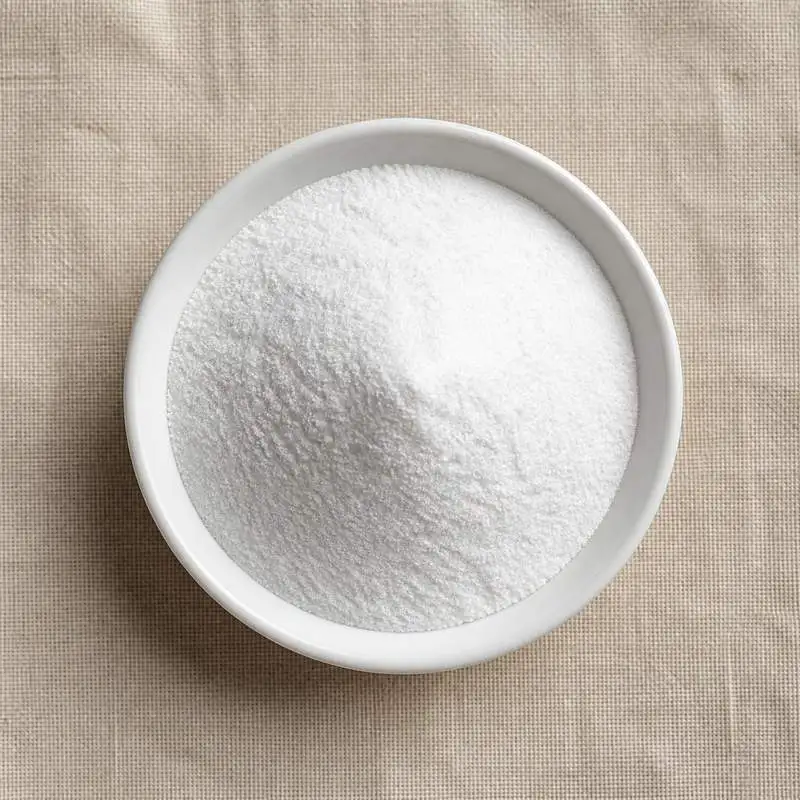
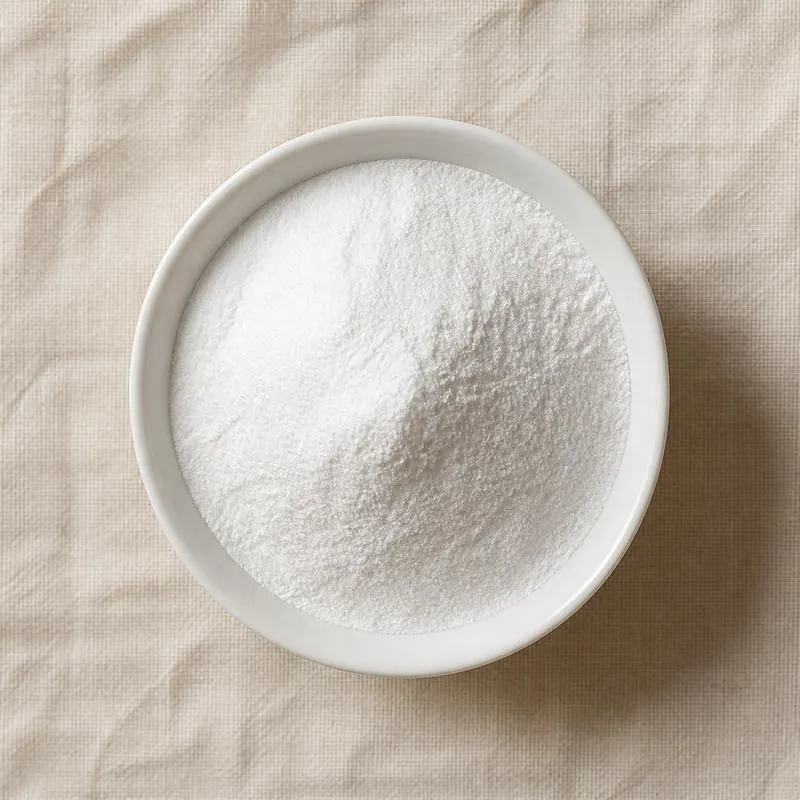
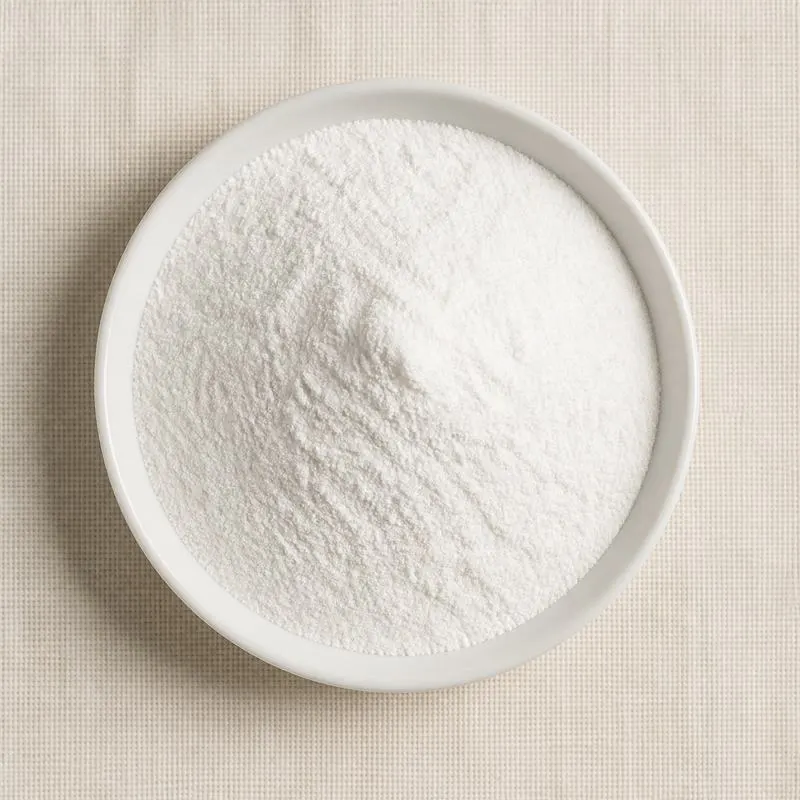
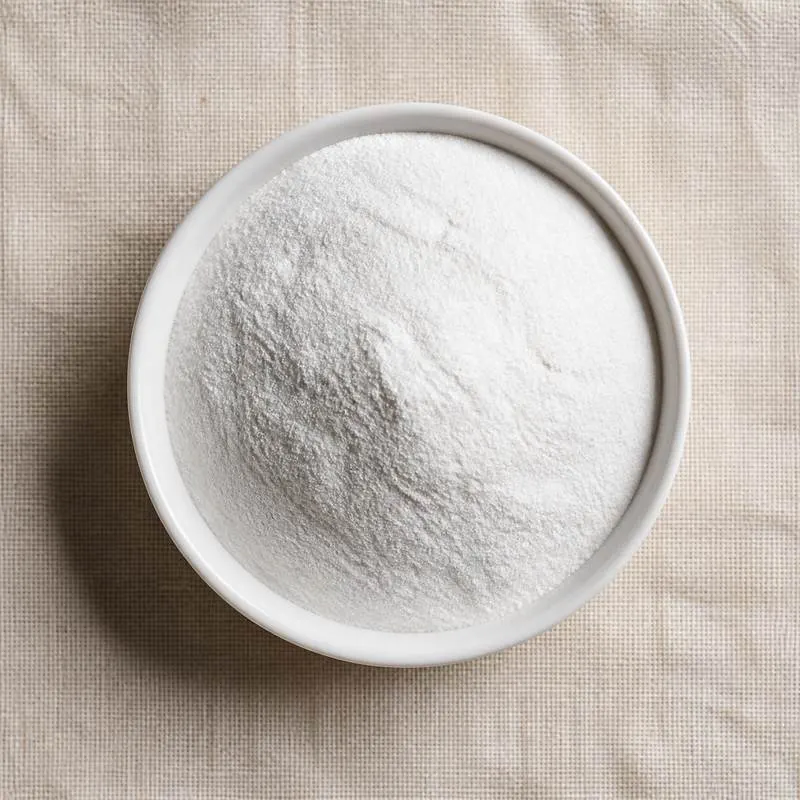
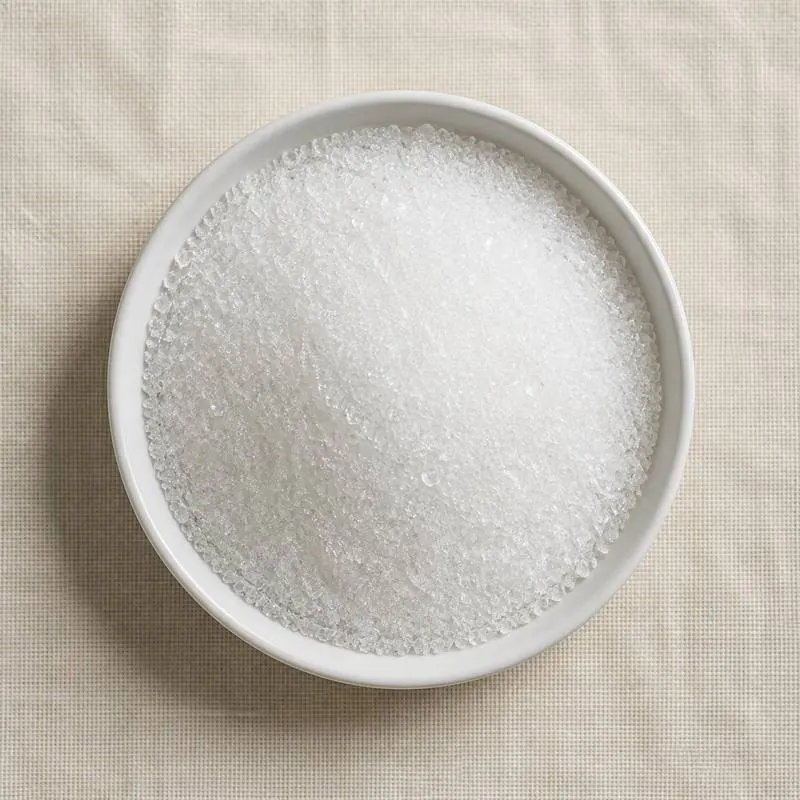
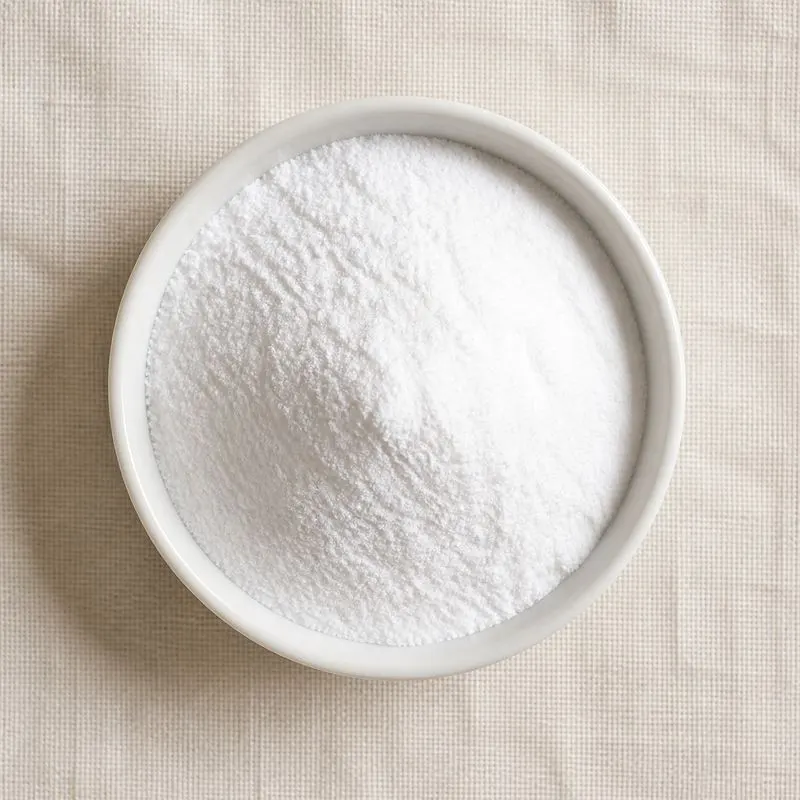
The crystals are white, freely water-soluble, and about 70 to 75 percent as sweet as sucrose, with a clean cooling taste due to the negative heat of solution.
We source bulk Dextrose from top China manufacturers for our partners, working with several of them. The manufacturers are mostly in Shandong, Heilongjiang and Henan. A smaller requirement can ship in a combined container with other ingredients.
Please send the grade you need, the volume and your destination port, and we will come back with a solution and a price.
or call +86-21-6858 0751
- Packaging
- 25 kg kraft paper bag with PE inner liner
- ISO 9001
- HACCP
- Halal
- Kosher
Specifications
Grades / Types Available: Monohydrate, Anhydrous
| Item | Specification |
|---|---|
| Appearance | White crystalline powder |
| Dextrose Content (dry basis) | ≥ 99.5% |
| Specific Rotation [α]D²⁰ | +52.5° to +53.5° |
| Loss on Drying | ≤ 9.0% (monohydrate) / ≤ 0.5% (anhydrous) |
| Residue on Ignition | ≤ 0.1% |
| pH (10% solution) | 3.5–6.5 |
| Heavy Metals (as Pb) | ≤ 0.5 ppm |
| Taste | Sweet |
| Odor | Odorless |
| Solubility | Very soluble in water |
Common Markets Grades
There are two principal crystalline forms of Dextrose.
Dextrose monohydrate carries one molecule of water of crystallisation, contains roughly 9 percent water, and is the standard commodity form for food and beverage use.
Dextrose anhydrous is dried below 0.5 percent moisture and is preferred for pharmaceutical injection, intravenous solutions, and dry-blend applications where free moisture must be avoided.
Within each form, particle-size grades range from coarse crystal (for fluidized fermentation use) through fine and pulverised powders to dust-free agglomerated grades for direct compression.
Pharmaceutical, food, and feed grades exist with progressively tighter limits on heavy metals, microbial counts, and pyrogens.
Applications
- Fermentation feedstock for antibiotics, organic acids, amino acids, and yeast
- Sweetener and humectant in confectionery and bakery
- Energy source in sports drinks, gels, and recovery products
- Fast-acting glucose source in oral rehydration solutions
- Intravenous nutrition and parenteral fluid base in hospitals
- Direct-compression filler and diluent in tablets and lozenges
- Substrate for enzymatic conversion to fructose, sorbitol, and gluconic acid
- Browning aid and reducing sugar in cured meats and bakery glazes
- Carbohydrate base in infant nutrition and clinical formulas
- Bulking sweetener in flavoured dairy and frozen desserts
- Cell culture and biopharmaceutical fermentation media
Brands Using Dextrose
Widely-distributed consumer products that list Dextrose on the ingredient label.
- HormelHORMEL NATURAL CHOICE Uncured Genoa Salami ↗Ingredients: Pork, Beef, Salt, Contains 2% or less of Dextrose, Water, Cultured Celery Powder, Natural Flavoring, Spice, Cherry Powder, Lactic Acid Starter Culture, Sea Salt, Turbinado SugarLabel verified 2026-05-24
- HormelHORMEL BLACK LABEL Microwave Ready Bacon ↗Cured With Water, Salt, Sugar, Dextrose, Sodium Erythorbate, Sodium NitriteLabel verified 2026-05-24
- NOW SportsDextrose Powder ↗Active ingredient: Dextrose (also known as glucose), derived from non-GMO cornLabel verified 2026-05-24
- GatoradeGatorade Thirst Quencher Lemon-Lime ↗Product page states: 'Gatorade Thirst Quencher contains sugar and dextrose, which provide carbohydrates that help fuel working muscles during longer or more intense activity'Label verified 2026-05-24
- GlucoLiftGlucoLift All Natural Glucose Tablets ↗Active ingredient: dextrose. Brand emphasizes 'all natural glucose tablets' with dextrose as primary ingredientLabel verified 2026-05-24
Brand names, product names and logos are the property of their owners. They appear here as published evidence that the ingredient is used, taken from the brand's own label or website. Their appearance is not an endorsement, and it does not mean the brand buys from us or from any manufacturer listed on this site.
China Manufacturers of Dextrose
Top Dextrose manufacturers in China.
 Fufeng Marketing Co., Ltd.4 ingredients in the directory
 Heilongjiang Jinxiang Biochemical Co., Ltd.9 ingredients in the directory
 Henan Feitian Biotechnology Co., Ltd.11 ingredients in the directory
 Luzhou Bio-chem Technology (Shandong) Co., Ltd.9 ingredients in the directory
 Qingyuan Foodstuff Co., Ltd.9 ingredients in the directory
 Qinhuangdao Lihua Starch Co., Ltd.11 ingredients in the directory
- Shandong Bangye Co., Ltd.1 ingredient in the directory
 Shandong Lianmeng International Trade Co., Ltd.10 ingredients in the directory
 Shandong Tianli Pharmaceutical Co., Ltd.5 ingredients in the directory
Company names and logos are the property of the manufacturers themselves. They are listed here because our own directory records them as producing this ingredient. A listing is not an endorsement by them, and we do not represent them or speak on their behalf.
How We Help Source Dextrose
Direct Factory Sourcing
We run the whole process: selecting the manufacturer from the top Chinese food ingredient producers, negotiating the price, verifying quality, and coordinating the logistics. You deal with us instead of with several factories at once.
Original Packaging and Documents from the Manufacturer
The manufacturer sends your Dextrose out of its own factory in the original packing, through to your destination port. The COA, COO, MSDS, TDS and any certifications reach you from the manufacturer as well.
Free Samples and Lead Time
We send 100 to 500 g free for your own laboratory to test and you cover only the courier, usually within 2 to 3 working days. ETD is usually within 7 to 15 days once the order is confirmed, and we check that date against the factory's own manufacturing schedule before we give it to you.
Combined Shipment
We can load Dextrose together with other ingredients such as Fructooligosaccharides, Dextrose Monohydrate and L-Arabinose into one 20' FCL. If your quantity is small, we can also ship LCL.
Regulatory Status
Dextrose is recognised as a food and pharmaceutical ingredient in every regulated market and does not carry an E number.
The U.S. FDA covers it under GRAS in 21 CFR 184.1857. It appears in the USP-NF and the European Pharmacopoeia under monographs for both Dextrose Monohydrate and Anhydrous Dextrose.
JECFA and Codex treat dextrose as a generally accepted carbohydrate sweetener with no specified intake limit.
Kosher, Halal, non-GMO, and organic certifications are widely available depending on source starch.
Manufacturing Process
Dextrose is produced by complete enzymatic hydrolysis of food starch.
Cleaned starch is gelatinized, liquefied with α-amylase to a low-DE dextrin, then saccharified with glucoamylase to drive the conversion to free glucose. The hydrolysate typically reaches 95 to 96 DE.
The crude liquor is purified through carbon, ion-exchange, and polishing filtration to remove colour, ash, and protein.
The purified syrup is concentrated by evaporation and crystallised. Crystallisation conditions select for monohydrate (below 50 degrees Celsius) or anhydrous (above 50 degrees Celsius) form.
Crystals are separated by centrifugation, washed, dried, and milled or agglomerated to the target particle profile.