Carvacrol
Carvacrol is a phenolic monoterpenoid, chemically 5 isopropyl 2 methylphenol, and is the compound chiefly responsible for the pungent warm herbaceous odour of oregano, savory and certain thyme chemotypes. It is an isomer of thymol, differing only in the position of the hydroxyl group on the aromatic ring, and the two commonly occur together in the same essential oils.
In food it functions as a flavouring substance and as an antimicrobial. The free phenolic hydroxyl group allows it to partition into bacterial membranes and disrupt them, which is the basis of its activity against a broad range of bacteria and moulds, and the same group makes it a modest antioxidant. As a flavour it is used at very low levels, since it is intensely pungent and carries a medicinal note when overdosed.
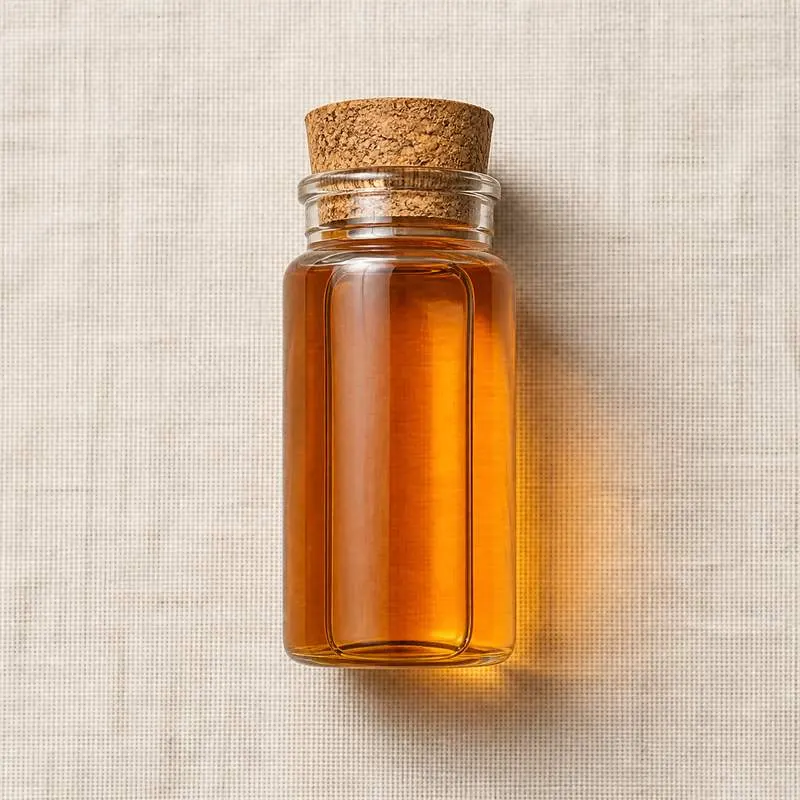
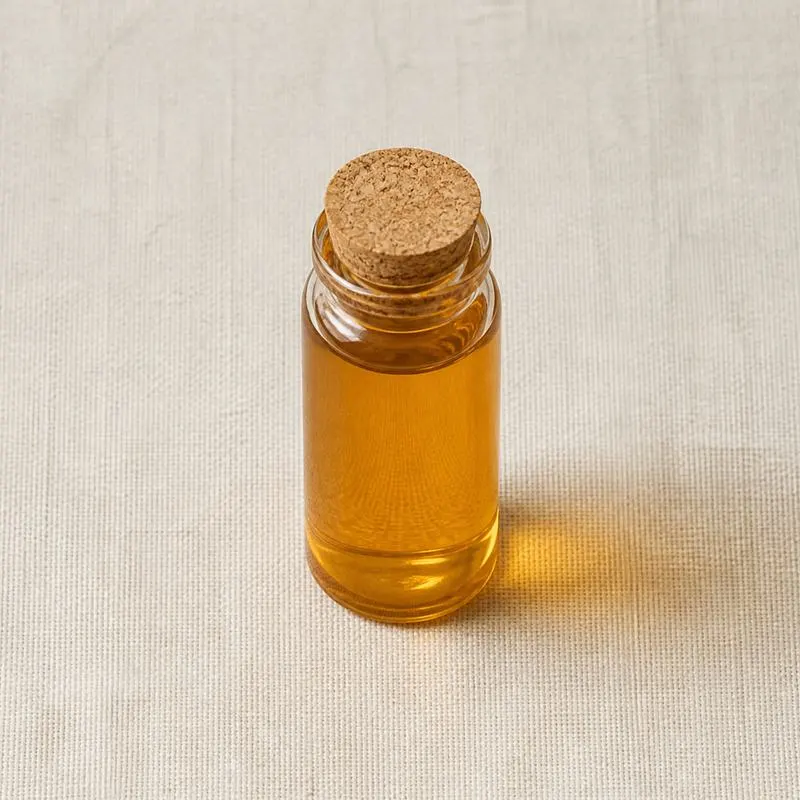
It is a colourless to pale yellow oily liquid that darkens on exposure to air and light, with a boiling point above two hundred and thirty degrees. It is practically insoluble in water, freely soluble in ethanol, vegetable oils and propylene glycol, and volatile in steam. Its low water solubility decides how it is used, so aqueous applications require an emulsion, a cyclodextrin complex or another delivery system rather than direct addition.
We source bulk Carvacrol from top China manufacturers for our partners. The manufacturer is in Hebei. A smaller requirement can ship in a combined container with other ingredients.
Please send the grade you need, the volume and your destination port, and we will come back with a solution and a price.
or call +86-21-6858 0751
- Function
- Flavours and Aromas
Specifications
| Item | Specification |
|---|---|
| Appearance | Colourless to pale yellow clear oily liquid |
| Odour | Characteristic warm pungent oregano and thyme phenolic |
| Assay by gas chromatography | 98.0 percent minimum |
| Identification | Infrared and mass spectrum conform to reference |
| Thymol content | 1.0 percent maximum |
| Specific gravity at 25 degrees Celsius | 0.974 to 0.980 |
| Refractive index at 20 degrees Celsius | 1.521 to 1.526 |
| Boiling range | 236 to 239 degrees Celsius at atmospheric pressure |
| Solubility in ethanol | Clear solution in 1 volume of 70 percent ethanol |
| Water content | 0.2 percent maximum |
| Residue on evaporation | 0.1 percent maximum |
| Heavy metals as lead | 10 mg per kg maximum |
| Lead | 1 mg per kg maximum |
| Arsenic | 1 mg per kg maximum |
Common Markets Grades
Two distinct materials trade under the name. Natural carvacrol is isolated from oregano, savory or thyme oil by fractional distillation or by alkaline extraction of the phenolic fraction, and assays typically above ninety eight percent with the balance made up of thymol, p cymene and gamma terpinene from the source oil. Synthetic carvacrol is produced chemically and reaches ninety nine percent or higher with a different and generally simpler impurity profile. The two are not interchangeable on a label, since only the isolated material supports a natural flavouring declaration.
Beyond the pure substance, the market trades oregano oil standardised to a declared carvacrol content, which is bought as a functional antimicrobial rather than as a flavour chemical, and a range of delivery forms: emulsions and microemulsions for aqueous systems, spray dried powders on maltodextrin or modified starch, cyclodextrin inclusion complexes, and liposomal or nanoemulsion preparations developed for antimicrobial use. Feed grade material is traded separately from food grade and at a lower assay, and pharmaceutical and cosmetic grades exist alongside both.
Applications
- Savoury seasoning blends, contributing the defining oregano note to pizza, tomato and Mediterranean profiles
- Meat products and marinades, used at flavour level and for its activity against spoilage bacteria
- Sauces and canned tomato products, where the pungency survives sterilisation
- Snack seasonings applied topically to crisps and extruded snacks
- Antimicrobial washes and coatings for fresh produce, applied as an emulsion
- Edible films and active packaging, incorporated so that vapour phase activity extends shelf life
- Bakery mould inhibition, where the vapour pressure allows headspace activity in wrapped product
- Animal feed additives, one of the largest volume outlets, used as a growth performance and gut health agent
- Oral care and confectionery in trace amounts, using the phenolic antiseptic character
- Beverages and dairy in small quantities, delivered as a solubilised preparation
Brands Using Carvacrol
Widely-distributed consumer products that list Carvacrol on the ingredient label.
- Gaia HerbsOil of Oregano ↗Ingredient list reads oregano leaf supercritical CO2 extract, carvacrol and thymol, sunflower lecithin and vegan capsule, with no less than 27 mg carvacrol per capsule.Label verified 2026-08-31
- doTERRAOregano Essential Oil ↗Product page identifies carvacrol as the main chemical component of the oregano oil.Label verified 2026-08-31
- Edens GardenOregano Essential Oil ↗Product page cites the oil's high carvacrol content as the reason it must be diluted before topical use.Label verified 2026-08-31
Brand names, product names and logos are the property of their owners. They appear here as published evidence that the ingredient is used, taken from the brand's own label or website. Their appearance is not an endorsement, and it does not mean the brand buys from us or from any manufacturer listed on this site.
China Manufacturers of Carvacrol
Top Carvacrol manufacturers in China.

Company names and logos are the property of the manufacturers themselves. They are listed here because our own directory records them as producing this ingredient. A listing is not an endorsement by them, and we do not represent them or speak on their behalf.
Regulatory Status
In the United States carvacrol is a permitted flavouring substance. It appears among the synthetic flavouring substances and adjuvants listed in 21 CFR 172.515, and it is also recognised as a flavouring ingredient by the expert panel of the flavour industry association whose conclusions the agency has accepted. Oregano and its essential oil are separately listed as generally recognised as safe spice and natural extractives. Where carvacrol is sold for an antimicrobial rather than a flavour purpose, the intended use determines whether it is treated as a food additive or as a pesticide preparation, and product claims are the practical dividing line.
In the European Union carvacrol is an authorised flavouring substance on the Union list maintained under the flavourings regulation, and it carries no E number since flavourings are not additives. It is also authorised as a zootechnical or sensory feed additive under the feed additives framework, which covers the large volume fed to poultry and swine. Use as a preservative in food is not covered by a flavouring authorisation, and a specific additive authorisation would be needed for that purpose. Codex handles the substance through its guidelines on the use of flavourings, which rest on evaluations by the Joint Expert Committee on Food Additives.
Manufacturing Process
The natural route begins with oregano, savory or thyme herb, which is steam distilled to give an essential oil containing carvacrol together with thymol, p cymene and terpene hydrocarbons. The oil is then fractionated under high vacuum in a packed column, which separates the light terpene hydrocarbons from the higher boiling phenols. Where a cleaner separation is required, the phenolic fraction is washed with dilute sodium hydroxide to convert carvacrol and thymol into water soluble sodium phenolates, the neutral terpenes are separated off, and the phenols are recovered by acidifying the aqueous layer. A final vacuum rectification separates carvacrol from thymol, which is the difficult step because the two isomers boil close together.
The synthetic route starts from p cymene or from o cresol. In the common industrial process, p cymene is sulphonated with concentrated sulphuric acid and the sulphonic acid is fused with alkali, which replaces the sulphonate group with a hydroxyl group to give carvacrol. An alternative alkylates o cresol with propene over an acid catalyst. In either case the crude product is neutralised, washed, and purified by vacuum fractional distillation, sometimes with a crystallisation step to remove the isomeric by products. Finished material is filtered, checked for assay by gas chromatography, and filled under nitrogen into lined drums or glass, since the phenol darkens on contact with air, light and iron.