Chicken Endothelium Peptide
Chicken Endothelium Peptide is a low molecular weight hydrolysate prepared from the inner lining of the chicken gizzard, the tissue known in traditional Chinese materia medica as endothelium corneum gigeriae galli. The membrane is a keratinised epithelial layer that is peeled from the gizzard during poultry processing, dried, and then hydrolysed with proteases to convert its structural protein into short peptides.
The finished ingredient functions as a standardised peptide preparation rather than as a bulk protein source. It is traded on peptide content and molecular weight distribution, with most of the material falling below 1000 daltons, and it is positioned in digestive health and appetite formulations that follow the historical use of the whole dried membrane.
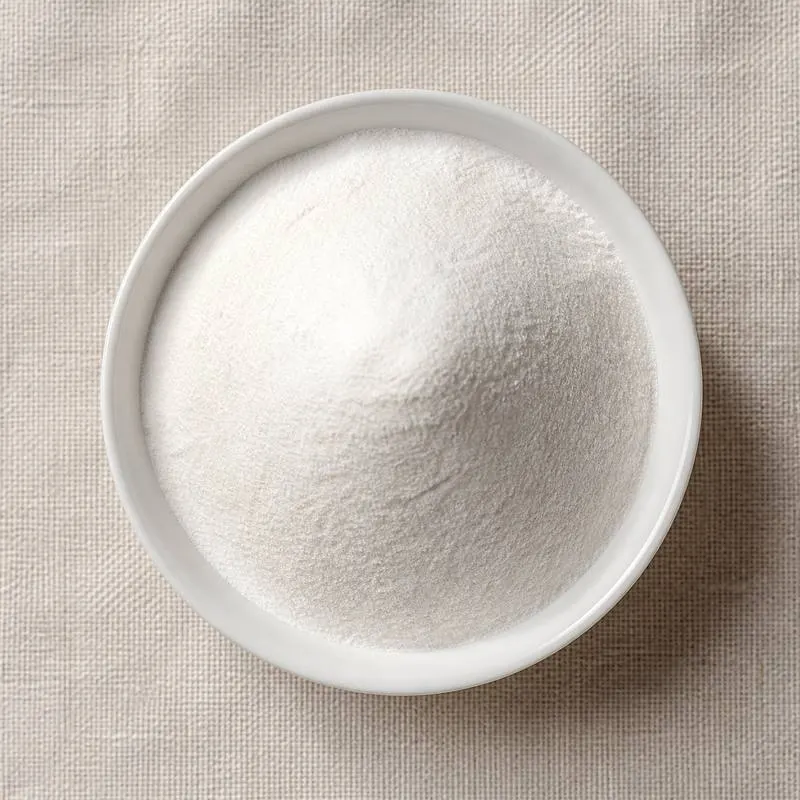
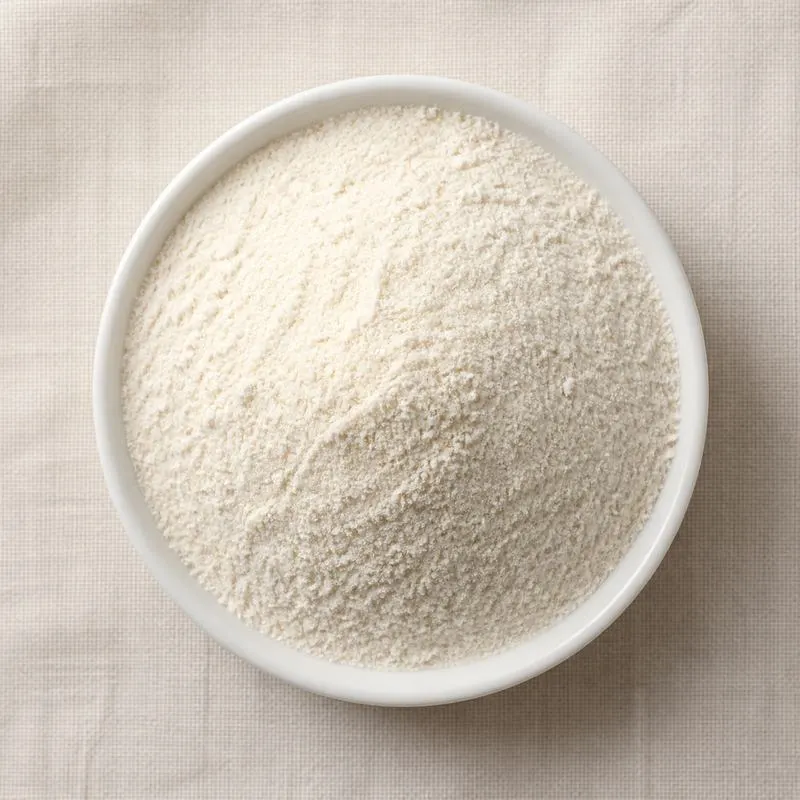
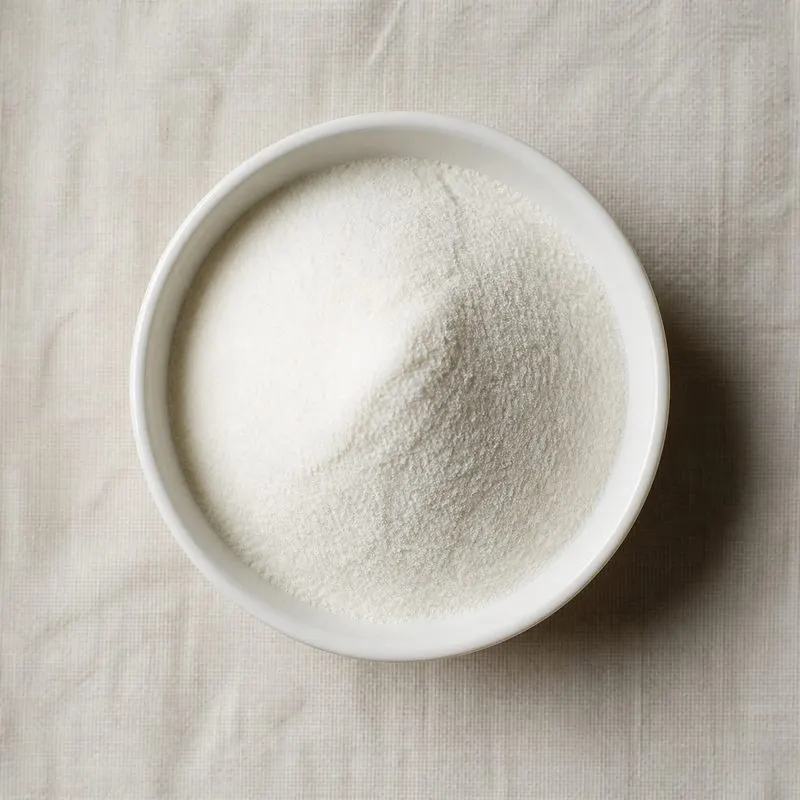
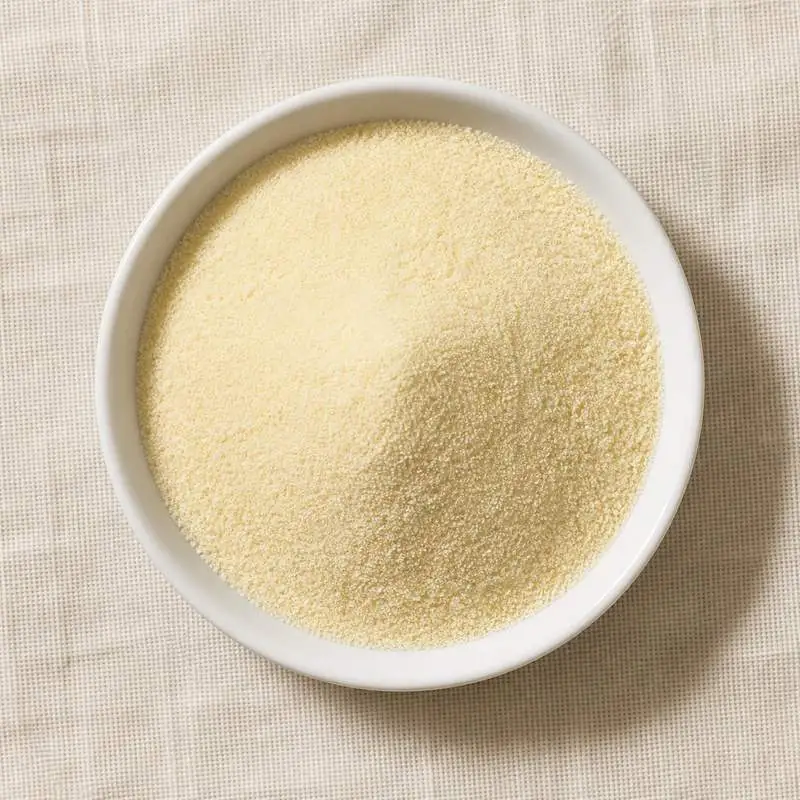
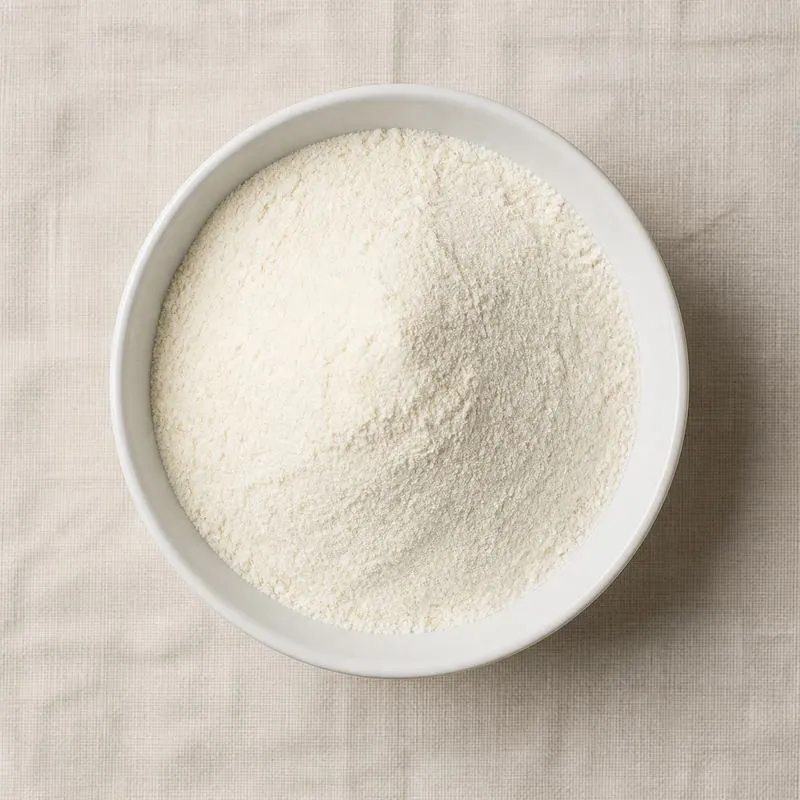
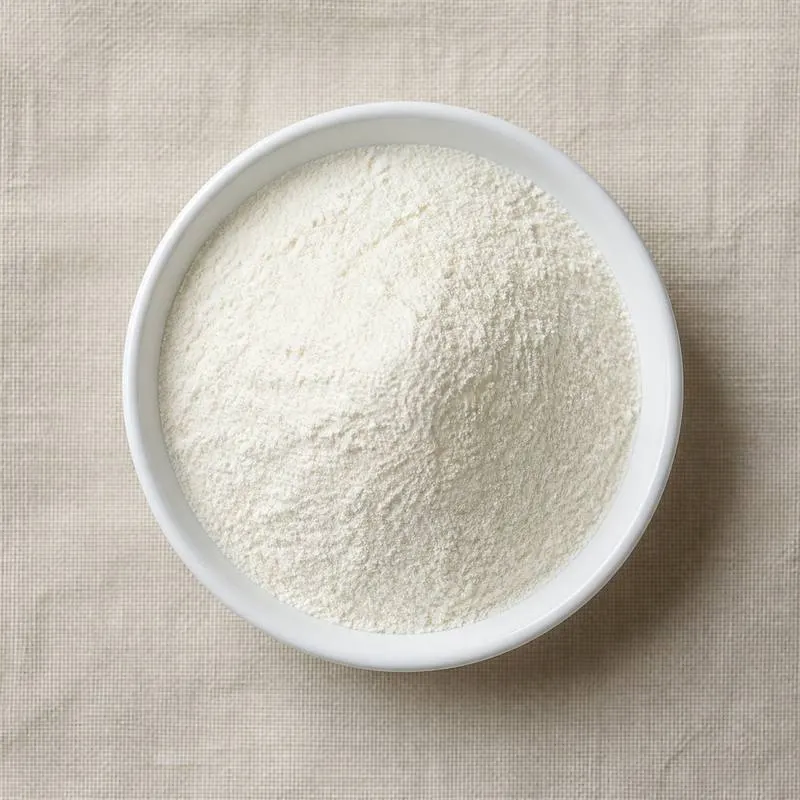
Supply form is a light yellow to brown spray-dried powder with a characteristic savoury and slightly bitter taste. Hydrolysis removes the insolubility of the parent tissue, so the powder disperses and dissolves readily in cold and warm water at neutral pH, and the small peptides are heat stable and resist precipitation across the acidity range of ordinary beverages.
We source bulk Chicken Endothelium Peptide from top China manufacturers for our partners. The manufacturer is in Sichuan. A smaller requirement can ship in a combined container with other ingredients.
Please send the grade you need, the volume and your destination port, and we will come back with a solution and a price.
or call +86-21-6858 0751
- Function
- Protein
Specifications
| Item | Specification |
|---|---|
| Appearance | Light yellow to brown fine powder |
| Odour and taste | Characteristic, savoury with a slight bitterness |
| Identification | Conforms, molecular weight profile by gel permeation chromatography |
| Peptide content, dry basis | Minimum 60.0 percent |
| Protein, N x 6.25, dry basis | Minimum 75.0 percent |
| Fraction below 1000 daltons | Minimum 80.0 percent |
| Loss on drying | Maximum 7.0 percent |
| Ash | Maximum 8.0 percent |
| Solubility in water | Minimum 95.0 percent |
| pH, 1 percent solution | 5.0 to 7.0 |
| Lead | Maximum 0.5 mg per kg |
| Arsenic | Maximum 1.0 mg per kg |
| Total plate count | Maximum 10,000 CFU per gram |
| Yeast and mould | Maximum 100 CFU per gram |
| E. coli | Negative per gram |
| Salmonella | Negative per 25 gram |
Common Markets Grades
Grades are separated by peptide assay and molecular weight cut-off. Standard material is specified at a minimum peptide content of around 60 percent with more than 80 percent of the peptide pool below 1000 daltons. Concentrated grades reach 80 percent or higher peptide content after ultrafiltration and desalting, and carry a correspondingly lower ash figure.
A second distinction is between hydrolysate produced from the dried membrane alone and material produced from a mixed gizzard fraction, the former commanding a tighter specification and a cleaner colour. Deodorised and decolourised grades are polished over activated carbon for use in clear liquid formats, while unrefined grades retain more colour and a stronger flavour and are used in capsules, granules and traditional preparations. Both fine powder and granulated formats are traded, and the material is normally sold as food grade for supplement manufacture rather than as a bulk food protein.
Applications
- Digestive health supplements in capsule and sachet form, the principal commercial application
- Children's appetite and feeding formulations, following the historical use of the dried membrane
- Functional granules and instant powders dissolved in warm water before consumption
- Herbal compound formulations, where the peptide replaces the coarse powdered membrane for better solubility
- Tablets and chewables, where the hydrolysate is blended with excipients at a declared peptide dose
- Functional beverages and shots, where cold water solubility and heat stability allow hot filling
- Solid drink and meal replacement bases positioned around digestive comfort
- Pet supplements aimed at digestive support in companion animals
China Manufacturers of Chicken Endothelium Peptide
Top Chicken Endothelium Peptide manufacturers in China.

Company names and logos are the property of the manufacturers themselves. They are listed here because our own directory records them as producing this ingredient. A listing is not an endorsement by them, and we do not represent them or speak on their behalf.
Regulatory Status
In the United States, the dried chicken gizzard membrane and its hydrolysate have no food additive regulation and no affirmed generally recognized as safe listing. Commercial material is handled as a dietary ingredient in supplements, where the pathway depends on demonstrating marketing history or filing a new dietary ingredient notification, and poultry derived material is subject to Department of Agriculture inspection requirements at the point of collection.
In the European Union the hydrolysate carries no E number because it is not a food additive. A peptide preparation from chicken gizzard membrane without a significant history of consumption in the Union before May 1997 falls to be assessed under the novel food framework of Regulation EU 2015/2283, and poultry derived raw material must satisfy the hygiene and animal by-product rules including Regulation EC 853/2004. In China the parent material is a recognised traditional medicinal substance and the peptide is traded as a health food raw material. Codex has no commodity standard for the ingredient and JECFA has not evaluated it.
Manufacturing Process
The raw material is the horny inner membrane of the chicken gizzard, separated at the poultry plant, washed free of feed residue and gizzard content, and dried. The dried membrane is milled and rehydrated in water, then heated to soften the keratinised protein structure and make it accessible to enzymes.
Hydrolysis is carried out with food grade proteases, typically an alkaline bacterial protease followed by a neutral or exopeptidase polishing stage, with pH and temperature held at the enzyme optimum until the target degree of hydrolysis is reached. The enzymes are then inactivated by heating, and insoluble residue is removed by centrifugation and filtration. The clarified peptide liquor passes through ultrafiltration to fix the molecular weight distribution, then over activated carbon to reduce colour and odour, and through nanofiltration or ion exchange for desalting where a high assay grade is required. The concentrate is evaporated under vacuum and spray dried to a free-flowing powder.