Cis Jasmone
Cis jasmone, also written as Z jasmone or cis jasmone ketone, is a cyclopentenone with the formula C11H16O, systematically 3 methyl 2 pent 2 enylcyclopent 2 en 1 one. It occurs naturally in jasmine absolute, where it was first identified, and in smaller amounts in many other plants including neroli, mint, tea and the volatiles released by damaged leaves.
Its odour is the reason it is traded. At low concentration it is warm, floral and slightly fruity with a herbaceous celery like undertone, and it has a marked ability to round and lift a floral or green accord, so it is used as a modifier rather than as a principal note. In flavour work it appears at trace levels in floral, fruit, tea and herbal compositions, where its persistence outlasts the lighter green aldehydes it is paired with.
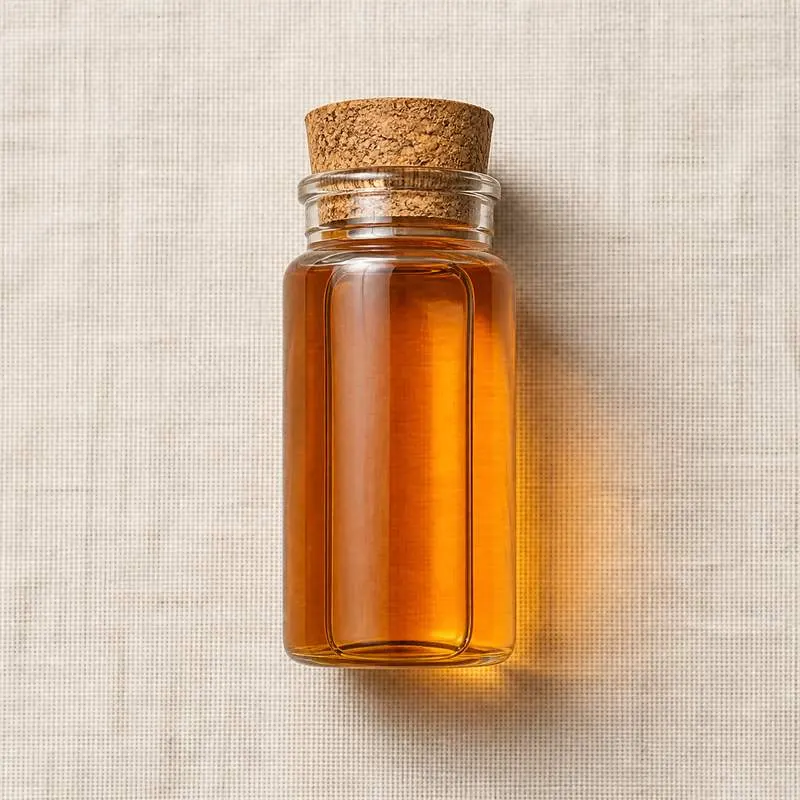
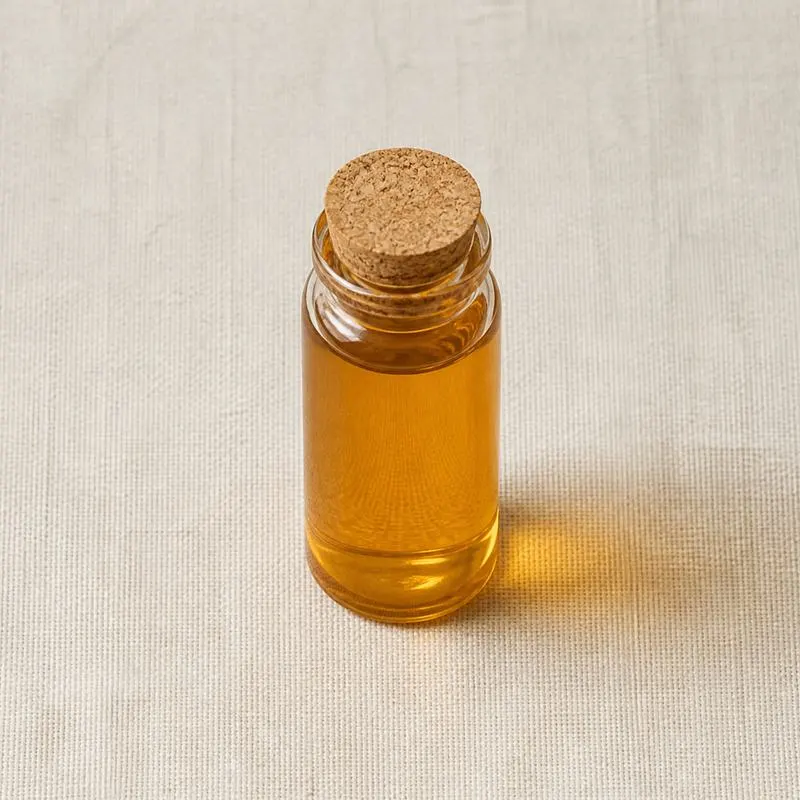
It is a colourless to pale yellow oily liquid with a boiling point above two hundred and forty degrees at atmospheric pressure, so it is distilled under vacuum. It is practically insoluble in water and soluble in ethanol, vegetable oils and propylene glycol. The conjugated enone system is sensitive to strong acid, strong base and prolonged heat, and the material darkens on exposure to air and light, so it is stored cool under nitrogen in lined or amber containers.
We source bulk Cis Jasmone from top China manufacturers for our partners. The manufacturer is in Sichuan. A smaller requirement can ship in a combined container with other ingredients.
Please send the grade you need, the volume and your destination port, and we will come back with a solution and a price.
or call +86-21-6858 0751
- Function
- Flavours and Aromas
Specifications
| Item | Specification |
|---|---|
| Appearance | Colourless to pale yellow clear oily liquid |
| Odour | Warm floral herbaceous jasmine, characteristic |
| Assay by gas chromatography | 95.0 percent minimum |
| Cis isomer content | 90.0 percent minimum of total jasmone |
| Identification | Infrared and mass spectrum conform to reference |
| Specific gravity at 25 degrees Celsius | 0.936 to 0.946 |
| Refractive index at 20 degrees Celsius | 1.497 to 1.503 |
| Boiling point | Approximately 248 degrees Celsius at atmospheric pressure |
| Solubility in ethanol | Clear solution in 1 volume of 95 percent ethanol |
| Acid value | 1.0 maximum |
| Water content | 0.2 percent maximum |
| Residual solvent | Within agreed limit for the declared process |
| Heavy metals as lead | 10 mg per kg maximum |
| Lead | 1 mg per kg maximum |
Common Markets Grades
Two materials trade under the name and are not interchangeable on a label. Natural cis jasmone is isolated from jasmine or other essential oils by fractional distillation or preparative chromatography, is scarce and expensive, and supports a natural flavouring declaration. Synthetic cis jasmone is made chemically at ninety five percent or higher purity and accounts for almost all the volume used in flavour and fragrance work.
Within the synthetic material the significant specification is the isomeric ratio, since the trans isomer forms alongside the cis during synthesis and has a weaker and less refined odour, so the cis content is declared and the finer grades carry a high cis ratio. Assay by gas chromatography, colour, and the level of residual solvent and heavy by products complete the specification. The substance is also sold as a dilution in a carrier such as propylene glycol, triacetin or benzyl benzoate, since the neat material is potent and difficult to weigh accurately at the doses used, and dilutions are the normal form in which a compounder buys it.
Applications
- Floral flavour compositions, particularly jasmine, orange blossom and osmanthus directions
- Tea flavours, where it reproduces a note found naturally in jasmine scented and oolong teas
- Fruit flavours such as peach, apricot and berry, used at trace level to add fullness
- Herbal and green flavour accords, softening the sharpness of leaf aldehydes
- Beverage flavourings for teas, floral waters and soft drinks
- Confectionery and chewing gum flavours in floral and fruit directions
- Fine fragrance compounding, historically its largest outlet, in jasmine and white floral accords
- Personal care and household fragrance, where its persistence and low dose make it economical
- Reconstitution of natural essential oils, replacing a costly isolate in a jasmine or neroli base
China Manufacturers of Cis Jasmone
Top Cis Jasmone manufacturers in China.

Company names and logos are the property of the manufacturers themselves. They are listed here because our own directory records them as producing this ingredient. A listing is not an endorsement by them, and we do not represent them or speak on their behalf.
Regulatory Status
In the United States cis jasmone is a permitted flavouring substance, appearing among the synthetic flavouring substances and adjuvants listed in 21 CFR 172.515, and the expert panel of the flavour industry association, whose conclusions the agency has accepted, has reviewed it as a flavouring ingredient. Its use is governed by good manufacturing practice, meaning the quantity used may not exceed the amount reasonably required to achieve the intended flavour effect, which for this material is very small.
In the European Union cis jasmone is an authorised flavouring substance on the Union list maintained under the flavourings regulation, and as a flavouring it carries no E number. Where it is diluted for sale, the carrier must itself be a permitted substance for that use. In fragrance applications it falls instead under cosmetic and detergent legislation and the voluntary standards of the international fragrance association, which are separate from its food status. Codex addresses flavouring substances through its guidelines on the use of flavourings, which rest on the safety evaluations carried out by the Joint Expert Committee on Food Additives.
Manufacturing Process
Isolation from natural sources is possible but marginal in volume, because the concentration in jasmine absolute is low and the absolute itself is costly, so the natural material is recovered only by careful vacuum fractionation of selected oils and is sold in small quantities at a high price.
The commercial route is synthetic and proceeds by building the cyclopentenone ring. In the classical approach, a substituted 1,4 diketone is prepared, most often from a nonenyl or pentenyl fragment supplying the unsaturated side chain, and is then cyclised by intramolecular aldol condensation under base catalysis to close the five membered ring and generate the conjugated enone. The cis geometry of the side chain double bond is set by the starting material and by the choice of a partial hydrogenation step, typically the selective reduction of an alkyne over a poisoned palladium catalyst, which gives the cis alkene rather than the trans. The crude product is neutralised and washed to remove catalyst and salts, then purified by fractional distillation under high vacuum, since the material decomposes if distilled at atmospheric pressure. The distilled cis jasmone is filtered, checked for assay and isomer ratio by gas chromatography, and filled under nitrogen into lined drums or amber glass.