Citronella Oil
Citronella oil is the essential oil obtained by steam distillation of the leaves and stems of citronella grass, principally Cymbopogon winterianus, known in trade as the Java type, and Cymbopogon nardus, the Ceylon type. It is one of the largest volume essential oils in world trade, and a substantial share of production is consumed not as a finished aroma material but as a feedstock for terpene chemistry.
The Java type is the more concentrated and more widely traded of the two. Its main constituents are citronellal, which carries the sharp lemon and rosy green character, together with geraniol and citronellol, which give the softer rose facet; the sum of the two alcohols and the aldehyde, reported as total geraniol and citronellal content, is the figure on which the oil is bought. The Ceylon type is lower in citronellal and richer in geraniol, limonene and methyl isoeugenol, and comes across as woodier and less lemony.
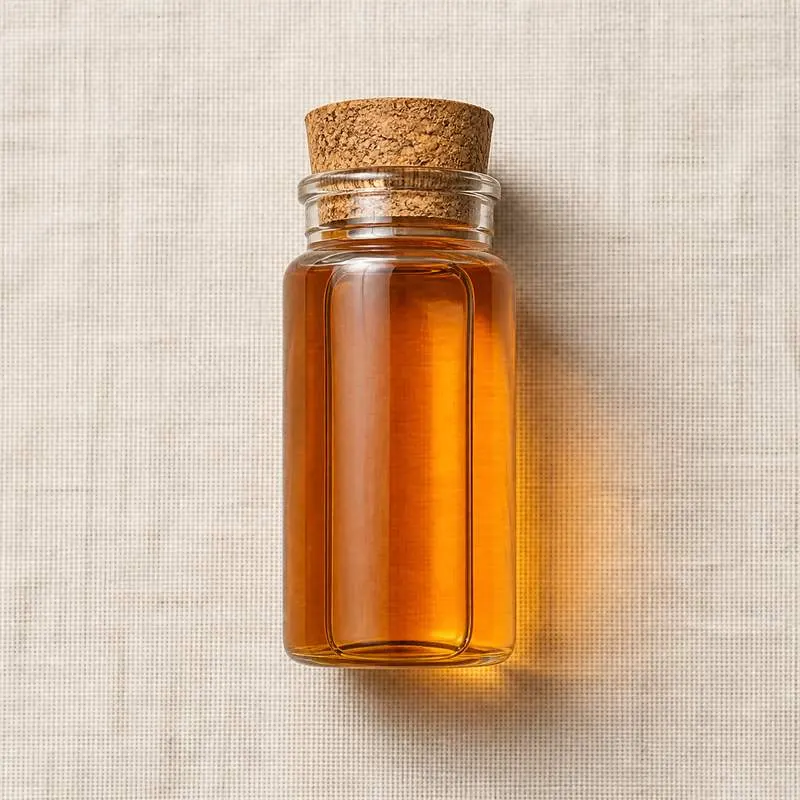
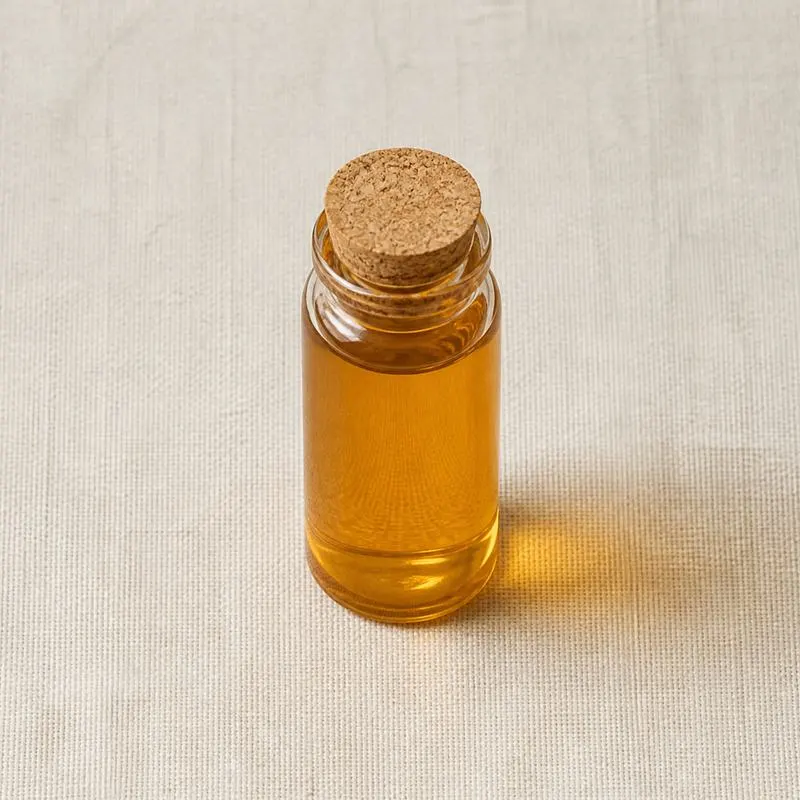
The oil is a mobile pale yellow to brownish yellow liquid, insoluble in water and soluble in ethanol and in fixed oils. The aldehyde fraction oxidises and turns resinous on air exposure, darkening the oil and dulling the top note, so it is stored cool in filled containers under nitrogen.
We source bulk Citronella Oil from top China manufacturers for our partners. The manufacturers are in Jiangxi and Hunan. A smaller requirement can ship in a combined container with other ingredients.
Please send the grade you need, the volume and your destination port, and we will come back with a solution and a price.
or call +86-21-6858 0751

- Function
- Flavours and Aromas
Specifications
| Item | Specification |
|---|---|
| Appearance | Clear mobile liquid, pale yellow to brownish yellow |
| Odour | Fresh lemon, rosy and grassy, characteristic of the botanical type |
| Citronellal Content | 32.0 to 45.0% for the Java type |
| Total Geraniol Content | Not less than 85.0% for the Java type |
| Citronellol Content | 10.0 to 15.0% |
| Relative Density at 20 C | 0.880 to 0.895 |
| Refractive Index at 20 C | 1.466 to 1.475 |
| Optical Rotation at 20 C | Minus 5 degrees to 0 degrees |
| Acid Value | Not more than 3.0 mg KOH per g |
| Solubility | Clear solution in two volumes of 80% ethanol |
| Heavy Metals as Lead | Not more than 10 mg/kg |
| Lead | Not more than 1.0 mg/kg |
| Arsenic | Not more than 0.5 mg/kg |
Common Markets Grades
The first distinction is botanical. Java citronella oil is specified on citronellal, typically in the mid thirties to mid forties percent, and on total geraniol content, usually eighty five percent or higher. Ceylon citronella oil is specified on a lower citronellal figure and a total geraniol content around sixty percent, and the two are not interchangeable in a formula.
Beyond origin, grades are separated by processing. Crude distilled oil is the bulk product and goes largely to chemical conversion. Rectified oil, redistilled under vacuum to remove colour bodies, resins and heavy residues, is used where a cleaner odour and a pale colour are required. Terpeneless and fractionated grades concentrate the alcohol or aldehyde fraction for perfumery. Organic certified oil is produced in modest volume, and material intended for food flavouring is documented separately from material sold into fragrance and household product use.
Applications
- Feedstock for the synthesis of hydroxycitronellal, citronellol, geraniol and menthol, which absorbs a large part of world production
- Fragrance compounds for soaps, detergents and household cleaners, where the lemon rosy character is stable in alkaline media
- Insect repellent formulations, in which the oil and its citronellal fraction are the active aroma component
- Candle and air care products, where cost and diffusion outweigh the need for a refined odour
- Flavour compounds in the citrus and lemon direction, using rectified grades at low dosage
- Beverage and confectionery flavour bases, where fractionated grades supply a lemon lift without the heavy terpene load of citrus oils
- Personal care products including shampoo, lotion and deodorant, as a functional fragrance
- Aromatherapy and massage oil blends, sold on the botanical rather than on a chemical specification
- Isolation of individual constituents such as citronellal for use as single aroma chemicals
Brands Using Citronella Oil
Widely-distributed consumer products that list Citronella Oil on the ingredient label.
Brand names, product names and logos are the property of their owners. They appear here as published evidence that the ingredient is used, taken from the brand's own label or website. Their appearance is not an endorsement, and it does not mean the brand buys from us or from any manufacturer listed on this site.
China Manufacturers of Citronella Oil
Top Citronella Oil manufacturers in China.
- Jiangxi Hengcheng Natural Essential Oil5 ingredients in the directory
- Yongzhou Samshiang Flavours & Fragrances Corporation7 ingredients in the directory
Company names and logos are the property of the manufacturers themselves. They are listed here because our own directory records them as producing this ingredient. A listing is not an endorsement by them, and we do not represent them or speak on their behalf.
Regulatory Status
Citronella oil is an essential oil and is handled in food law as a flavouring preparation of botanical origin rather than as a defined chemical substance. In the European Union it may be used as a flavouring under the general flavourings framework, which permits preparations obtained from plant material by physical processes such as distillation, subject to the general safety requirement and to the controls on certain naturally occurring substances of concern. No E number applies. Its separate use in insect repellent products falls under biocidal product rules rather than under food law.
In the United States the oil holds FEMA GRAS status as a flavouring and is among the essential oils and natural extractives that the Food and Drug Administration lists as generally recognised as safe for their intended use in food. Codex addresses the individual flavouring constituents through JECFA evaluation rather than assessing the whole oil. Material intended for cosmetic and fragrance use additionally falls under the fragrance industry standards, which set the conditions for its use in leave on and rinse off products.
Manufacturing Process
Citronella grass is cut two to four times a year once the plantation is established. The harvested leaf is wilted in the field for several hours to a day, which lowers the water load that has to be vaporised and raises the oil yield per charge without significant loss of the volatile fraction. The wilted grass is chopped and packed into a still, and low pressure steam is passed up through the bed, carrying the volatile constituents overhead.
The vapour is condensed in a tubular or coil condenser and the mixed condensate runs into a florentine separator, where the oil is less dense than water and is drawn off the top while the distillation water is returned to the still to recover dissolved oxygenated constituents. The separated oil is dried over anhydrous sodium sulphate or by settling and decanting, then filtered. Crude oil is packed at this point for chemical conversion. Grades intended for fragrance or flavour use are rectified by vacuum fractional distillation, which removes colour bodies and heavy resinous material and allows the citronellal and alcohol fractions to be adjusted.