Sodium Sulphate
Sodium sulphate is the sodium salt of sulphuric acid, Na2SO4, a neutral inorganic salt traded in two forms: the anhydrous solid, known industrially as salt cake, and the decahydrate Na2SO4·10H2O, known as Glauber's salt. It is one of the highest tonnage inorganic chemicals in commerce, though only a small fraction of output reaches food and pharmaceutical grades.
In food and related applications it functions as a diluent, a processing aid and a source of sulphate ion rather than as an ingredient with flavour or texture effects of its own. It is chemically inert toward most food components, does not buffer, and gives a near neutral solution at pH 6 to 8. Its distinguishing physical property is an unusual solubility curve: solubility in water rises steeply to a maximum near 32 degrees Celsius, where the decahydrate converts to the anhydrous form, then falls slightly at higher temperature.
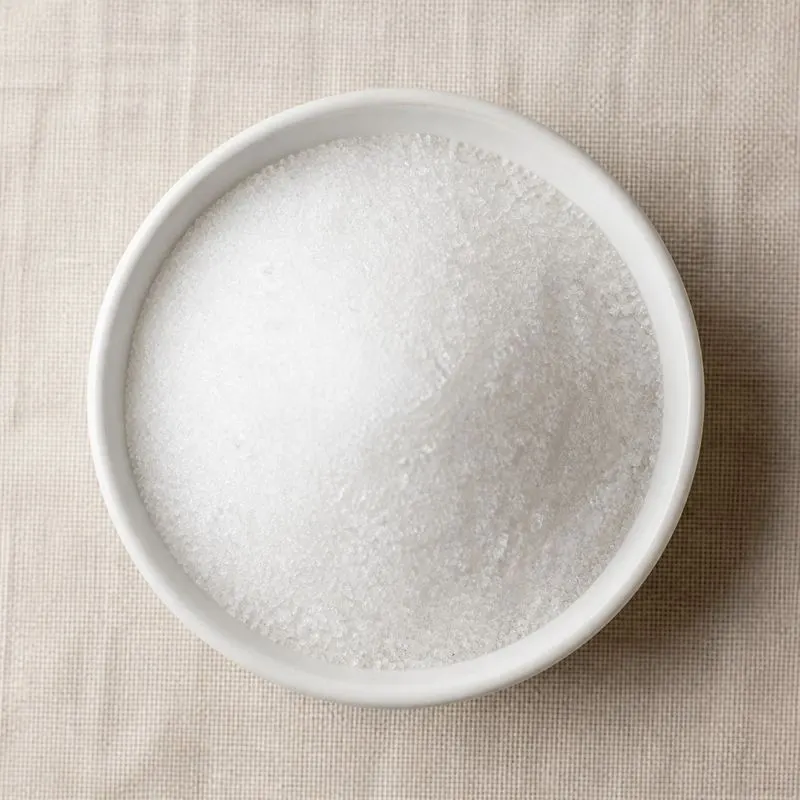
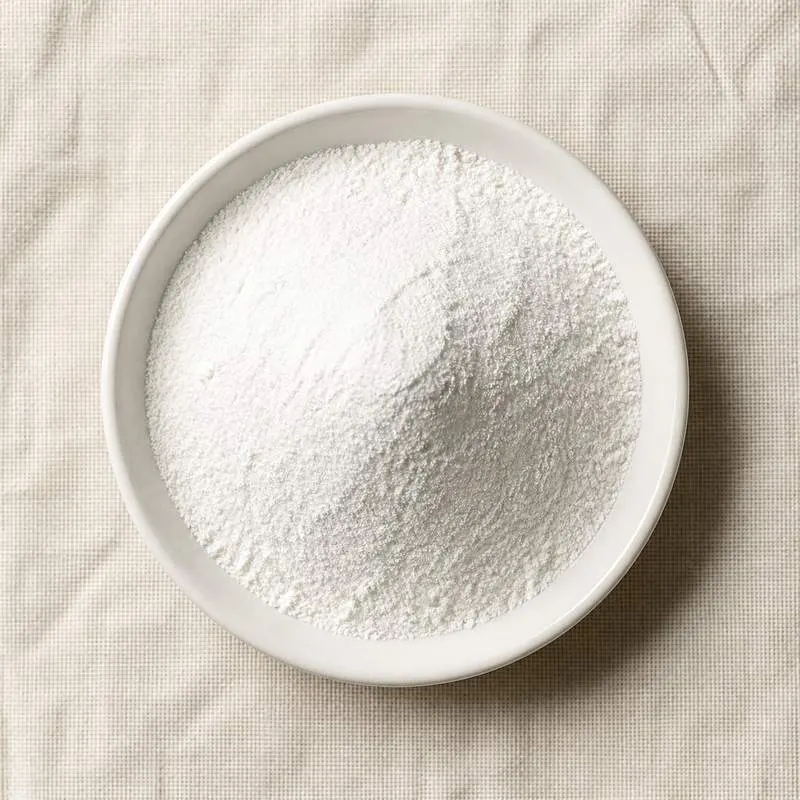
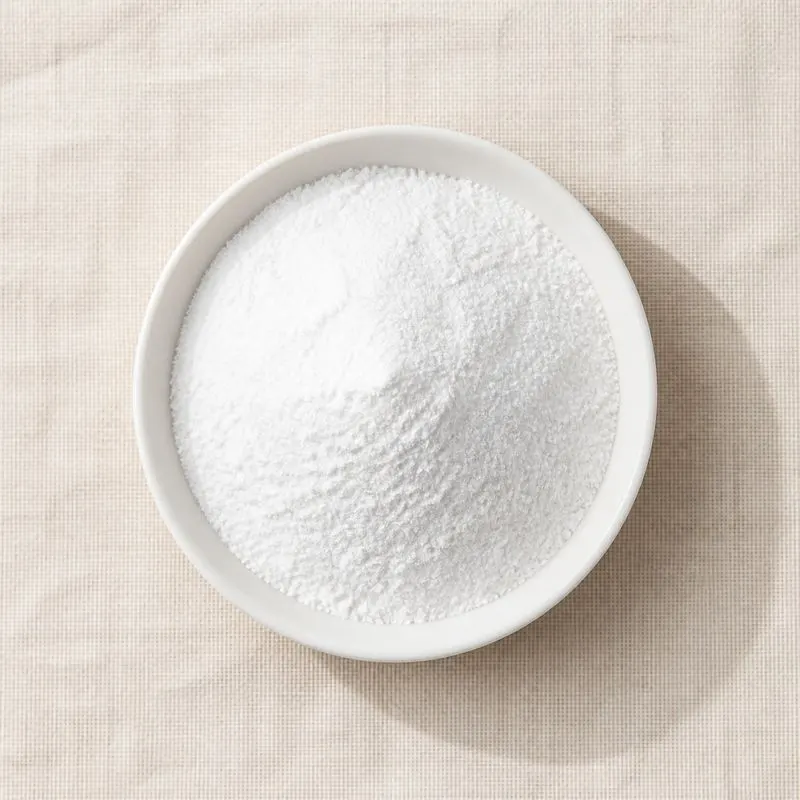
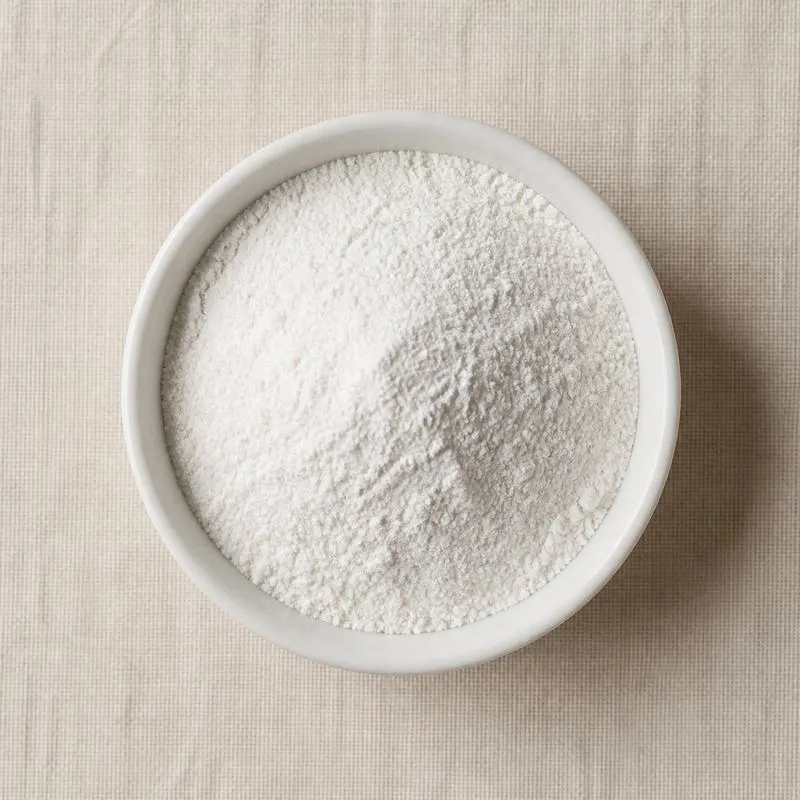
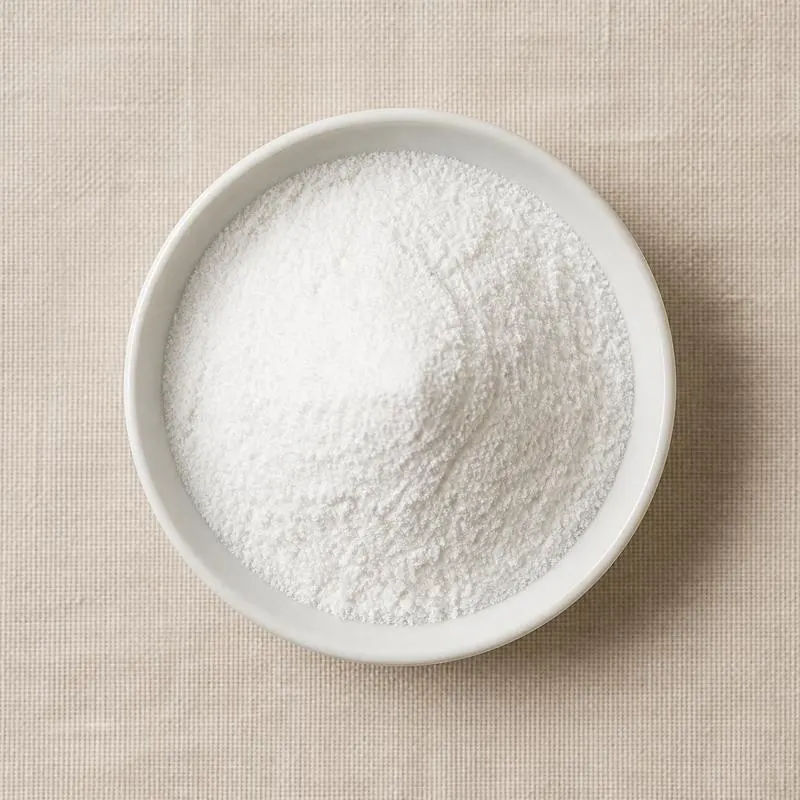
The commercial product is a white crystalline powder or granule, odourless, with a mildly saline and bitter taste. The anhydrous salt is hygroscopic and readily takes up water to form the decahydrate, so it is packed and stored dry.
We source bulk Sodium Sulphate from top China manufacturers for our partners. The manufacturer is in Jiangsu. A smaller requirement can ship in a combined container with other ingredients.
Please send the grade you need, the volume and your destination port, and we will come back with a solution and a price.
or call +86-21-6858 0751
- Function
- Mineral salt
Specifications
| Item | Specification |
|---|---|
| Appearance | White crystalline powder or granules, odourless |
| Assay (Na2SO4, dried basis) | Not less than 99.0 percent |
| Identification | Positive for sodium and for sulphate |
| Loss on Drying | Not more than 0.5 percent, anhydrous grade |
| pH (5 percent solution) | 6.0 to 8.0 |
| Water Insoluble Matter | Not more than 0.05 percent |
| Chloride | Not more than 0.05 percent |
| Iron | Not more than 10 mg/kg |
| Calcium and Magnesium | Not more than 0.1 percent combined |
| Selenium | Not more than 30 mg/kg |
| Arsenic | Not more than 3 mg/kg |
| Lead | Not more than 2 mg/kg |
| Heavy Metals (as Pb) | Not more than 10 mg/kg |
| Whiteness | Not less than 85 percent |
Common Markets Grades
The bulk of world production is technical or industrial grade at 99 percent minimum, sold to detergent, glass and textile users. Food grade and pharmaceutical grade material is a separate and much smaller trade, produced to the Food Chemicals Codex and to the United States Pharmacopeia and European Pharmacopoeia monographs for sodium sulphate anhydrous and sodium sulphate decahydrate. These grades carry tighter limits on selenium, arsenic, lead, chloride and water insoluble matter than technical material.
Hydration state is the primary commercial distinction. Anhydrous grades assay 99 percent or higher and come as fine powder or granular crystal; decahydrate grades carry roughly 56 percent water of crystallisation and are handled as coarse crystals that melt in their own water of hydration above 32 degrees Celsius. Particle size options run from micronised powder for dry blending through standard crystalline to coarse granular for free flow. There is no coated or encapsulated version in normal trade.
Applications
- Tablet and capsule manufacture, where pharmaceutical grade anhydrous material acts as an inert filler and diluent in dry blends
- Standardisation of dye and colour preparations, where it dilutes concentrated colourant to a defined tinctorial strength
- Osmotic laxative preparations, where the decahydrate acts through unabsorbed sulphate retaining water in the bowel
- Oral rehydration and bowel preparation solutions, where sulphate contributes to the osmotic load without adding absorbable sodium chloride
- Mineral water reconstitution, where controlled sulphate addition reproduces the ionic profile of a named source water
- Brewing liquor treatment, where sulphate accentuates hop bitterness and sharpens the finish of pale beer styles
- Enzyme and fermentation media, where it supplies sulphur for cell growth in submerged culture
- Drying of organic extracts in flavour and essential oil workshops, where anhydrous material removes traces of water before distillation
- Animal feed premixes, where it corrects sulphur deficiency in ruminant rations and balances the dietary cation anion difference
Brands Using Sodium Sulphate
Widely-distributed consumer products that list Sodium Sulphate on the ingredient label.
Brand names, product names and logos are the property of their owners. They appear here as published evidence that the ingredient is used, taken from the brand's own label or website. Their appearance is not an endorsement, and it does not mean the brand buys from us or from any manufacturer listed on this site.
China Manufacturers of Sodium Sulphate
Top Sodium Sulphate manufacturers in China.

Company names and logos are the property of the manufacturers themselves. They are listed here because our own directory records them as producing this ingredient. A listing is not an endorsement by them, and we do not represent them or speak on their behalf.
Regulatory Status
In the United States sodium sulphate is an authorised food substance used as a processing aid and as a component of food contact and food processing systems, and material meeting the Food Chemicals Codex specification is the accepted quality standard for food use. Anhydrous sodium sulphate and sodium sulphate decahydrate both carry monographs in the United States Pharmacopeia National Formulary, which govern their use as pharmaceutical excipients and as active ingredients in osmotic laxative preparations.
In the European Union sodium sulphate is listed as the food additive E514, covering sodium sulphate and sodium hydrogen sulphate, and is permitted in specified categories under the food additives framework with purity criteria laid down in the additive specifications regulation. It also carries a European Pharmacopoeia monograph. JECFA has evaluated sodium sulphate and published specifications, and Codex recognises it within the sulphate salts group in the General Standard for Food Additives. Material sold as an animal feed ingredient is regulated separately under the feed additive rules in both jurisdictions.
Manufacturing Process
Two routes dominate. Natural sodium sulphate is recovered from mineral deposits and brine lakes containing mirabilite or thenardite. Brine is concentrated by solar evaporation or by cooling crystallisation, which throws down the decahydrate; the crystals are separated, redissolved, purified and then dehydrated to anhydrous salt in a rotary or fluid bed calciner running above the 32 degree transition point.
Synthetic material arises largely as a co product of other chemistry. The Mannheim process reacts sodium chloride with sulphuric acid in a fired muffle furnace, releasing hydrogen chloride and leaving salt cake behind. Larger volumes still come as by product from rayon and viscose production, from lithium and battery chemical circuits, from phenol and resorcinol manufacture and from flue gas desulphurisation. By product liquor is neutralised, filtered to remove organic matter and heavy metals, decolourised with activated carbon where colour bodies are present, then concentrated by multiple effect evaporation. The crystal slurry is centrifuged, dried in a rotary or flash dryer, screened to grade and packed. Food and pharmaceutical grades add a recrystallisation stage and polish filtration before the final drying step.