Condensed Bone Soup Seasoning
Condensed bone soup seasoning is a concentrated stock product made by extracting pork, chicken or beef bones in water under heat and pressure, then reducing the extract to a paste or thick liquid that is reconstituted at a stated dilution to give a finished soup. It is a food derived from a real raw material rather than a compounded flavour, although most commercial grades are finished with added seasoning and flavouring.
Its character comes from three fractions. Collagen from bone, cartilage and connective tissue hydrolyses during long cooking into gelatin, which supplies the body and the lip coating mouthfeel that distinguishes bone stock from a simple broth and which sets the concentrate to a soft gel on cooling. Bone marrow and the fat attached to the bone provide the lipid phase, and when that fat is broken into fine droplets by vigorous boiling or by homogenisation it scatters light and produces the opaque white soup prized in tonkotsu and in Chinese white bone broths. Free amino acids, peptides and nucleotides released from the tissue carry the savoury taste.
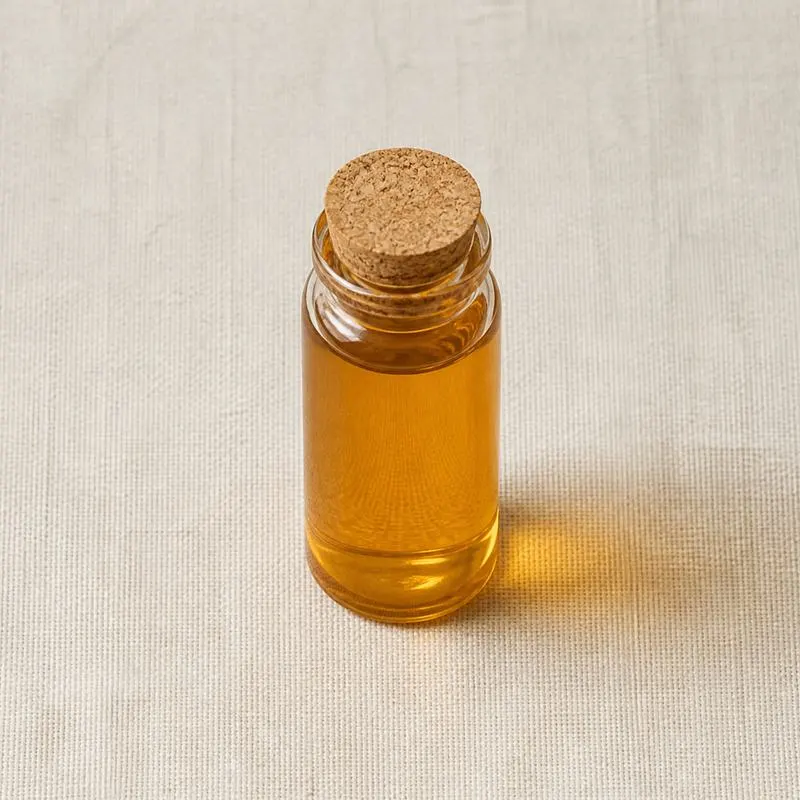
The trade sells it as a firm brown or ivory paste in pails and drums, as a pumpable concentrate, and as a spray dried powder. Paste grades are frozen or chilled where the salt level is low, and shelf stable versions rely on a combination of salt, reduced water activity and retorting.
We source bulk Condensed Bone Soup Seasoning from top China manufacturers for our partners. The manufacturer is in Henan. A smaller requirement can ship in a combined container with other ingredients.
Please send the grade you need, the volume and your destination port, and we will come back with a solution and a price.
or call +86-21-6858 0751
- Function
- Flavours and Aromas
Specifications
| Item | Specification |
|---|---|
| Appearance | Firm ivory to brown paste, sets on cooling, disperses on heating |
| Odour and Flavour | Characteristic cooked bone stock, free from rancid or sour notes |
| Total Solids | Not less than 40.0 percent |
| Protein | Not less than 12.0 percent |
| Fat | 8.0 to 20.0 percent depending on grade |
| Sodium Chloride | To formula, within 1.0 percent absolute of target |
| Gel Strength on Cooling | Sets firm at 10 °C at declared dilution |
| pH | 5.8 to 6.8 |
| Peroxide Value of Extracted Fat | Not more than 5 meq/kg |
| Whiteness or Turbidity | Conforms to retained reference at declared dilution |
| Lead | Not more than 0.5 mg/kg |
| Total Plate Count | Not more than 10,000 cfu/g |
| Yeast and Mould | Not more than 100 cfu/g |
| E. coli | Absent in 1 g |
| Salmonella | Absent in 25 g |
Common Markets Grades
The first distinction is the bone source, since pork leg and back bone, chicken frame and beef bone give different colour, aroma and gelatin strength and are not interchangeable. The second is whether the product is a clear or a white stock, which is a processing decision rather than a formulation one, and which is specified as turbidity or whiteness against a reference. The third is concentration, stated as a fold or a dilution ratio, commonly between ten and thirty times, together with total solids.
Grades then divide by finishing. A plain concentrate carries only the extract, salt and fat, and is bought by manufacturers who season it themselves. A finished seasoning grade carries added monosodium glutamate, ribonucleotides, yeast extract, spice and reaction flavour and is used directly. Physical form separates frozen paste, chilled paste, ambient retorted paste and spray dried powder, with powder grades declared on carrier content. Halal, kosher and species declarations are fundamental in this class, and collagen or gelatin content is often specified in place of, or alongside, protein.
Applications
- Ramen, noodle and dumpling soup bases in foodservice and central kitchens
- Hotpot broths, both the clear stock and the white bone base
- Instant noodle soup sachets and cup products, using paste or powder grades
- Retail bottled and pouched soup bases for home cooking
- Braising liquors and master stocks for cooked meat
- Sauces, gravies and risotto and congee bases, using the gelatin for body
- Frozen and chilled ready meals, dosed into the liquid phase
- Meat marinades and injection brines, where collagen improves yield and juiciness
- Plant forward menus as a source of body where a full stock is not made in house
China Manufacturers of Condensed Bone Soup Seasoning
Top Condensed Bone Soup Seasoning manufacturers in China.
Company names and logos are the property of the manufacturers themselves. They are listed here because our own directory records them as producing this ingredient. A listing is not an endorsement by them, and we do not represent them or speak on their behalf.
Regulatory Status
In the United States a bone stock concentrate is a food. Products containing meat or poultry ingredients above the applicable threshold fall under United States Department of Agriculture Food Safety and Inspection Service jurisdiction rather than that of the Food and Drug Administration. The Food Safety and Inspection Service then controls the establishment inspection, the label approval and the naming of the product. Shelf stable packed versions are subject to the thermally processed low acid canned foods regulations at 21 CFR 113 where the pH and water activity require it. Any monosodium glutamate is declared by name, and the FEMA GRAS programme covers added flavourings, which are labelled under 21 CFR 101.22.
In the European Union the concentrate is a food of animal origin, so the establishment requires approval under Regulation (EC) No 853/2004 and the raw material must be fit for human consumption and traceable, with the specified risk material rules under the transmissible spongiform encephalopathy regulation applying to bovine bone in particular. Additives used in the finished seasoning carry E numbers under Regulation (EC) No 1333/2008, notably monosodium glutamate as E621 and the ribonucleotide salts in the E627 to E635 range, and flavourings fall under Regulation (EC) No 1334/2008. Codex is relevant through the general principles of food hygiene and the code of hygienic practice for meat, and JECFA specifications cover the additive components.
Manufacturing Process
Bones are received chilled or frozen, inspected, and cut or crushed to expose marrow, then blanched briefly and rinsed to remove blood and surface protein, which is the step that decides whether the finished stock can be made clear. The cleaned bones are charged to an extraction vessel with water and cooked, either at atmospheric pressure over many hours or in a pressure extractor at a hundred and ten to a hundred and twenty degrees Celsius for a shorter cycle, which accelerates collagen conversion to gelatin. Vigorous circulation during extraction emulsifies marrow fat into the liquor and is what produces a white stock, while gentle simmering and skimming produce a clear one.
The liquor is drawn off, screened and passed through a decanter or a separator, where fat is removed and either discarded, returned in a controlled amount, or refined separately as bone oil. The defatted liquor is concentrated in a falling film or scraped surface evaporator under vacuum to the target solids, with aroma stripped and recovered where the profile depends on it. Seasoning, umami salts and flavour are blended in, the concentrate is homogenised to fix the emulsion and then either hot filled, retorted, blast frozen, or spray dried onto a carrier. Release testing covers solids, protein, gelatin strength, fat, salt and microbiology.