Monosodium Glutamate
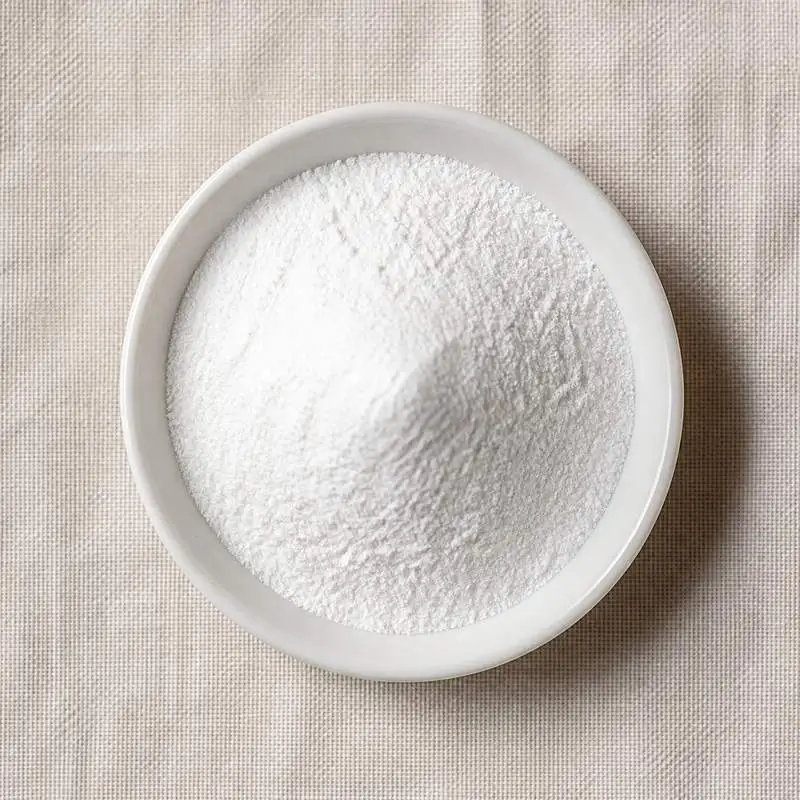
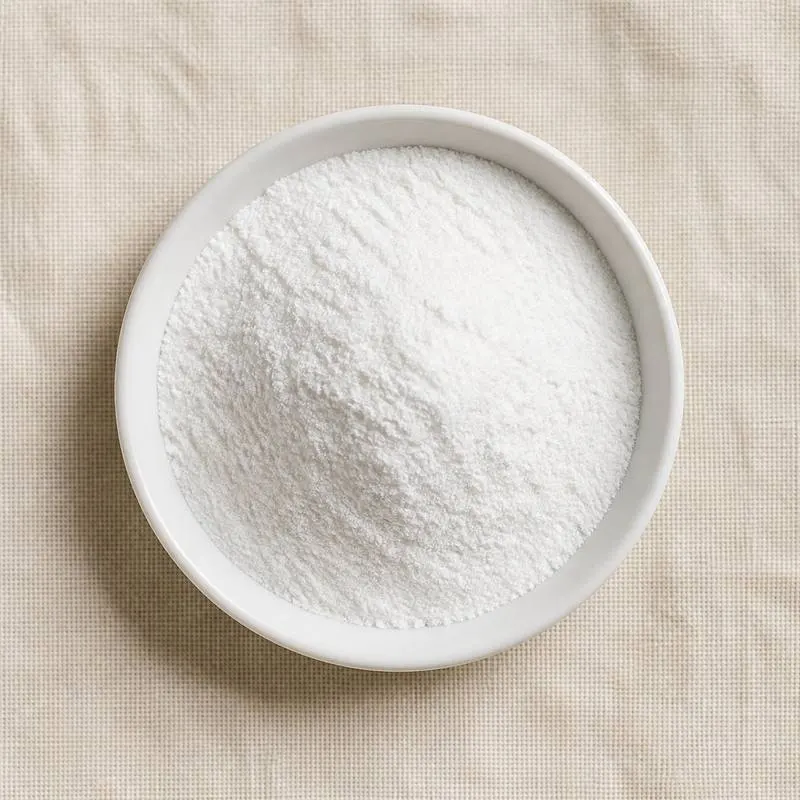
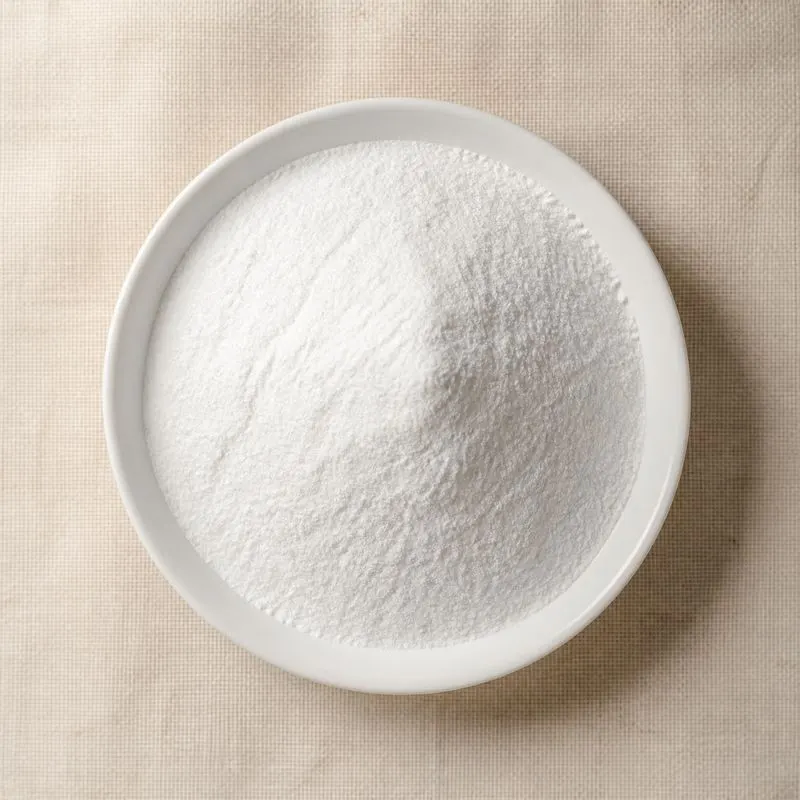
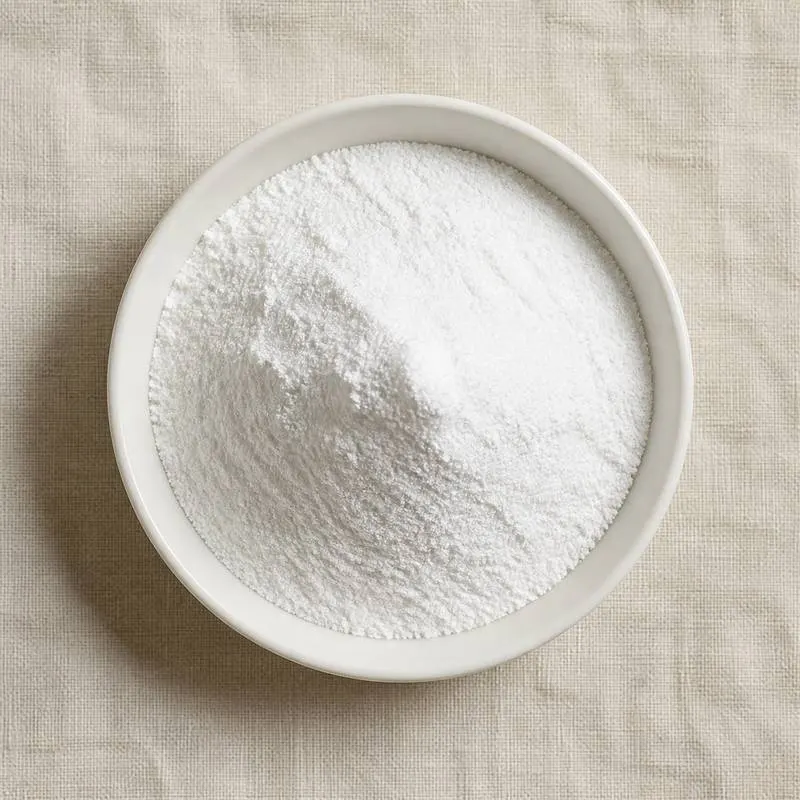
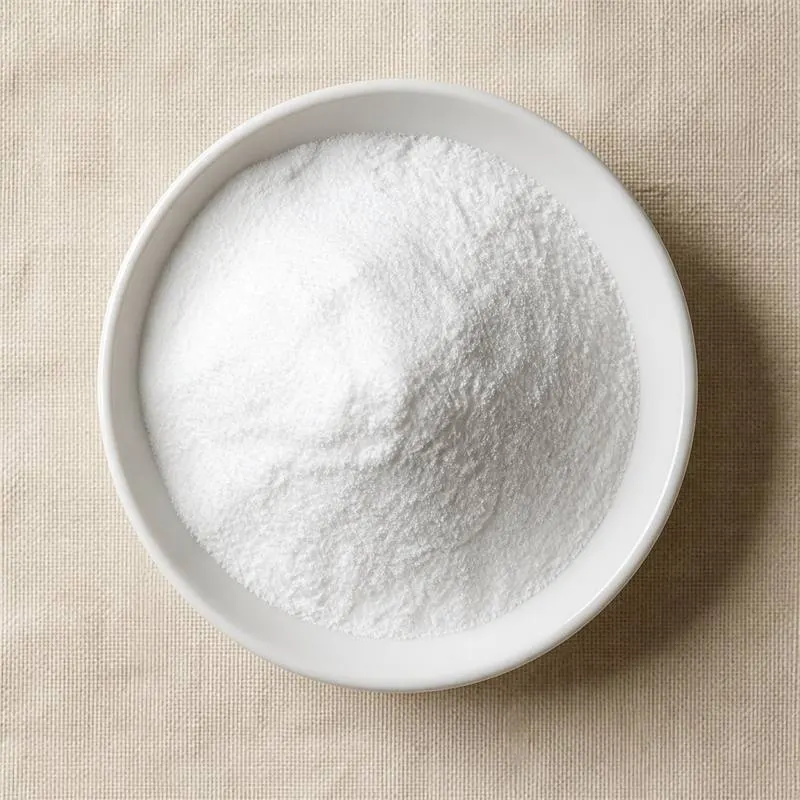
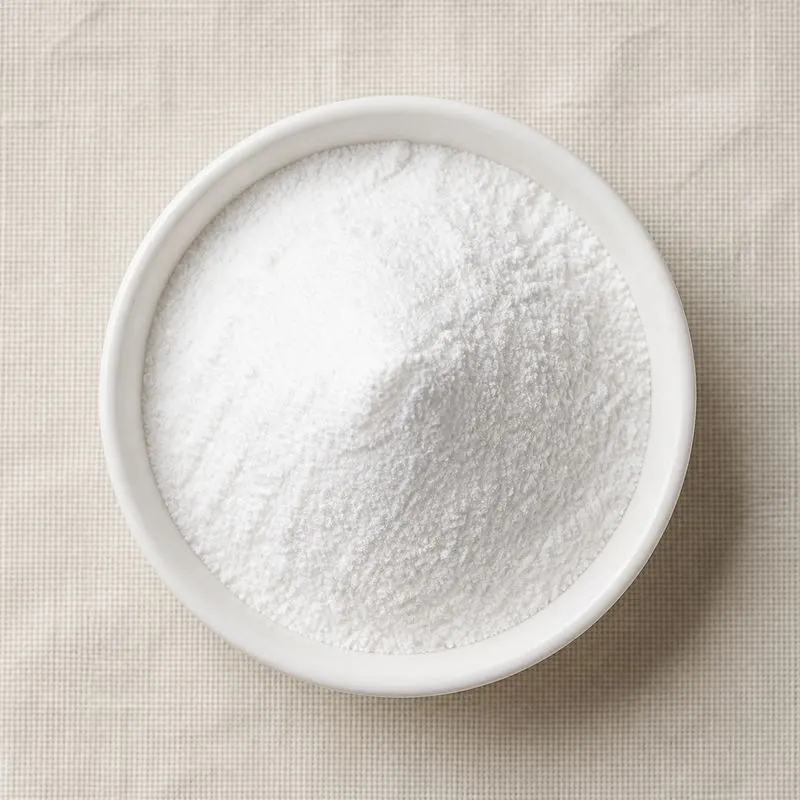
Monosodium Glutamate is the sodium salt of L-glutamic acid, sold as a free-flowing white crystalline powder that dissolves quickly in water to deliver the savory umami note in finished food.
The compound has the formula C₅H₈NO₄Na (anhydrous) or the more common monohydrate C₅H₈NO₄Na·H₂O, with CAS number 142-47-2 and the European food additive code E621. Annual global production sits near 3 million tonnes, making it one of the largest-volume food ingredients by mass.
We source bulk Monosodium Glutamate from top China manufacturers for our partners, working with several of them. The manufacturers are in Shandong, Guangdong and Ningxia. For this ingredient the minimum order is 1,000 kg and a 20-foot container takes 21 MT, and a smaller requirement can ship in a combined container with other ingredients.
Please send the grade you need, the volume and your destination port, and we will come back with a solution and a price.
or call +86-21-6858 0751
- Minimum order
- 1,000 kg
- Qty in 20' FCL
- 21 MT
- Packaging
- 25 kg kraft paper bag with PE inner liner
- Function
- Amino acid
- ISO 9001
- HACCP
- Halal
- Kosher
Specifications
Grades / Types Available: Food Grade, Feed Grade
| Item | Specification |
|---|---|
| Appearance | White crystals or crystalline powder |
| Purity | ≥99.0% |
| Loss on Drying | ≤0.5% |
| pH (5% solution) | 6.7–7.2 |
| Transmittance (5% solution) | ≥98.0% |
| Specific Rotation [α]D20 | +24.8° to +25.3° |
| Lead | ≤1.0 mg/kg |
| Arsenic | ≤3 mg/kg |
| Mesh Size | 8–120 mesh (various grades) |
| Shelf Life | 36 months |
| Purity/Assay (Food Grade) | ≥ 99.0% |
| Moisture/Loss on Drying | ≤ 12.0% |
| Heavy Metals | ≤ 10 mg/kg |
| Total Plate Count | ≤ 1000 cfu/g |
| Yeast & Mold | ≤ 100 cfu/g |
Common Markets Grades
Monosodium Glutamate is graded by crystal habit and mesh size rather than by chemical assay, since pharmaceutical and food grades both meet 99 percent purity minima.
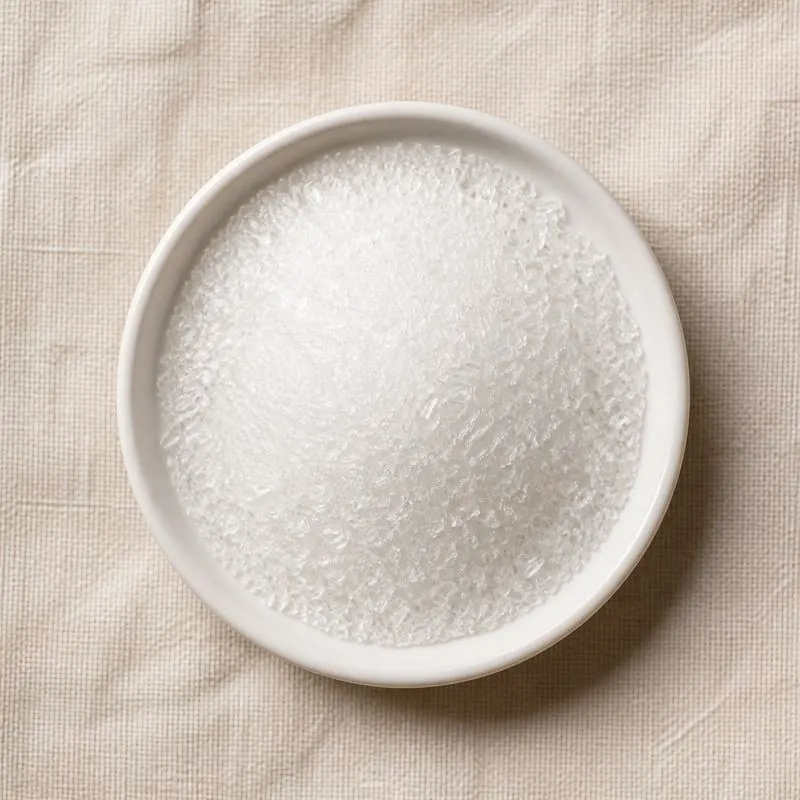
Coarse 8-12 mesh crystals are preferred for tabletop seasoning shakers and for blending with rock salt, where visible crystal sparkle is part of the consumer cue.
Regular 30-60 mesh and fine 60-100 mesh grades are the standard formats for snack seasonings, soup bases, and savory powder blends, since they disperse evenly across a dry mix without segregation.
Powdered grades below 100 mesh are produced for instant noodle seasoning sachets, bouillon cubes, and tablet-pressed stock cubes. A small volume of USP-grade material is also produced for parenteral nutrition and pharmaceutical use.
Applications
- Savory snack seasonings for potato chips, extruded snacks, and coated nuts
- Instant noodle soup-base sachets and powdered ramen seasoning blends
- Bouillon cubes, stock powders, and dehydrated soup mixes
- Frozen and shelf-stable ready meals where umami background lift reduces salt load
- Processed meat products including sausages, deli meats, and meat marinades
- Sauces and condiments such as soy sauce blends, oyster sauce, and savory dressings
- Restaurant and food-service tabletop seasoning and stir-fry cooking
- Canned vegetables, mushrooms, and tomato products to round out flavour profile
- Cheese-flavoured crackers and cheese-powder coatings
- Plant-based meat analogues to deliver the meaty savory note absent from raw protein
- Pet food palatability enhancers in dry kibble and wet pouches
- Pharmaceutical and clinical nutrition formulas as a glutamate source
Brands Using Monosodium Glutamate
Widely-distributed consumer products that list Monosodium Glutamate on the ingredient label.
- AjinomotoAJI-NO-MOTO Monosodium Glutamate (1 lb bag) ↗AJI-NO-MOTO is Ajinomoto's consumer monosodium glutamate, the sodium salt of glutamic acid, produced by fermentation of plant-based sugars.Label verified 2026-05-24
- McCormickAccent Flavor Enhancer (MSG) ↗McCormick Culinary MSG Flavor Enhancer (the brand behind Accent) is essentially pure monosodium glutamate with no additional ingredients listed; a white, odourless powder used to enhance umami.Label verified 2026-05-24
- Frito-Lay (Doritos)Doritos Nacho Cheese Flavored Tortilla Chips ↗Doritos Nacho Cheese ingredient panel verbatim includes: 'Corn, Vegetable Oil... Salt, Cheddar Cheese..., Whey, Monosodium Glutamate, Buttermilk, Romano Cheese...' Frito-Lay's own 'No Added MSG' list confirms by exclusion that mainline Doritos Nacho Cheese contains added MSG.Label verified 2026-05-24
- Frito-Lay (Doritos)Doritos Cool Ranch Flavored Tortilla Chips ↗Doritos Cool Ranch ingredient panel lists monosodium glutamate as part of the seasoning. Frito-Lay's official 'No Added MSG' list excludes Cool Ranch, confirming MSG is added.Label verified 2026-05-24
- Frito-Lay (Cheetos)Cheetos Crunchy Cheese Flavored Snacks ↗Cheetos Crunchy ingredient list includes 'enriched corn meal, vegetable oil..., whey, cheddar cheese, salt, maltodextrin, natural and artificial flavors, whey protein concentrate, monosodium glutamate, lactic acid, citric acid, and artificial color (yellow 6).' Frito-Lay's 'No Added MSG' list excludes mainline Cheetos Crunchy.Label verified 2026-05-24
- Knorr (Unilever)Knorr Chicken Bouillon Cubes ↗Knorr official US product page ingredient list: 'Salt, Monosodium Glutamate, Vegetable Oil Shortening..., Sugar, Hydrolyzed Corn Protein, Autolyzed Yeast Extract (Soy), Chicken Fat, Water, Corn Starch, Maltodextrin, Disodium Inosinate, Natural Flavor, Caramel Color (Sulfites), Spice, Chicken Meat, Tricalcium Phosphate, Citric Acid, Tartaric Acid.'Label verified 2026-05-24
- Hidden Valley (Clorox)Hidden Valley Original Ranch Seasoning Mix ↗Hidden Valley Original Ranch Seasoning Mix ingredient list: 'Maltodextrin, Buttermilk, Salt, Monosodium Glutamate, Garlic, Onion, Lactic Acid, Calcium Lactate, Spices, Citric Acid, and less than 1% of Calcium Stearate, Artificial Flavor, Xanthan Gum, Carboxymethylcellulose, Guar Gum, and Natural Flavors.'Label verified 2026-05-24
- Campbell'sCampbell's Condensed Chicken Noodle Soup ↗Campbell's Condensed Chicken Noodle Soup ingredient list: 'Chicken Stock, Enriched Egg Noodles..., Chicken Meat, and Contains Less Than 2% Of: Salt, Chicken Fat, Water, Monosodium Glutamate, Cornstarch, Modified Cornstarch, Natural Flavoring, Dried Chicken Broth, Sugar, Beta Carotene For Color, Onion Powder, Soy Protein Isolate, Sodium Phosphate, Yeast Extract, Dried Chicken, and Garlic Extract.'Label verified 2026-05-24
Brand names, product names and logos are the property of their owners. They appear here as published evidence that the ingredient is used, taken from the brand's own label or website. Their appearance is not an endorsement, and it does not mean the brand buys from us or from any manufacturer listed on this site.
China Manufacturers of Monosodium Glutamate
Top Monosodium Glutamate manufacturers in China.
 Fufeng Marketing Co., Ltd.4 ingredients in the directory
 Guangzhou Shuangqiao Company Ltd.7 ingredients in the directory
 Ningxia Eppen Biotech Co., Ltd.4 ingredients in the directory
- Shandong Hongan Food Technology Co., Ltd.1 ingredient in the directory
- Shandong Wanjia Food Co., Ltd.6 ingredients in the directory
Company names and logos are the property of the manufacturers themselves. They are listed here because our own directory records them as producing this ingredient. A listing is not an endorsement by them, and we do not represent them or speak on their behalf.
How We Help Source Monosodium Glutamate
Direct Factory Sourcing
We run the whole process: selecting the manufacturer from the top Chinese food ingredient producers, negotiating the price, verifying quality, and coordinating the logistics. You deal with us instead of with several factories at once.
Original Packaging and Documents from the Manufacturer
The manufacturer sends your Monosodium Glutamate out of its own factory in the original packing, through to your destination port. The COA, COO, MSDS, TDS and any certifications reach you from the manufacturer as well.
Free Samples and Lead Time
We send 100 to 500 g free for your own laboratory to test and you cover only the courier, usually within 2 to 3 working days. ETD is usually within 7 to 15 days once the order is confirmed, and we check that date against the factory's own manufacturing schedule before we give it to you.
Combined Shipment
We can load Monosodium Glutamate together with other ingredients such as Glycine, L-Arginine and L-Leucine into one 20' FCL. If your quantity is small, we can also ship LCL.
Regulatory Status
Monosodium Glutamate is permitted as a flavour enhancer in essentially every regulated food market.
In the European Union it carries the additive code E621 and is grouped with the related glutamate salts E620 through E625 (glutamic acid and its potassium, calcium, ammonium, and magnesium salts). Maximum-use levels are set by food category under Regulation (EC) 1333/2008.
In the United States the substance holds GRAS status and appears under 21 CFR 182.1 as a generally recognised flavour enhancer. The FDA requires it to be declared by its common name on the ingredient panel when added.
JECFA last reviewed the glutamate group in 2017 and confirmed that no numerical intake limit is needed, withdrawing the earlier numerical limits. The Codex Alimentarius lists Monosodium Glutamate under INS 621.
Pharmacopoeial monographs appear in the United States Pharmacopeia (USP) and the Japanese Pharmacopoeia (JP). Halal and Kosher certifications are routinely available, since modern fermentation feedstocks are plant-derived.
Manufacturing Process
Essentially all commercial Monosodium Glutamate is produced by aerobic submerged fermentation.
The strain of choice is Corynebacterium glutamicum, originally isolated by Kyowa Hakko researchers in 1956 from a soil sample collected near Tokyo's Ueno Zoo. The organism excretes free L-glutamic acid into the broth at yields above 60 percent on sugar.
The carbohydrate feedstock varies by region. Cane molasses dominates in Brazil and Southeast Asia, corn-derived glucose syrup is standard in North America and parts of East Asia, and cassava starch hydrolysate feeds plants in Indonesia, Thailand, and Vietnam.
After fermentation the broth is acidified to the isoelectric point of glutamic acid (pH 3.2), where crystals drop out and are separated by centrifugation. The crystals are then neutralised with food-grade sodium hydroxide to monosodium glutamate, decolorised over activated carbon, recrystallised, and dried.