Cow Ointment
Cow ointment is the English name carried in the Chinese seasoning trade by beef paste, a concentrated savoury paste made from beef and beef bone material that has been enzymatically digested and then reacted to develop cooked meat aroma. It is a flavouring built on genuine meat rather than a purely compounded one, and it is bought by the pail or drum and dosed into a finished food at between a few tenths and a few percent.
Two chemistries make the product. First, proteolytic enzymes break down muscle and connective tissue protein into peptides and free amino acids, which supplies savoury taste, body and the reaction precursors. Second, the hydrolysate is heated with reducing sugars and sulphur bearing precursors such as cysteine and thiamine, and Maillard condensation and Strecker degradation generate the heterocyclic compounds that taste of cooked beef, among them 2-methyl-3-furanthiol, the corresponding disulphide, methional and a range of pyrazines that carry the roasted note. Rendered beef fat is usually present, because many of the compounds that distinguish beef from other meats are formed from its lipids.
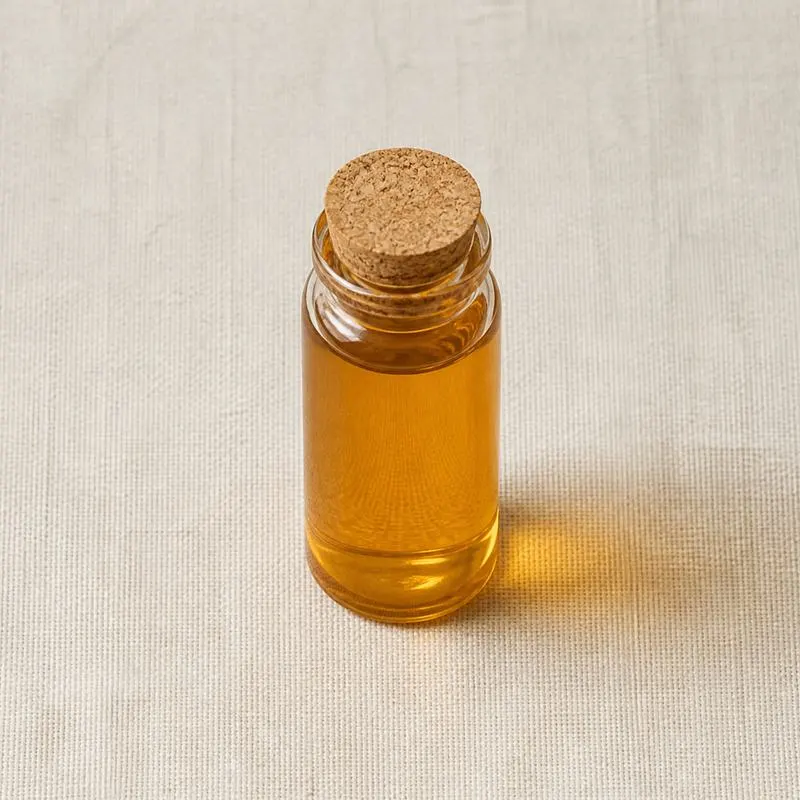
The finished paste is a thick, dark brown, semi solid material that softens when warmed and disperses into hot water. Its high salt content and low water activity give it a long ambient shelf life once the container is sealed.
We source bulk Cow Ointment from top China manufacturers for our partners. The manufacturer is in Jiangsu. A smaller requirement can ship in a combined container with other ingredients.
Please send the grade you need, the volume and your destination port, and we will come back with a solution and a price.
or call +86-21-6858 0751
- Function
- Flavours and Aromas
Specifications
| Item | Specification |
|---|---|
| Appearance | Thick dark brown semi solid paste, softens on warming |
| Odour and Flavour | Characteristic cooked beef, matching retained reference |
| Total Solids | Not less than 60.0 percent |
| Total Nitrogen | Not less than 3.0 percent |
| Amino Acid Nitrogen | Not less than 1.2 percent |
| Fat | 5.0 to 20.0 percent depending on grade |
| Sodium Chloride | 20.0 to 40.0 percent depending on grade |
| Moisture | Not more than 40.0 percent |
| pH, 10 percent solution | 5.0 to 6.5 |
| 3-MCPD | Within the applicable regulatory limit for the destination market |
| Lead | Not more than 1 mg/kg |
| Total Plate Count | Not more than 10,000 cfu/g |
| Yeast and Mould | Not more than 100 cfu/g |
| E. coli | Absent in 1 g |
| Salmonella | Absent in 25 g |
Common Markets Grades
Grades differ first by how much real beef material they carry. High meat content grades are made largely from beef extract and hydrolysed beef protein and carry a fuller, more authentic character, while economy grades substitute hydrolysed vegetable protein and yeast extract for part of the meat and rely more heavily on the reaction and on added flavour to reach the target. The declaration and the price follow directly from that split, and buyers specify total nitrogen and amino acid nitrogen as the practical measure.
Grades differ second by profile, since roast, braised, boiled, broth and grilled beef pastes are formulated as separate products and are not interchangeable. A third axis is form, with paste being the standard presentation and spray dried powder and oil dispersed liquid used for dry blends and for seasoning oils respectively, at the cost of some of the heavier notes that drying strips out. Halal and kosher certification is meaningful in this class because the raw material is animal, and salt level, fat level and colour depth are specified attributes.
Applications
- Instant noodle beef soup bases, both in the paste sachet and blended into the powder
- Hotpot and barbecue bases, folded into the fried aromatic paste
- Bouillon and stock products for retail and foodservice
- Braising liquors, gravies and demi-glace bases
- Fillings for dumplings, buns and pastries, where flavour is lost during steaming
- Processed and reformed meat, restoring character lost through curing and tumbling
- Snack seasoning, dispersed in an oil slurry before tumbling
- Retorted and frozen ready meals, where the reaction body survives thermal processing
- Plant based analogues, though only where an animal derived ingredient is acceptable
- Pet food, as an in-mix flavour or a coating palatant
China Manufacturers of Cow Ointment
Top Cow Ointment manufacturers in China.
Company names and logos are the property of the manufacturers themselves. They are listed here because our own directory records them as producing this ingredient. A listing is not an endorsement by them, and we do not represent them or speak on their behalf.
Regulatory Status
In the United States a paste of this kind is a food ingredient. Where it contains meat above the applicable threshold it falls under United States Department of Agriculture Food Safety and Inspection Service jurisdiction rather than that of the Food and Drug Administration. The Food Safety and Inspection Service then controls establishment inspection, label approval and product naming. Hydrolysed protein must be named by its source in the ingredient list, monosodium glutamate where present is declared by name, and the FEMA GRAS programme covers compounded flavour components, which are labelled under 21 CFR 101.22.
In the European Union thermal process flavourings form a defined category under Regulation (EC) No 1334/2008, which fixes the reaction temperature and time conditions and the permitted starting materials under which they may be produced and sets maximum levels for certain substances that can arise during heating. Product made within those conditions requires no individual authorisation and carries no E number. Because the raw material is of animal origin, the establishment requires approval under Regulation (EC) No 853/2004 and the material must be fit for human consumption and traceable, with bovine specified risk material rules applying. Where acid hydrolysed vegetable protein forms part of the formula, 3-monochloropropane-1,2-diol and its esters are the routine release test. Codex is relevant through its general guidelines for the use of flavourings and its code of hygienic practice for meat.
Manufacturing Process
Beef trimmings, lean meat and bone material are received chilled or frozen, inspected, ground and charged to a jacketed reactor with water. The slurry is heated to inactivate native enzymes and to start collagen conversion, then cooled to the working temperature of the proteases and held with an added enzyme system, typically a combination of endopeptidase and exopeptidase, until the target degree of hydrolysis is reached. The enzymes are then inactivated by a short high temperature hold, and the digest is separated in a decanter or a centrifuge so that bone solids are removed and fat is recovered, part of which is returned to the batch.
The clarified hydrolysate is concentrated under vacuum, then charged back to the reactor with reducing sugars, cysteine hydrochloride, thiamine, salt and beef fat, adjusted to a mildly acid pH and heated under agitation, usually between ninety five and one hundred and twenty degrees Celsius, until the aroma reaches the point set by the formula. The batch is cooled rapidly to stop the reaction, blended with topping flavours, thickener and any remaining seasoning, homogenised, and hot filled into pails or drums or, for powder grades, dried on a spray tower. Release is on total nitrogen, amino acid nitrogen, salt, moisture and a sensory panel against a retained reference supported by gas chromatography.