Crimson Glory Rose Abs
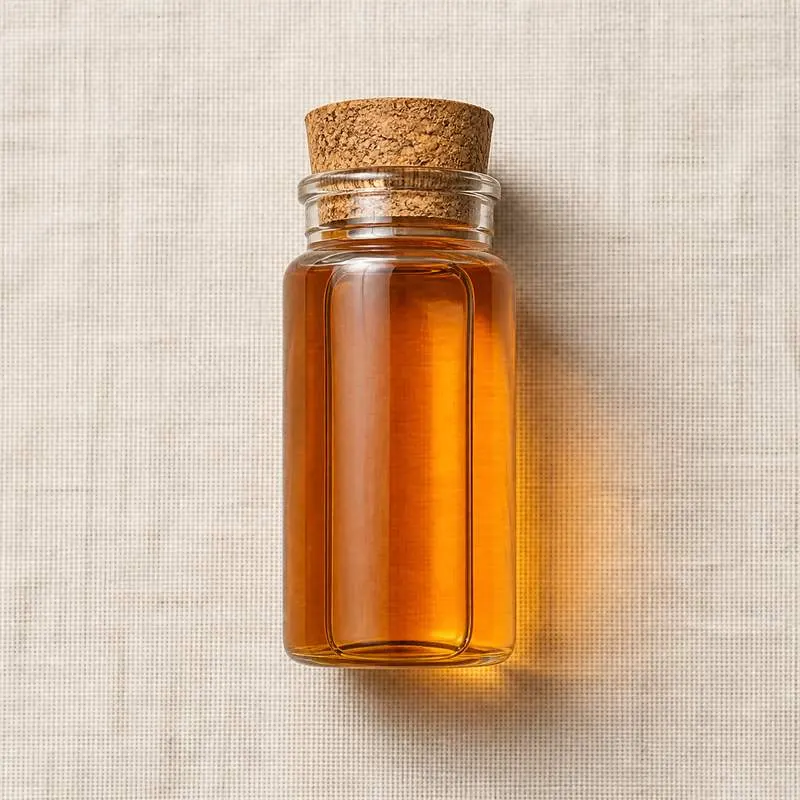
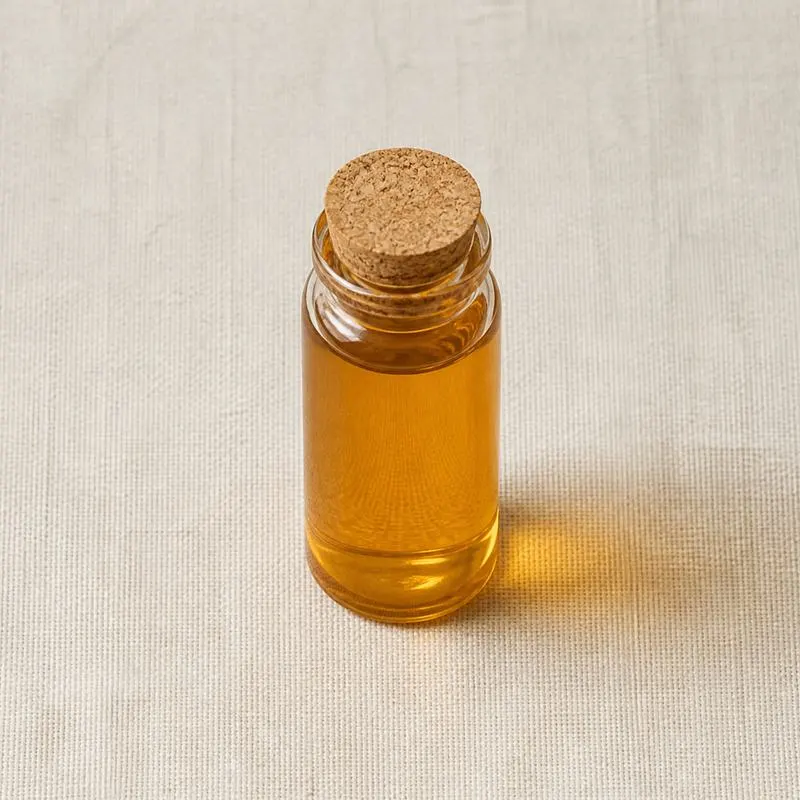
Crimson Glory Rose Abs is a deep red-brown viscous absolute produced from the petals of the heritage hybrid tea rose Rosa 'Crimson Glory', valued in fine perfumery for an unusually dark, velvety, slightly spicy rose profile.
The absolute captures the heavier rose ketones, phenolic notes, and waxy floral fractions that steam distillation tends to leave behind, delivering a richer and more true-to-petal scent than the corresponding otto.
We source bulk Crimson Glory Rose Abs from top China manufacturers for our partners. The manufacturer is in Guangdong. A smaller requirement can ship in a combined container with other ingredients.
Please send the grade you need, the volume and your destination port, and we will come back with a solution and a price.
or call +86-21-6858 0751
- Packaging
- 250 kg plastic drum or 1,000 kg IBC tote
- ISO 9001
- HACCP
- Halal
- Kosher
Specifications
| Item | Specification |
|---|---|
| Appearance | Deep ruby red to reddish brown viscous liquid |
| Odour | Deep, rich, velvety floral rose with a slightly spicy facet |
| Phenylethyl Alcohol (GC) | 40.0 - 65.0% |
| Citronellol (GC) | 15.0 - 30.0% |
| Geraniol and Nerol (GC) | 5.0 - 15.0% |
| Rose Ketones (damascenone and ionone, GC) | 0.05 - 0.50% |
| Specific Gravity (20°C) | 0.950 - 1.010 |
| Refractive Index (20°C) | 1.495 - 1.520 |
| Optical Rotation (20°C) | -5° to +2° |
| Acid Value | ≤ 20 mg KOH/g |
| Ester Value | 10 - 40 mg KOH/g |
| Solubility (25°C) | Soluble in 1 volume of 95% ethanol |
| Residual Solvent (Hexane) | ≤ 10 mg/kg |
| Heavy Metals (as Pb) | ≤ 10 mg/kg |
| Arsenic (as As) | ≤ 3 mg/kg |
Common Markets Grades
Crimson Glory Rose Abs is a small-batch botanical product and is graded by extraction method and post-treatment.
Standard absolute is produced by hexane extraction of fresh petals followed by ethanol washing of the concrete. It is a deep ruby to brown viscous mass at room temperature and softens on gentle warming. Typical absolute content is 50 to 65 percent of the concrete.
Decolorised absolute is produced for applications where the deep colour would discolor a finished product. Mild adsorbent treatment lightens the material to a pale amber while retaining most of the olfactive profile.
Molecular distillation grade is a clear, low-viscosity fraction stripped of waxes and pigments, used in fine fragrance and in clear cosmetic bases where visual transparency is required.
All grades are batch-released with gas chromatography fingerprinting that confirms the characteristic ratio of citronellol, geraniol, nerol, phenylethyl alcohol, and the rose ketones (alpha and beta-damascenone, beta-ionone).
Applications
- Fine fragrance heart notes for prestige rose, oriental, and chypre compositions
- Modern fougere and gourmand bases as a deep floral accent
- Aromatherapy preparations positioned around emotional balance
- Spa and high-end personal care fragrancing
- Niche perfumery extraits and parfum concentrations
- Solid perfume and balm fragrancing where waxy character is desirable
- Candle and home-fragrance prestige collections
- Reconstruction work as the reference benchmark for damask and hybrid tea rose accords
- Blending with rose otto to add depth and dry-down tenacity
- Bespoke and custom-formulated perfumery commissions
China Manufacturers of Crimson Glory Rose Abs
Top Crimson Glory Rose Abs manufacturers in China.
Company names and logos are the property of the manufacturers themselves. They are listed here because our own directory records them as producing this ingredient. A listing is not an endorsement by them, and we do not represent them or speak on their behalf.
How We Help Source Crimson Glory Rose Abs
Direct Factory Sourcing
We run the whole process: selecting the manufacturer from the top Chinese food ingredient producers, negotiating the price, verifying quality, and coordinating the logistics. You deal with us instead of with several factories at once.
Original Packaging and Documents from the Manufacturer
The manufacturer sends your Crimson Glory Rose Abs out of its own factory in the original packing, through to your destination port. The COA, COO, MSDS, TDS and any certifications reach you from the manufacturer as well.
Free Samples and Lead Time
We send 100 to 500 g free for your own laboratory to test and you cover only the courier, usually within 2 to 3 working days. ETD is usually within 7 to 15 days once the order is confirmed, and we check that date against the factory's own manufacturing schedule before we give it to you.
Combined Shipment
We can load Crimson Glory Rose Abs together with other ingredients such as Capsicum Oleoresin, Ethyl Maltol and White Pepper into one 20' FCL. If your quantity is small, we can also ship LCL.
Regulatory Status
Rose absolutes including Crimson Glory are recognised by IFRA as natural complex substances and carry category-specific use guidance based on the sensitization profile of their declared constituents.
Under the European Union cosmetic regulation, label declaration is required for the contained allergens citronellol, geraniol, eugenol, farnesol, and linalool when present above the standard leave-on or rinse-off thresholds.
FEMA recognises rose absolute as a natural flavouring substance suitable for flavour use at low ppm levels. The material is REACH-registered as a natural complex substance and is listed on EINECS as rose flower extract.
Kosher, halal, and organic certifications can be supported depending on the supply chain and extraction solvent used.
Manufacturing Process
Crimson Glory roses are hand-harvested at dawn during a short three to four-week flowering window in late spring, when petal essential-oil content peaks before the rising sun drives off the lighter volatiles.
Fresh petals are loaded into stainless-steel extractors and washed with food-grade hexane at controlled temperature. The solvent dissolves the waxes, pigments, and aromatics to yield a fragrant green-brown miscella, which is filtered and concentrated under reduced pressure to recover the concrete.
The concrete is then stirred with warm ethanol to dissolve the aromatic fraction, and the inert plant waxes precipitate on chilling. Filtration and evaporation of the ethanol yields the absolute as a deep red-brown viscous mass.
Yield is typically 1 to 2 kg of absolute per ton of fresh petals, which is the reason for both the cost and the standing of the material. Each batch carries a full gas chromatography and sensory evaluation dossier.