Cumin Oil
Cumin oil is the essential oil obtained by steam distillation of the ripe dried fruit of Cuminum cyminum, the umbelliferous plant whose seed is the spice cumin. It concentrates the aroma of the spice roughly fifty fold, so a single kilogram replaces a large weight of ground seed in a formulation and does so without adding the colour, fibre and microbial load that ground spice brings.
Cuminaldehyde is the character impact constituent and the compound on which the oil is bought, typically accounting for a fifth to two fifths of the oil. Around it sit p-cymene, gamma-terpinene and beta-pinene as the hydrocarbon fraction, together with the cumin alcohol and the dihydro cuminaldehydes that give the oil its heavy, sweaty, persistent quality. The hydrocarbons carry the top note and oxidise readily, which is why an aged oil smells duller and more turpentine like than a fresh one.
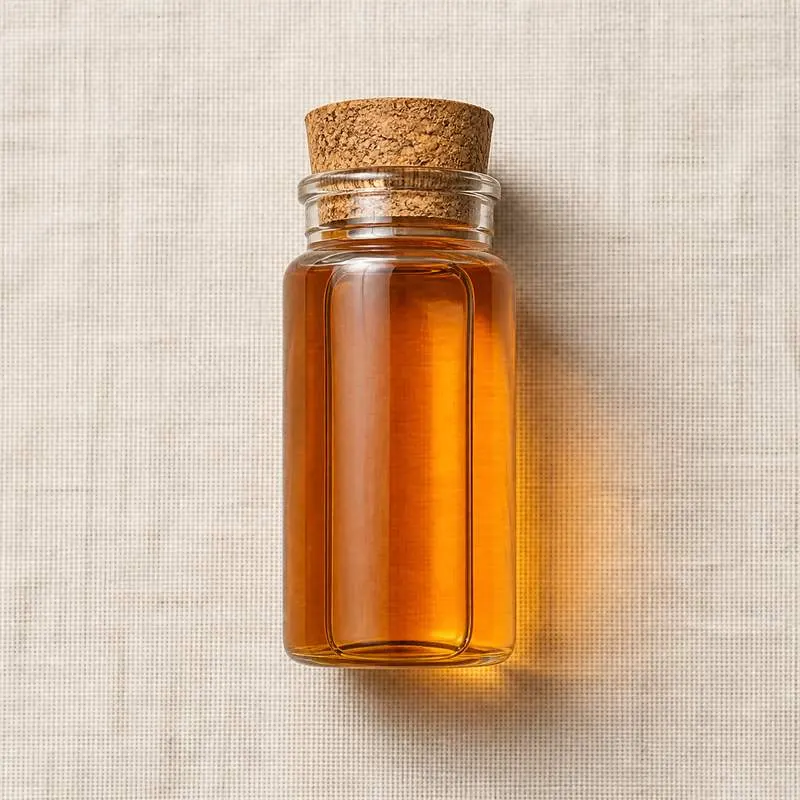
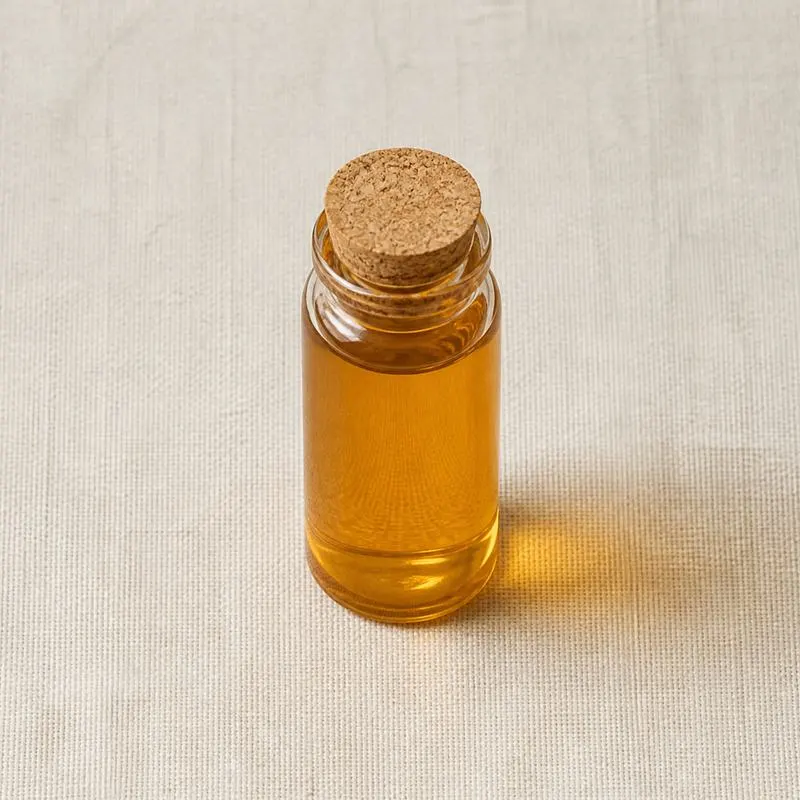
The oil is a mobile pale yellow to brownish yellow liquid, practically insoluble in water and soluble in ethanol and in fixed oils. It normally trades neat in lined drums and is used after dilution, and it is stored cold in filled containers under nitrogen because both the aldehyde and the terpene fraction degrade on air contact.
We source bulk Cumin Oil from top China manufacturers for our partners. The manufacturers are in Shandong and Yunnan. A smaller requirement can ship in a combined container with other ingredients.
Please send the grade you need, the volume and your destination port, and we will come back with a solution and a price.
or call +86-21-6858 0751
- Function
- Flavours and Aromas
Specifications
| Item | Specification |
|---|---|
| Appearance | Clear mobile liquid, pale yellow to brownish yellow |
| Odour | Strong, warm, spicy and persistent, characteristic of cumin seed |
| Cuminaldehyde Content | Not less than 20.0% |
| p-Cymene Content | 10.0 to 30.0% |
| Gamma-Terpinene Content | 10.0 to 25.0% |
| Relative Density at 20 C | 0.900 to 0.935 |
| Refractive Index at 20 C | 1.495 to 1.508 |
| Optical Rotation at 20 C | Minus 2 degrees to plus 5 degrees |
| Acid Value | Not more than 3.0 mg KOH per g |
| Solubility | Clear solution in one volume of 80% ethanol |
| Heavy Metals as Lead | Not more than 10 mg/kg |
| Lead | Not more than 1.0 mg/kg |
| Arsenic | Not more than 0.5 mg/kg |
Common Markets Grades
The principal specification is cuminaldehyde content, quoted by gas chromatography and normally in the range of twenty to forty percent depending on seed origin, season and how the crop was dried. Oils from different growing regions differ noticeably in the ratio of aldehyde to terpene hydrocarbon, and buyers who need a consistent profile will blend across origins rather than rely on a single crop.
Beyond assay, grades divide by processing. Crude distilled oil is the bulk article. Rectified oil, redistilled under vacuum, is paler and cleaner and is used where colour or a softer top note matters. Terpeneless and folded grades concentrate the oxygenated fraction and give better water dispersibility in beverage and seasoning applications. Cumin oleoresin, a solvent extract rather than a distillate, is a separate product that carries the fixed oil and non volatile taste components as well as the aroma, and organic certified oil is produced in small volume.
Applications
- Curry powders, masala blends and spice seasonings, replacing part of the ground seed to raise aroma strength at constant weight
- Meat seasoning and marinade systems, particularly for lamb, mutton and grilled skewer products where cumin is the defining note
- Sausage, salami and cured meat formulations, where the oil disperses evenly through the fat phase
- Snack seasonings applied in the tumble drum, using folded or emulsified grades on a carrier
- Instant noodle and soup seasoning sachets in barbecue and spiced variants
- Pickle, chutney and relish flavourings, where the oil gives spice character without visible particles
- Bakery products such as spiced breads and crackers, where a heat stable dose survives the oven
- Sauce and condiment manufacture, including chili and barbecue sauces built on a cumin base
- Fragrance compounding, where small quantities are used for an animalic, spicy effect
Brands Using Cumin Oil
Widely-distributed consumer products that list Cumin Oil on the ingredient label.
Brand names, product names and logos are the property of their owners. They appear here as published evidence that the ingredient is used, taken from the brand's own label or website. Their appearance is not an endorsement, and it does not mean the brand buys from us or from any manufacturer listed on this site.
China Manufacturers of Cumin Oil
Top Cumin Oil manufacturers in China.
 Jinan Aorun Technology Co., Ltd.9 ingredients in the directory
- Yunnan Varitaste Flavoring Co., Ltd.3 ingredients in the directory
Company names and logos are the property of the manufacturers themselves. They are listed here because our own directory records them as producing this ingredient. A listing is not an endorsement by them, and we do not represent them or speak on their behalf.
Regulatory Status
Cumin oil is treated in food law as a flavouring preparation of botanical origin rather than as a single chemical substance. In the European Union it may be used as a flavouring under the general flavourings framework covering preparations obtained from food by physical processes such as distillation, subject to the safety and labelling requirements that apply to all flavourings. It carries no E number, since flavourings sit outside the food additive system.
In the United States cumin and its derived oil and oleoresin are among the spices, essential oils and natural extractives that the Food and Drug Administration lists as generally recognised as safe for their intended use in food, and the oil additionally holds FEMA GRAS status. Codex evaluates individual flavouring constituents through JECFA rather than assessing whole essential oils, and its spice standards address the seed rather than the distillate. Adulteration of the cumin supply chain has been a recurring issue, so origin verification and gas chromatographic profiling are standard trade practice.
Manufacturing Process
Dried cumin seed is cleaned to remove stalk, stone and dust, then coarsely crushed or flaked immediately before distillation. Crushing ruptures the oil ducts in the fruit wall and is what allows steam to reach the oil, but it also starts evaporative loss, so the interval between milling and charging is kept short. The crushed seed is packed into a stainless still on a perforated grid and low pressure steam is passed up through the bed.
Distillation runs for several hours, with the heavier oxygenated fraction coming over late in the run, so the cut point determines both yield and the aldehyde to hydrocarbon ratio of the finished oil. The vapour is condensed and the condensate separates in a florentine vessel, with the oil drawn from the top and the distillation water recycled to the still to recover dissolved oxygenated constituents. The separated oil is dried over anhydrous sodium sulphate or by settling, filtered, and either packed as crude or passed to a vacuum rectification column where colour bodies and heavy residues are removed and terpene hydrocarbons can be stripped to give a folded grade.