Cumin Oleoresin
Cumin Oleoresin is a solvent extract of the dried fruits (seeds) of Cuminum cyminum, a small annual herb in the carrot family Apiaceae.
It carries the full flavour profile of the spice in concentrated form: the volatile essential-oil fraction dominated by cuminaldehyde, plus the heavier flavour-bearing constituents and a small amount of fixed oil.
We source bulk Cumin Oleoresin from top China manufacturers for our partners. The manufacturer is in Shaanxi. A smaller requirement can ship in a combined container with other ingredients.
Please send the grade you need, the volume and your destination port, and we will come back with a solution and a price.
or call +86-21-6858 0751
- Packaging
- 25 kg galvanised drum, nitrogen blanketed
- ISO 9001
- HACCP
- Halal
- Kosher
Specifications
Grades / Types Available: Food Grade, Feed Grade
| Item | Specification |
|---|---|
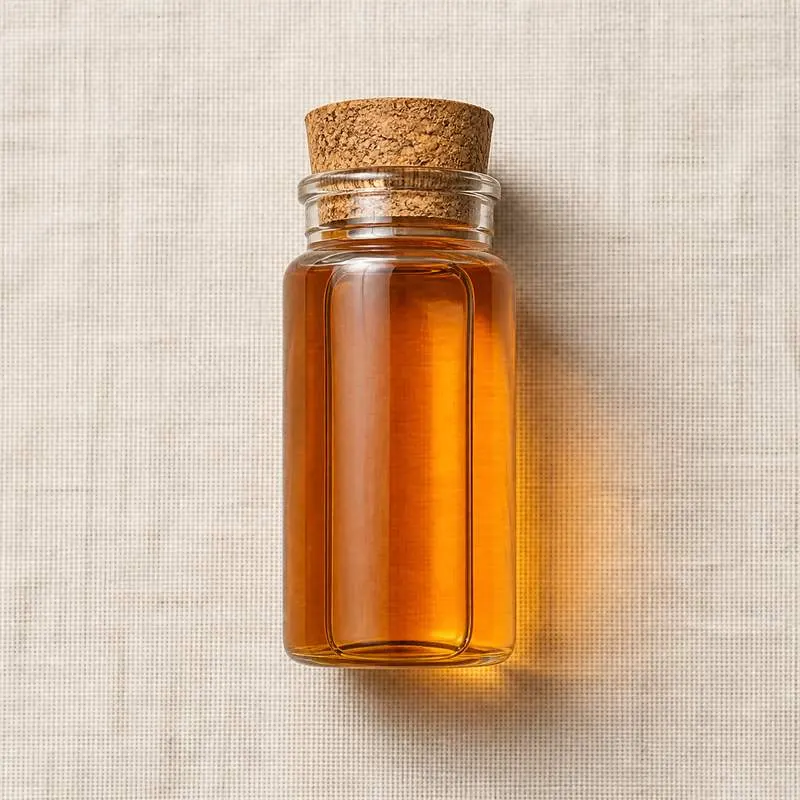
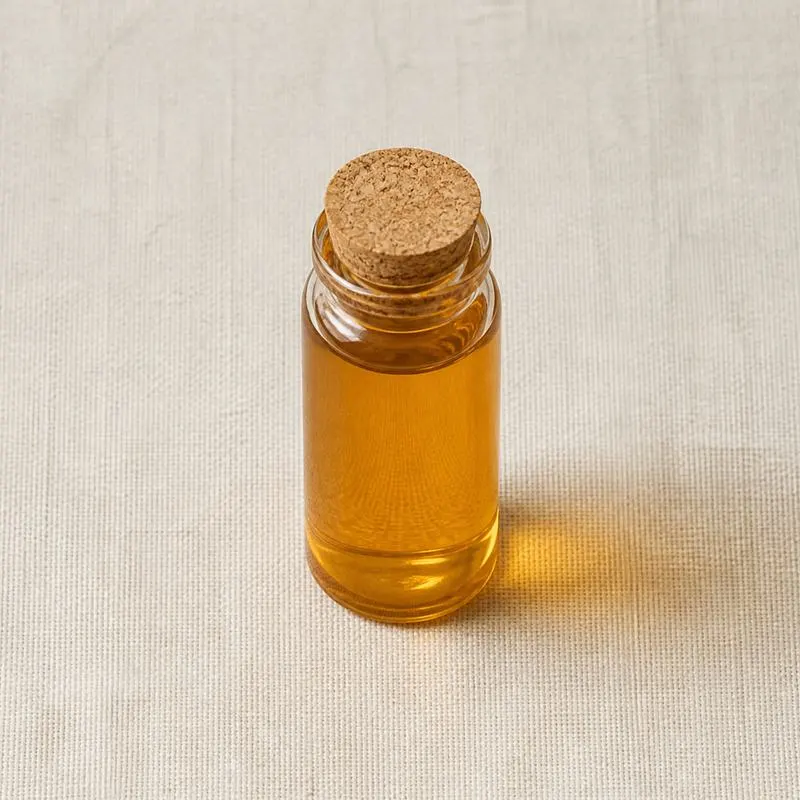
| Appearance | Dark brown to greenish-brown viscous liquid |
| Volatile Oil Content | ≥ 15-25 mL/100g |
| Cuminaldehyde | ≥ 15% |
| Solvent Residue | ≤ 25 mg/kg |
| Heavy Metals (as Pb) | ≤ 2 mg/kg |
| Purity/Assay | ≥ 80% (Food Grade) |
| Viscosity | 100-200 mPa.s (Food Grade) |
| Moisture/Loss on Drying | ≤ 5% (Food Grade) |
| pH | 5.0 - 7.0 (Food Grade) |
Common Markets Grades
Cumin Oleoresin is graded on volatile-oil content and on cuminaldehyde percentage.
Standard food-grade material carries 30 to 50 percent volatile oil with cuminaldehyde in the 25 to 40 percent range of the volatile fraction.
Higher-strength concentrates at 60 percent volatile oil are produced for compound flavour manufacture.
The companion essential oil (steam-distilled cumin oil) is produced separately for applications that need only the top-note volatiles without the heavier oleoresin backbone.
Carriers, when needed, are refined vegetable oil or propylene glycol. Most cumin oleoresin is shipped as a dark amber to brown liquid without further dilution.
Applications
- Curry powders, garam masala blends, and tandoori spice systems
- Mexican and Tex-Mex seasonings for tacos, chili con carne, and fajita rubs
- Middle Eastern and North African pastes including harissa, baharat, and ras el hanout
- Sausage and processed-meat seasonings, especially merguez and chorizo styles
- Snack seasonings on tortilla chips, falafel-flavoured crisps, and roasted chickpeas
- Bouillon, broth concentrates, and instant-soup sachets
- Pickles, chutneys, and brined vegetables
- Cheese flavouring for Leyden, Munster, and spiced gouda varieties
- Bread and cracker recipes carrying visible cumin character
- Plant-based meat analogues seeking warm, earthy, slightly bitter savory tones
China Manufacturers of Cumin Oleoresin
Top Cumin Oleoresin manufacturers in China.
Company names and logos are the property of the manufacturers themselves. They are listed here because our own directory records them as producing this ingredient. A listing is not an endorsement by them, and we do not represent them or speak on their behalf.
How We Help Source Cumin Oleoresin
Direct Factory Sourcing
We run the whole process: selecting the manufacturer from the top Chinese food ingredient producers, negotiating the price, verifying quality, and coordinating the logistics. You deal with us instead of with several factories at once.
Original Packaging and Documents from the Manufacturer
The manufacturer sends your Cumin Oleoresin out of its own factory in the original packing, through to your destination port. The COA, COO, MSDS, TDS and any certifications reach you from the manufacturer as well.
Free Samples and Lead Time
We send 100 to 500 g free for your own laboratory to test and you cover only the courier, usually within 2 to 3 working days. ETD is usually within 7 to 15 days once the order is confirmed, and we check that date against the factory's own manufacturing schedule before we give it to you.
Combined Shipment
We can load Cumin Oleoresin together with other ingredients such as Capsicum Oleoresin, Ethyl Maltol and White Pepper into one 20' FCL. If your quantity is small, we can also ship LCL.
Regulatory Status
Cumin Oleoresin is treated as a natural flavouring preparation in most regulated markets.
In the European Union it falls under Regulation (EC) No 1334/2008 on flavourings. Cumin is not listed in Annex III among the restricted substances.
The U.S. Food and Drug Administration lists cumin and its essential oil and oleoresin under 21 CFR 182.10 and 182.20 as generally recognized as safe (GRAS).
JECFA has reviewed cuminaldehyde as a flavouring substance (FEMA 2341) and concluded it does not present a safety concern at current intake levels.
Residual solvent limits follow the relevant food-extraction-solvent rules in each market. Cumin is a regulated allergen-style declarable spice in only a limited number of jurisdictions; most simply require it to appear in the ingredient list when present.
Manufacturing Process
The starting material is cleaned, dried cumin fruit, usually from India, Syria, Turkey, or Iran. Indian Gujarat and Rajasthan account for the largest share of global supply.
The seeds are cracked and ground, then extracted with food-grade ethanol or hexane. Some plants run a steam distillation first to capture the high-value volatile oil cleanly, then re-blend it with the solvent-extracted residue to make the finished oleoresin.
The miscella is filtered and the solvent is stripped under vacuum at temperatures kept below the decomposition window of cuminaldehyde.
The crude oleoresin is then standardised on volatile-oil content by blending lots and, where required, by topping up with re-captured cumin essential oil to hit the cuminaldehyde target.