Dehydroacetic Acid
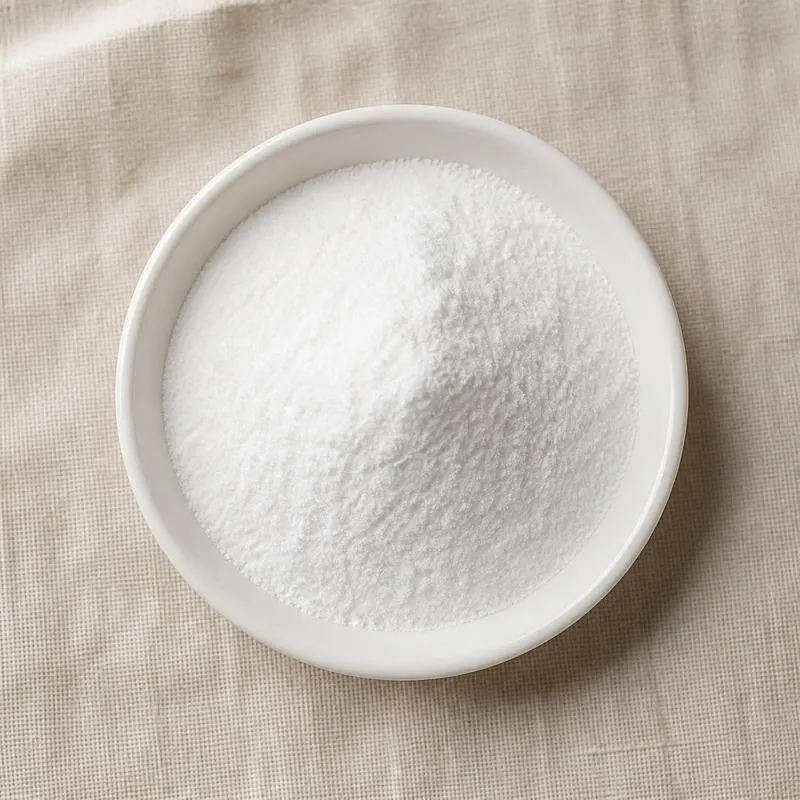
Dehydroacetic Acid is a pyrone-based organic acid used as a preservative in cosmetics and, in selected jurisdictions, in food.
The molecule has the formula C₈H₈O₄, CAS number 520-45-6, and the European food-additive number E265. It exists as a lactone with a single enolizable hydroxyl, which is the proton released on salt formation.
We source bulk Dehydroacetic Acid from top China manufacturers for our partners. The manufacturers are in Guangxi and Jiangsu. A smaller requirement can ship in a combined container with other ingredients.
Please send the grade you need, the volume and your destination port, and we will come back with a solution and a price.
or call +86-21-6858 0751
- Packaging
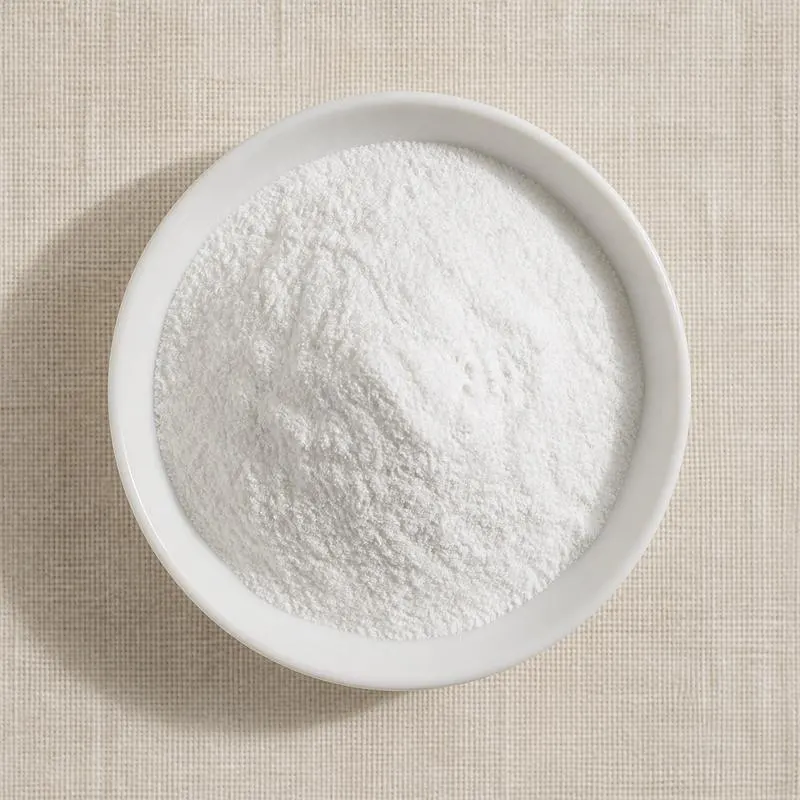
- 25 kg kraft paper bag with PE inner liner
- ISO 9001
- HACCP
- Halal
- Kosher
Specifications
| Item | Specification |
|---|---|
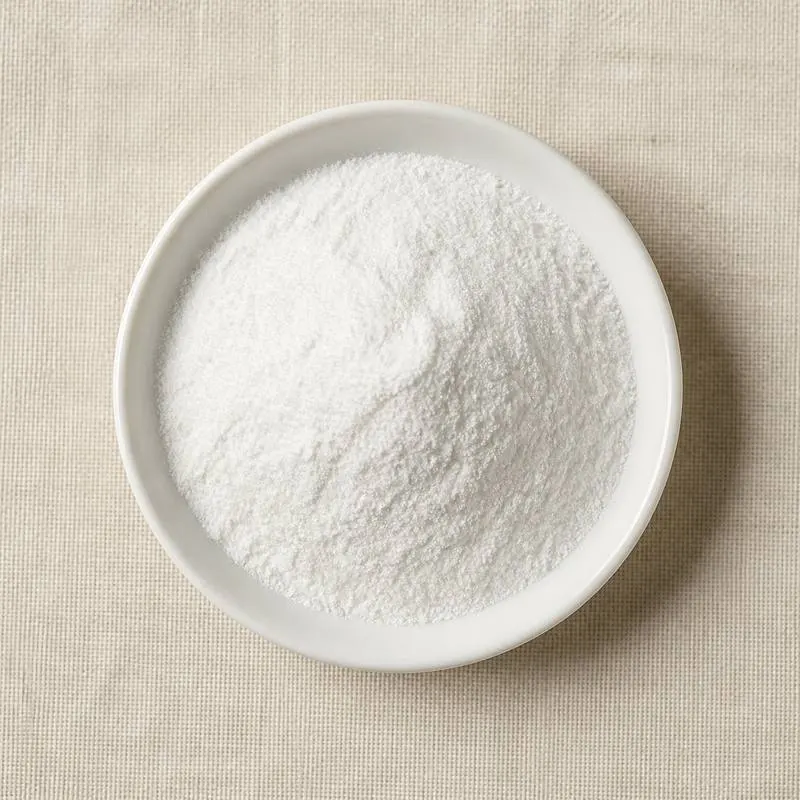
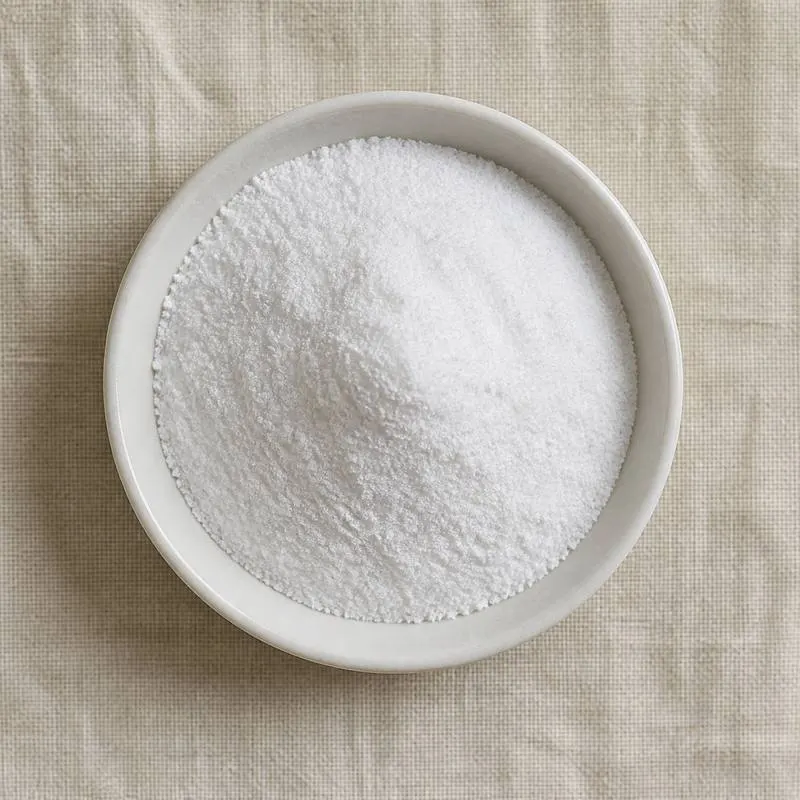
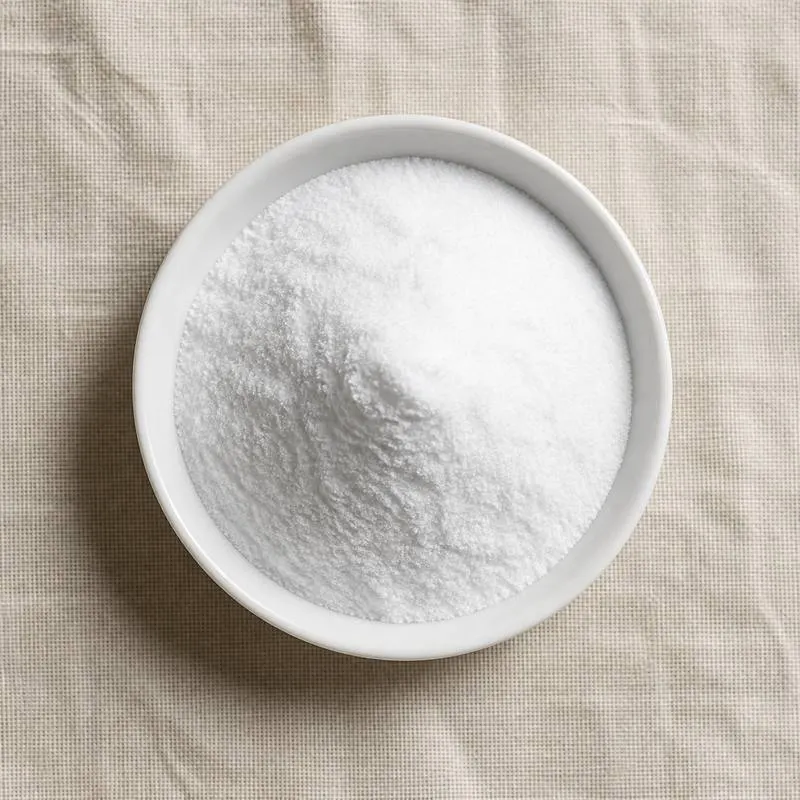
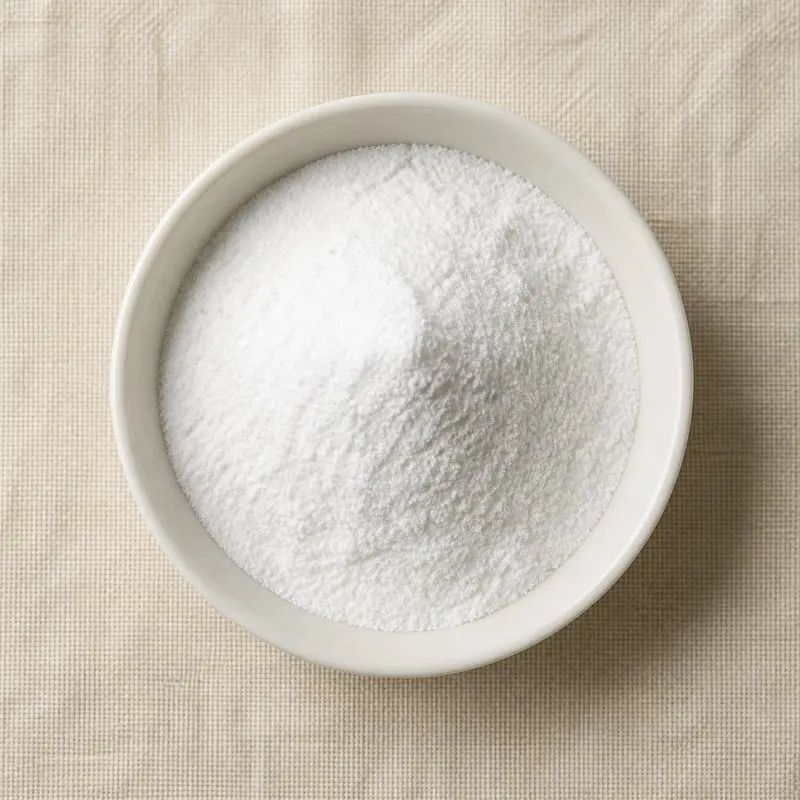
| Appearance | White to light yellow crystalline powder |
| Odour | Odourless to faintly characteristic |
| Identification | Conforms to reference |
| Assay (dried basis) | ≥ 99.0% |
| Melting Point | 109 – 111 °C |
| pH (saturated solution) | 4.0 – 6.0 |
| Solubility | Slightly soluble in water; freely soluble in acetone and in alkali |
| Loss on Drying | ≤ 0.5% |
| Residue on Ignition | ≤ 0.1% |
| Chloride (as Cl) | ≤ 0.02% |
| Sulphated Ash | ≤ 0.1% |
| Heavy Metals (as Pb) | ≤ 10 mg/kg |
| Lead (as Pb) | ≤ 2 mg/kg |
| Arsenic (as As) | ≤ 1 mg/kg |
| Total Plate Count | ≤ 500 CFU/g |
Common Markets Grades
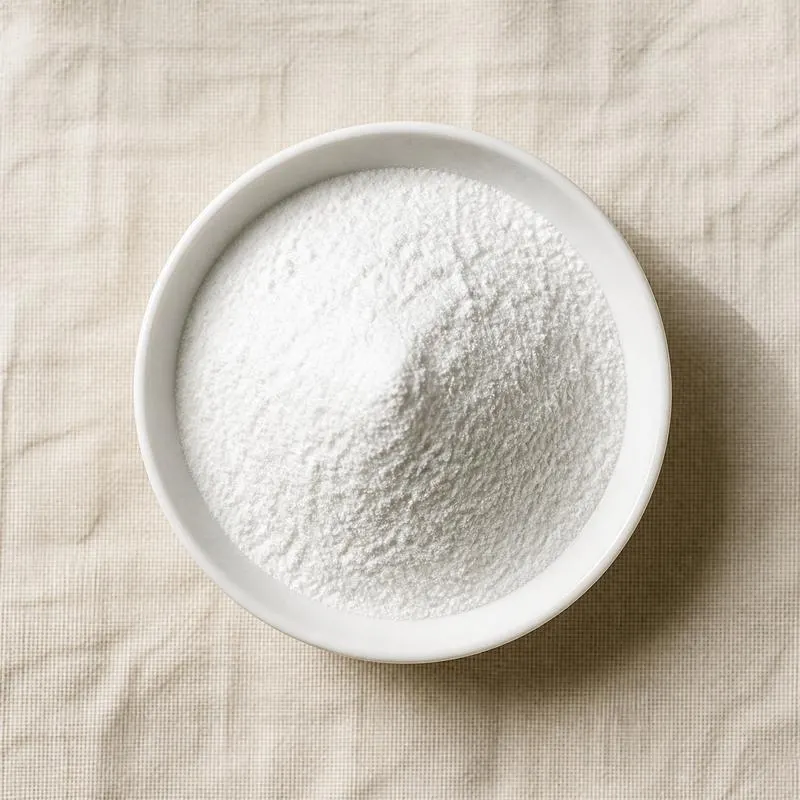
Dehydroacetic Acid is a white crystalline powder of 99 percent minimum purity.
A standard cosmetic grade is produced for use as the free acid in oil-phase or solvent-borne systems where the limited water solubility is acceptable. The acid form is preferred when the finished product runs at pH 4 to 5 and dissociation of the sodium salt would already release the active species.
A higher-purity grade with tighter heavy-metal limits is produced for food use in markets that still permit the additive.
Standard packaging is 25 kg fibre drums or polyethylene-lined bags. The material is stable at room temperature and is stored away from strong oxidisers.
Applications
- Anhydrous cosmetic formulations including lipsticks, lip balms, and stick foundations
- Oil-phase serums and facial oils where water-soluble preservatives are unsuitable
- Pressed and loose powder cosmetics as a mould inhibitor
- Hair pomades, waxes, and styling clays
- Solid shampoo bars and syndet cleansing bars
- Solvent-based nail treatments and cuticle oils
- Asian bakery products such as steamed buns and mooncakes (where locally permitted)
- Salted and pickled vegetables in Japan and selected Asian markets
- Cheese rind treatments under Japanese food law
- Tobacco humectant formulations as a mould suppressor
- Adhesive and starch-based industrial slurries
Brands Using Dehydroacetic Acid
Widely-distributed consumer products that list Dehydroacetic Acid on the ingredient label.
- Drunk ElephantKamili Cream Body Cleanser ↗Body cleanser ingredient list includes Dehydroacetic Acid as preservative (alongside benzoic acid and phenoxyethanol)Label verified 2026-05-24
- Paula's ChoiceDaily Replenishing Body Cream ↗Paula's Choice's own ingredient page confirms Dehydroacetic Acid use as a preservative in their Daily Replenishing Body Cream formulation at <=0.6%Label verified 2026-05-24
Brand names, product names and logos are the property of their owners. They appear here as published evidence that the ingredient is used, taken from the brand's own label or website. Their appearance is not an endorsement, and it does not mean the brand buys from us or from any manufacturer listed on this site.
China Manufacturers of Dehydroacetic Acid
Top Dehydroacetic Acid manufacturers in China.
 Guangxi Jinyuan Biochemical Industry Co., Ltd.10 ingredients in the directory
 Nantong Acetic Acid Chemical Co., Ltd.6 ingredients in the directory
Company names and logos are the property of the manufacturers themselves. They are listed here because our own directory records them as producing this ingredient. A listing is not an endorsement by them, and we do not represent them or speak on their behalf.
How We Help Source Dehydroacetic Acid
Direct Factory Sourcing
We run the whole process: selecting the manufacturer from the top Chinese food ingredient producers, negotiating the price, verifying quality, and coordinating the logistics. You deal with us instead of with several factories at once.
Original Packaging and Documents from the Manufacturer
The manufacturer sends your Dehydroacetic Acid out of its own factory in the original packing, through to your destination port. The COA, COO, MSDS, TDS and any certifications reach you from the manufacturer as well.
Free Samples and Lead Time
We send 100 to 500 g free for your own laboratory to test and you cover only the courier, usually within 2 to 3 working days. ETD is usually within 7 to 15 days once the order is confirmed, and we check that date against the factory's own manufacturing schedule before we give it to you.
Combined Shipment
We can load Dehydroacetic Acid together with other ingredients such as Calcium Propionate, Sodium Diacetate and Sodium Propionate into one 20' FCL. If your quantity is small, we can also ship LCL.
Regulatory Status
Dehydroacetic Acid is listed in EU Regulation 1223/2009 Annex V entry 33 as a permitted cosmetic preservative at up to 0.6 percent in rinse-off and leave-on products, expressed as the acid.
In food, the European Union assigned it the number E265 historically, but the additive is no longer authorised for direct food use under current EU rules and is now of cosmetic interest in Europe only.
The U.S. Food and Drug Administration has not affirmed GRAS status for the acid in food. Use in cosmetics is permitted under the general provisions of the FD&C Act.
Japan continues to authorise the acid and its sodium salt as food preservatives in butter, cheese, margarine, and certain pickled foods under the Food Sanitation Act, with category-specific maximum-use levels.
An EFSA scientific opinion published in 2023 highlighted reproductive and developmental toxicity concerns, and the substance is under ongoing regulatory review in Europe.
Manufacturing Process
Industrial dehydroacetic acid is produced by the controlled dimerization of diketene.
Two molecules of diketene condense in the presence of a basic catalyst such as triethylamine or pyridine to give the 6-methyl-3-acetyl-4-hydroxy-2H-pyran-2-one skeleton. The reaction runs in an inert hydrocarbon or chlorinated solvent at moderate temperature.
After completion the crude product is cooled, crystallised, filtered, and washed to remove the basic catalyst and dimerization byproducts. A recrystallisation step from ethanol or methanol delivers the final cosmetic or food specification.
Diketene itself is made by pyrolysis of acetic anhydride or thermal dehydration of acetic acid, which couples the entire chain back to commodity acetyl chemistry. Production is concentrated in eastern China where diketene capacity is largest.