Sorbic Acid
Sorbic Acid is 2,4-hexadienoic acid, an unsaturated short-chain fatty acid that serves as the parent of the sorbate preservative family.
The molecular formula is C₆H₈O₂, with a molar mass of 112.13 g/mol and a melting point of 134 °C. The substance occurs naturally in the berries of the rowan tree and contributes to their characteristic preservation behaviour.
Water solubility is limited (about 1.6 g per litre at 20 °C), but lipid solubility is good, which makes the free acid the preferred form in fat-rich or surface-treated foods.
We source bulk Sorbic Acid from top China manufacturers for our partners, working with several of them. The manufacturers are mostly in Jiangsu, Shandong and Guangxi. For this ingredient the minimum order is 500 kg and a 20-foot container takes 19 MT, and a smaller requirement can ship in a combined container with other ingredients.
Please send the grade you need, the volume and your destination port, and we will come back with a solution and a price.
or call +86-21-6858 0751
- Minimum order
- 500 kg
- Qty in 20' FCL
- 19 MT
- Packaging
- 25 kg kraft paper bag with PE inner liner
- ISO 9001
- HACCP
- Halal
- Kosher
Specifications
| Item | Specification |
|---|---|
| Appearance | White crystalline powder |
| Purity (Food Grade) | ≥ 99.0% |
| Purity (Feed Grade) | ≥ 98.0% |
| Moisture/Loss on Drying | ≤ 1.0% |
| pH | 5.0 - 7.0 |
| Heavy Metals | ≤ 10 mg/kg |
| Lead | ≤ 2 mg/kg |
| Arsenic | ≤ 1 mg/kg |
| Total Plate Count | ≤ 1000 cfu/g |
| Yeast & Mold | ≤ 100 cfu/g |
Common Markets Grades
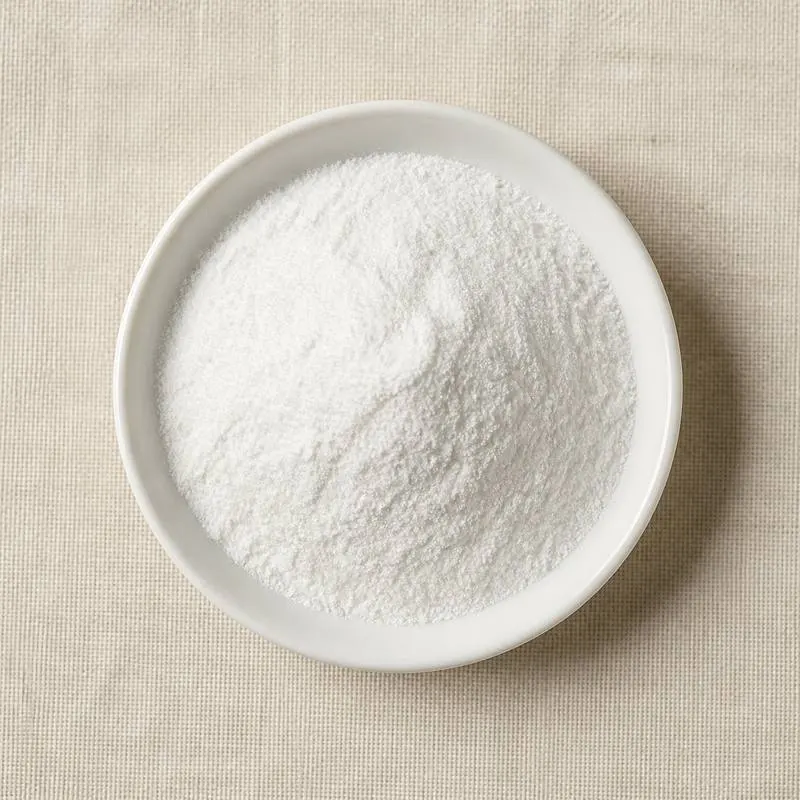
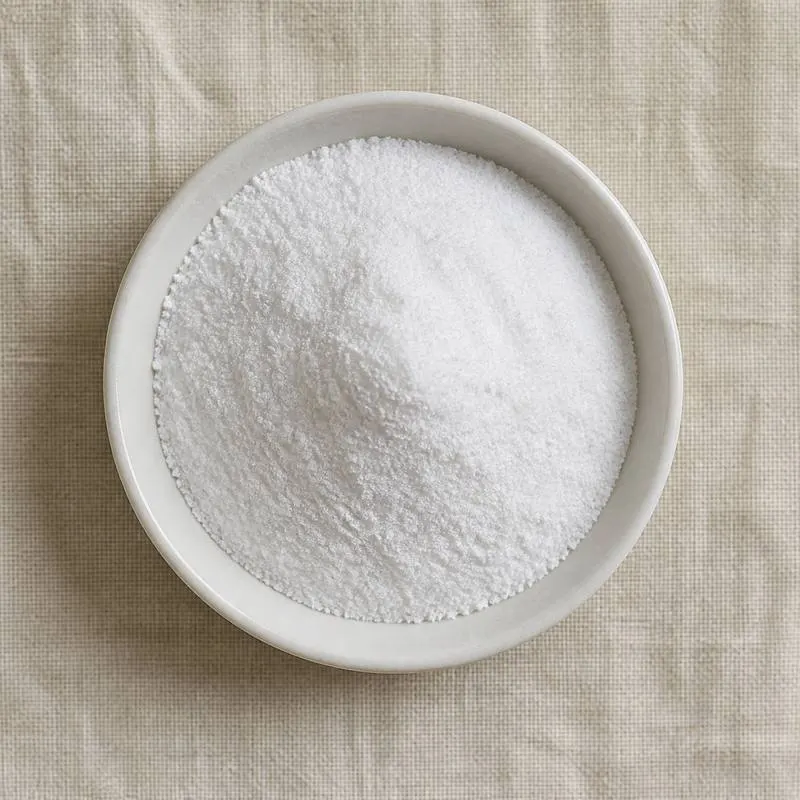
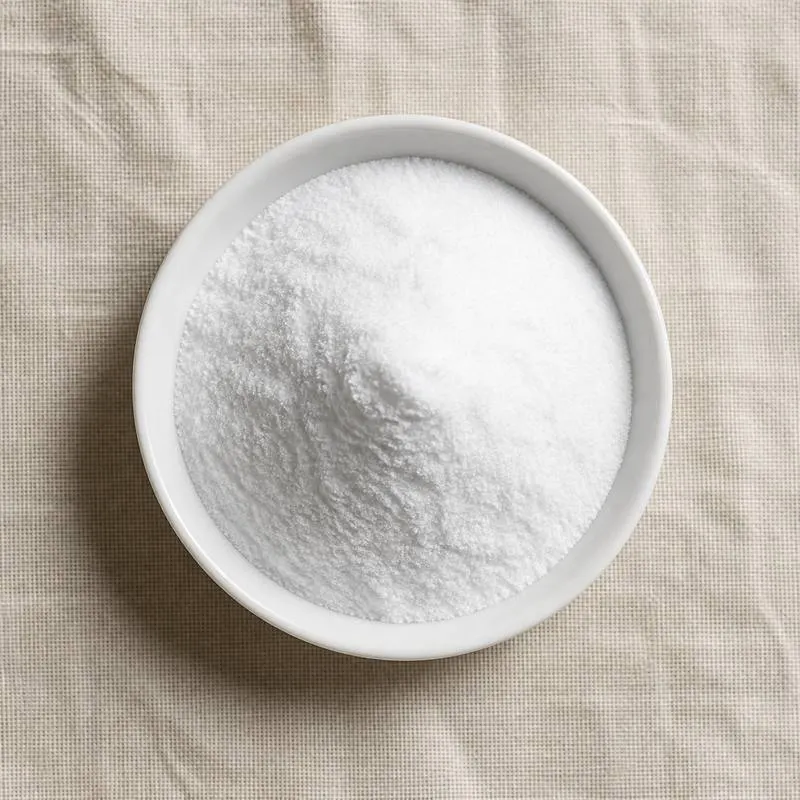
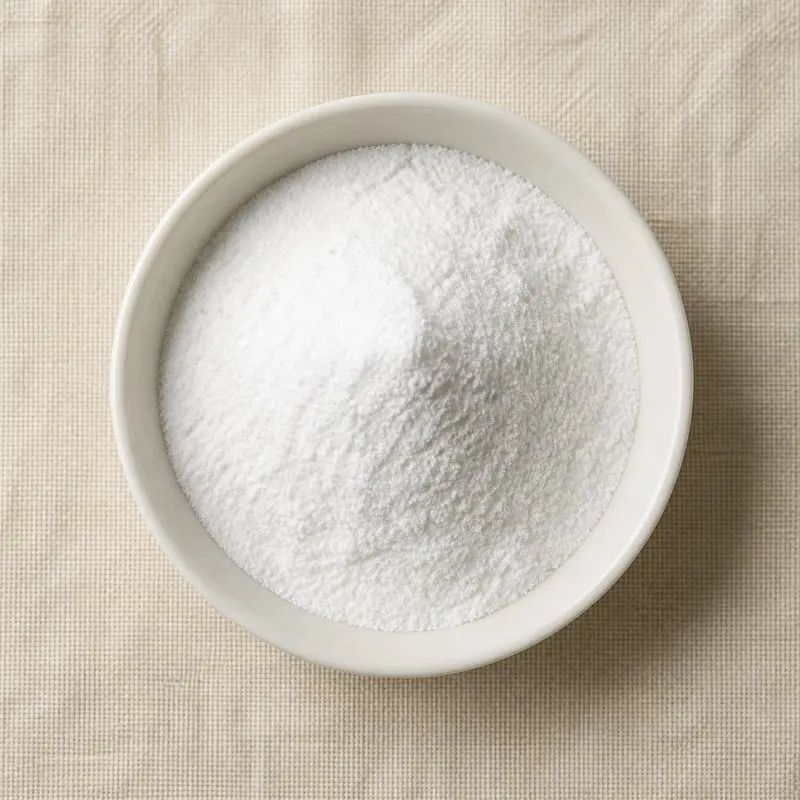
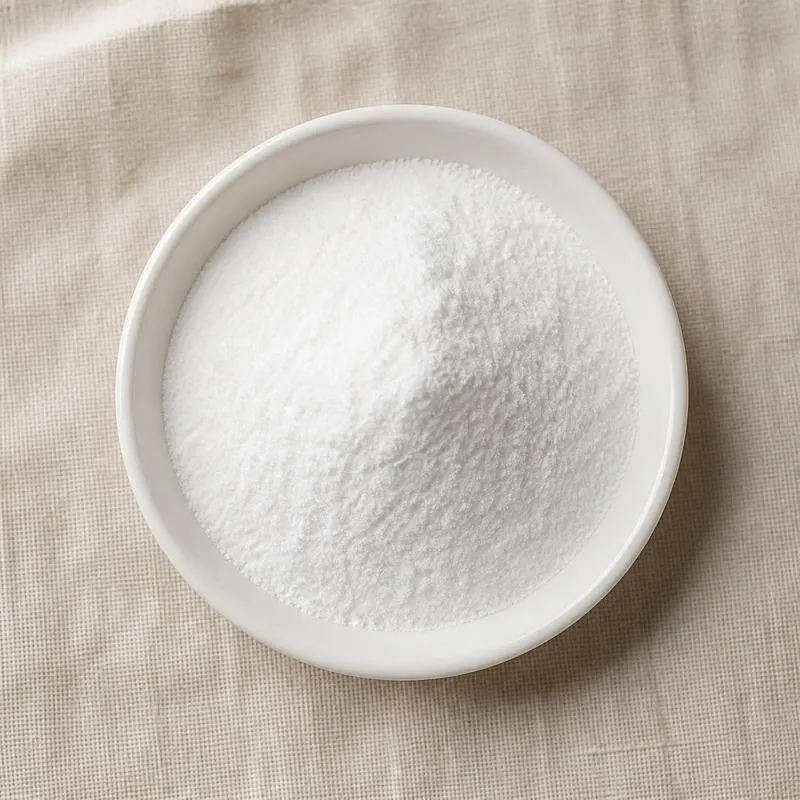
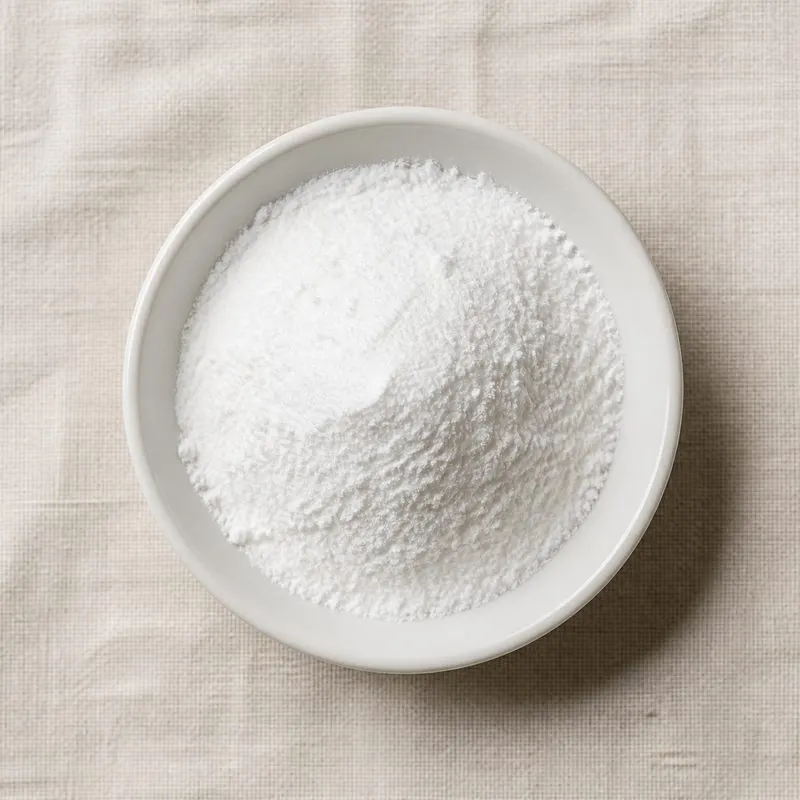
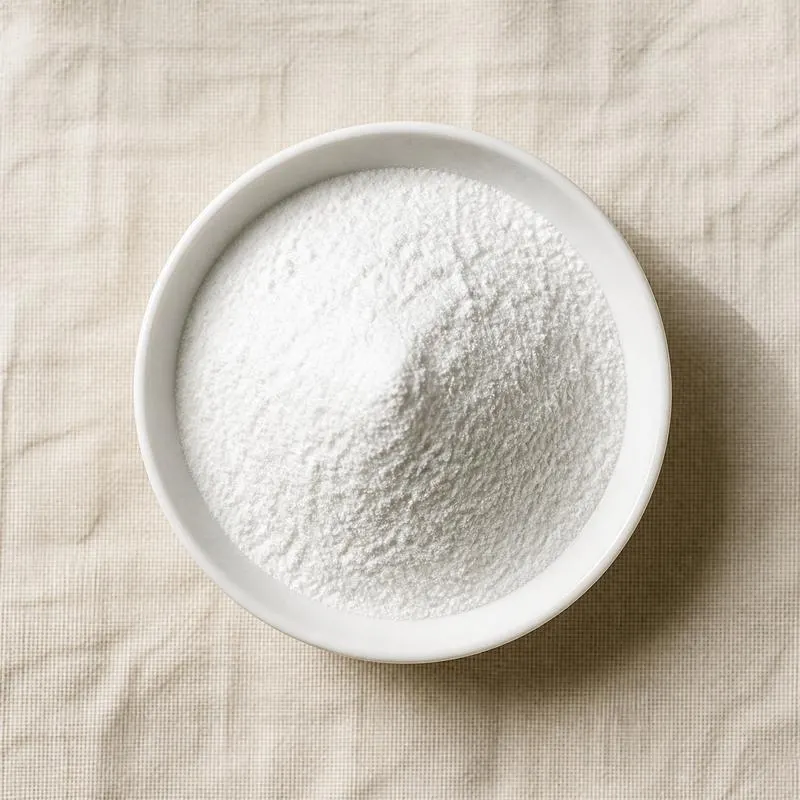
Sorbic Acid is a fine white crystalline powder with a faint characteristic odour.
Food grade complies with FCC and FAO/WHO specifications and is the dominant commercial form, used in bakery, dairy surface treatments, and fat-containing matrices.
Pharmaceutical grade meets USP, Ph. Eur., and BP monographs and is used as an antimicrobial excipient in topical creams, ointments, and ophthalmic preparations.
Both grades are typically packaged with an antioxidant overlay or under inert gas because the conjugated diene system is sensitive to atmospheric oxidation.
Applications
- Bread, tortillas, and flatbreads where direct addition of an acid is preferred over salt forms
- Cake and pastry fillings, fruit preparations, and bakery glazes
- Hard cheese surfaces, including dipping or spraying as a mould inhibitor
- Margarine, fat spreads, and shortenings
- Dried sausage and surface-treated cured meats
- Smoked and salted fish products
- Wine and cider as a yeast-stability aid
- Pickled and acidified vegetables
- Topical pharmaceutical creams, ointments, and gels
- Ophthalmic and otic preparations as a low-irritation preservative
- Cosmetic emulsions and rinse-off products
- Tobacco casings and food-grade packaging coatings
Brands Using Sorbic Acid
Widely-distributed consumer products that list Sorbic Acid on the ingredient label.
- Campbell Soup Company (Pepperidge Farm)Pepperidge Farm Farmhouse Butter Bread ↗Panel: '...Calcium Propionate and Sorbic Acid (To Extend Freshness)...'Label verified 2026-05-24
- Campbell Soup Company (Pepperidge Farm)Pepperidge Farm Whole Grain 15 Grain Bread ↗Panel: '...Calcium Propionate and Sorbic Acid (To Extend Freshness)...'Label verified 2026-05-24
- Bimbo Bakeries USA (Sara Lee)Sara Lee Classic White Bread ↗Sara Lee Classic White ingredient panel: '...Preservatives (Calcium Propionate, Sorbic Acid)...'Label verified 2026-05-24
- Bimbo Bakeries USA (Sara Lee)Sara Lee Delightful Soft & Smooth Wheat Bread ↗Panel includes 'Preservatives (Calcium Propionate, Sorbic Acid)'.Label verified 2026-05-24
- Kraft HeinzKraft Singles American Pasteurized Prepared Cheese Product ↗Kraft Singles panel includes 'Sorbic Acid as a preservative' alongside cheese cultures, milkfat, whey protein concentrate, and sodium citrate.Label verified 2026-05-24
- Lewis Bake ShopLewis Bake Shop Healthy Life Low Calorie White Bread ↗Panel includes preservatives 'Calcium Propionate, Sorbic Acid'.Label verified 2026-05-24
Brand names, product names and logos are the property of their owners. They appear here as published evidence that the ingredient is used, taken from the brand's own label or website. Their appearance is not an endorsement, and it does not mean the brand buys from us or from any manufacturer listed on this site.
China Manufacturers of Sorbic Acid
Top Sorbic Acid manufacturers in China.
 Guangxi Jinyuan Biochemical Industry Co., Ltd.10 ingredients in the directory
 INNOBlO Corporation Limited1 ingredient in the directory
 Jiangbei Additive Co., Ltd.5 ingredients in the directory
 Jinneng Science And Technology Company Limited3 ingredients in the directory
 Nantong Acetic Acid Chemical Co., Ltd.6 ingredients in the directory
 Nantong Changjiang Food Ingredient Co., Ltd.5 ingredients in the directory
 Ningbo Wanglong Technology Co., Ltd.7 ingredients in the directory
 Rugao Changjiang Food Co., Ltd.5 ingredients in the directory
 Shandong Kunda Biotechnology Co., Ltd.4 ingredients in the directory
Company names and logos are the property of the manufacturers themselves. They are listed here because our own directory records them as producing this ingredient. A listing is not an endorsement by them, and we do not represent them or speak on their behalf.
How We Help Source Sorbic Acid
Direct Factory Sourcing
We run the whole process: selecting the manufacturer from the top Chinese food ingredient producers, negotiating the price, verifying quality, and coordinating the logistics. You deal with us instead of with several factories at once.
Original Packaging and Documents from the Manufacturer
The manufacturer sends your Sorbic Acid out of its own factory in the original packing, through to your destination port. The COA, COO, MSDS, TDS and any certifications reach you from the manufacturer as well.
Free Samples and Lead Time
We send 100 to 500 g free for your own laboratory to test and you cover only the courier, usually within 2 to 3 working days. ETD is usually within 7 to 15 days once the order is confirmed, and we check that date against the factory's own manufacturing schedule before we give it to you.
Combined Shipment
We can load Sorbic Acid together with other ingredients such as Calcium Propionate, Sodium Diacetate and Sodium Propionate into one 20' FCL. If your quantity is small, we can also ship LCL.
Regulatory Status
Sorbic Acid carries the European food additive number E200 and is authorised in Commission Regulation (EU) No 1129/2011 for the same food categories as its potassium and calcium salts, with maximum levels expressed as sorbic acid equivalents.
In the United States it is affirmed GRAS for direct food use under 21 CFR 182.3089. It is also listed as a permitted indirect food additive in food-contact paper and paperboard.
JECFA evaluates sorbic acid and its salts as a single toxicological group, reflecting their conversion to a common active species in foods and in the body.
USP, Ph. Eur., JP, and BP publish pharmaceutical monographs. The compound is one of the few preservatives generally acceptable for ophthalmic use because of its low irritation profile and metabolism along the natural fatty-acid pathway.
Manufacturing Process
The dominant industrial route to sorbic acid is the ketene process, developed and commercialized by Hoechst in the 1950s.
Ketene is generated by thermal cracking of acetic acid at around 700 to 750 °C and is immediately reacted with crotonaldehyde in an inert solvent in the presence of a Lewis-acid catalyst. The product is a polyester intermediate often called polysorbic acid.
The polyester is then hydrolysed and thermally isomerised to release free sorbic acid in the trans,trans configuration that gives the molecule its biological activity.
Crude sorbic acid is purified by recrystallisation from water, decolorised with activated carbon, and dried under vacuum. Final material is milled to a uniform powder and stored under nitrogen to limit oxidative discoloration.