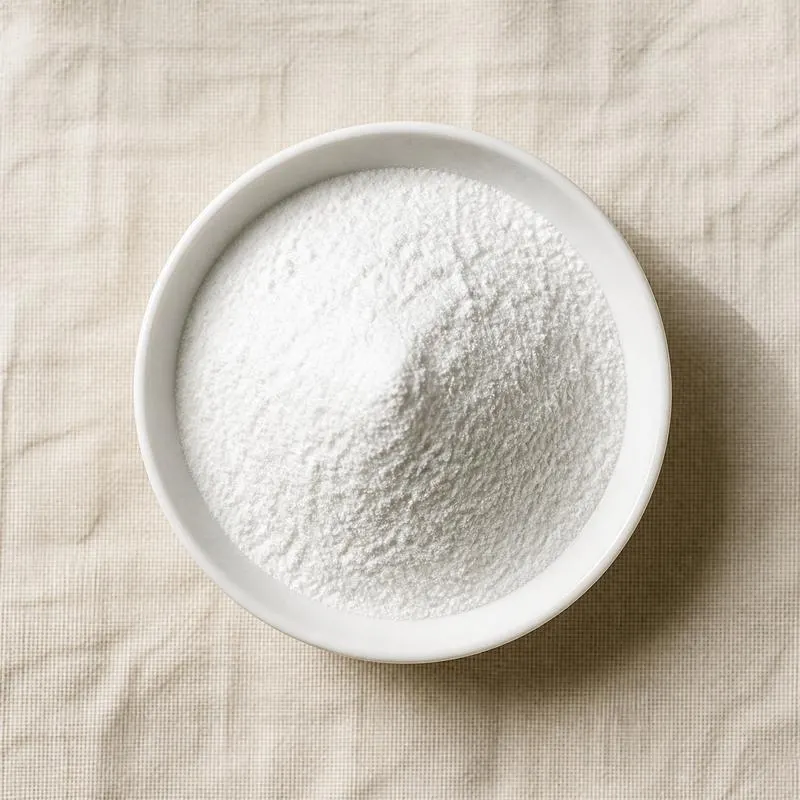
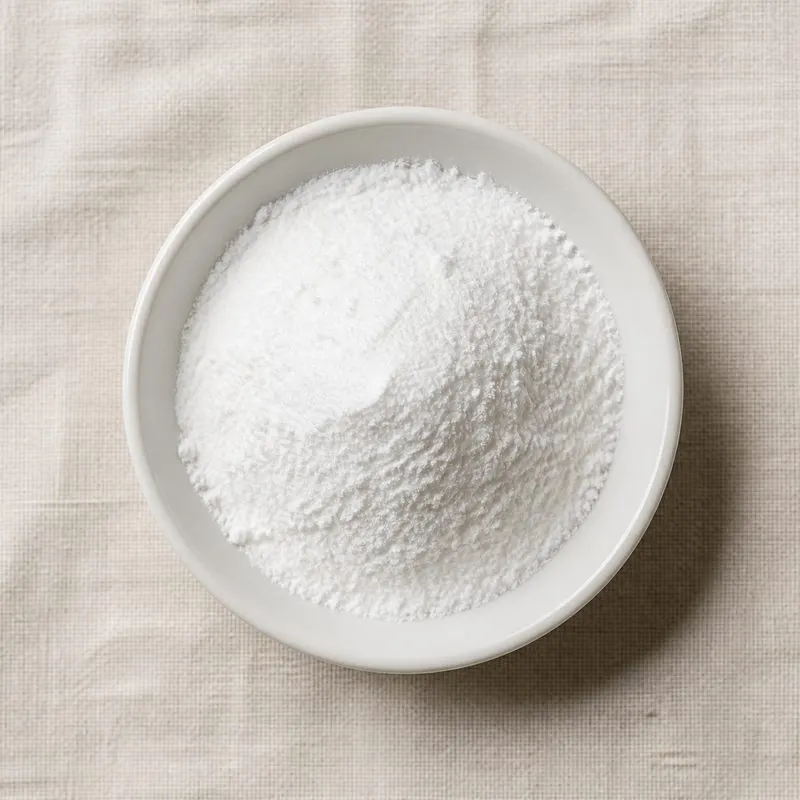
Sodium Diacetate
Sodium Diacetate is a molecular complex of sodium acetate and acetic acid in a 1:1 molar ratio, sold as a stable crystalline solid that releases acetic acid in solution.
The compound has the formula CH₃COONa·CH₃COOH·xH₂O, with the anhydrous form having a molar mass of 142.09 g/mol. The free acetic acid component gives the product a characteristic vinegar odour and is the source of its antimicrobial activity.
The complex is highly soluble in water and provides a convenient dry-handling format for delivering both acetate buffering and free acetic acid into food matrices.
We source bulk Sodium Diacetate from top China manufacturers for our partners, working with several of them. The manufacturers are in Shandong, Jiangsu and Anhui. For this ingredient the minimum order is 1,000 kg and a 20-foot container takes 20 MT, and a smaller requirement can ship in a combined container with other ingredients.
Please send the grade you need, the volume and your destination port, and we will come back with a solution and a price.
or call +86-21-6858 0751
- Minimum order
- 1,000 kg
- Qty in 20' FCL
- 20 MT
- Packaging
- 25 kg kraft paper bag with PE inner liner
- ISO 9001
- HACCP
- Halal
- Kosher
Specifications
| Item | Specification |
|---|---|
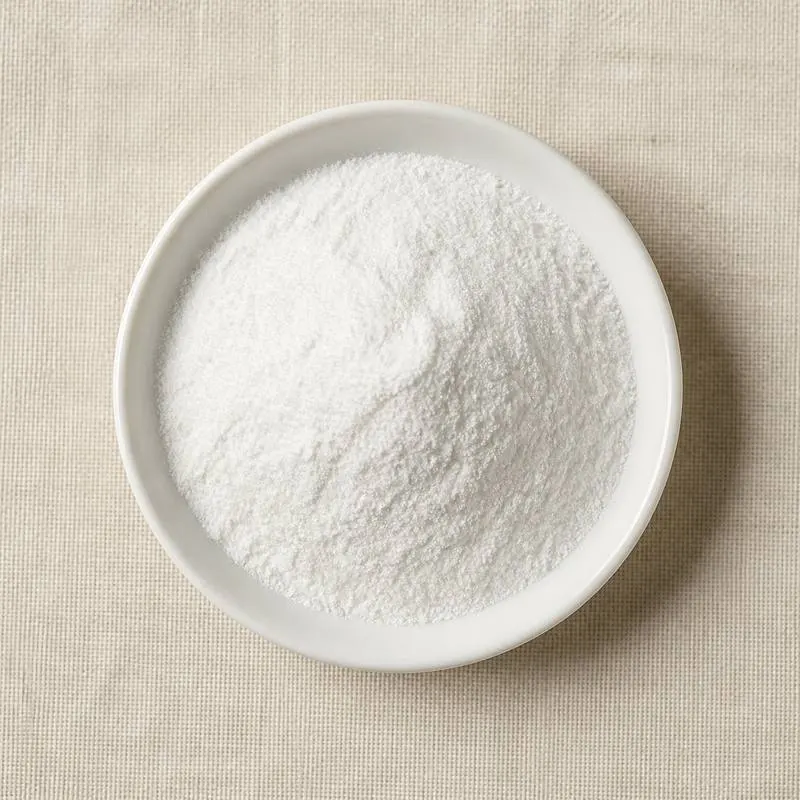
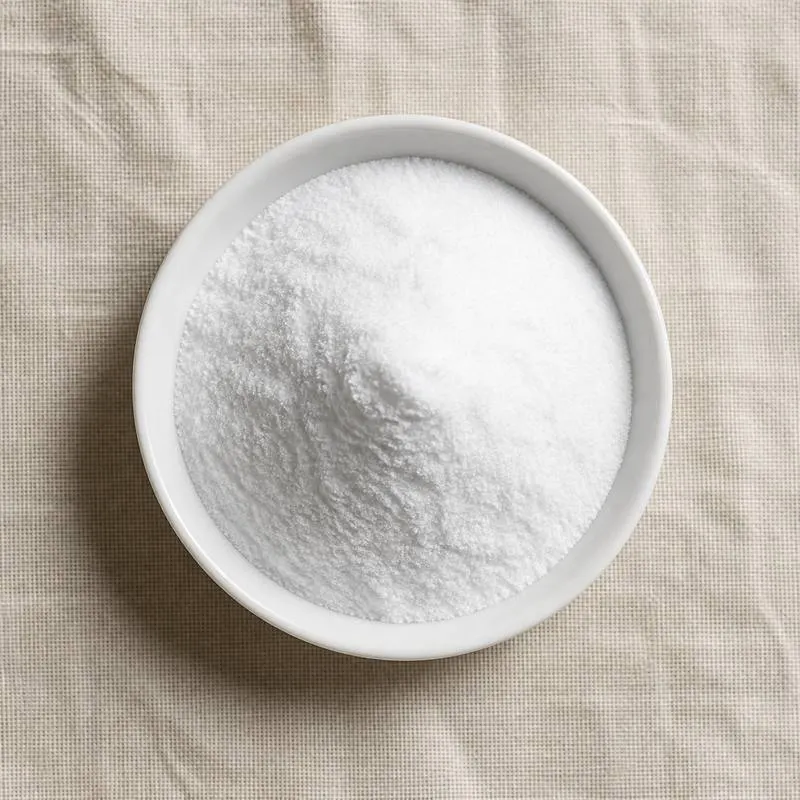
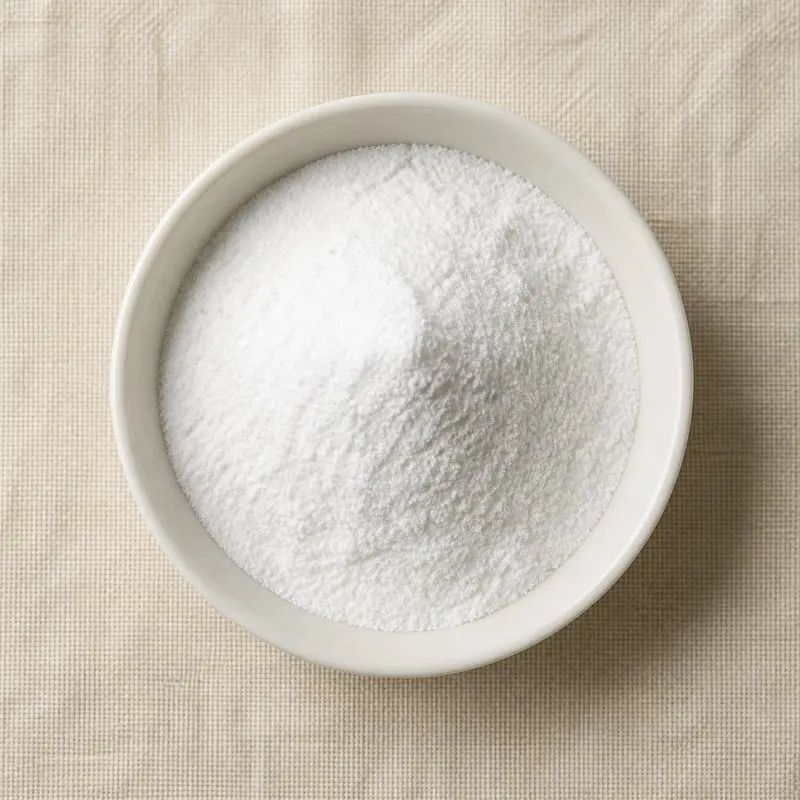
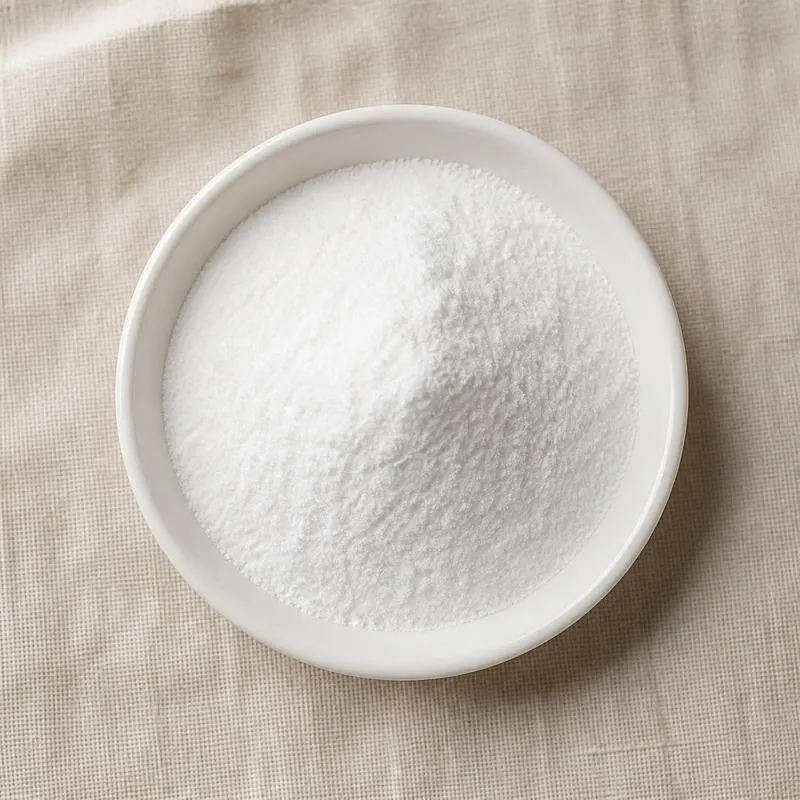
| Appearance | White crystalline powder |
| Free acetic acid | 39.0% to 41.0% |
| Sodium acetate | 58.0% to 60.0% |
| Loss on drying (105 °C) | ≤ 2.0% |
| pH (10% solution) | 4.5 to 5.0 |
| Heavy metals (as Pb) | ≤ 10 mg/kg |
| Arsenic | ≤ 3 mg/kg |
| Formic acid and oxidizable impurities | ≤ 0.2% |
| Particle size | Per customer specification |
Common Markets Grades
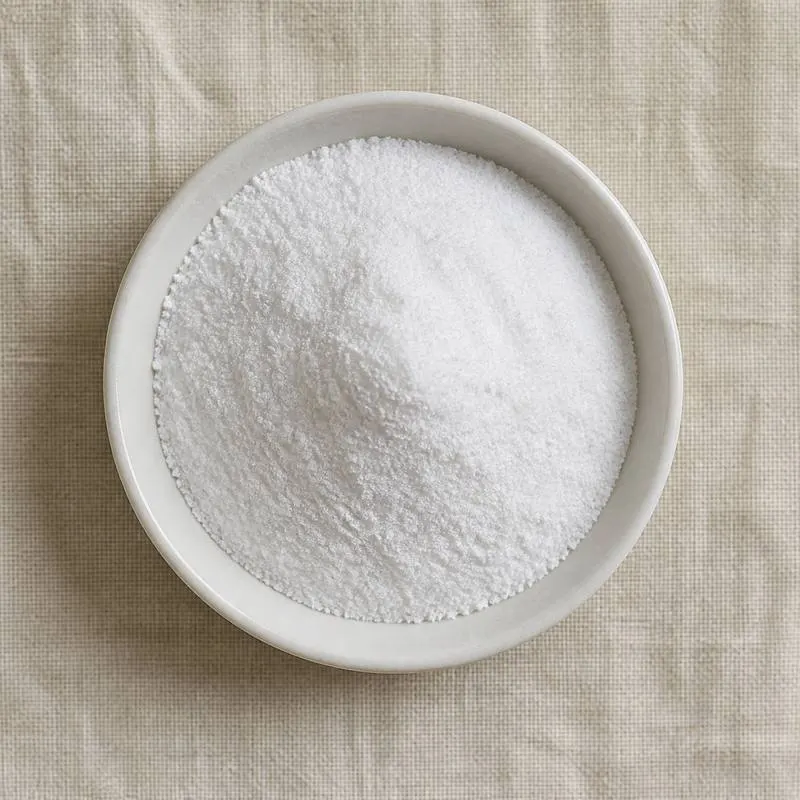
Sodium Diacetate sells in two forms, a white crystalline powder and small free-flowing granules.
Powder grade is preferred for direct addition to meat and poultry brines, surface sprays, and dry seasoning blends, where rapid dissolution is needed.
Granular grade is preferred for dust-sensitive operations such as automated dry blending in bakery and snack production.
Both grades meet FCC specifications and are routinely available with Kosher and Halal certification.
Applications
- Ready-to-eat meat and poultry products as a control measure for Listeria monocytogenes
- Deli meats, frankfurters, and sausages in surface sprays or dough additions
- Bread, buns, and rolls as a rope inhibitor against Bacillus species
- Tortillas and flatbreads as part of a combined preservation system
- Snack seasonings, including salt-and-vinegar flavour systems where the acetic acid contributes flavour
- Dressings, sauces, and condiments requiring a vinegar character without liquid acid handling
- Soup mixes and instant-meal seasonings
- Dry rubs and marinades for retail and food-service use
- Pet food and treats as an antimicrobial and flavour aid
- Animal feed and silage applications as a mould inhibitor
Brands Using Sodium Diacetate
Widely-distributed consumer products that list Sodium Diacetate on the ingredient label.
- Kraft HeinzOscar Mayer Classic Beef Hot Dogs ↗Panel: 'Beef, Water, Contains Less Than 2% Of Salt, Dextrose, Potassium Lactate, Garlic, Corn Syrup, Paprika, Flavor, Sodium Phosphate, Sodium Diacetate, Sodium Ascorbate, Sodium Nitrite.'Label verified 2026-05-24
- Kraft HeinzOscar Mayer Classic Wieners ↗Panel: '...Sodium Phosphate, Potassium Chloride, Sodium Diacetate, Sodium Benzoate, Sodium Ascorbate, Flavor, Sodium Nitrite.'Label verified 2026-05-24
- Tyson Foods (Hillshire Farm)Hillshire Farm Ultra Thin Sliced Lower Sodium Oven Roasted Turkey Breast ↗Panel: 'Turkey Breast, Turkey Broth, Contains 2% or Less of: Dextrose, Modified Corn Starch, Sodium Lactate, Potassium Lactate, Salt, Carrageenan, Sodium Phosphate, Maltodextrin, Natural Flavors, Sodium Diacetate, Sodium Nitrite, Caramel Color.'Label verified 2026-05-24
- Tyson Foods (Hillshire Farm)Hillshire Farm Deli Select Smoked Ham Lower Sodium ↗Panel: '...Cured with Water, Dextrose, Contains 2% or Less of: Sodium Lactate, Salt, Potassium Lactate, Sodium Phosphate, Yeast Extract, Sodium Diacetate, Sodium Ascorbate, Sodium Nitrite.'Label verified 2026-05-24
- Tyson Foods (Ball Park)Ball Park Beef Franks ↗Panel: 'Beef, Water, Salt, Sorbitol, Corn Syrup, Hydrolyzed Beef Stock, Potassium Lactate, Sodium Phosphate, Flavor, Ascorbic Acid (Vitamin C), Sodium Diacetate, Paprika Extract, Sodium Nitrite.'Label verified 2026-05-24
- Conagra Brands (Hebrew National)Hebrew National Beef Franks ↗Panel: 'Kosher Beef, Water, Contains 2% or Less of Salt, Spice, Sodium Lactate, Paprika, Hydrolyzed Soy Protein, Garlic Powder, Sodium Diacetate, Sodium Erythorbate, Flavoring, Sodium Nitrite.'Label verified 2026-05-24
- Land O'FrostLand O'Frost DeliShaved Oven Roasted Turkey ↗Land O'Frost DeliShaved Oven Roasted Turkey panel lists 'Potassium Lactate, Sodium Diacetate, Sodium Phosphates' among preservatives.Label verified 2026-05-24
Brand names, product names and logos are the property of their owners. They appear here as published evidence that the ingredient is used, taken from the brand's own label or website. Their appearance is not an endorsement, and it does not mean the brand buys from us or from any manufacturer listed on this site.
China Manufacturers of Sodium Diacetate
Top Sodium Diacetate manufacturers in China.
 ETON Food Co., Ltd.7 ingredients in the directory
- Jiangsu Dingguan Food Technology Co., Ltd.10 ingredients in the directory
 Jiangsu Zidong Food Co., Ltd.10 ingredients in the directory
 Lianyungang Nuoxin Food Ingredient Co., Ltd.13 ingredients in the directory
 Lianyungang Tongyuan Biotechnology Co., Ltd.11 ingredients in the directory
 Nantong Alchemy Biotech Development Co., Ltd.8 ingredients in the directory
 Qingdao Baotai Pure Food Technology Co., Ltd.16 ingredients in the directory
 Qingdao Dawei Biological Engineering Co., Ltd.8 ingredients in the directory
 Runda Food Technology (Shandong) Co., Ltd.7 ingredients in the directory
 Shandong Luhu Biological Technology Co., Ltd.9 ingredients in the directory
- Shandong Sanxu Food Technology Co., Ltd.7 ingredients in the directory
 Shandong Tongtaiweirun Food Science Tech Co., Ltd.9 ingredients in the directory
- SUNRISE FOOD INGREDIENTS (HUAI NAN) Co., Ltd.5 ingredients in the directory
 Tengzhou Aolong Chemical Co., Ltd.12 ingredients in the directory
 Tengzhou Luhu Biological Technology Co., Ltd.6 ingredients in the directory
Company names and logos are the property of the manufacturers themselves. They are listed here because our own directory records them as producing this ingredient. A listing is not an endorsement by them, and we do not represent them or speak on their behalf.
How We Help Source Sodium Diacetate
Direct Factory Sourcing
We run the whole process: selecting the manufacturer from the top Chinese food ingredient producers, negotiating the price, verifying quality, and coordinating the logistics. You deal with us instead of with several factories at once.
Original Packaging and Documents from the Manufacturer
The manufacturer sends your Sodium Diacetate out of its own factory in the original packing, through to your destination port. The COA, COO, MSDS, TDS and any certifications reach you from the manufacturer as well.
Free Samples and Lead Time
We send 100 to 500 g free for your own laboratory to test and you cover only the courier, usually within 2 to 3 working days. ETD is usually within 7 to 15 days once the order is confirmed, and we check that date against the factory's own manufacturing schedule before we give it to you.
Combined Shipment
We can load Sodium Diacetate together with other ingredients such as Calcium Propionate, Sodium Propionate and Potassium Sorbate into one 20' FCL. If your quantity is small, we can also ship LCL.
Regulatory Status
Sodium Diacetate carries the European food additive number E262 (ii), with E262 (i) referring to sodium acetate and E262 covering the family. It is authorised in Commission Regulation (EU) No 1129/2011 for a defined range of food categories with maximum-use levels typically expressed as acetic acid equivalents.
In the United States it is affirmed GRAS for direct food use under 21 CFR 184.1754, with no specific upper limit beyond good manufacturing practice. The FDA Food Safety and Inspection Service has approved its use as an antimicrobial in ready-to-eat meat and poultry as part of the agency's Listeria-control rule, generally up to 0.25 percent of formulation.
JECFA evaluates the substance together with sodium acetate and acetic acid as a single group, reflecting their conversion to the same active species in the food matrix.
The substance does not have a major pharmacopoeial monograph and pharmaceutical use is minor.
Manufacturing Process
Sodium diacetate is manufactured by combining sodium acetate with acetic acid in controlled stoichiometric ratio.
One common process dissolves anhydrous sodium acetate in glacial acetic acid, heats the mixture to ensure complete complex formation, and then cools to crystallise the product. An alternative route adds glacial acetic acid to a partially neutralised sodium hydroxide or sodium carbonate stream until the desired 1:1 acid-to-salt ratio is reached.
The slurry or melt is then crystallised, with the crystals separated by centrifugation and dried under controlled humidity to preserve the acetic acid component without flash evaporation.
Finished material is milled or screened to powder or granular grade and packaged in moisture-barrier liners. Specifications typically require a minimum free acetic acid content in the range of 39 to 41 percent.