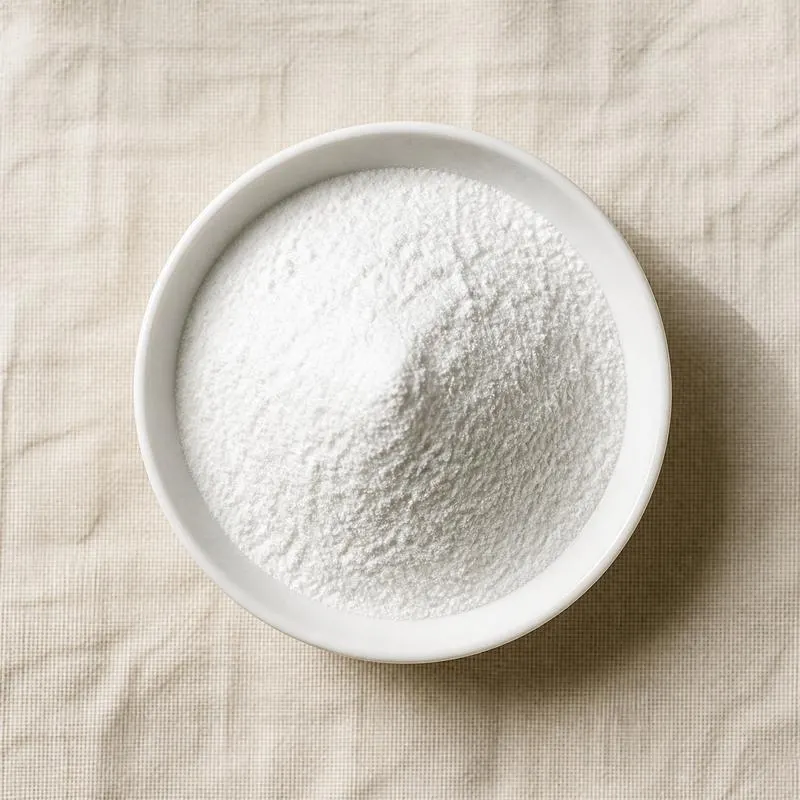
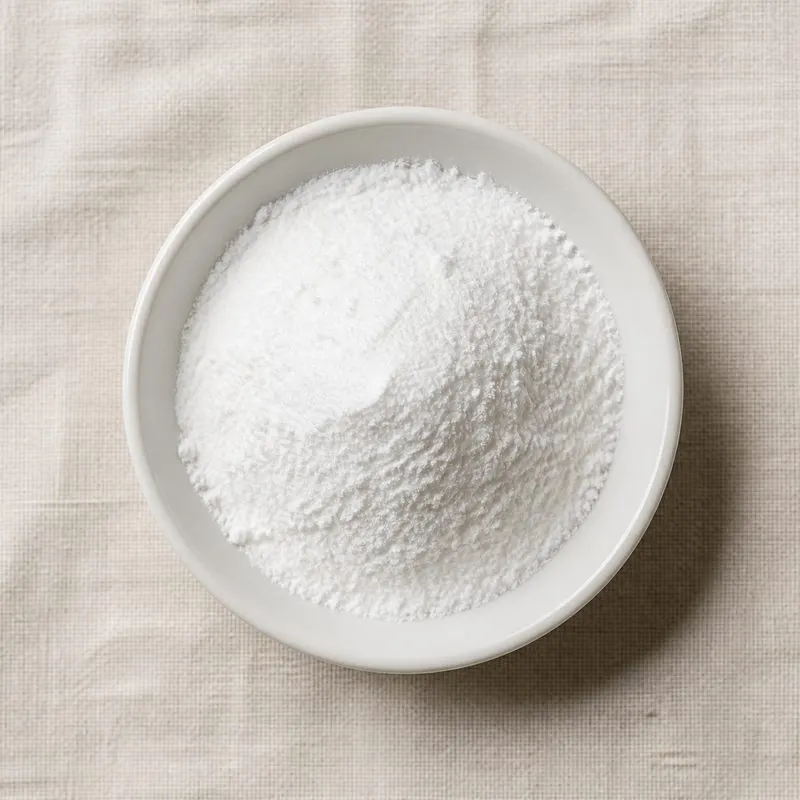
Calcium Propionate
Calcium Propionate is the calcium salt of propionic acid and the dominant mould inhibitor used in industrial bread and bakery production.
The compound has the molecular formula C₆H₁₀CaO₄ and a molar mass of 186.22 g/mol. Solubility in water is moderate (about 39 g per 100 mL at 20 °C), enough to allow incorporation directly into bakery dough water.
The substance is preferred over sodium and potassium propionate in yeast-leavened products because the calcium ion does not inhibit yeast performance at typical use levels.
We source bulk Calcium Propionate from top China manufacturers for our partners, working with several of them. The manufacturers are in Shandong, Jiangsu and Anhui. For this ingredient the minimum order is 500 kg and a 20-foot container takes 16 MT, and a smaller requirement can ship in a combined container with other ingredients.
Please send the grade you need, the volume and your destination port, and we will come back with a solution and a price.
or call +86-21-6858 0751
- Minimum order
- 500 kg
- Qty in 20' FCL
- 16 MT
- Packaging
- 25 kg kraft paper bag with PE inner liner
- ISO 9001
- HACCP
- Halal
- Kosher
Specifications
| Item | Specification |
|---|---|
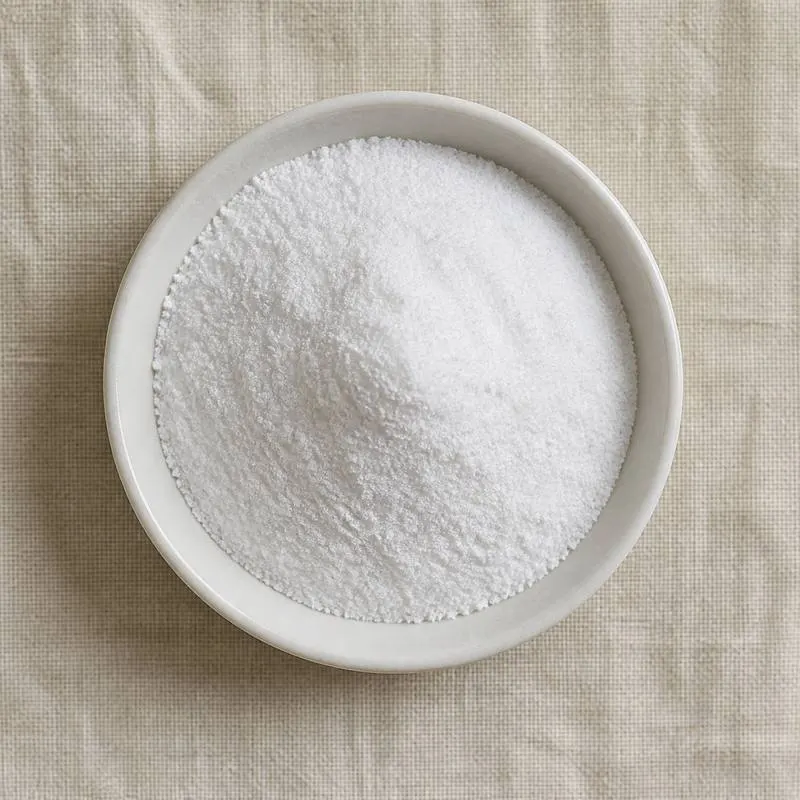
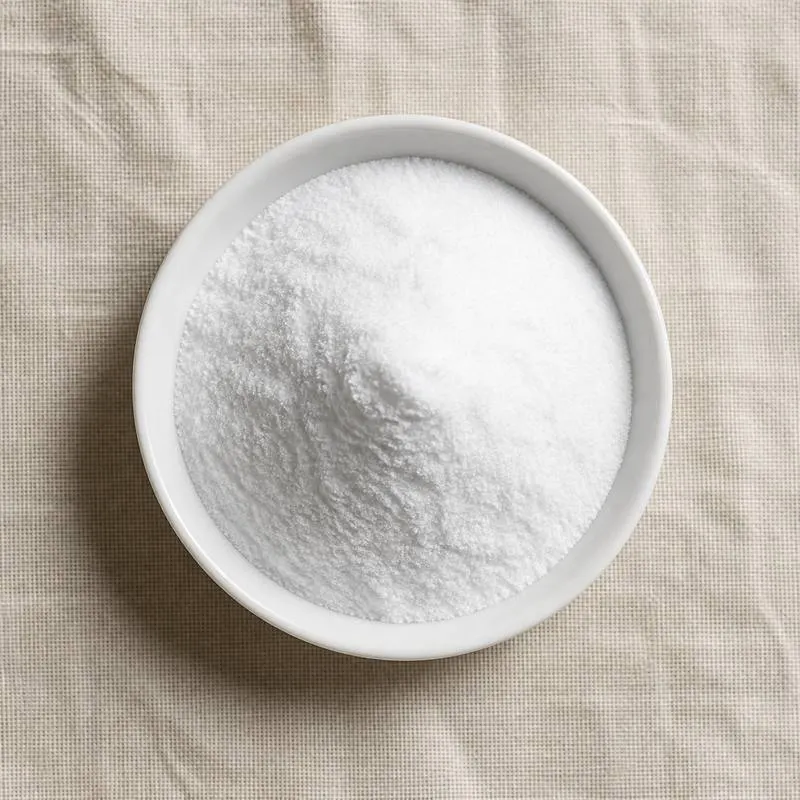
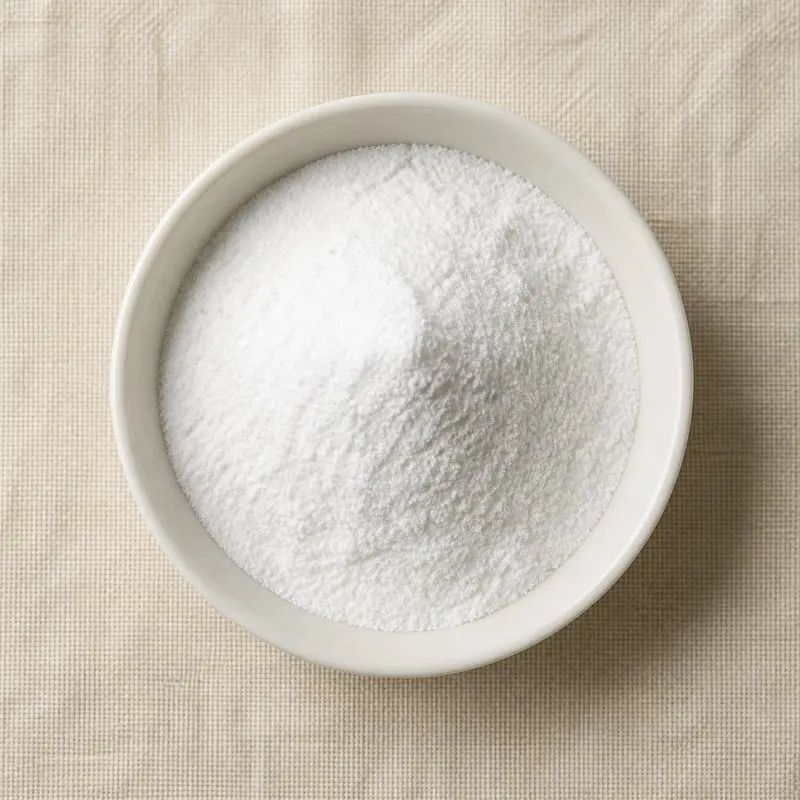
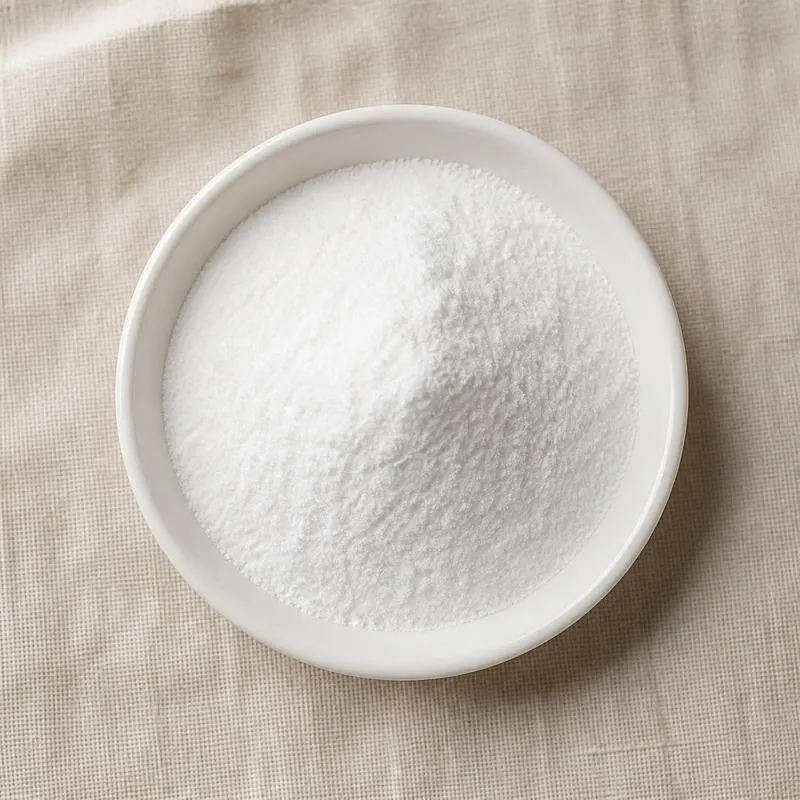
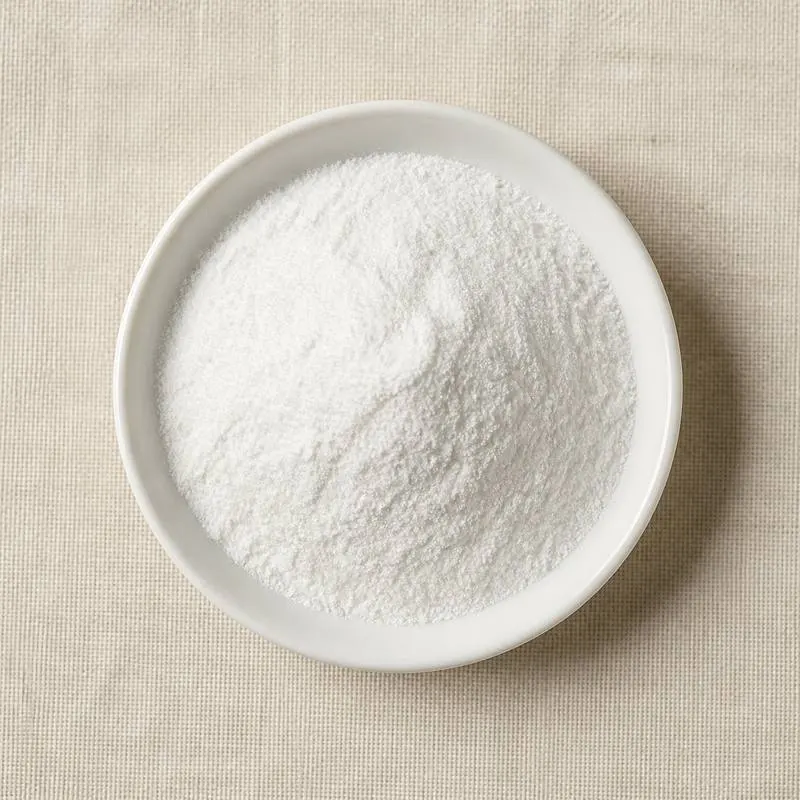
| Appearance | White crystalline powder |
| Assay (dry basis) | 99.0% to 100.5% |
| Loss on drying | ≤ 4.0% |
| pH (10% solution) | 6.0 to 9.0 |
| Fluoride | ≤ 30 mg/kg |
| Heavy metals (as Pb) | ≤ 10 mg/kg |
| Arsenic | ≤ 3 mg/kg |
| Iron | ≤ 50 mg/kg |
| Particle size | Per customer specification |
Common Markets Grades
Calcium Propionate takes two physical forms, a fine white crystalline powder and small granules.
Powder grade is the dominant form for bakery use, dispersing rapidly into dough water and flour blends without lumping.
Granular grade is preferred where dust generation must be limited, such as in high-throughput dough conditioner production.
Both grades meet FCC and USP specifications and routinely carry Kosher and Halal certification.
Applications
- Pan bread, sandwich bread, and bun production as the primary mould inhibitor
- Tortillas, flatbreads, and pita bread
- Cake, muffin, and pastry production
- Dough conditioner premixes for industrial and in-store bakeries
- Pre-packaged pizza crusts and par-baked breads
- Bagels and English muffins
- Animal feed as a mould inhibitor in compound feed, silage, and grain storage
- Pet food and treats including soft-moist formats
- Calcium fortification carrier in selected bakery applications
- Industrial food packaging coatings as an antifungal aid
Brands Using Calcium Propionate
Widely-distributed consumer products that list Calcium Propionate on the ingredient label.
- Flowers Foods (Wonder Bread)Wonder Classic White Calcium Fortified Enriched Bread ↗Wonder Bread Classic White panel: '...Wheat Gluten, Yeast, Soybean Oil, Salt, Dough Conditioners (Sodium Stearoyl Lactylate, Calcium Iodate, Calcium Dioxide), Calcium Sulfate, Vinegar, Yeast Nutrient (Ammonium Sulfate), Cornstarch, Wheat Starch, Calcium Propionate (To Retard Spoilage), Soy Lecithin, Calcium Phosphate...'Label verified 2026-05-24
- Flowers Foods (Nature's Own)Nature's Own Honey Wheat Bread ↗Nature's Own Honey Wheat panel lists 'Calcium Propionate (Preservative)' as mold inhibitor.Label verified 2026-05-24
- Bimbo Bakeries USA (Sara Lee)Sara Lee 100% Whole Wheat Bread ↗Panel: '...Preservatives (Calcium Propionate, Sorbic Acid)...'Label verified 2026-05-24
- Campbell Soup Company (Pepperidge Farm)Pepperidge Farm Farmhouse 100% Whole Wheat Bread ↗Panel: '...Calcium Propionate and Sorbic Acid (To Extend Freshness)...'Label verified 2026-05-24
- Toufayan BakeriesToufayan Everything Smart Pockets Pita Bread ↗Panel includes 'Calcium Propionate and Potassium Sorbate (Preservatives)'.Label verified 2026-05-24
- The Kroger Co.Kroger Round Top Low Sodium Wheat Bread ↗Kroger-brand low-sodium wheat bread ingredient panel includes 'Calcium Propionate and Sodium Propionate (Preservatives)'.Label verified 2026-05-24
Brand names, product names and logos are the property of their owners. They appear here as published evidence that the ingredient is used, taken from the brand's own label or website. Their appearance is not an endorsement, and it does not mean the brand buys from us or from any manufacturer listed on this site.
China Manufacturers of Calcium Propionate
Top Calcium Propionate manufacturers in China.
 ETON Food Co., Ltd.7 ingredients in the directory
 Jiangbei Additive Co., Ltd.5 ingredients in the directory
- Jiangsu Dingguan Food Technology Co., Ltd.10 ingredients in the directory
 Jiangsu Mupro Ift Corp.2 ingredients in the directory
 Jiangsu Zidong Food Co., Ltd.10 ingredients in the directory
 Lianyungang Nuoxin Food Ingredient Co., Ltd.13 ingredients in the directory
 Lianyungang Tongyuan Biotechnology Co., Ltd.11 ingredients in the directory
 Nantong Alchemy Biotech Development Co., Ltd.8 ingredients in the directory
 Nantong Changjiang Food Ingredient Co., Ltd.5 ingredients in the directory
 Qingdao Baotai Pure Food Technology Co., Ltd.16 ingredients in the directory
 Qingdao Dawei Biological Engineering Co., Ltd.8 ingredients in the directory
 Qingdao Jiutai Biotechnology Co., Ltd.8 ingredients in the directory
 Rugao Changjiang Food Co., Ltd.5 ingredients in the directory
 Runda Food Technology (Shandong) Co., Ltd.7 ingredients in the directory
 Shandong Luhu Biological Technology Co., Ltd.9 ingredients in the directory
- Shandong Ruiheng Biotechnology Co., Ltd.8 ingredients in the directory
- Shandong Sanxu Food Technology Co., Ltd.7 ingredients in the directory
 Shandong Tongtaiweirun Food Science Tech Co., Ltd.9 ingredients in the directory
- SUNRISE FOOD INGREDIENTS (HUAI NAN) Co., Ltd.5 ingredients in the directory
 Tengzhou Aolong Chemical Co., Ltd.12 ingredients in the directory
 Tengzhou Luhu Biological Technology Co., Ltd.6 ingredients in the directory
 Tengzhou Tenglong Food Science And Technology Development Co., Ltd.5 ingredients in the directory
Company names and logos are the property of the manufacturers themselves. They are listed here because our own directory records them as producing this ingredient. A listing is not an endorsement by them, and we do not represent them or speak on their behalf.
How We Help Source Calcium Propionate
Direct Factory Sourcing
We run the whole process: selecting the manufacturer from the top Chinese food ingredient producers, negotiating the price, verifying quality, and coordinating the logistics. You deal with us instead of with several factories at once.
Original Packaging and Documents from the Manufacturer
The manufacturer sends your Calcium Propionate out of its own factory in the original packing, through to your destination port. The COA, COO, MSDS, TDS and any certifications reach you from the manufacturer as well.
Free Samples and Lead Time
We send 100 to 500 g free for your own laboratory to test and you cover only the courier, usually within 2 to 3 working days. ETD is usually within 7 to 15 days once the order is confirmed, and we check that date against the factory's own manufacturing schedule before we give it to you.
Combined Shipment
We can load Calcium Propionate together with other ingredients such as Sodium Diacetate, Sodium Propionate and Potassium Sorbate into one 20' FCL. If your quantity is small, we can also ship LCL.
Regulatory Status
Calcium Propionate carries the European food additive number E282 and is authorised in Commission Regulation (EU) No 1129/2011 for use in bread, energy-reduced bread, partially baked pre-packed bread, and certain fine bakery wares. Use in non-bakery foods is generally not authorised in the EU.
In the United States it is affirmed GRAS for direct food use under 21 CFR 184.1221, with no specific upper limit beyond good manufacturing practice. Propionates are generally avoided in fermented foods because the propionate ion can interfere with leavening yeasts and lactic-acid starter cultures at higher doses.
JECFA evaluates the propionate family as a single toxicological group based on their conversion to free propionic acid, which is also produced endogenously in the human colon by fibre-fermenting bacteria.
USP publishes a pharmacopoeial monograph. Pharmaceutical use is limited but includes selected topical antifungal preparations.
Manufacturing Process
Calcium propionate is made by neutralising propionic acid with calcium hydroxide or calcium carbonate in water.
Propionic acid is produced industrially by hydroformylation of ethylene followed by oxidation, or by direct oxidation of propanal. A smaller volume comes from bacterial fermentation of glucose or glycerol by Propionibacterium species, which is the route typically associated with natural-label positioning.
The neutralisation is run close to stoichiometric, with the slurry filtered to remove insoluble calcium impurities. The solution is decolorised with activated carbon and clarified.
The product is recovered by spray drying or by evaporative crystallisation followed by centrifugation and fluid-bed drying. Particle size is controlled by the drying step to deliver either powder or granular grade.