Dihydroactinidiolide
Dihydroactinidiolide is a norisoprenoid lactone with a soft tea-like, floral, slightly fruity aroma. CAS 17092-92-1.
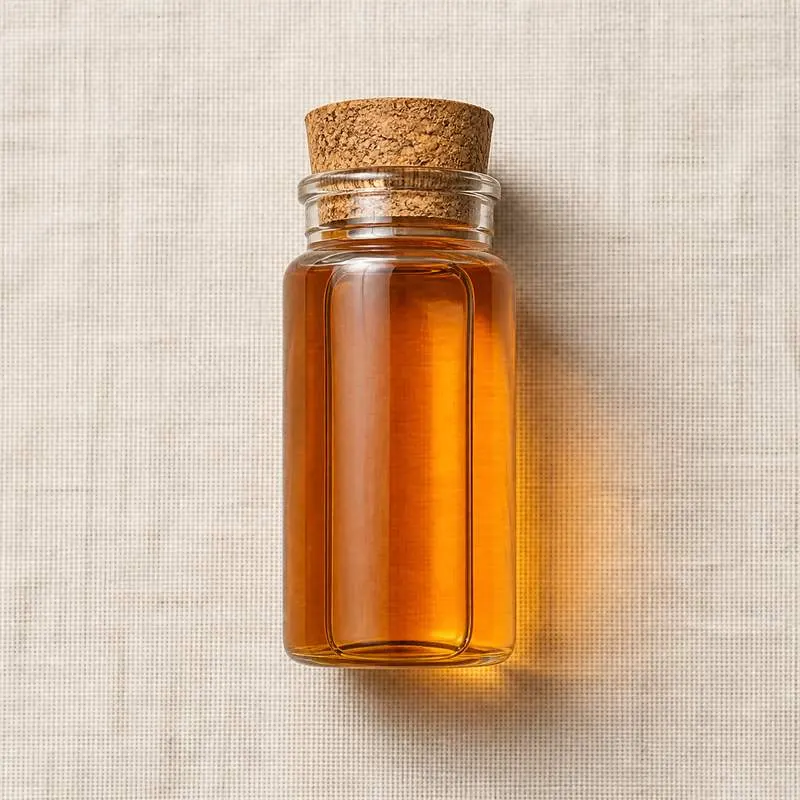
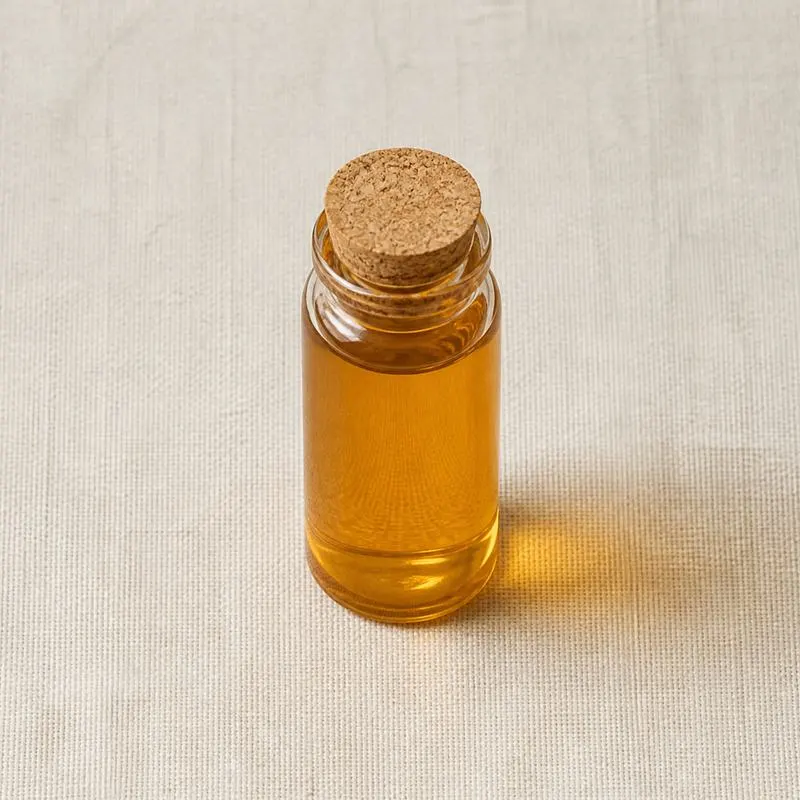
The chemical name is 5,6,7,7a-tetrahydro-4,4,7a-trimethyl-2(4H)-benzofuranone. Formula C₁₁H₁₆O₂, molar mass 180.24 g/mol. It is a colourless to pale yellow viscous liquid at room temperature.
We source bulk Dihydroactinidiolide from top China manufacturers for our partners. The manufacturer is in Anhui. A smaller requirement can ship in a combined container with other ingredients.
Please send the grade you need, the volume and your destination port, and we will come back with a solution and a price.
or call +86-21-6858 0751
- Packaging
- 250 kg plastic drum or 1,000 kg IBC tote
- ISO 9001
- HACCP
- Halal
- Kosher
Specifications
Grades / Types Available: Food Grade, Feed Grade
| Item | Specification |
|---|---|
| Appearance | Pale yellow to yellow liquid |
| Assay | ≥ 95.0% |
| Heavy Metals (as Pb) | ≤ 10 mg/kg |
| Purity (Food Grade) | ≥ 98% |
| Moisture/Loss on Drying | ≤ 0.5% |
| pH | 5.0 - 7.0 |
| Lead | ≤ 1 ppm |
| Arsenic | ≤ 0.5 ppm |
| Total Plate Count | ≤ 1000 cfu/g |
| Yeast & Mold | ≤ 100 cfu/g |
Common Markets Grades
There are two grades of Dihydroactinidiolide: synthetic and natural. Both are high-purity material for flavour and fragrance use.
The standard specification is 97 percent minimum by GC. The material is packed in amber glass or HDPE under nitrogen.
The natural grade is isolated from black tea, tobacco, or selected fruit extracts and carries higher cost. The synthetic grade is the standard for flavour and fragrance use.
Cool, dark storage extends shelf life to 24 months. The compound is light-sensitive, so amber packaging is standard.
Applications
- Black tea flavour reconstitutions
- Green tea and oolong tea flavour systems for floral depth
- Stone fruit flavours (peach, apricot, nectarine) for soft floral lift
- Berry flavour systems (raspberry, blackcurrant) for natural complexity
- Tobacco flavour blends for floral and woody notes
- Floral fragrance accords (violet, osmanthus, tea rose)
- Wine and aged-beverage flavour reconstitutions
- Honey flavour systems for floral character
- Tropical fruit flavours (mango, passion fruit) for natural complexity
- Fine fragrance for tea and floral compositions
China Manufacturers of Dihydroactinidiolide
Top Dihydroactinidiolide manufacturers in China.
Company names and logos are the property of the manufacturers themselves. They are listed here because our own directory records them as producing this ingredient. A listing is not an endorsement by them, and we do not represent them or speak on their behalf.
How We Help Source Dihydroactinidiolide
Direct Factory Sourcing
We run the whole process: selecting the manufacturer from the top Chinese food ingredient producers, negotiating the price, verifying quality, and coordinating the logistics. You deal with us instead of with several factories at once.
Original Packaging and Documents from the Manufacturer
The manufacturer sends your Dihydroactinidiolide out of its own factory in the original packing, through to your destination port. The COA, COO, MSDS, TDS and any certifications reach you from the manufacturer as well.
Free Samples and Lead Time
We send 100 to 500 g free for your own laboratory to test and you cover only the courier, usually within 2 to 3 working days. ETD is usually within 7 to 15 days once the order is confirmed, and we check that date against the factory's own manufacturing schedule before we give it to you.
Combined Shipment
We can load Dihydroactinidiolide together with other ingredients such as Capsicum Oleoresin, Ethyl Maltol and White Pepper into one 20' FCL. If your quantity is small, we can also ship LCL.
Regulatory Status
Dihydroactinidiolide is approved as a flavouring substance in major markets.
It carries FEMA GRAS number 3290 and a corresponding FLAVIS entry in the European Union. The compound appears on the Union list of authorised flavourings.
The U.S. Food and Drug Administration recognises it as a synthetic flavouring substance under 21 CFR 172.515. JECFA has evaluated the related norisoprenoid lactone group and placed it in a class of no safety concern at current intake levels.
The IFRA does not impose specific restrictions on use in fragrance applications at standard dosing levels.
Manufacturing Process
Dihydroactinidiolide is produced both by isolation from natural sources and by chemical synthesis.
The natural extraction route concentrates the compound from black tea aroma fractions or from tobacco essential oils. Yields are low, and the natural grade is used selectively in fine flavour and fragrance work.
The synthetic route starts from β-ionone or related C13 norisoprenoid building blocks. Selective oxidation and ring closure construct the bicyclic lactone framework. Modern routes use controlled epoxidation and acid-catalysed cyclization to deliver the compound with the correct stereochemistry.
An alternative route uses degradation of carotenoids. Mild oxidative cleavage of beta-carotene or related precursors generates a mixture of norisoprenoid aroma compounds, from which dihydroactinidiolide can be isolated by distillation.