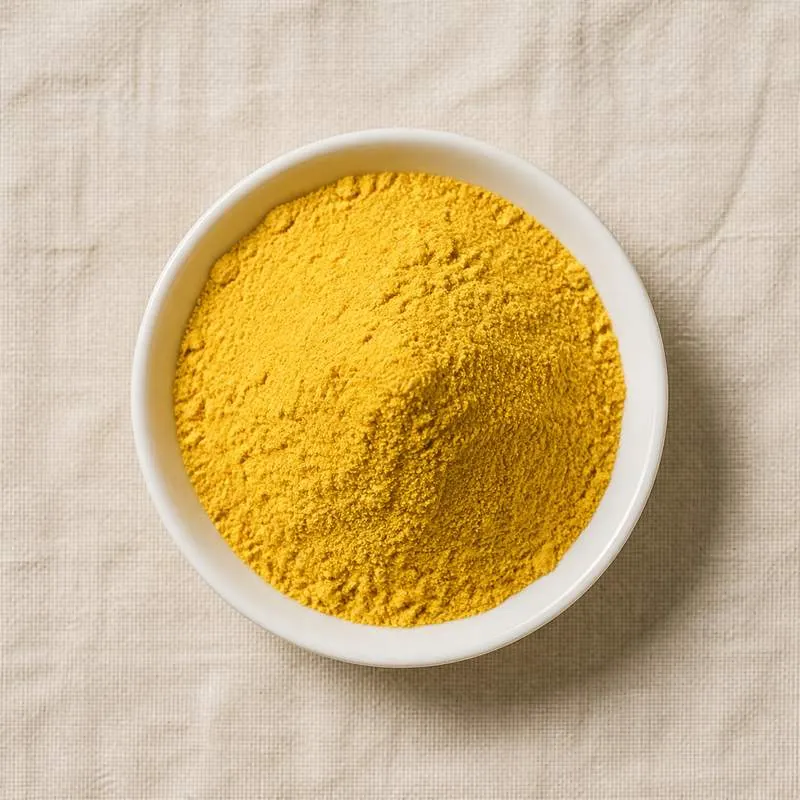
Carotene
Carotene is the generic name for the mixed hydrocarbon carotenoid fraction recovered from plant or algal sources, containing both alpha-carotene and beta-carotene in their naturally occurring ratio.
Unlike isomerically pure beta-carotene, the mixed-carotene grade preserves the original distribution of provitamin A active isomers found in palm fruit, carrot root, or algal cells, which gives it a slightly darker red-orange hue and a broader functional profile.
The fraction is fat-soluble, sensitive to light and oxygen, and is used both as a colouring foodstuff and as a source of provitamin A.
We source bulk Carotene from top China manufacturers for our partners. The manufacturer is in Shandong. A smaller requirement can ship in a combined container with other ingredients.
Please send the grade you need, the volume and your destination port, and we will come back with a solution and a price.
or call +86-21-6858 0751
- Packaging
- 20 kg fibre drum, light-shielded
- ISO 9001
- HACCP
- Halal
- Kosher
Specifications
Grades / Types Available: Food Grade, Feed Grade
| Item | Specification |
|---|---|
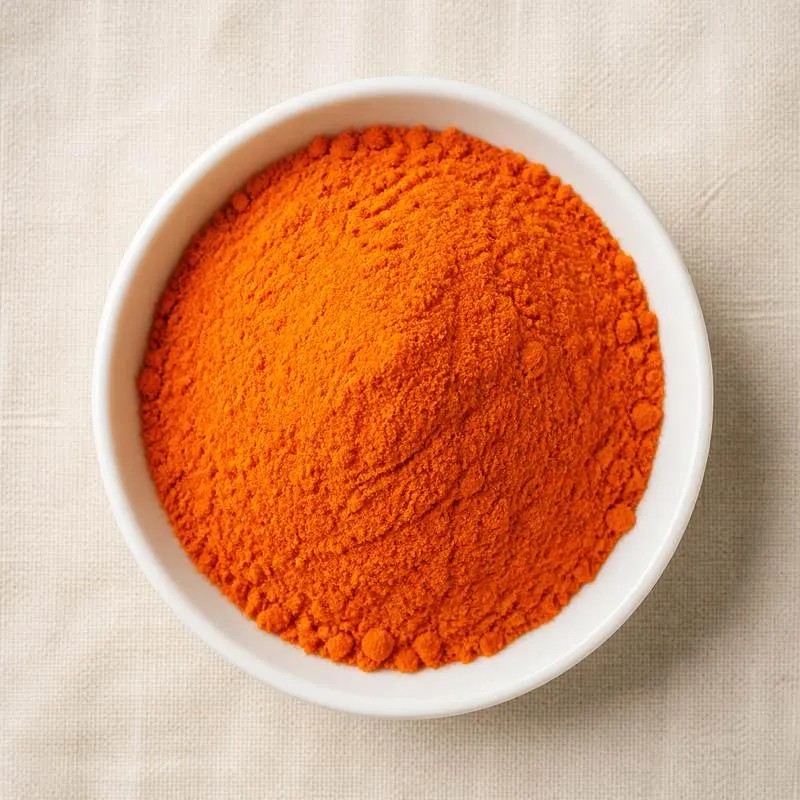
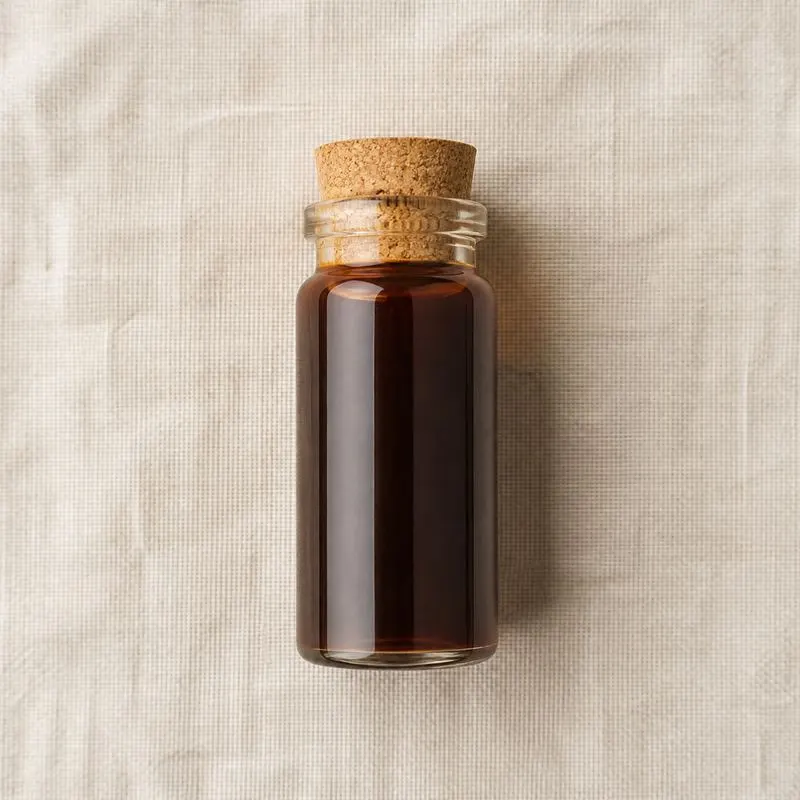
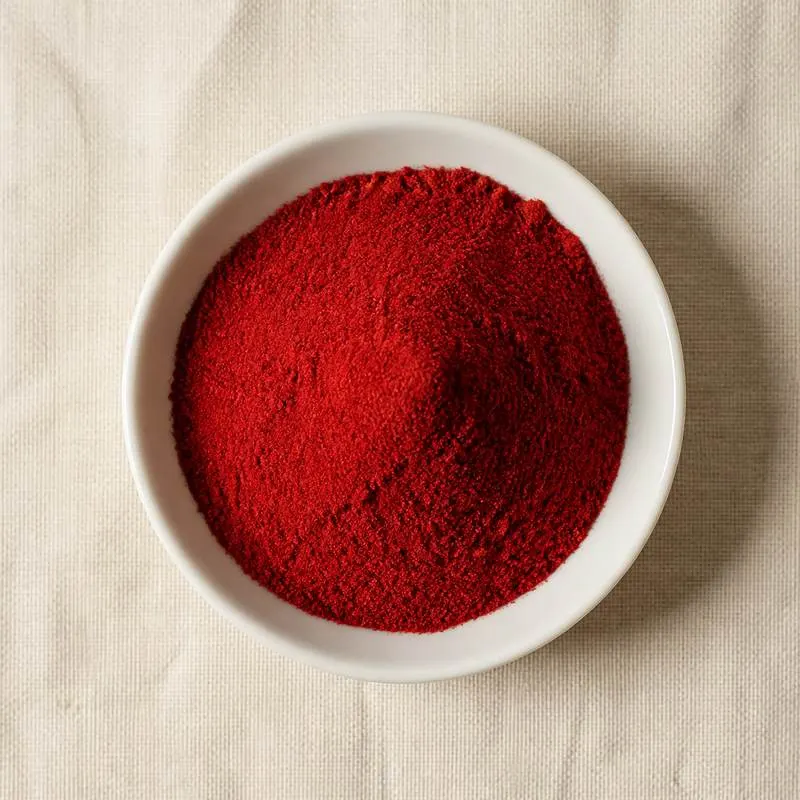
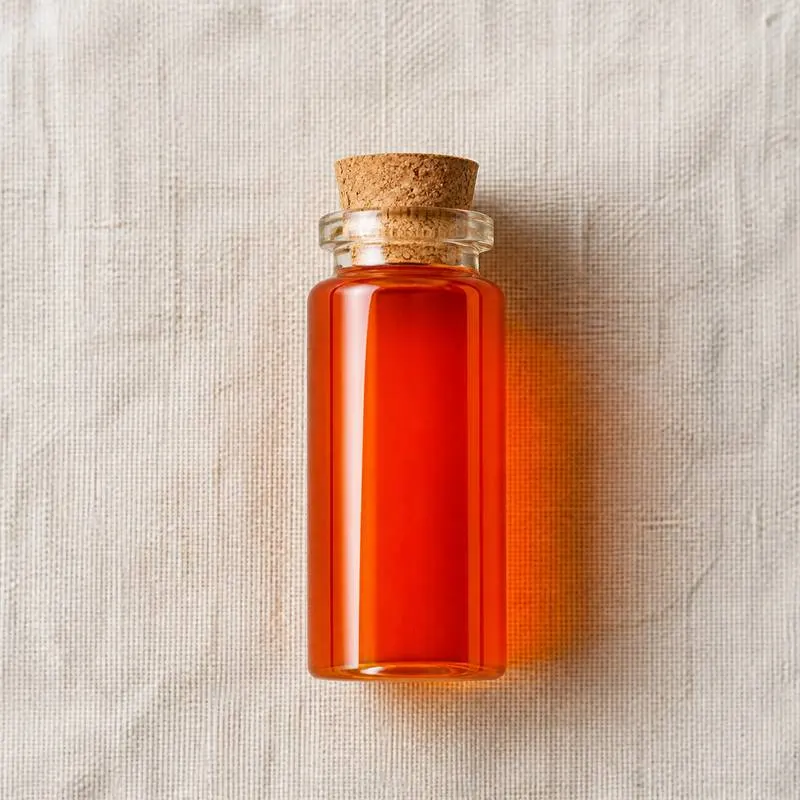
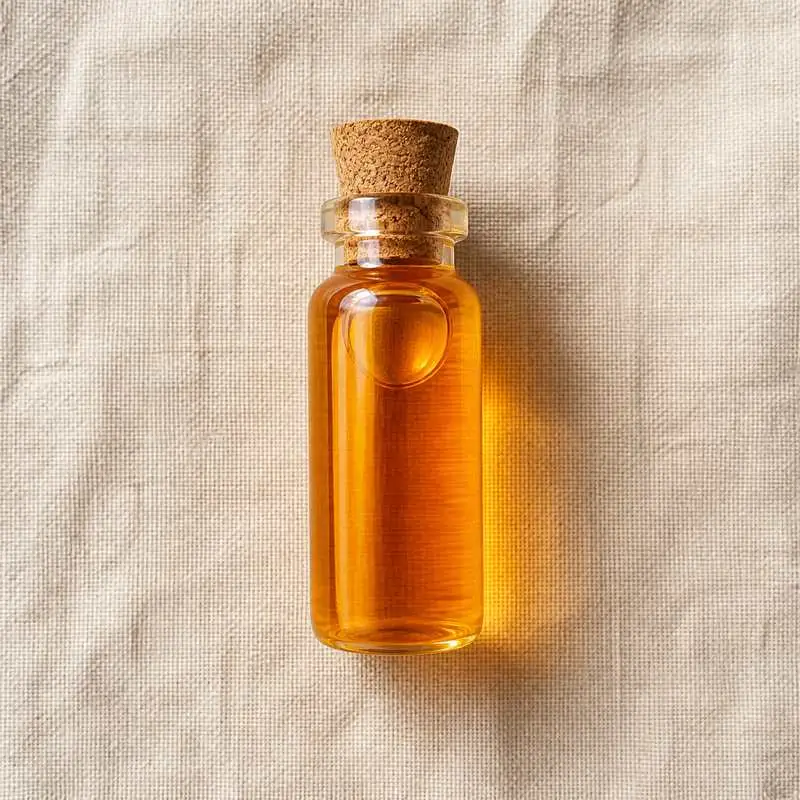
| Appearance | Orange to dark red powder or oil |
| Total Carotene Content | ≥ 30% (mixed carotenes) |
| Alpha/Beta Ratio | Source-dependent |
| Moisture | ≤ 5.0% (powder) |
| Heavy Metals (as Pb) | ≤ 2 mg/kg |
| Total Plate Count | ≤ 1,000 cfu/g |
| Purity (Food Grade) | ≥ 10% |
| Moisture/Loss on Drying (Food Grade) | ≤ 5% |
| pH (Food Grade) | 6.0 - 7.0 |
| Particle Size/Mesh (Food Grade) | ≥ 95% through 80 mesh |
| Ash (Food Grade) | ≤ 5% |
| Lead (Food Grade) | ≤ 1 ppm |
| Arsenic (Food Grade) | ≤ 1 ppm |
| Yeast & Mold (Food Grade) | ≤ 100 cfu/g |
Common Markets Grades
Mixed carotene is graded by total carotenoid content and by the ratio of alpha to beta isomers.
The crude red palm oleoresin sits at 20 to 30 percent total carotenoids, with roughly a 1 to 2 alpha-to-beta ratio plus minor lycopene, gamma-carotene, and phytoene.
A purified 30 percent suspension in refined vegetable oil is the standard food-colour format, with the carotenoid content guaranteed but the isomer ratio left at the natural palm value.
Cold-water-dispersible beadlets at 1, 2, and 5 percent active are produced for clear and turbid beverages, while a 20 percent powder grade is used in tabletted supplements and premixes.
A carrot-derived 24 percent oil concentrate offers an alternative source for formulators who need a non-palm origin, and an algal mixed-carotene concentrate from Dunaliella salina is produced where a 9-cis-enriched isomer profile is preferred.
Applications
- Margarine, table spreads, and shortenings for a natural butter-like colour
- Edible oils and vinaigrettes as a fat-soluble colouring foodstuff
- Bakery fats and laminated-dough shortenings
- Confectionery centres, fillings, and panned coatings
- Soup bases, sauces, and snack-seasoning oils
- Cheese analogs and processed-cheese spreads
- Dietary supplements positioned on whole-food provitamin A
- Infant cereals and toddler snack bars where a mixed-isomer source is preferred
- Cosmetic balms, lipsticks, and self-tanning emulsions
- Animal feed for layer hens and ornamental fish
- Pet food and treats for colour and nutritional fortification
Brands Using Carotene
Widely-distributed consumer products that list Carotene on the ingredient label.
- SolgarNatural Source Oceanic Beta-Carotene 7 mg Softgels ↗Label lists 'Natural Source Mixed Carotenoids (from D. salina)' providing beta-carotene 7 mg, alpha-carotene 331 mcg, plus other carotenoids (cryptoxanthin, zeaxanthin, lutein)Label verified 2026-05-24
- NOW FoodsBeta Carotene, Natural 7,500 mcg Softgels ↗Naturally sourced from D. salina algae as a mixed carotene complex (beta-carotene with naturally occurring alpha-carotene and other carotenoids)Label verified 2026-05-24
- Country LifeCarotenoid Complex Softgels ↗Supplement Facts list beta carotene (from D. salina algae) 25,000 IU together with alpha-carotene (from D. salina algae) 1 mg, explicitly mixed alpha+beta caroteneLabel verified 2026-05-24
Brand names, product names and logos are the property of their owners. They appear here as published evidence that the ingredient is used, taken from the brand's own label or website. Their appearance is not an endorsement, and it does not mean the brand buys from us or from any manufacturer listed on this site.
China Manufacturers of Carotene
Top Carotene manufacturers in China.

Company names and logos are the property of the manufacturers themselves. They are listed here because our own directory records them as producing this ingredient. A listing is not an endorsement by them, and we do not represent them or speak on their behalf.
How We Help Source Carotene
Direct Factory Sourcing
We run the whole process: selecting the manufacturer from the top Chinese food ingredient producers, negotiating the price, verifying quality, and coordinating the logistics. You deal with us instead of with several factories at once.
Original Packaging and Documents from the Manufacturer
The manufacturer sends your Carotene out of its own factory in the original packing, through to your destination port. The COA, COO, MSDS, TDS and any certifications reach you from the manufacturer as well.
Free Samples and Lead Time
We send 100 to 500 g free for your own laboratory to test and you cover only the courier, usually within 2 to 3 working days. ETD is usually within 7 to 15 days once the order is confirmed, and we check that date against the factory's own manufacturing schedule before we give it to you.
Combined Shipment
We can load Carotene together with other ingredients such as Beta Carotene, Caramel Colour and Lycopene into one 20' FCL. If your quantity is small, we can also ship LCL.
Regulatory Status
Mixed carotene is approved as a food colour in essentially every regulated jurisdiction.
In the European Union it falls under E160a(ii), the plant-carotenes subcategory, which expressly covers the mixed-isomer fraction from edible plant sources. The 2012 EFSA re-evaluation kept it in the permitted-additives list with no quantitative restriction beyond quantum satis for most categories.
The U.S. FDA permits carrot oil under 21 CFR 73.300 as a colour additive exempt from certification, and lists palm-derived mixed carotenoids as GRAS for colour and nutrient use.
JECFA evaluations cover both palm and carrot-derived material under the carotenes group. Carotene is widely accepted in Halal, Kosher, organic, and non-GMO certification schemes when the carrier oil is correspondingly qualified.
Manufacturing Process
The dominant commercial source of mixed carotene is red palm oil from Elaeis guineensis, which contains 500 to 700 ppm carotenoids in the crude pressed oil.
The carotene fraction is concentrated by transesterification of the triglycerides to methyl esters, followed by molecular distillation under high vacuum. This separates the volatile methyl esters from the heat-stable carotenoid concentrate, which is then redissolved in refined vegetable oil to the desired strength.
The process retains the natural isomer ratio of the palm fruit, which is approximately 36 percent alpha-carotene, 56 percent beta-carotene, and 8 percent minor carotenoids. The same molecular-distillation approach is applied to carrot oil and to Dunaliella biomass extracts, with the feedstock determining the final isomer ratio.
For cold-water-dispersible beadlets, the oil concentrate is emulsified into a matrix of modified starch, sucrose, and gum acacia, sprayed into a fluidized bed, and stabilised with sodium ascorbate and tocopherols against oxidation.