Encapsulated Sorbic Acid
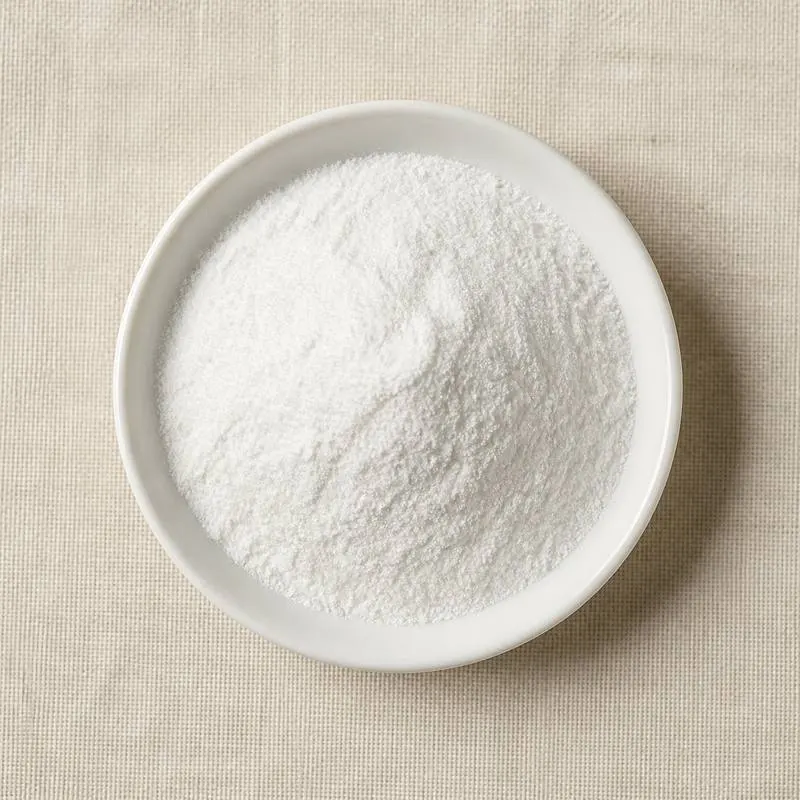
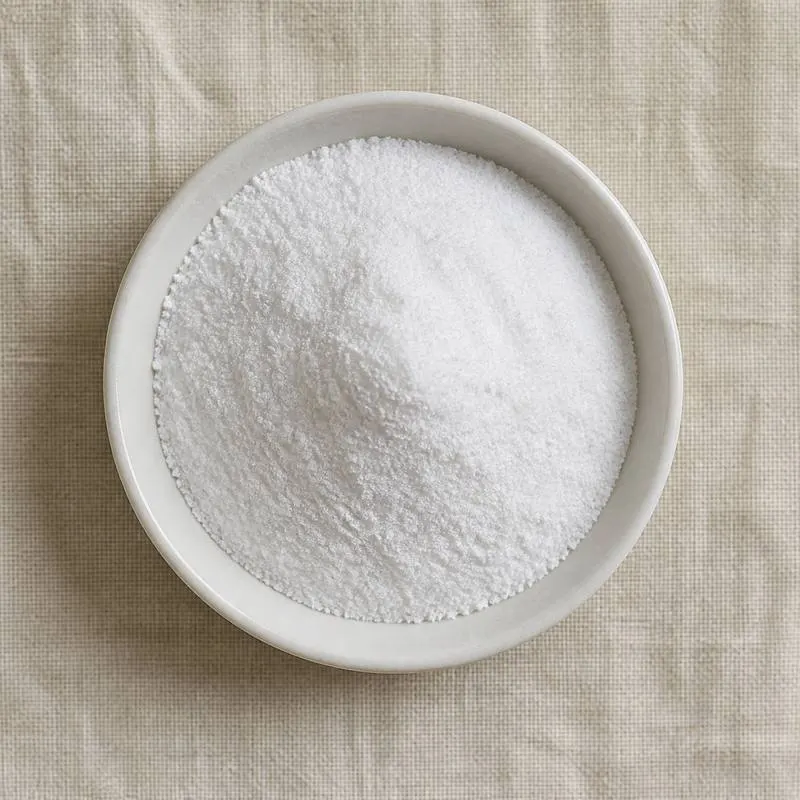
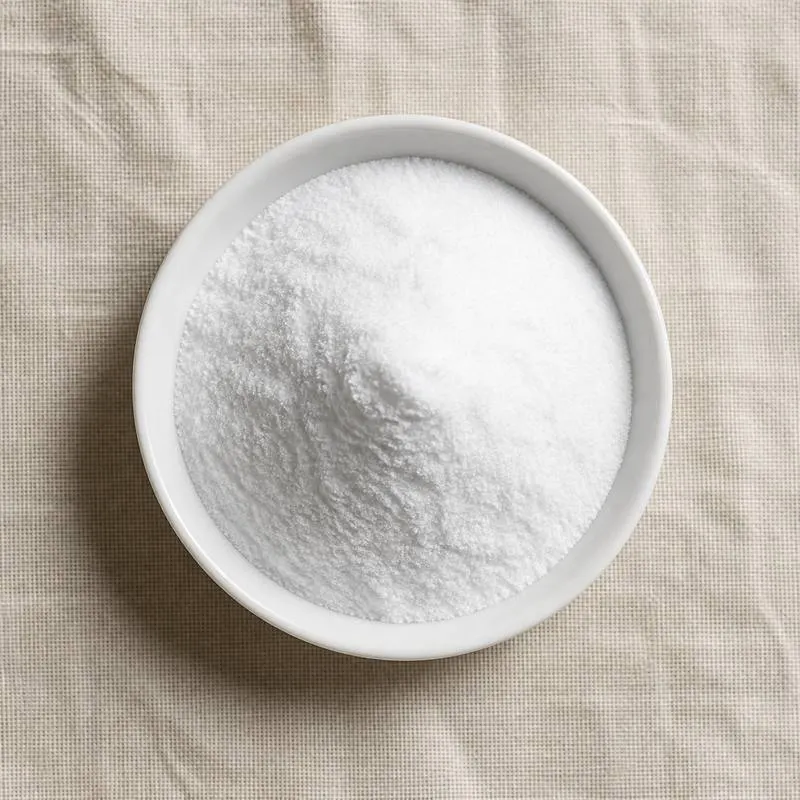
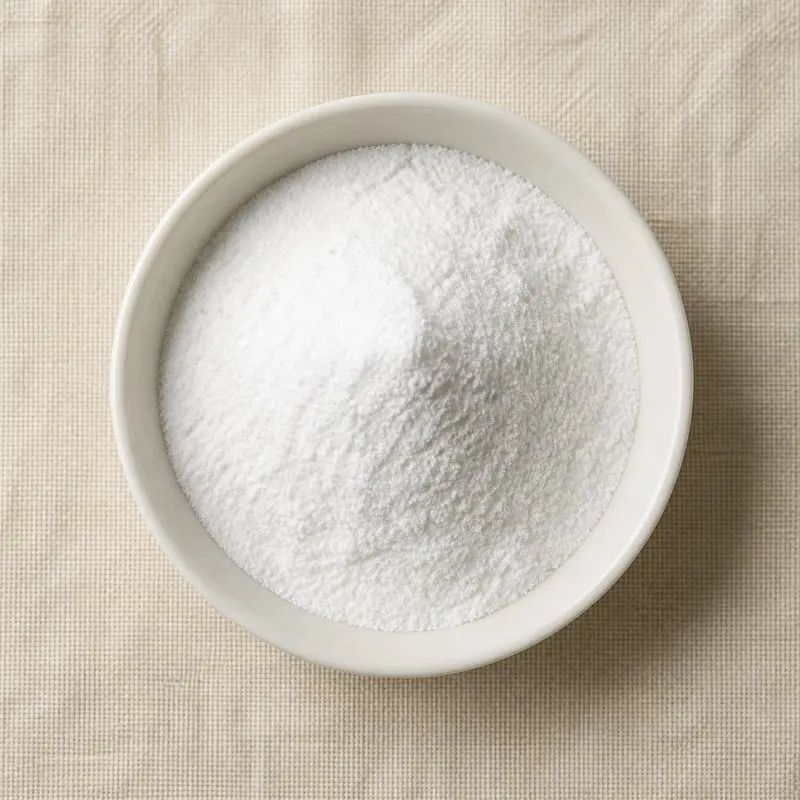
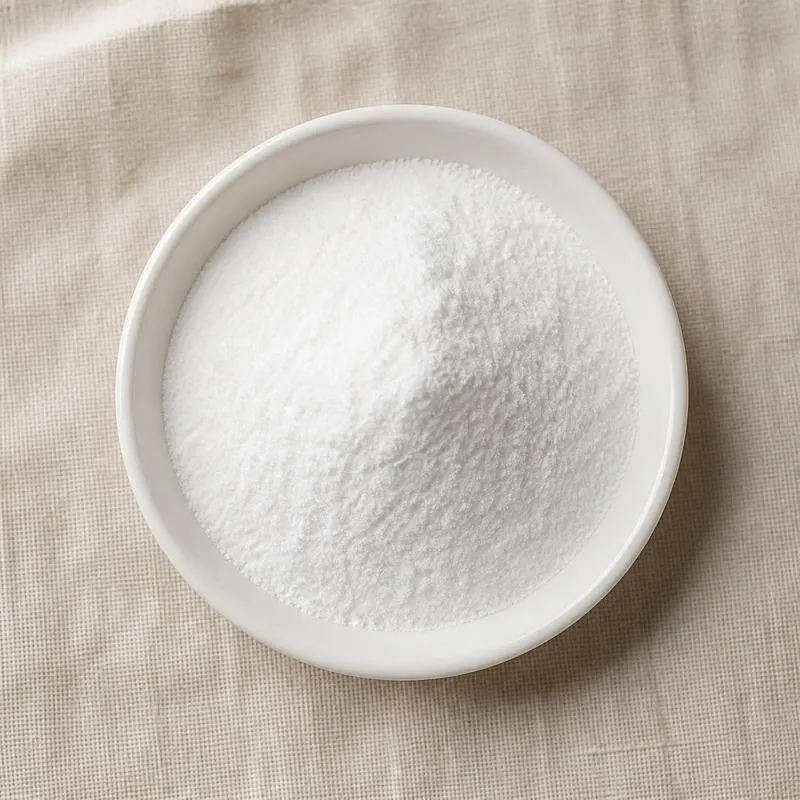
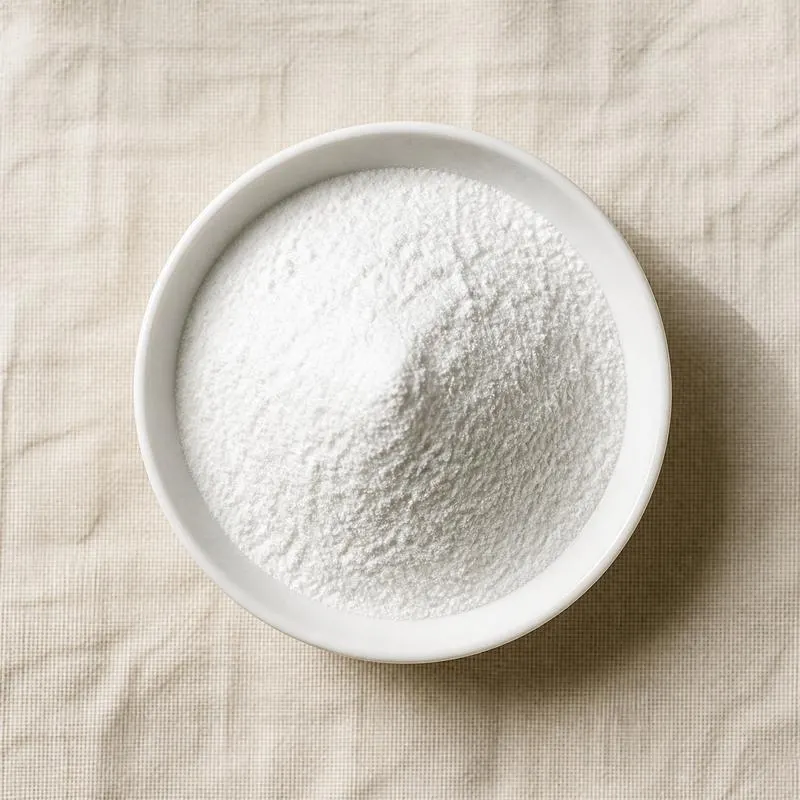
Encapsulated Sorbic Acid is sorbic acid (E200, CAS 110-44-1) coated with a heat-sensitive fat or wax matrix so that the active acid is released only when baking heat melts the shell.
The format solves the central problem of using a strong mould inhibitor in yeast-leavened dough. Free sorbic acid would suppress the yeast and stall fermentation, while the encapsulated form sits inert through proofing and releases at oven temperature when fermentation is already complete.
We source bulk Encapsulated Sorbic Acid from top China manufacturers for our partners. The manufacturer is in Jiangsu. A smaller requirement can ship in a combined container with other ingredients.
Please send the grade you need, the volume and your destination port, and we will come back with a solution and a price.
or call +86-21-6858 0751
- Packaging
- 25 kg kraft paper bag with PE inner liner
- ISO 9001
- HACCP
- Halal
- Kosher
Specifications
| Item | Specification |
|---|---|
| Appearance | White to off-white free-flowing powder or granules |
| Sorbic Acid Content (active) | 40.0–60.0% (or per declared specification) |
| Encapsulant | Hydrogenated vegetable fat / Carnauba wax |
| Release Trigger Temperature | 55–70 °C |
| Moisture | ≤ 3.0% |
| Particle Size | 200–800 µm |
| Melting Point of Shell | 55–70 °C |
| Heavy Metals (as Pb) | ≤ 10 mg/kg |
| Lead (as Pb) | ≤ 2 mg/kg |
| Arsenic (as As) | ≤ 1 mg/kg |
| Total Plate Count | ≤ 1,000 CFU/g |
| Yeast & Mold | ≤ 100 CFU/g |
| 规模产品食品和饲料添加剂医药和农药中间体颜料和染料中间体基本有机化工产品定制产品研发产品 | 规模产品 / 食品和饲料添加剂 / 医药和农药中间体 / 颜料和染料中间体 / 基本有机化工产品 / 定制产品 / 研发产品 |
| 序号 | 产品名称 / CAS 号 / 详细内容 |
Common Markets Grades
Encapsulated Sorbic Acid is a free-flowing off-white to pale-yellow granulate.
Standard bakery grades contain 50 to 70 percent sorbic acid by mass, with the balance made up of a hydrogenated vegetable fat or paraffin-wax coating selected to melt in the 50 to 60 °C window typical of dough core temperature during early bake.
A higher-loading grade at 80 percent active is produced where formula space is constrained. Particle size is typically tuned in the 200 to 800 micrometer range so that the granules disperse evenly in dough without breaking under mixer shear.
Material ships in 20 kg or 25 kg lined cartons and is stored below 25 °C to prevent premature softening of the coating.
Applications
- Yeast-raised pan breads, hamburger buns, and hot dog rolls
- Sweet yeast-raised goods such as cinnamon rolls, brioche, and Danish pastries
- Pizza crusts and par-baked flatbreads
- English muffins, crumpets, and bagels
- Tortillas and Mexican-style flatbreads
- Long-shelf-life snack cakes with yeast-raised components
- Frozen dough systems intended for in-store thaw and bake
- Filled bakery products where the filling sets the spoilage risk profile
- Pre-mixes and bakery concentrates sold to industrial customers
- Refrigerated biscuit and dinner-roll doughs
- Specialty fermented breads such as panettone and stollen
China Manufacturers of Encapsulated Sorbic Acid
Top Encapsulated Sorbic Acid manufacturers in China.

Company names and logos are the property of the manufacturers themselves. They are listed here because our own directory records them as producing this ingredient. A listing is not an endorsement by them, and we do not represent them or speak on their behalf.
How We Help Source Encapsulated Sorbic Acid
Direct Factory Sourcing
We run the whole process: selecting the manufacturer from the top Chinese food ingredient producers, negotiating the price, verifying quality, and coordinating the logistics. You deal with us instead of with several factories at once.
Original Packaging and Documents from the Manufacturer
The manufacturer sends your Encapsulated Sorbic Acid out of its own factory in the original packing, through to your destination port. The COA, COO, MSDS, TDS and any certifications reach you from the manufacturer as well.
Free Samples and Lead Time
We send 100 to 500 g free for your own laboratory to test and you cover only the courier, usually within 2 to 3 working days. ETD is usually within 7 to 15 days once the order is confirmed, and we check that date against the factory's own manufacturing schedule before we give it to you.
Combined Shipment
We can load Encapsulated Sorbic Acid together with other ingredients such as Calcium Propionate, Sodium Diacetate and Sodium Propionate into one 20' FCL. If your quantity is small, we can also ship LCL.
Regulatory Status
Encapsulated Sorbic Acid is regulated as sorbic acid for food-additive purposes. The encapsulating fat or wax is treated as a processing aid or carrier.
In the European Union, Regulation 1333/2008 approves sorbic acid under E200 and sets category-specific maximum-use levels. Calcium and potassium sorbates fall under E203 and E202 respectively.
In the United States, sorbic acid is GRAS for use in food under 21 CFR 182.3089, with specific category provisions in 21 CFR 172.
JECFA has set a group acceptable daily intake covering sorbic acid and its salts. The substance is widely accepted in Codex-aligned jurisdictions including Australia, New Zealand, Canada, and Japan.
The coating fats most commonly used (fully hydrogenated palm or rapeseed) carry RSPO and non-GMO certifications where commercially relevant, and most commercial grades exist Kosher and Halal certified.
Manufacturing Process
The starting material is high-purity sorbic acid, made industrially from crotonaldehyde and ketene via the malonate route operated by the major Chinese, German, and Japanese producers.
The encapsulation step uses a fluid-bed coating or spray-chilling process. In the fluid-bed route, sorbic acid crystals are suspended in an upward air stream while a molten fat or wax is sprayed onto the moving bed. The coating solidifies on contact with the cooler particle surface and builds in successive thin layers until the target loading is reached.
Spray chilling is the more economical alternative for higher-volume production. A hot dispersion of sorbic acid in molten fat is atomised into a cooled chamber, where the droplets solidify into spherical particles before reaching the bottom.
Process control focuses on coating integrity, melting profile, and active-acid release timing. Each lot is checked by differential scanning calorimetry and by a model dough release test.