EPA
EPA, eicosapentaenoic acid, is the 20 carbon omega-3 fatty acid carrying five cis double bonds, the first of them at the third carbon from the methyl end, written as 20:5 n-3. Its formula is C20H30O2 with a molar mass of 302.45 grams per mole. In the body it is the precursor of the series three prostaglandins and thromboxanes and of the E series resolvins, which is the basis of the interest in it.
Commercially the name covers a family of preparations rather than a single article. Material is traded as the free acid, as the ethyl ester, as a re-esterified triglyceride, and as calcium, sodium or other salts, at assays from 50 percent up to 96 percent and above. The dominant source is marine fish oil from anchovy, sardine and menhaden; microalgal oil from Nannochloropsis and related organisms supplies the vegan segment.
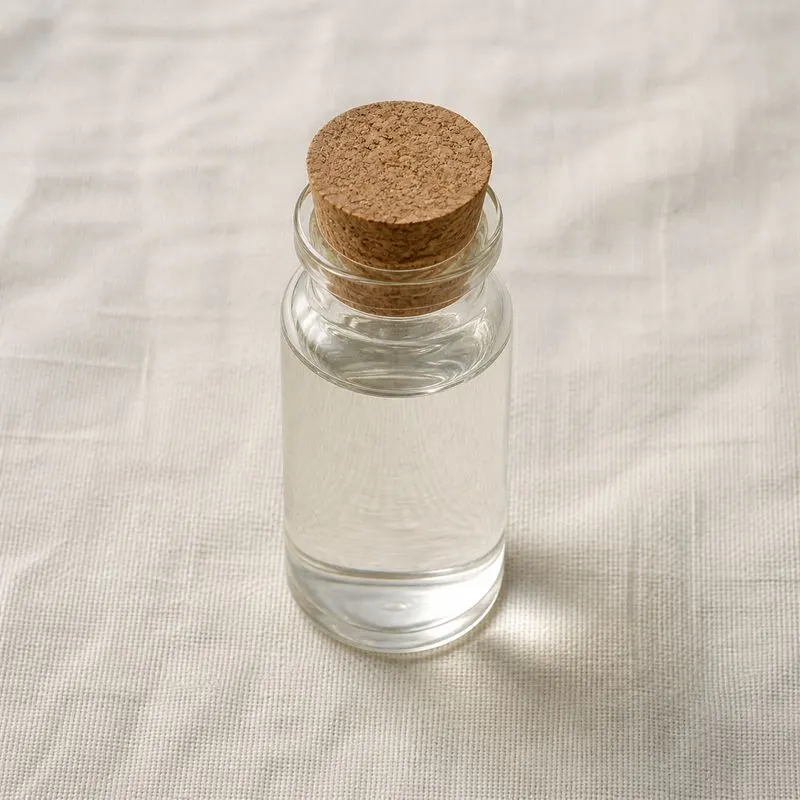
The pure material is a colourless to pale yellow oil that remains liquid well below freezing, insoluble in water and miscible with oils, ethanol and most organic solvents. Five double bonds make it exceptionally prone to autoxidation, and neat high assay EPA degrades within hours if left open to air at room temperature. It is therefore packed under nitrogen with tocopherols added, held frozen or refrigerated for the highest assays, and specified on peroxide, anisidine and total oxidation values that are rechecked on receipt rather than accepted from the certificate.
We source bulk EPA from top China manufacturers for our partners. The manufacturer is in Zhejiang. A smaller requirement can ship in a combined container with other ingredients.
Please send the grade you need, the volume and your destination port, and we will come back with a solution and a price.
or call +86-21-6858 0751
- Function
- Specialty oil
Specifications
| Item | Specification |
|---|---|
| Appearance | Clear colourless to pale yellow oily liquid |
| Odour and Taste | Slight marine note, free from rancid character |
| EPA (of total fatty acids) | ≥ 70.0% |
| DHA (of total fatty acids) | ≤ 5.0% |
| Total Omega-3 Fatty Acids | ≥ 80.0% |
| Chemical Form | Ethyl ester, free acid or triglyceride as declared |
| Identification | Conforms by gas chromatography retention and mass spectrum |
| Acid Value | ≤ 0.5 mg KOH/g |
| Peroxide Value | ≤ 5.0 meq/kg |
| Anisidine Value | ≤ 20 |
| Totox Value | ≤ 26 |
| Moisture and Volatiles | ≤ 0.05% |
| Unsaponifiable Matter | ≤ 1.5% |
| Residual Solvents | Meets pharmacopoeial limits |
| Dioxins and Furans | ≤ 1.75 pg WHO-TEQ/g |
| Lead | ≤ 0.1 mg/kg |
| Mercury | ≤ 0.1 mg/kg |
Common Markets Grades
Assay and chemical form together define the grade. Supplement grade concentrates run from 50 to 70 percent EPA, generally as ethyl ester or re-esterified triglyceride, and are the volume products. High assay material at 90 to 96 percent, made by chromatographic separation, is used in pharmaceutical and clinical applications and is priced an order of magnitude higher. Free acid grades are used where the ester bond would interfere with the formulation.
The second distinction is DHA content. Products positioned specifically on EPA are specified with DHA held low, in some cases below 2 percent, since the point of the material for those buyers is an EPA profile uncontaminated by DHA. Source is declared as marine or algal, the latter carrying a vegan claim and a different contaminant profile. Pharmaceutical grades meeting a pharmacopoeial monograph carry tighter limits on related substances, oxidation and residual solvents than the supplement line. Microencapsulated powders and emulsions are finished formats rather than grades of the acid itself.
Applications
- Omega-3 softgel capsules positioned on EPA content rather than total omega-3
- Pharmaceutical and prescription lipid products based on high assay concentrates
- Clinical and enteral nutrition, where a defined EPA to DHA ratio is specified
- Cardiovascular and inflammation focused supplement ranges
- Mental health and mood positioned formulations, which are typically EPA dominant
- Fortified beverages and dairy, added as an emulsion or microencapsulated powder
- Vegan omega-3 products using algal sourced EPA
- Cosmetic and dermatological formulations, where EPA is used in barrier repair products
- Aquaculture and pet feed premixes requiring a concentrated omega-3 input
- Analytical reference standards for fatty acid methodology
Brands Using EPA
Widely-distributed consumer products that list EPA on the ingredient label.
- Wiley's FinestPeak EPA Wild Alaskan Fish Oil ↗A wild Alaskan pollock fish oil softgel whose panel lists 750 mg of EPA alongside 250 mg of DHA per softgel.Label verified 2026-08-31
- CoromegaMAX Gold Omega-3 Squeeze Packets ↗An emulsified fish oil squeeze packet that states 3,000 mg of omega-3 fatty acids per serving, of which 1,562 mg is EPA.Label verified 2026-08-31
- Nature MadeFish Oil 1200 mg Softgels ↗The supplement facts panel lists 720 mg of total omega-3 fatty acids per serving, of which 600 mg is EPA and DHA combined.Label verified 2026-08-31
Brand names, product names and logos are the property of their owners. They appear here as published evidence that the ingredient is used, taken from the brand's own label or website. Their appearance is not an endorsement, and it does not mean the brand buys from us or from any manufacturer listed on this site.
China Manufacturers of EPA
Top EPA manufacturers in China.

Company names and logos are the property of the manufacturers themselves. They are listed here because our own directory records them as producing this ingredient. A listing is not an endorsement by them, and we do not represent them or speak on their behalf.
Regulatory Status
In the United States, EPA from marine and algal oils is sold as a dietary ingredient under the dietary supplement framework, and GRAS notifications to which the FDA responded without objection cover specific oil preparations for defined food uses. High assay ethyl ester products used as prescription medicines are separately approved drugs and fall outside the food framework. Fish is a major food allergen requiring declaration where the source is marine. The FDA has issued qualified health claims relating EPA and DHA intake to coronary heart disease and to blood pressure, and the permitted wording follows the relevant enforcement discretion letters.
In the European Union, EPA rich oils are foods rather than additives and carry no E number, but preparations without a history of consumption before May 1997, including several concentrates and algal oils, are authorised individually under the novel food regulation and appear in the Union list with their specifications and conditions of use. Fish is an allergen that must be emphasised in the ingredient list. Maximum levels for dioxins, dioxin-like polychlorinated biphenyls and heavy metals in fish oil are set in the contaminants regulation, and authorised health claims for EPA and DHA at specified intakes are listed in the claims register. Codex has adopted a standard for fish oils that names the oils covered and sets fatty acid composition ranges and quality criteria including acid value, peroxide value and anisidine value.
Manufacturing Process
Crude fish oil is refined first: degumming and acid treatment remove phospholipids and trace metals, alkali neutralisation strips free fatty acids, bleaching earth removes pigments and oxidation products, and vacuum steam deodorisation removes volatiles. Persistent organic contaminants are stripped in a dedicated step, since dioxins and polychlorinated biphenyls would otherwise be concentrated alongside the fatty acids.
The refined oil is transesterified with ethanol under alkaline catalysis, cleaving the triglycerides into fatty acid ethyl esters with glycerol separated off, because individual esters can be fractionated while intact triglycerides cannot. Enrichment then proceeds in stages: molecular distillation under high vacuum removes the shorter and more saturated esters, and urea complexation removes much of the remaining saturated and monounsaturated fraction as crystalline adducts. Separating EPA from DHA, which are close in chain length and both highly unsaturated, requires preparative chromatography, typically simulated moving bed chromatography on a reversed phase or silver ion stationary phase, and this is the step that distinguishes a high assay EPA product from a general concentrate. The purified ester fraction is then finished as an ethyl ester, hydrolysed to the free acid, or re-esterified onto glycerol under lipase catalysis. The product is polish filtered, stripped of residual solvent under deep vacuum, dosed with tocopherols and filled under nitrogen into light protected containers.