Fennel Oil
Fennel oil is the essential oil obtained by steam distillation of the dried ripe fruits, commonly called seeds, of Foeniculum vulgare. Two distinct materials are traded under the name. Sweet fennel oil, from the variety dulce, is dominated by trans-anethole and smells sweetly of aniseed. Bitter fennel oil, from the wild or bitter variety, carries considerably more fenchone and reads sharper, more camphoraceous and medicinal.
Trans-anethole is the defining constituent, often making up between sixty and ninety percent of sweet fennel oil, and it is responsible for both the aroma and a sweetness on the palate many times that of sucrose. Fenchone contributes the bitter camphoraceous facet, and limonene, alpha-pinene and methyl chavicol, also called estragole, make up much of the remainder. The estragole content matters commercially out of proportion to its size, because it is the constituent that regulatory limits are written around.
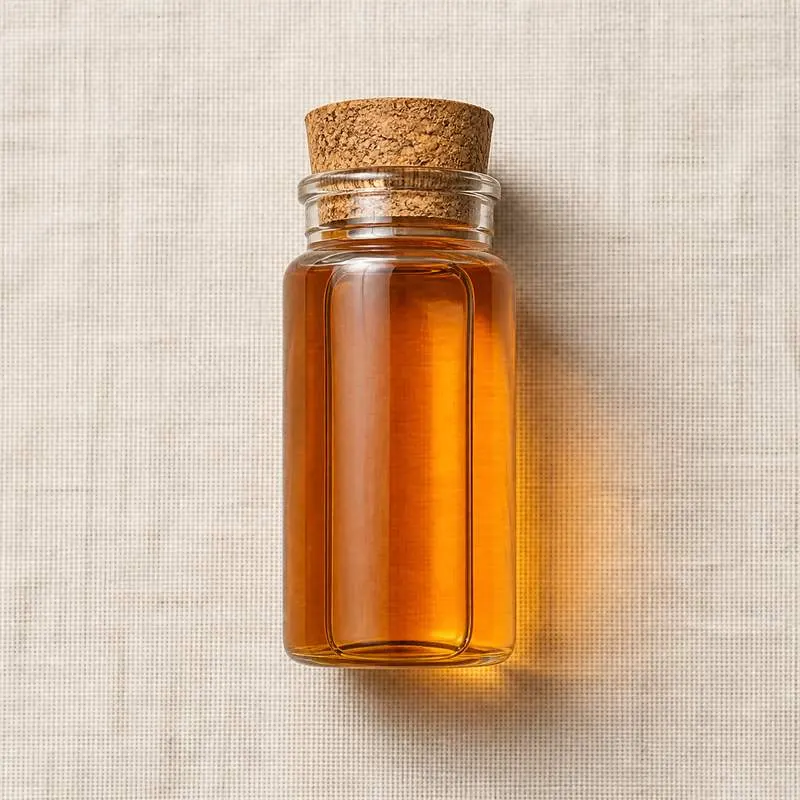
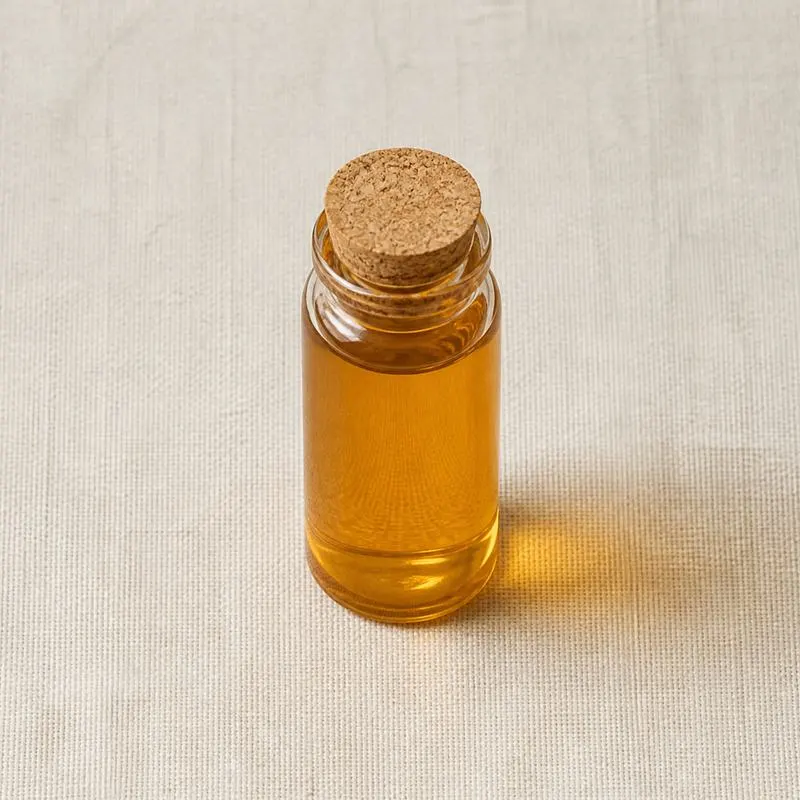
The oil is a colourless to pale yellow liquid with a characteristic property that decides how it is handled: because trans-anethole crystallises a little above zero degrees Celsius, fennel oil solidifies or forms crystals in a cold store and has to be warmed and homogenised before a representative sample can be drawn. It is soluble in alcohol, insoluble in water, and darkens and thickens on prolonged exposure to air.
We source bulk Fennel Oil from top China manufacturers for our partners. The manufacturer is in Shaanxi. A smaller requirement can ship in a combined container with other ingredients.
Please send the grade you need, the volume and your destination port, and we will come back with a solution and a price.
or call +86-21-6858 0751
- Function
- Flavours and Aromas
Specifications
| Item | Specification |
|---|---|
| Appearance | Clear colourless to pale yellow liquid, may crystallise when cold |
| Odour | Sweet, aniseed like and characteristic of fennel |
| trans-Anethole | Not less than 60.0 percent by GC for sweet fennel oil |
| Fenchone | 1.0 to 10.0 percent by GC for sweet fennel oil |
| Estragole | Not more than the level declared for the grade |
| Relative Density (20°C) | 0.960 to 0.990 |
| Refractive Index (20°C) | 1.528 to 1.545 |
| Optical Rotation (20°C) | +10° to +26° |
| Congealing Point | Not below 3 °C |
| Solubility | Soluble in 1 volume of 90 percent ethanol, insoluble in water |
| Acid Value | Not more than 2.0 mg KOH/g |
| Peroxide Value | Not more than 10 meq/kg |
| Heavy Metals (as Pb) | Not more than 10 mg/kg |
| Lead | Not more than 2 mg/kg |
| Arsenic | Not more than 1 mg/kg |
Common Markets Grades
The primary split is between sweet and bitter fennel oil, which are separate articles with different pharmacopoeial and commercial specifications, and the key differences are anethole and fenchone content. Within sweet fennel oil, origin sets a second distinction, since Chinese, Indian, Egyptian and Mediterranean material differ in the balance of anethole, fenchone and estragole, and lots are bought against a gas chromatography window rather than a single assay.
Beyond origin, the trade offers crude distilled oil, rectified oil that has been redistilled under vacuum to improve colour and remove heavy tails, and fractions in which the estragole content has been reduced by careful fractionation for markets where that limit is binding. Terpeneless grades, stripped of the hydrocarbon fraction, are used for beverage work where solubility in dilute alcohol matters. Alongside the distilled oil the plant yields a carbon dioxide extract and an oleoresin, both fuller and more true to the spice, and standardised dilutions in propylene glycol or a triglyceride are the usual presentation for flavour dosing. Pharmacopoeial grades carry their own identity, purity and assay requirements.
Applications
- Liquorice and aniseed confectionery, where anethole carries both aroma and sweetness
- Anise flavoured spirits such as pastis, ouzo and raki, where the oil clouds on dilution
- Bakery and biscuit, in rye bread, spice biscuits and Italian style products
- Sausage and cured meat seasoning, particularly Italian style pork sausage
- Sauces, pickles and marinades, replacing ground spice where visible spice particles are unwanted
- Herbal teas and infusions, as a flavouring for digestive blends
- Oral care and mouthwash, in combination with mint and clove
- Cough syrups, lozenges and gripe preparations, as a traditional carminative
- Fine fragrance and soap perfumery, in anise and fougere accords
- Feedstock for isolation of anethole and for further fractionation
Brands Using Fennel Oil
Widely-distributed consumer products that list Fennel Oil on the ingredient label.
- Desert EssenceTea Tree Oil Toothpaste - Fennel ↗Foeniculum vulgare (fennel) oil appears in the toothpaste's ingredient list, where it supplies the anise-like flavour.Label verified 2026-08-31
- Nelson NaturalsFennel Toothpaste 60 ml ↗A mint-free toothpaste whose ingredient list ends with Foeniculum vulgare (fennel) oil as the flavouring.Label verified 2026-08-31
- Edens GardenFennel - Sweet Essential Oil ↗A single oil bottle of steam distilled sweet fennel seed oil, listed under the botanical name Foeniculum vulgare.Label verified 2026-08-31
- Edens GardenDigest Ease Essential Oil Blend ↗A blend of eight oils in which sweet fennel oil sits alongside cardamom, lemon, ginger, lavender, carrot seed, spearmint and vanilla.Label verified 2026-08-31
Brand names, product names and logos are the property of their owners. They appear here as published evidence that the ingredient is used, taken from the brand's own label or website. Their appearance is not an endorsement, and it does not mean the brand buys from us or from any manufacturer listed on this site.
China Manufacturers of Fennel Oil
Top Fennel Oil manufacturers in China.
Company names and logos are the property of the manufacturers themselves. They are listed here because our own directory records them as producing this ingredient. A listing is not an endorsement by them, and we do not represent them or speak on their behalf.
Regulatory Status
In the United States, 21 CFR 182.10 lists fennel among the spices and natural seasonings generally recognised as safe for their intended use, and fennel oil appears on the corresponding list of essential oils, oleoresins and natural extractives under 21 CFR 182.20. The oil also holds FEMA GRAS status as a flavouring substance, and no separate food additive petition applies. Labelling of a finished food follows 21 CFR 101.22.
In the European Union fennel oil is a natural flavouring preparation under Regulation (EC) No 1334/2008, so it carries no E number, but the same regulation fixes maximum levels in specified food categories for certain biologically active substances that occur naturally in aromatic plants, and estragole and methyl eugenol are among them. Because fennel oil naturally contains estragole, compliance is a formulation matter rather than a labelling one, and it is the reason low estragole grades exist. Bitter and sweet fennel oil and fruit are the subject of European herbal monographs governing their use in traditional medicinal products, which set separate conditions from food use. In fragrance and cosmetic use the International Fragrance Association standards restrict estragole containing oils, and Regulation (EC) No 1223/2009 applies. Codex addresses the underlying spice through its standard for spices and its code of hygienic practice for spices and dried aromatic herbs.
Manufacturing Process
Ripe fennel fruits are received, cleaned over destoners and gravity separators to remove stalk, dust and foreign seed, and crushed or coarsely milled immediately before charging so that the oil cells are ruptured without giving the volatiles time to escape. The milled fruit is charged to a stainless steel still and distilled with low pressure steam over a cycle of several hours, with yields commonly in the region of one and a half to four percent on dried fruit.
The vapour is condensed and the oil separated in a Florentine flask, where it floats above the distillation water, and the aqueous layer is generally cohobated back through the charge to recover dissolved oxygenated components rather than discarded. The crude oil is dried over anhydrous sodium sulphate, settled and polish filtered, then analysed by gas chromatography and blended across lots to a fixed profile. Rectified and terpeneless grades are produced by further fractional distillation under vacuum at low temperature, and the same operation is used where the estragole fraction is to be reduced for a particular market. Because anethole crystallises near ambient temperature, storage tanks and drums are heated or the material is held above its congealing point, and containers are filled and blanketed to limit oxidation. Spent seed is passed to solvent or carbon dioxide extraction where an oleoresin is also produced.