Freeze-Dried Probiotics
Freeze dried probiotics are live probiotic cultures traded as dry powder, and what distinguishes the material commercially from any other food ingredient is that its declared property decays. A chemical ingredient assayed at ninety nine percent is still ninety nine percent two years later, but a probiotic powder loses viable cells continuously from the moment it is dried, so its specification has to be written in terms of time, temperature and a guaranteed end point rather than as a single figure.
That shapes how the material is bought and sold. Manufacturers release material at a count above the label claim. That difference is the overage, sized from stability studies so that the declared count is still met at the end of the stated shelf life under the stated storage condition. A certificate quoting only a count at manufacture, with no storage condition and no shelf life, is not a usable specification, and the difference between a count declared at manufacture and one declared at end of life can be an order of magnitude.
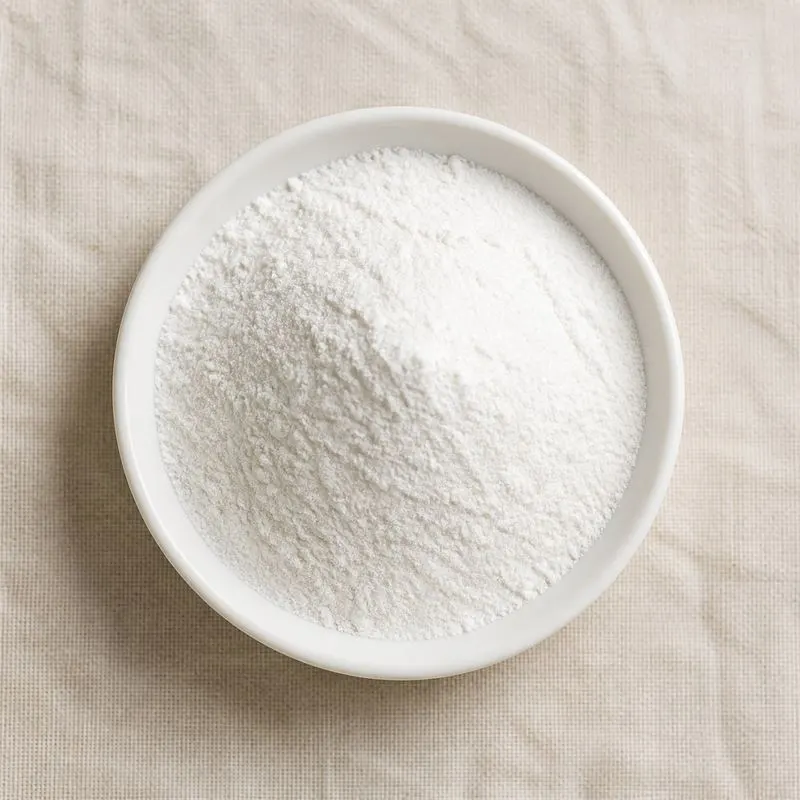
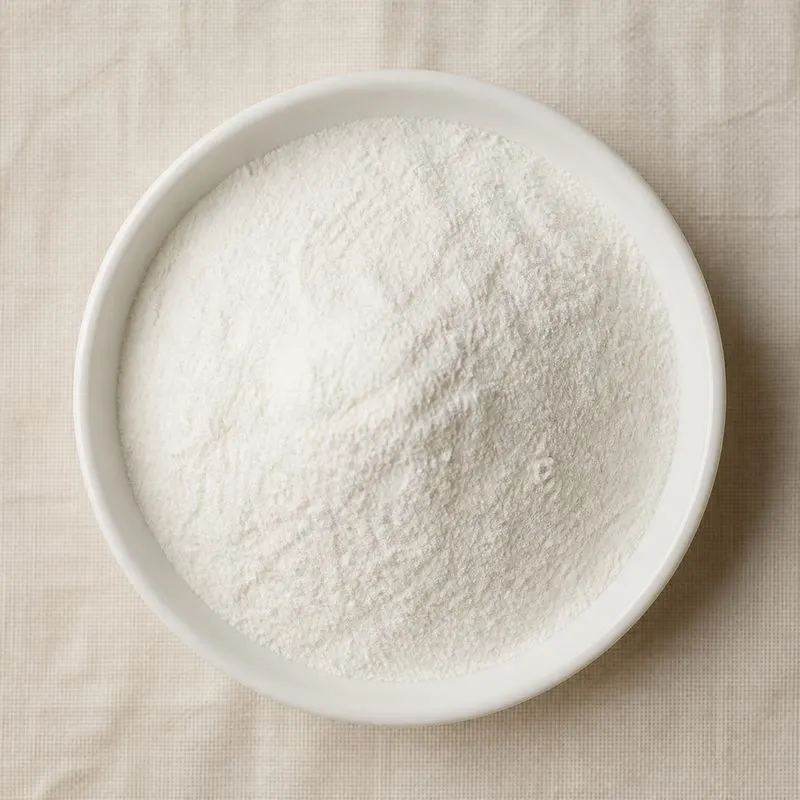
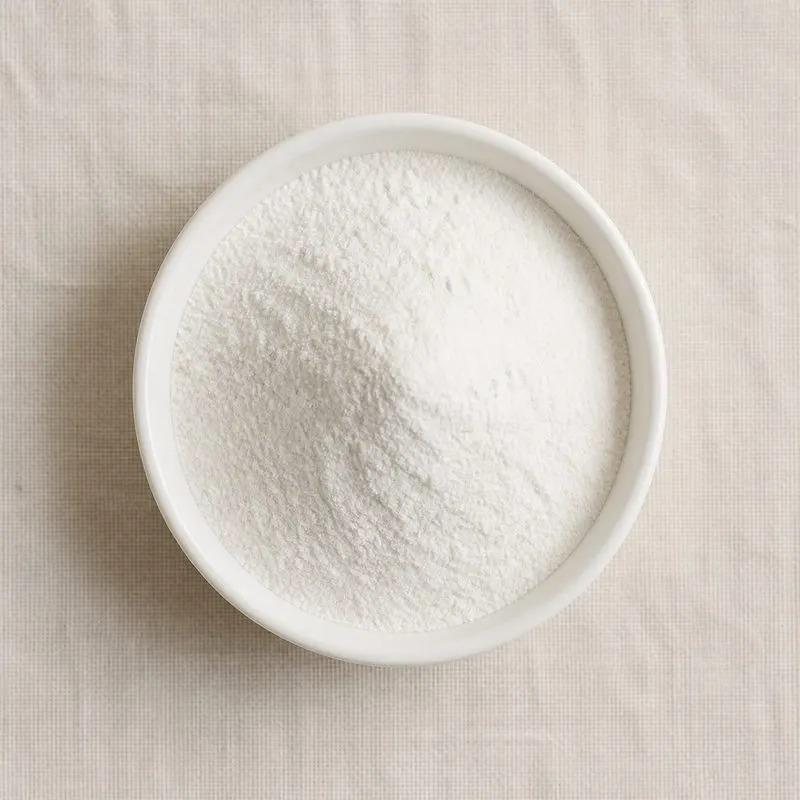
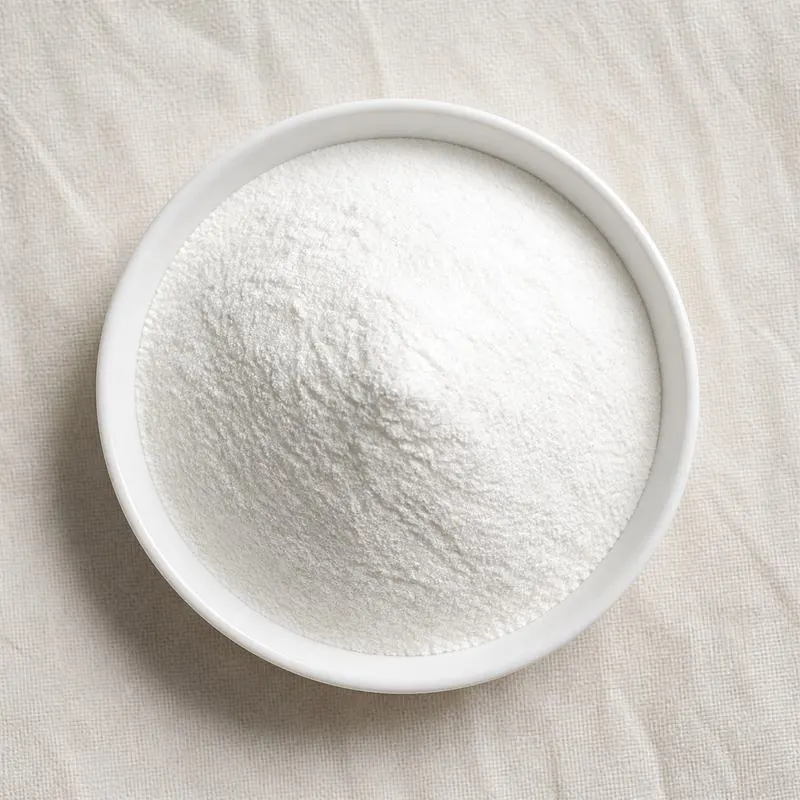
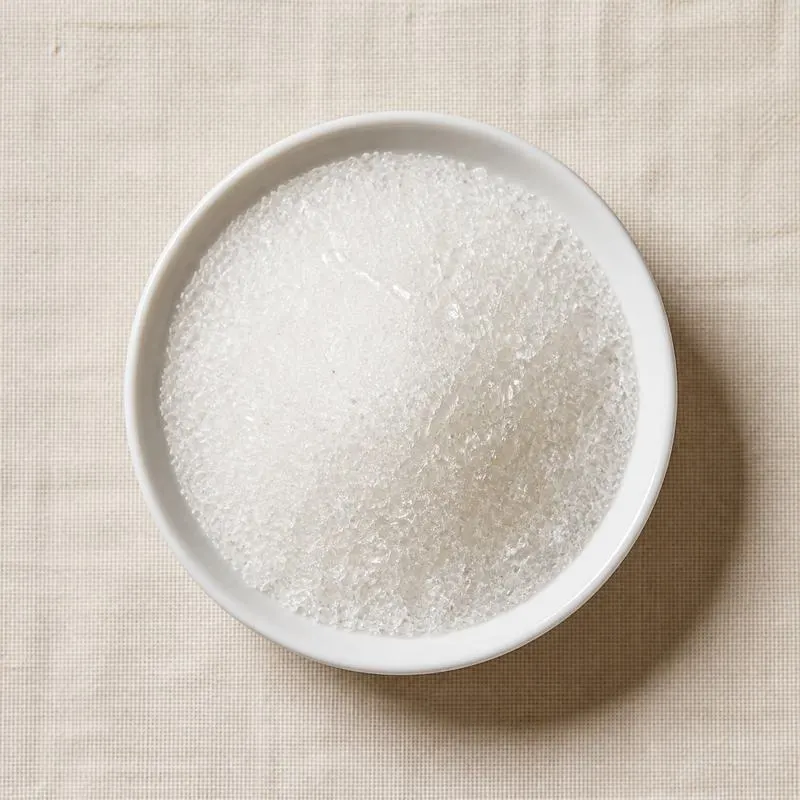
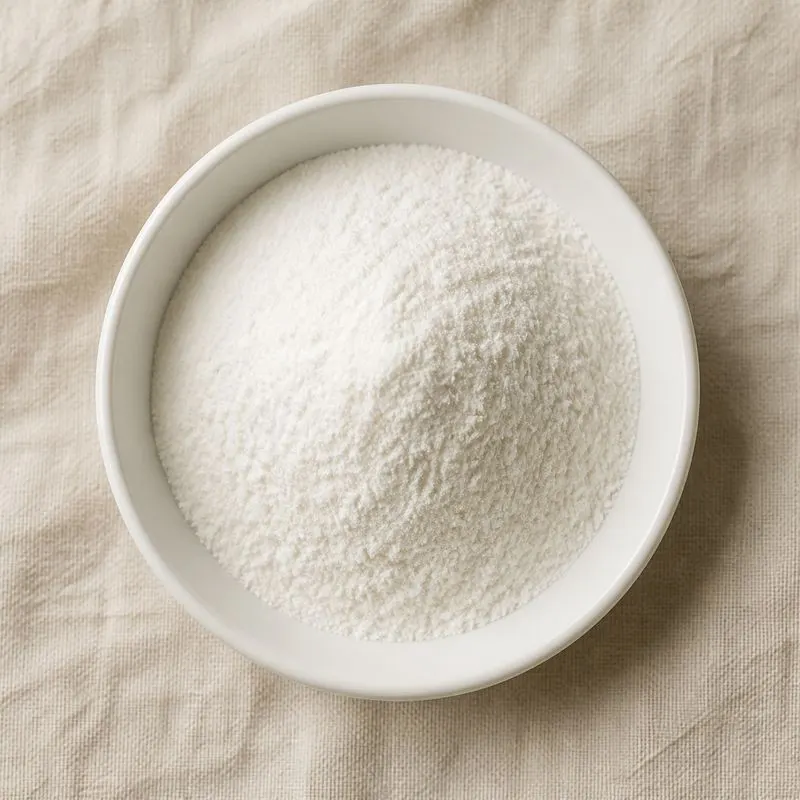
The counting method matters as much as the number. The traditional plate count measures colony forming units, and a chain or clump of cells forms one colony, so the figure understates the cell number and varies with how the sample is dispersed. Flow cytometry with viability staining counts individual active fluorescent units and generally returns a higher figure for the same material, which makes counts from the two methods incomparable. A specification should state which method was used. The powder itself is off white to cream, faintly fermented in odour, hygroscopic and oxygen sensitive, and is packed in foil under nitrogen and held cold.
We source bulk Freeze-Dried Probiotics from top China manufacturers for our partners. The manufacturer is in Shandong. A smaller requirement can ship in a combined container with other ingredients.
Please send the grade you need, the volume and your destination port, and we will come back with a solution and a price.
or call +86-21-6858 0751
- Function
- Probiotic
Specifications
| Item | Specification |
|---|---|
| Appearance | Off white to cream free flowing lyophilised powder |
| Odour | Faintly fermented, free from foreign odour |
| Viable Count at Release | Not less than label claim plus declared overage |
| Viable Count at End of Shelf Life | Not less than label claim at declared storage condition |
| Counting Method | Plate count in colony forming units or flow cytometry as declared |
| Identification | Strain confirmed by whole genome sequencing |
| Antibiotic Resistance | No transferable resistance determinants detected |
| Loss on Drying | Not more than 4.0 percent |
| Water Activity | Not more than 0.20 |
| Lead | Not more than 1 mg/kg |
| Arsenic | Not more than 1 mg/kg |
| Cadmium | Not more than 0.5 mg/kg |
| Coliforms | Not more than 10 cfu/g |
| Yeast and Mould | Not more than 100 cfu/g |
| Escherichia coli | Absent in 10 g |
| Salmonella | Absent in 25 g |
Common Markets Grades
Grades are set first by the guarantee. Material sold on a count at manufacture is the cheaper option and pushes the stability risk onto the buyer. Material sold on a count at end of shelf life carries the overage in the price and is the basis on which serious formulators buy. The declared storage condition sits alongside the count and is part of the same guarantee. Frozen, refrigerated and ambient stable grades are genuinely different products even where the organism is the same.
The second axis is potency and dilution, with concentrates for formulators and standardised powders for direct dosing. The third is protection: uncoated powder, microencapsulated grades specified on survival through a defined gastric challenge, and grades with an added stabilising matrix for use in high water activity products. Dairy free grades avoid milk solids in the cryoprotectant. Beyond that, buyers distinguish material by the completeness of its documentation, which for this category means the strain deposit number, the sequencing evidence for identity, an antibiotic resistance profile showing no transferable determinants, and stability data at more than one temperature.
Applications
- Capsules and tablets, where the powder is the whole dose
- Stick packs and sachets, dispersed in water or taken directly
- Nutritional and meal replacement powders, where the culture is one component of a dry blend
- Infant and follow on formula, where the culture is added to the dry base after processing
- Fermented and non fermented dairy, where a direct addition avoids on site propagation
- Chocolate and fat based confectionery, where the absence of free water gives good survival
- Gummies and chewable formats, where water activity in the base is the limiting factor
- Animal feed and pet food premixes, where the powder is blended into a mineral and vitamin carrier
- Beverages and shots, where a microencapsulated grade is required for survival
- Clinical nutrition, where a defined count of a defined strain has to be delivered at the point of use
China Manufacturers of Freeze-Dried Probiotics
Top Freeze-Dried Probiotics manufacturers in China.

Company names and logos are the property of the manufacturers themselves. They are listed here because our own directory records them as producing this ingredient. A listing is not an endorsement by them, and we do not represent them or speak on their behalf.
Regulatory Status
In the United States freeze dried probiotic cultures are dietary ingredients in supplements or food ingredients, and food use normally rests on a strain specific determination of generally recognised as safe status supported by a notification to the Food and Drug Administration. The agency does not recognise probiotic as a regulatory category and does not verify counts, so meeting the declared count at the point of sale is the manufacturer's responsibility, and it is the area in which independent testing has most often found products falling short. Claims are limited to structure and function statements with the required disclaimer, and milk derived cryoprotectants require a milk allergen declaration.
In the European Union the European Food Safety Authority maintains the qualified presumption of safety list, and the organism is assessed against it. Species outside that history require novel food authorisation. Part of the qualified presumption of safety assessment is the absence of acquired antibiotic resistance genes capable of transfer, which is why a resistance profile belongs in the documentation for any strain intended for that market. The word probiotic is treated as an implied health claim and cannot generally be used on labels, since no probiotic claim has been authorised, although several member states permit it nationally. Internationally the joint guidelines of the Food and Agriculture Organisation and the World Health Organisation set out what a probiotic label should carry, including the genus, species and strain designation and the viable count at the end of shelf life rather than at manufacture, which is the point on which commercial practice most often falls short of the guidance.
Manufacturing Process
The culture is grown from a master cell bank through seed stages into a production fermenter on a medium of carbohydrate, a nitrogen source such as yeast extract or protein hydrolysate, and mineral salts, under pH control and in the atmosphere the organism requires. Harvest timing is chosen for the robustness of the cells rather than for maximum yield. The broth is concentrated by centrifugation or microfiltration, blended with a cryoprotectant system and equilibrated, frozen at a controlled rate, and lyophilised in a primary sublimation stage followed by a secondary desorption stage that brings residual moisture to a low single figure percentage.
What distinguishes this material at the production stage is the testing that follows. The dried cake is milled under low humidity, assayed for viable count and water activity, and blended with carrier to a target that is not the label claim but the label claim plus the overage. Stability is then established rather than assumed: samples are placed at the intended storage temperature and at one or more elevated temperatures, counts are taken at intervals through and beyond the intended shelf life, and the decay curve is used to set both the overage and the storage statement. Identity is confirmed by sequencing on every batch, purity by plating on selective media, and antibiotic susceptibility is checked against the cut off values used for assessing transferable resistance. Packing is into aluminium foil laminate under nitrogen, and distribution is refrigerated unless the grade has been qualified as ambient stable.