Galli Gigeriae Endothelium Corneum Peptide
Galli gigeriae endothelium corneum peptide is a protein hydrolysate made from the inner lining of the chicken gizzard, the tough keratinised membrane that is peeled from the muscular stomach at slaughter. The raw material is known in Chinese medicine as ji nei jin and has a long record of use as a digestive preparation, and the peptide is its modern industrial derivative.
The membrane itself is a cornified epithelial layer, and its protein is largely keratin like structural protein together with residual mucosal tissue, which makes it considerably harder to hydrolyse than muscle or collagen. Hydrolysis yields a mixture of short peptides and free amino acids, and specifications describe the ingredient by peptide content and molecular weight distribution rather than by any characterised marker compound, since no single constituent has been established as responsible for the traditional effect.
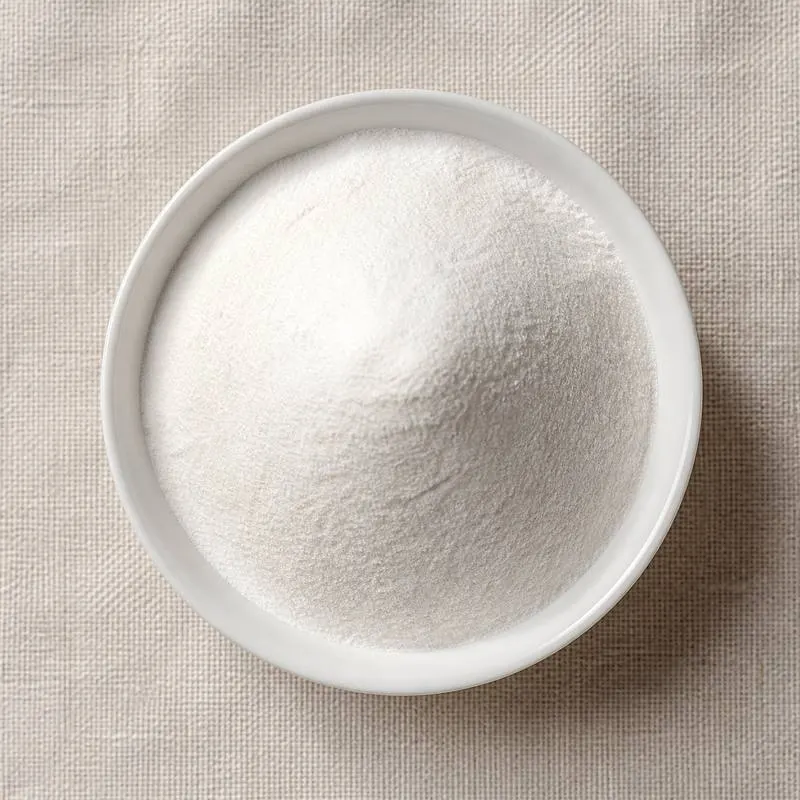
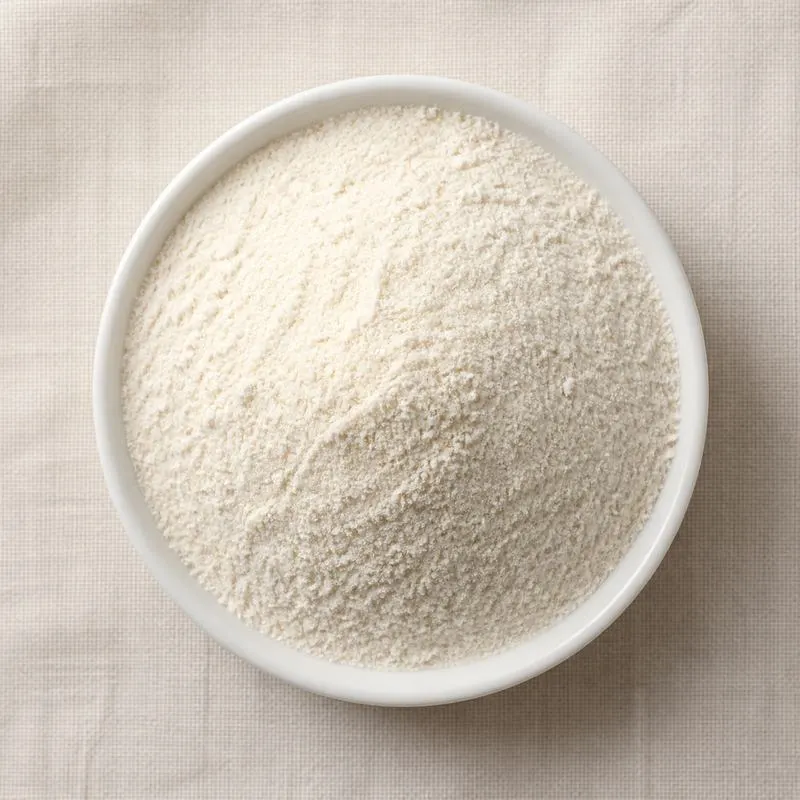
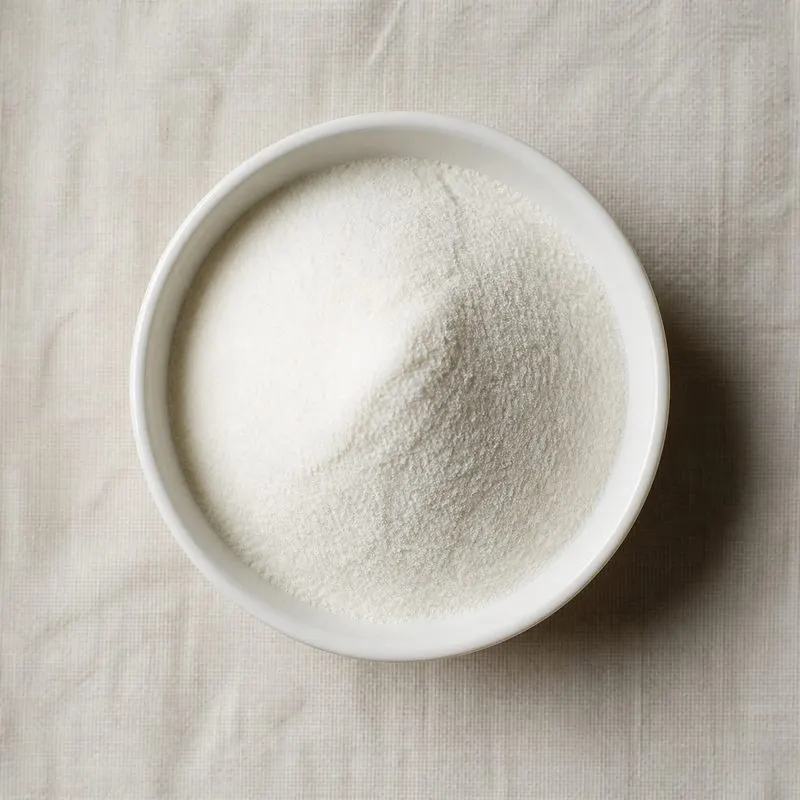
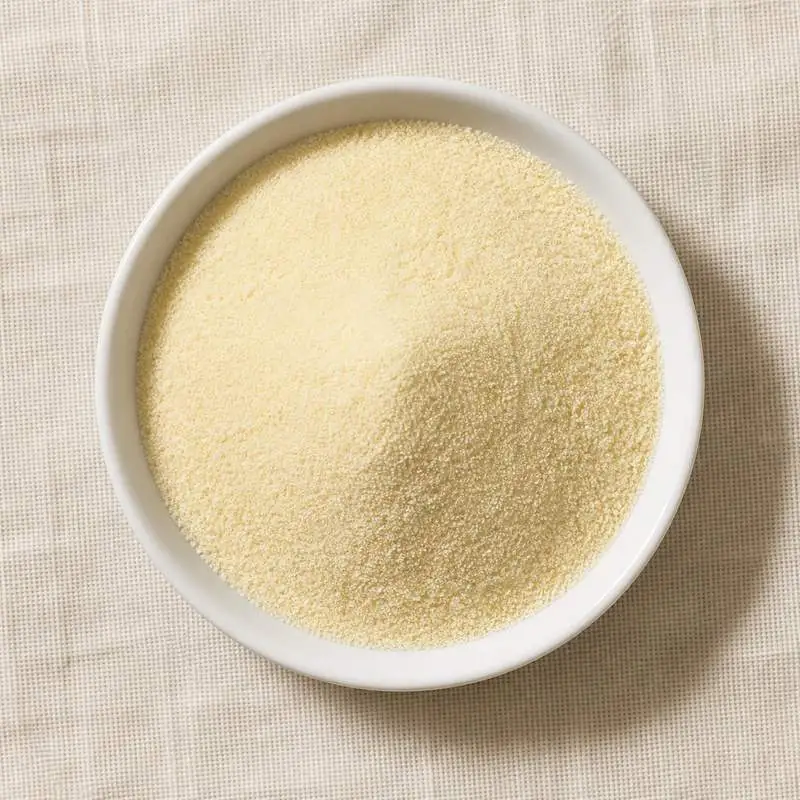
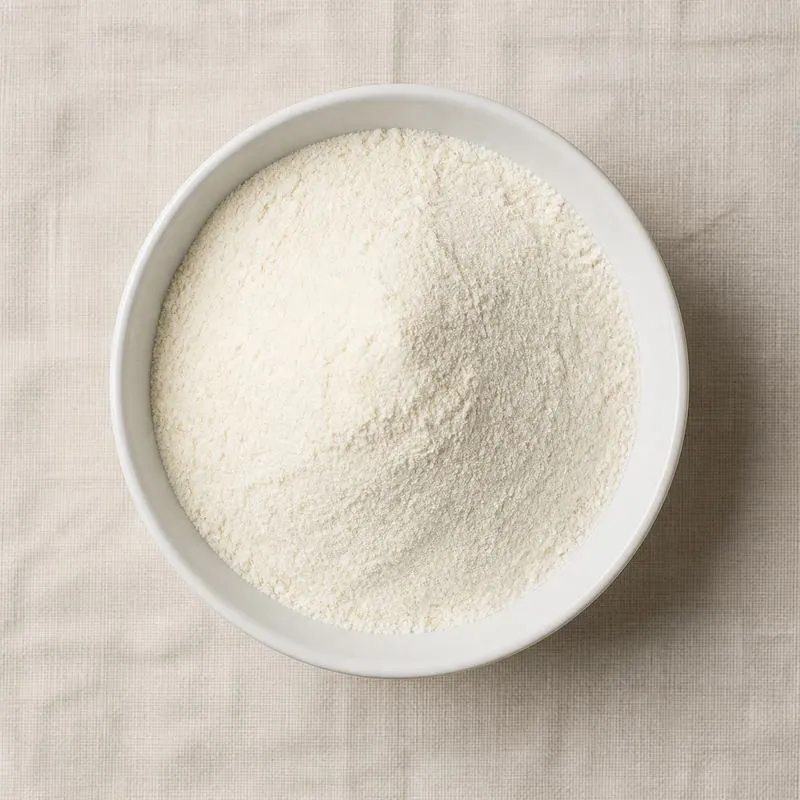
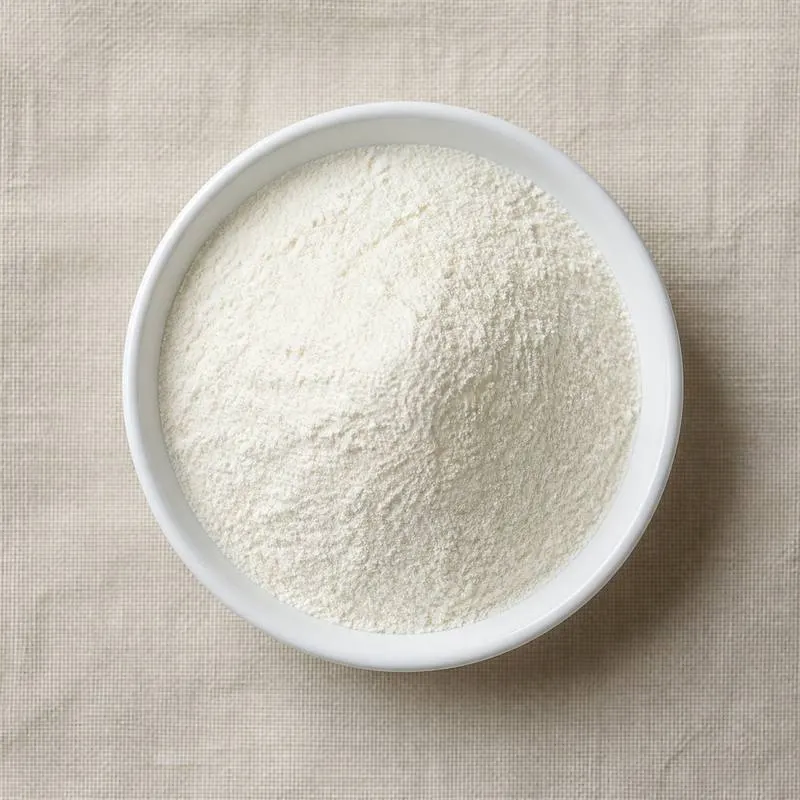
Commercial material is a light yellow to brown spray dried or freeze dried powder with a faint characteristic odour. It dissolves readily and almost completely in water, holds through pasteurisation, and contributes no viscosity to a formulation. It is used almost entirely in the Chinese health food and traditional preparation trade, where it is sold in place of the powdered dried membrane because it dissolves rather than needing to be decocted.
We source bulk Galli Gigeriae Endothelium Corneum Peptide from top China manufacturers for our partners. The manufacturer is in Guangdong. A smaller requirement can ship in a combined container with other ingredients.
Please send the grade you need, the volume and your destination port, and we will come back with a solution and a price.
or call +86-21-6858 0751
- Function
- Protein
Specifications
| Item | Specification |
|---|---|
| Appearance | Light yellow to brown fine powder |
| Odour and Taste | Faint characteristic odour, slightly bitter taste |
| Tissue of Origin | Chicken gizzard lining, traceable to inspected slaughter |
| Peptide Content (dry basis) | Not less than 80.0 percent |
| Peptides below 1000 Daltons | Not less than 80.0 percent |
| Identification | Amino acid profile conforms to reference |
| Loss on Drying | Not more than 7.0 percent |
| Ash | Not more than 8.0 percent |
| Acid Insoluble Ash | Not more than 0.5 percent |
| Fat | Not more than 1.0 percent |
| pH (1 percent solution) | 5.5 to 7.5 |
| Solubility in Water | Not less than 97.0 percent |
| Lead | Not more than 0.5 mg/kg |
| Arsenic | Not more than 0.5 mg/kg |
| Total Plate Count | Not more than 10000 cfu/g |
| Yeast and Mould | Not more than 100 cfu/g |
| E. coli | Negative in 1 g |
| Salmonella | Negative in 25 g |
Common Markets Grades
Grades separate on purity and on molecular weight. A simple dried hydrolysate of the membrane runs at around 70 percent peptide on a dry basis with an elevated ash content, while membrane purified and desalted material reaches 85 percent or above. Molecular weight is declared with general grades at 80 percent below 1000 daltons and higher grades at 90 percent.
Raw material integrity is the other point buyers examine, because gizzard lining is a small yield item and the temptation to bulk it out with general poultry offal is real. Reputable material comes with documentation traceable to a specific slaughter operation and, where the buyer requires it, with species and tissue confirmation. Beyond that, spray dried powder is the volume format and freeze dried material carries a premium, and decoloured grades treated with activated carbon are traded for use in beverages and white blends while untreated material goes into capsules and traditional preparations.
Applications
- Traditional Chinese medicine preparations descended from the dried gizzard lining
- Digestive health supplements in the Chinese market, in capsule, tablet and granule form
- Children's appetite and digestion products, a long established application for the raw material
- Instant granule and sachet formats that replace decoction of the dried membrane
- Compound formulations blended with hawthorn, malt and other digestive botanicals
- Functional beverages and shots aimed at the traditional tonic consumer
- Confectionery and chewable formats for paediatric use
- Companion animal digestive supplements
China Manufacturers of Galli Gigeriae Endothelium Corneum Peptide
Top Galli Gigeriae Endothelium Corneum Peptide manufacturers in China.
Company names and logos are the property of the manufacturers themselves. They are listed here because our own directory records them as producing this ingredient. A listing is not an endorsement by them, and we do not represent them or speak on their behalf.
Regulatory Status
In the United States there is no generally recognised as safe listing covering this material. Hydrolysates of edible poultry tissue from birds slaughtered under federal inspection are handled as food ingredients on safety that the manufacturer establishes, and supplement presentations fall under the dietary supplement framework, with a new dietary ingredient notification potentially required depending on the marketing history of the specific preparation. Digestive claims are structure and function claims carrying the associated notification and disclaimer requirements, and claims that the ingredient treats a digestive disorder would be disease claims and are not permitted on a supplement.
In the European Union a peptide preparation from chicken gizzard lining has no history of significant consumption in the Union and would in practice require novel food authorisation before being placed on the market as a food or supplement ingredient. Production of ingredients from poultry tissue falls under the hygiene rules for food of animal origin, and imports must come from listed establishments in approved third countries. Health claims relating to digestion may only be made where authorised on the Union register, and none is authorised for this material. It is not a food additive and holds no E number, and neither JECFA nor Codex has evaluated it or published a specification.
Manufacturing Process
Gizzard linings are peeled from the gizzard on the poultry evisceration line and collected chilled, and the first operation is thorough washing, since the membrane is in contact with grit and feed residue and any carryover shows up as ash and grit in the finished powder. The washed linings are trimmed of adhering muscle and fat and either used fresh or dried for storage, in which case they are rehydrated before processing.
Because the membrane is cornified and resistant, a pretreatment is normally applied before enzymatic work: a dilute alkali soak or a pressurised hot water cook that softens the keratinised structure and makes it accessible. The softened material is minced, slurried in water, and hydrolysed with a food grade protease system, typically an alkaline endoprotease at elevated temperature over a long reaction, followed by an exopeptidase stage to trim the bitter hydrophobic fragments. The enzymes are inactivated by heating, and the hydrolysate is centrifuged and filtered to remove undigested residue and grit. Ultrafiltration controls molecular weight, nanofiltration concentrates and desalts the permeate, and activated carbon treatment removes colour and odour. The purified concentrate is evaporated under vacuum and spray dried, or freeze dried for premium grades, then sieved, metal checked and packed with a moisture barrier.