Iprobia Postbiotic Pe0301
Iprobia Postbiotic PE0301 is a trade designation for a multi-strain lactic acid bacteria fermentate positioned for gastric comfort and oral care, sold as an inactivated postbiotic powder.
The ingredient is the dried metabolite fraction of a fermentation carried out with several probiotic strains, retaining the heat-killed cells along with the compounds they produced. The active fraction includes short chain organic acids, exopolysaccharides, cell wall peptidoglycan and low molecular weight peptides. In gastric and oral applications the interest is in competitive exclusion of undesirable organisms and in the mucosal effect of the fermentation metabolites, neither of which depends on the cells being alive.
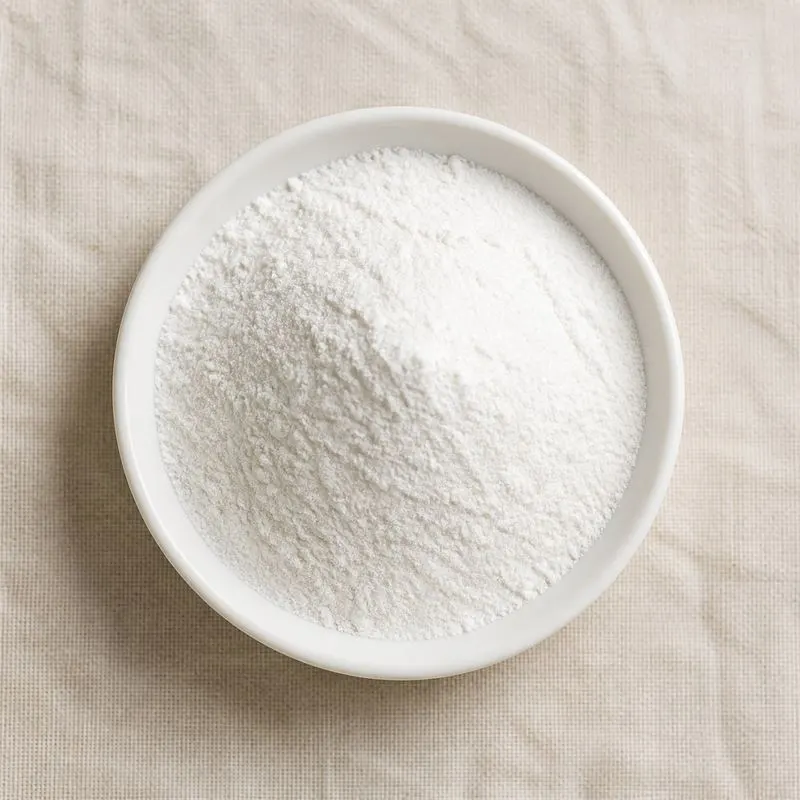
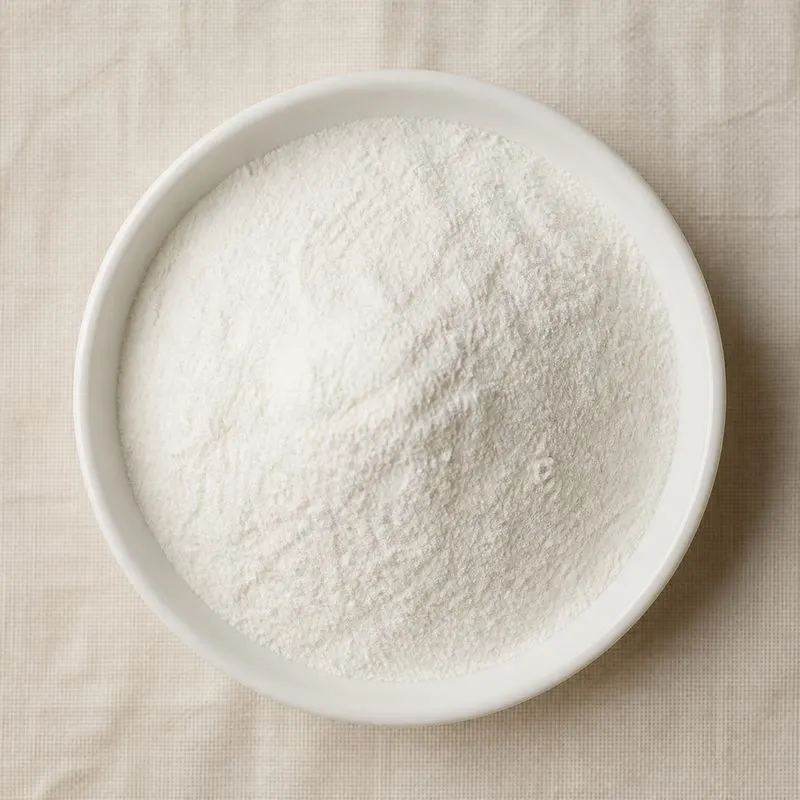
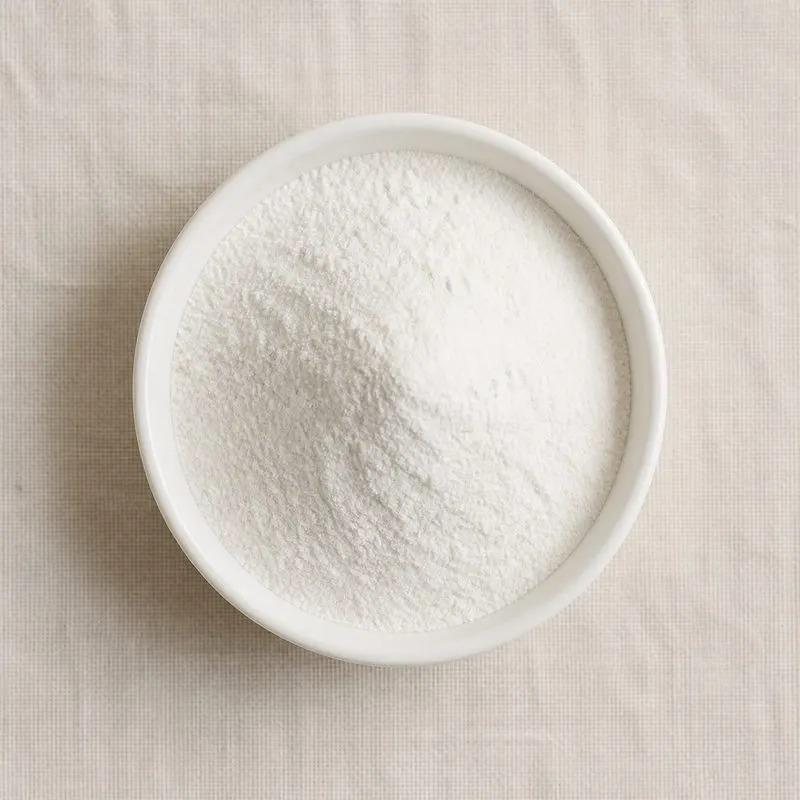
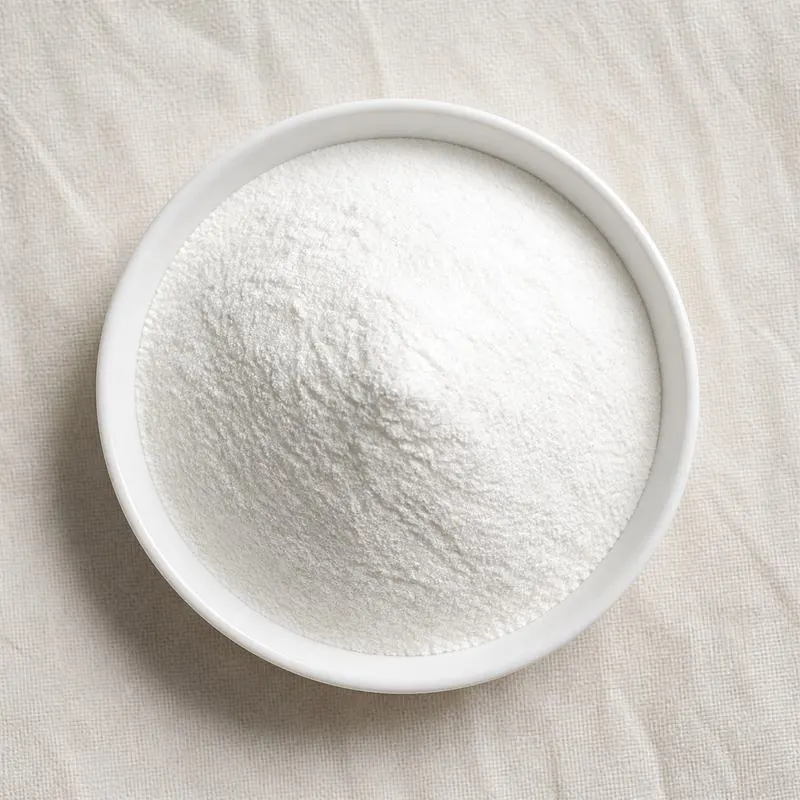
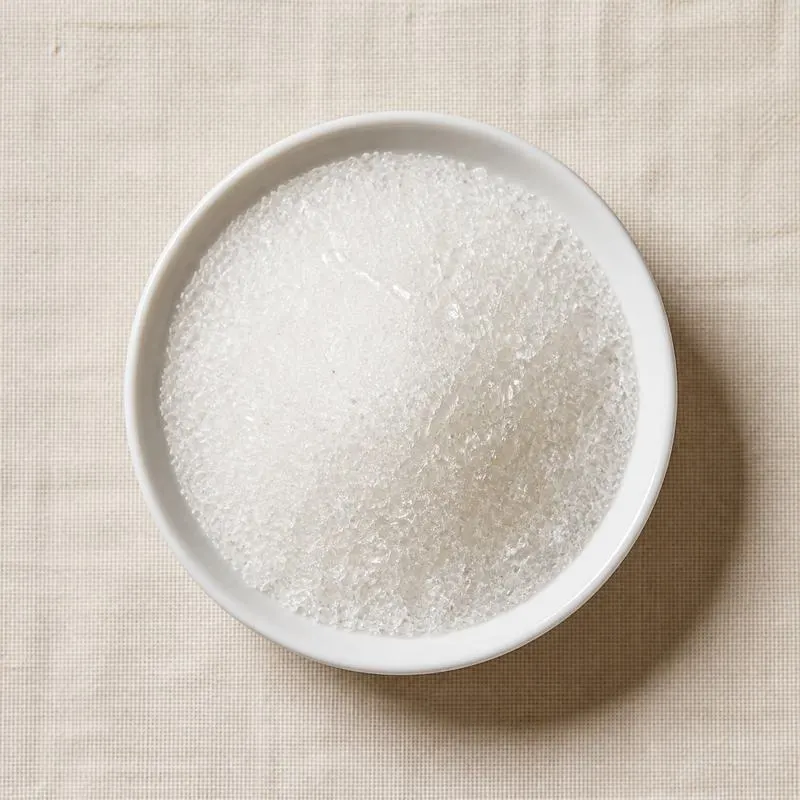
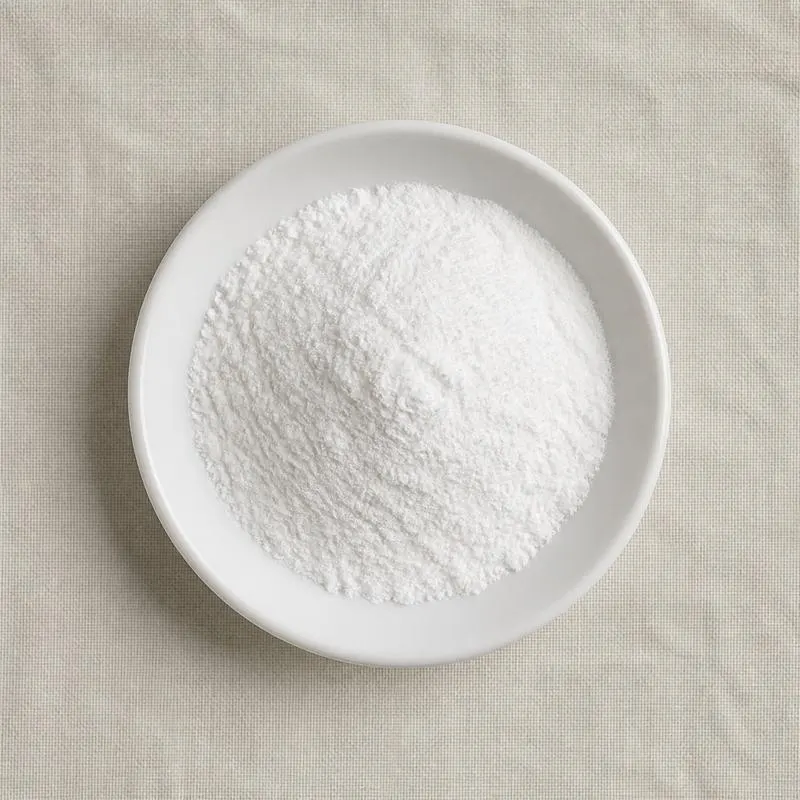
It is a pale cream to light tan powder with a faint fermented odour. The powder is dispersible in water, mildly acidic in solution, and hygroscopic enough to require sealed packaging. Ambient stability and tolerance of compression heat make it usable in lozenges, chewing gum and tabletted formats that live cultures cannot survive.
or call +86-21-6858 0751
- Function
- Probiotic
Specifications
| Item | Specification |
|---|---|
| Appearance | Pale cream to light tan powder |
| Odour | Faint fermented odour |
| Strain Identity | Multi-strain inactivated lactic acid bacteria, identity confirmed by 16S rRNA sequencing |
| Inactivated Cell Count | ≥ 1.0 × 10¹¹ cells/g |
| Residual Viable Count | Not detected (≤ 10 cfu/g) |
| Fermentate Solids | ≥ 50.0% |
| Carrier | Maltodextrin, adjusted to declared fermentate solids |
| Loss on Drying | ≤ 6.0% |
| Water Activity (25 °C) | ≤ 0.30 |
| pH (10% aqueous dispersion) | 3.5 – 5.5 |
| Particle Size | ≥ 95% through 100 mesh |
| Heavy Metals (as Pb) | ≤ 10 mg/kg |
| Total Plate Count | ≤ 1,000 cfu/g |
| Yeast and Mould | ≤ 100 cfu/g |
| Escherichia coli and Salmonella | Negative/25g |
Common Markets Grades
The material is traded as a single food-grade fermentate powder, standardised on fermentate solids and normally carried on maltodextrin. Buyers choose between a fine milled cut for lozenge and gum bases and an agglomerated free-flowing cut for sachets and direct compression.
Applications
- Oral care lozenges and buccal tablets, where the fermentate acts on the oral microbial community
- Chewing gum, which cannot support live cultures through the rolling and scoring steps
- Toothpaste and mouthrinse formulations positioned around oral flora balance
- Gastric comfort supplements taken alongside or in place of live probiotic capsules
- Shelf-stable functional beverages pasteurised after filling
- Chewable tablets and gummies where compression or gelling heat rules out live organisms
- Powder sachets for travel and digestive support, needing no cold chain
- Companion animal oral care chews and dental powders
Regulatory Status
In the United States postbiotic fermentate ingredients are marketed under GRAS determinations covering the specific production strains and the fermentation medium, rather than under a food additive regulation. The lactic acid bacteria used are established food fermentation organisms.
In the European Union an inactivated fermentate without a significant history of consumption in the Union before May 1997 falls under the novel food framework and requires authorisation before it can be placed on the market. No E number applies, because the material functions as a food ingredient rather than as an additive. Codex has no standard covering postbiotic preparations, so buyer specifications decide.
Manufacturing Process
The route is a submerged multi-strain fermentation. Each production strain is propagated separately through seed stages, then combined or run in sequence in a stirred fermenter on a sterilised carbohydrate and nitrogen medium under controlled temperature and pH. The endpoint is set by the metabolite profile of the broth rather than by viable cell count.
The finished broth is heat treated to inactivate every viable organism, then clarified, concentrated under vacuum, standardised against a carrier and spray dried. The resulting powder is sieved, blended across the lot for uniform metabolite content, and packed in moisture barrier liners.