Jasmine Sambac Abs
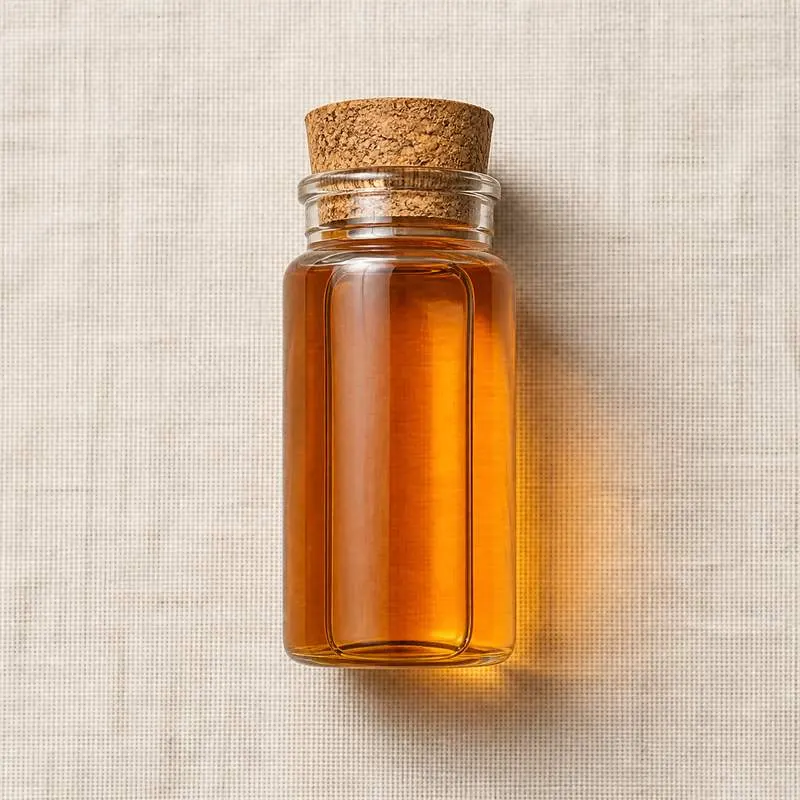
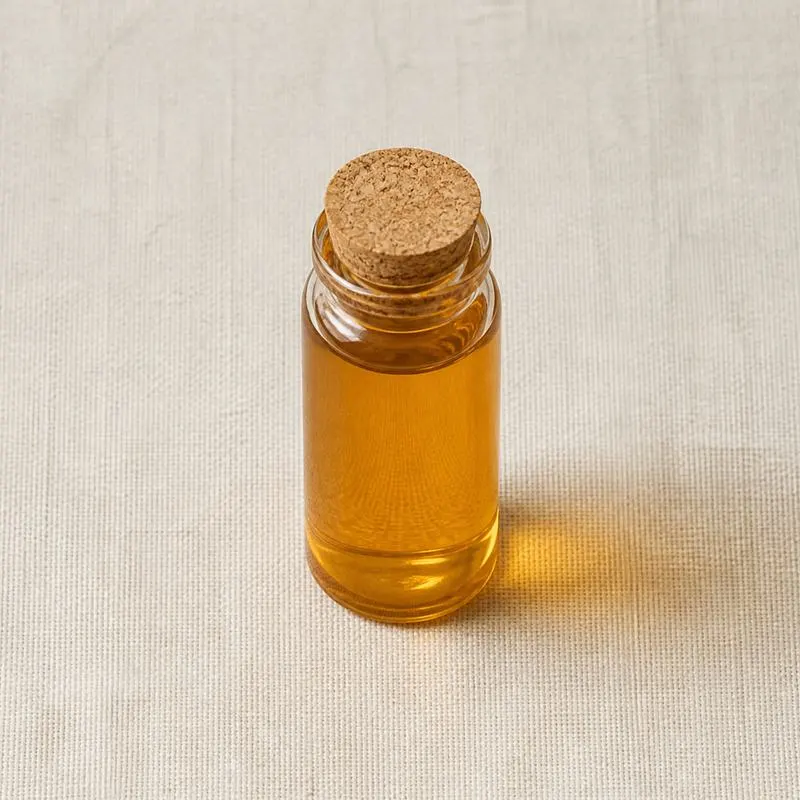
Jasmine Sambac Abs is a deep orange-brown viscous absolute produced from the freshly opened flowers of Jasminum sambac, the sambac jasmine native to South and Southeast Asia.
Compared with the more familiar Grasse jasmine (Jasminum grandiflorum), the sambac variety is brighter, fruitier, and carries a distinctive green-tea facet alongside a softer indolic backbone, which has made it a signature note in modern white-floral perfumery.
We source bulk Jasmine Sambac Abs from top China manufacturers for our partners. The manufacturer is in Guangdong. A smaller requirement can ship in a combined container with other ingredients.
Please send the grade you need, the volume and your destination port, and we will come back with a solution and a price.
or call +86-21-6858 0751
- Packaging
- 250 kg plastic drum or 1,000 kg IBC tote
- ISO 9001
- HACCP
- Halal
- Kosher
Specifications
| Item | Specification |
|---|---|
| Appearance | Dark brown to orange viscous liquid |
| Odour | Warm, sweet, intensely floral jasmine with fruity and green tea facets over a soft indolic base |
| Benzyl Acetate (by GC) | 15.0% – 25.0% |
| Linalool (by GC) | 8.0% – 18.0% |
| Benzyl Benzoate (by GC) | 2.0% – 8.0% |
| Indole (by GC) | 1.0% – 5.0% |
| Methyl Anthranilate (by GC) | 1.0% – 6.0% |
| Specific Gravity (20 °C) | 0.960 – 1.050 |
| Refractive Index (20 °C) | 1.490 – 1.525 |
| Optical Rotation (20 °C) | -3° to +5° |
| Acid Value | ≤ 15 mg KOH/g |
| Ester Value | 90 – 160 |
| Solubility in Ethanol (20 °C) | Clear solution in 1 volume of 95% ethanol |
| Residual Solvent (hexane) | ≤ 10 mg/kg |
| Heavy Metals (as Pb) | ≤ 10 mg/kg |
Common Markets Grades
Jasmine Sambac Abs is produced in several grades reflecting extraction and processing.
Standard absolute is produced by hexane extraction of fresh flowers followed by ethanol washing of the concrete. It is a thick orange-brown to red-brown liquid with a rich, almost liqueur-like jasmine character.
Decolorised absolute is treated to lighten the colour for use in transparent or pale-coloured finished products, with minimal loss of olfactive impact.
Molecular distillation grade is a clear, low-viscosity fraction that retains the lighter floral and fruity volatiles while removing waxes and pigments. It is the preferred grade for fine fragrance and clear cosmetic bases.
CO₂ extract is an alternative grade produced by supercritical carbon dioxide extraction. It is solvent-free and captures a slightly different volatile profile, often perceived as fresher and closer to the living flower.
All grades are accompanied by gas chromatography analysis confirming the typical ratios of benzyl acetate, linalool, benzyl alcohol, methyl anthranilate, indole, and the cis-jasmone-related ketones.
Applications
- Fine fragrance heart notes for white floral, oriental, chypre, and modern fruity-floral compositions
- Prestige soap and bar soap perfumery
- High-end shampoo and conditioner fragrancing
- Body care, lotion, and prestige skincare scenting
- Niche and artisan extraits and parfum concentrations
- Aromatherapy preparations positioned around mood support
- Solid perfume and balm fragrancing
- Tea flavour compounding for jasmine green tea and scented tea blends
- Confectionery and dessert flavour accents in trace amounts
- Candle and home-fragrance prestige collections
- Reconstruction work as the benchmark for sambac jasmine accords
China Manufacturers of Jasmine Sambac Abs
Top Jasmine Sambac Abs manufacturers in China.
Company names and logos are the property of the manufacturers themselves. They are listed here because our own directory records them as producing this ingredient. A listing is not an endorsement by them, and we do not represent them or speak on their behalf.
How We Help Source Jasmine Sambac Abs
Direct Factory Sourcing
We run the whole process: selecting the manufacturer from the top Chinese food ingredient producers, negotiating the price, verifying quality, and coordinating the logistics. You deal with us instead of with several factories at once.
Original Packaging and Documents from the Manufacturer
The manufacturer sends your Jasmine Sambac Abs out of its own factory in the original packing, through to your destination port. The COA, COO, MSDS, TDS and any certifications reach you from the manufacturer as well.
Free Samples and Lead Time
We send 100 to 500 g free for your own laboratory to test and you cover only the courier, usually within 2 to 3 working days. ETD is usually within 7 to 15 days once the order is confirmed, and we check that date against the factory's own manufacturing schedule before we give it to you.
Combined Shipment
We can load Jasmine Sambac Abs together with other ingredients such as Capsicum Oleoresin, Ethyl Maltol and White Pepper into one 20' FCL. If your quantity is small, we can also ship LCL.
Regulatory Status
Jasmine Sambac Abs is recognised by IFRA as a natural complex substance with category-specific use guidance based on the contained allergens.
Under the European Union cosmetic regulation, label declaration is required for the contained allergens benzyl alcohol, benzyl benzoate, benzyl salicylate, linalool, farnesol, and others when present above standard thresholds.
FEMA recognises jasmine absolute as a natural flavouring substance suitable for use at low ppm levels in tea, confectionery, and beverage flavour applications. The European Union accepts it as a natural flavouring complex.
The material is REACH-registered as a natural complex substance and is listed on EINECS as jasmine flower extract. Organic, kosher, and halal certifications can be supported depending on the production chain and extraction solvent.
Manufacturing Process
Sambac flowers are hand-picked in the late afternoon and evening, since the buds open and release their volatiles after sunset. India (Tamil Nadu, Karnataka), China (Fujian, Guangxi), Egypt, and the Philippines are the principal producing regions.
Freshly picked flowers are loaded into extractors and washed with food-grade hexane within hours of harvest to preserve the delicate fruity-green top notes. The solvent extract is filtered and concentrated to yield the concrete, a waxy fragrant mass.
The concrete is then stirred with warm ethanol, which dissolves the aromatic absolute fraction while leaving the inert vegetable waxes behind on chilling and filtration. The ethanol is removed under reduced pressure to yield the absolute.
Yield is typically 0.10 to 0.18 percent absolute by weight of fresh flowers, which translates to roughly one kilogram of absolute for every 600 to 1,000 kilograms of flowers. This low yield, combined with the labor-intensive hand harvest, is why the material sells at the price it does.
CO₂ extraction is an alternative production route that uses supercritical carbon dioxide as the extraction solvent. It avoids hydrocarbon residues entirely and is increasingly favored for prestige natural and food-grade applications.