Lac Colour
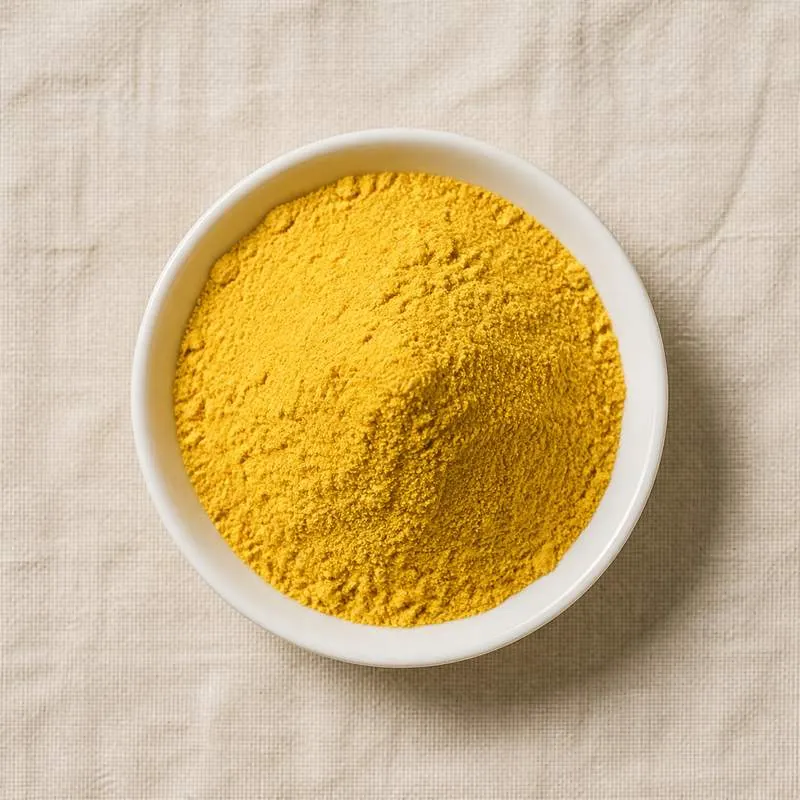
Lac Colour is a red to orange-red natural colourant extracted from the stick lac secreted by the female lac insect (Kerria lacca). The principal pigments are a group of hydroxyanthraquinone carboxylic acids known collectively as laccaic acids, with laccaic acid A typically the most abundant.
The colourant gives clean red shades in acidic to neutral systems and shifts toward purple as pH rises. It has a long history of use in South and East Asian food applications, particularly in Japanese confectionery and processed foods.
We source bulk Lac Colour from top China manufacturers for our partners. The manufacturers are in Beijing and Hubei. A smaller requirement can ship in a combined container with other ingredients.
Please send the grade you need, the volume and your destination port, and we will come back with a solution and a price.
or call +86-21-6858 0751
- Packaging
- 20 kg fibre drum, light-shielded
- ISO 9001
- HACCP
- Halal
- Kosher
Specifications
Grades / Types Available: food grade, feed grade
| Item | Specification |
|---|---|
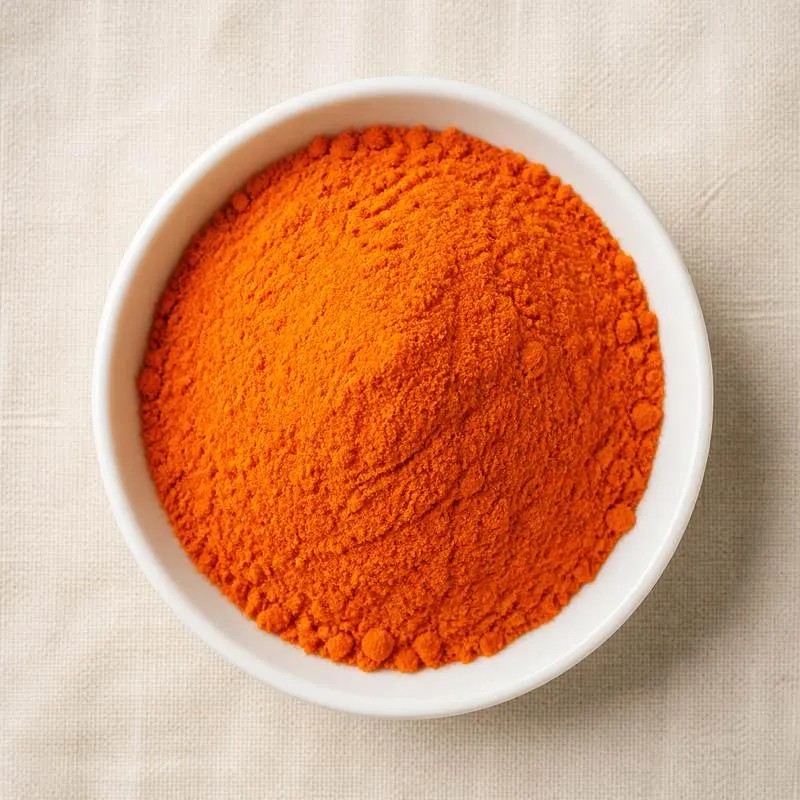
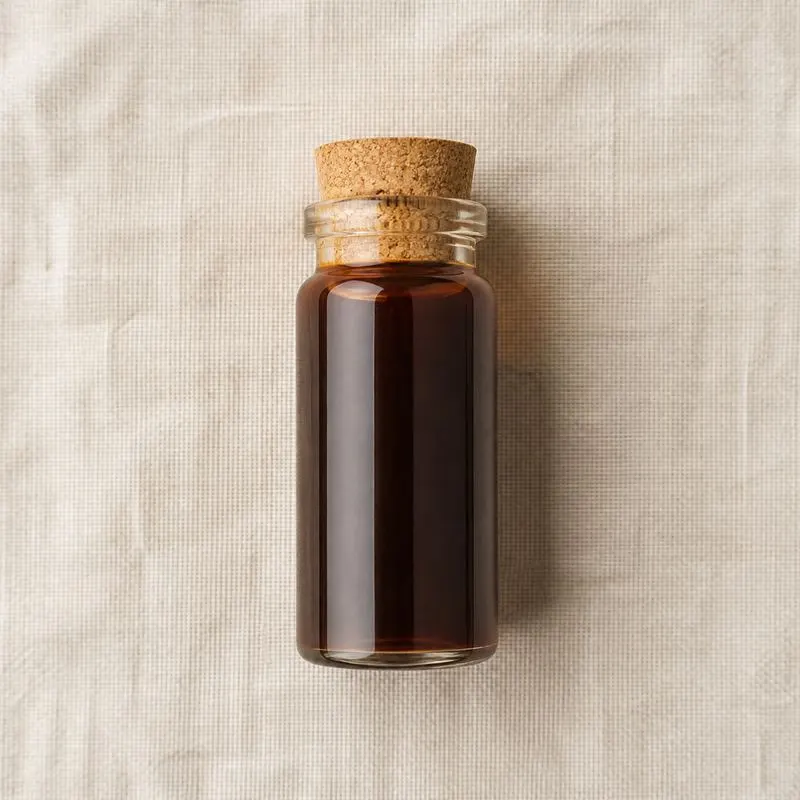
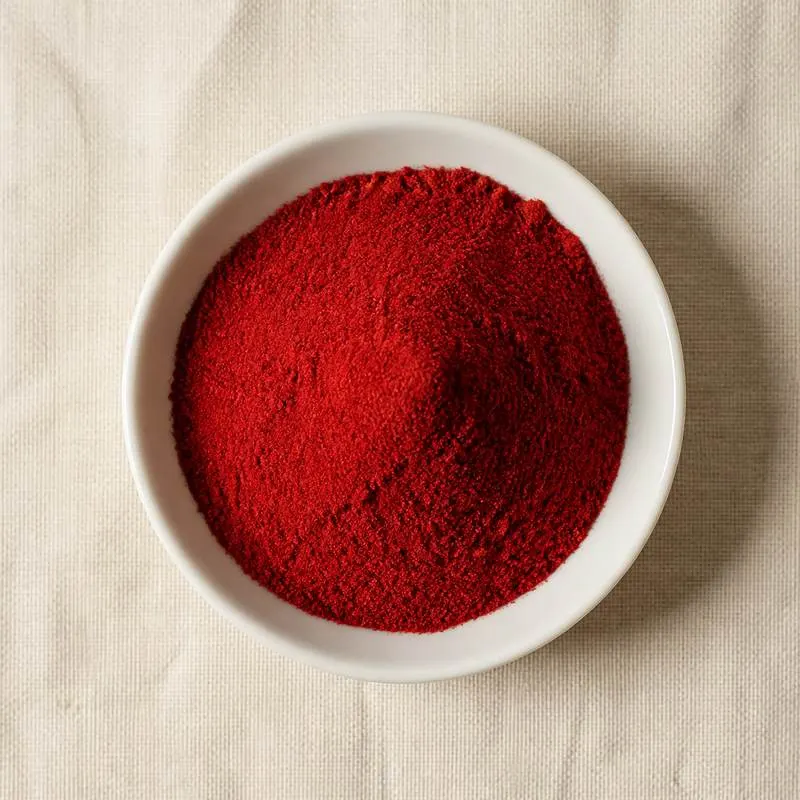
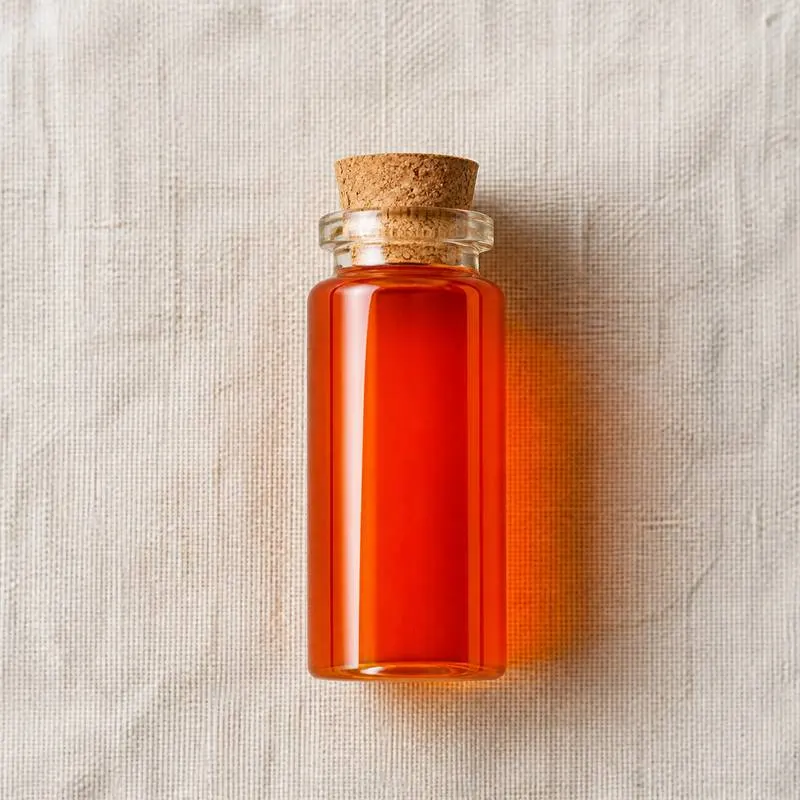
| Appearance | Dark red powder or liquid |
| Laccaic Acid Content | ≥ 40-70% (grade-dependent) |
| Moisture | ≤ 5.0% (powder) |
| pH Stability | pH 3-8 |
| Heavy Metals (as Pb) | ≤ 2 mg/kg |
| Arsenic | ≤ 1 mg/kg |
| Purity/Assay | ≥ 95% (Food Grade) |
| Viscosity | 1000-2000 mPa.s (Feed Grade) |
| Moisture/Loss on Drying | ≤ 5% (Food Grade) |
| pH | 4.0 - 6.0 (Feed Grade) |
| Particle Size/Mesh | 80 mesh (Food Grade) |
| Lead | ≤ 1 ppm (Food Grade) |
| Total Plate Count | ≤ 1000 cfu/g (Feed Grade) |
| Yeast & Mold | ≤ 100 cfu/g (Food Grade) |
Common Markets Grades
Lac Colour is specified by laccaic acid content, usually expressed as a percentage of total colour compounds or as colour units measured at 490 to 500 nm in acid solution.
Liquid grades for beverage and dairy applications are typically standardised at 1 to 5 percent total laccaic acids, formulated in acidic aqueous solution.
Powder grades on a dextrin or gum carrier range from 2 to 10 percent active pigment and serve dry mixes, tablets, and bakery uses. Higher-concentration powders at 20 to 30 percent exist for industrial blending.
Decolorised and refined grades, with shellac residues and wax removed, are preferred for clear beverages where turbidity must be avoided. Halal and kosher certifications vary by producer and certifying body because of the insect origin.
Applications
- Japanese-style confectionery including wagashi, hard candies, and sugar-coated sweets
- Surimi, kamaboko, and processed seafood for surface colouring
- Pickled vegetables (umeboshi, tsukemono) and fermented preparations
- Fruit-flavoured sodas, juices, and ready-to-drink teas
- Yogurt and fruit-preparation dairy products at low pH
- Gummies, jellies, and chewy confectionery
- Bakery icings, fillings, and decorative gels
- Sauces, dressings, and condiment bases
- Frozen desserts and sorbets in the red to pink range
- Tablet coatings and pharmaceutical preparations
- Cosmetic applications historically, especially lip and cheek colours
China Manufacturers of Lac Colour
Top Lac Colour manufacturers in China.
 Bionature Co., Ltd.8 ingredients in the directory
- Hubei Well-being Biotechnology Co., Ltd.7 ingredients in the directory
Company names and logos are the property of the manufacturers themselves. They are listed here because our own directory records them as producing this ingredient. A listing is not an endorsement by them, and we do not represent them or speak on their behalf.
How We Help Source Lac Colour
Direct Factory Sourcing
We run the whole process: selecting the manufacturer from the top Chinese food ingredient producers, negotiating the price, verifying quality, and coordinating the logistics. You deal with us instead of with several factories at once.
Original Packaging and Documents from the Manufacturer
The manufacturer sends your Lac Colour out of its own factory in the original packing, through to your destination port. The COA, COO, MSDS, TDS and any certifications reach you from the manufacturer as well.
Free Samples and Lead Time
We send 100 to 500 g free for your own laboratory to test and you cover only the courier, usually within 2 to 3 working days. ETD is usually within 7 to 15 days once the order is confirmed, and we check that date against the factory's own manufacturing schedule before we give it to you.
Combined Shipment
We can load Lac Colour together with other ingredients such as Beta Carotene, Caramel Colour and Lycopene into one 20' FCL. If your quantity is small, we can also ship LCL.
Regulatory Status
Lac Colour is permitted in Japan as an existing food additive and is widely used in Japanese food manufacturing. It is also approved in Korea, Thailand, and several other Asian markets.
The European Union has not granted lac dye a general food additive E number, and it is not currently authorised for food use under Regulation (EC) No 1333/2008. Cosmetic use is regulated separately.
The U.S. Food and Drug Administration does not list lac colour as a colour additive approved for food use. Shellac itself (the resin fraction) is approved as a glazing agent under separate provisions.
JECFA has evaluated cochineal-type and other insect-derived colours but has not issued a specific monograph for lac colour comparable to carmine. Vegan and vegetarian status is generally not claimed because the source is an insect secretion, and kosher and halal acceptance varies between certifying organisations.
Manufacturing Process
Stick lac is harvested by scraping the resinous deposits left by lac insect colonies on host trees such as Schleichera oleosa, Butea monosperma, and Ziziphus mauritiana. India and Thailand account for the majority of global supply, with smaller volumes from Vietnam, China, and Myanmar.
The crude stick lac contains roughly 65 to 75 percent resin (shellac), 5 to 8 percent dye, and the remainder wax, insect debris, and moisture.
For colourant production, stick lac is crushed and washed with warm dilute alkaline water, which dissolves the laccaic acids while leaving the shellac resin behind. The dye liquor is acidified to precipitate the pigments, then filtered and washed.
The crude dye is purified by recrystallisation or solvent partitioning to remove residual resin and wax. The finished colourant is standardised with carriers and pH-adjusted to the target specification.