Lentil Protein
Lentil protein is the concentrated protein fraction of the lentil seed, Lens culinaris, separated from the starch and fibre of the milled pulse and dried into a powder, sold either as a concentrate of around 55 to 70 percent protein or as an isolate at 80 percent and above.
Its protein is mostly globulin, the legumin and vicilin storage proteins common to pulses, with a smaller albumin fraction. The amino acid profile is high in lysine and limited in methionine and cysteine, which is why lentil protein is normally paired with a cereal protein in formulation rather than relied on alone. Compared with pea, its nearer commercial relative, lentil protein carries a milder flavour and a lighter colour, and it is chosen partly for label reasons in markets where pea and soy are already crowded.
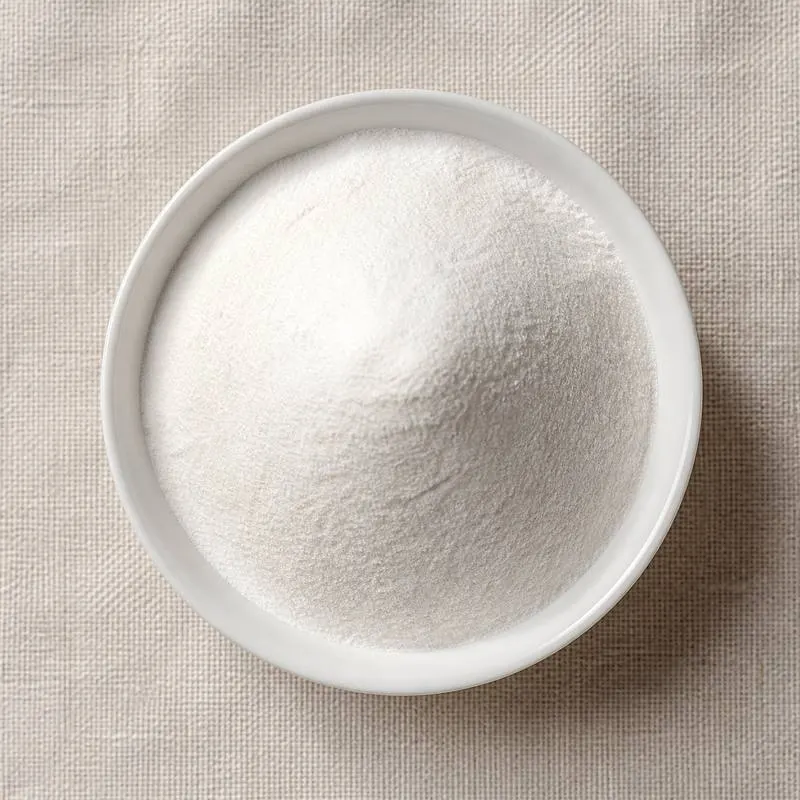
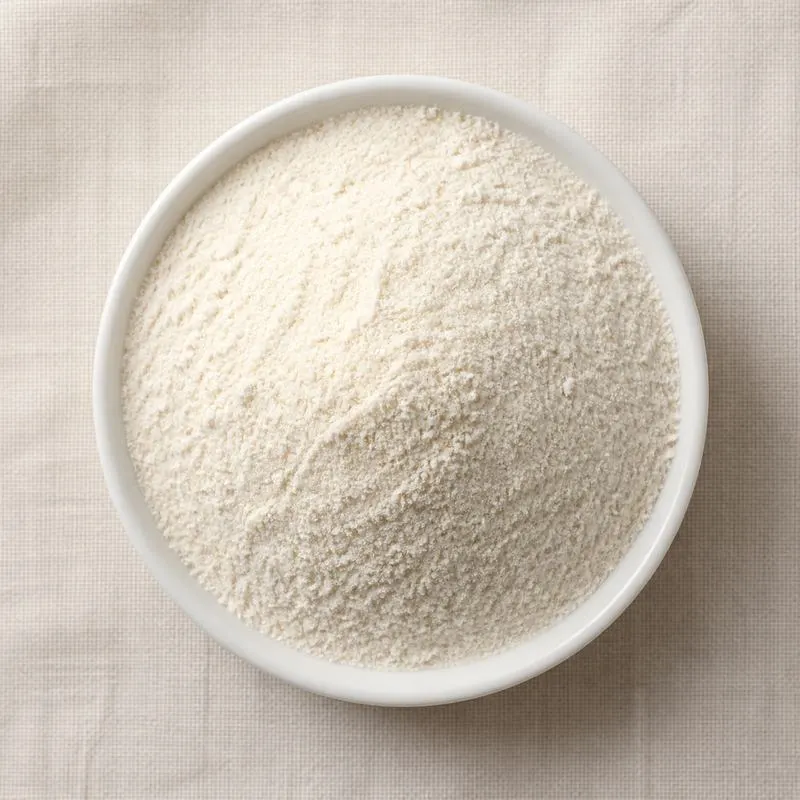
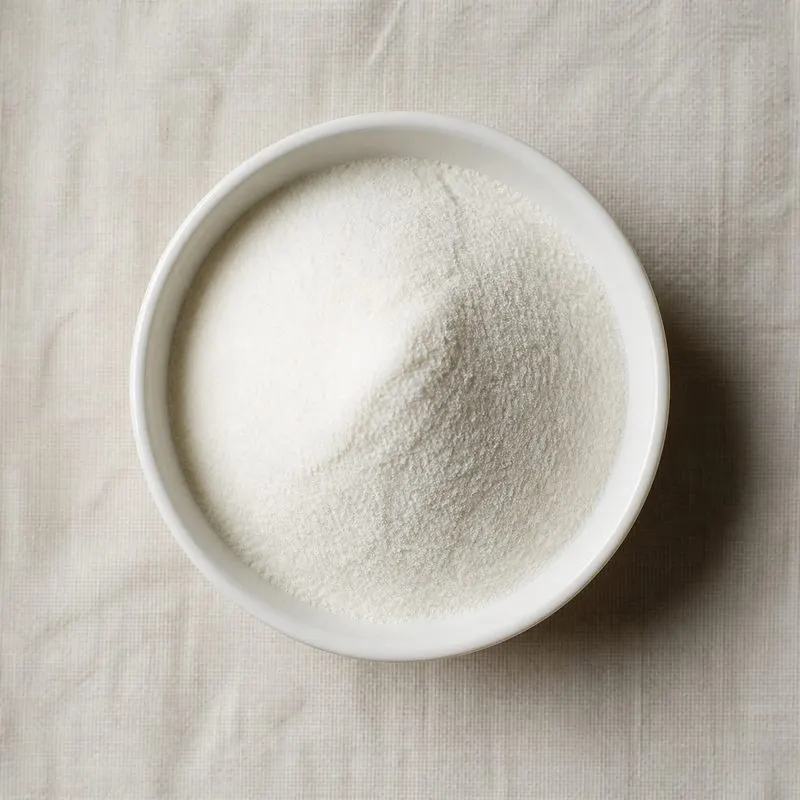
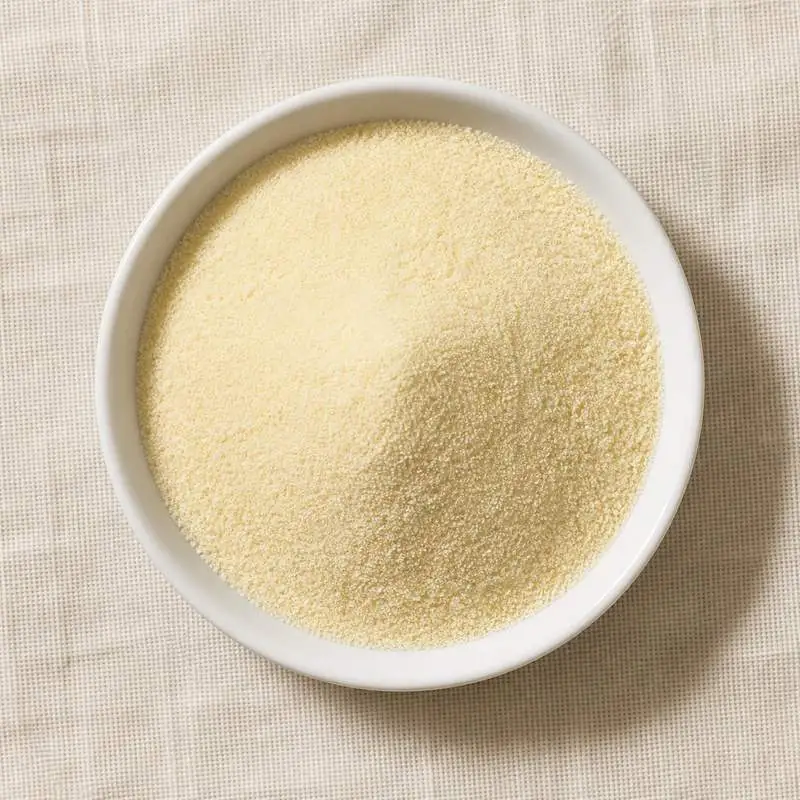
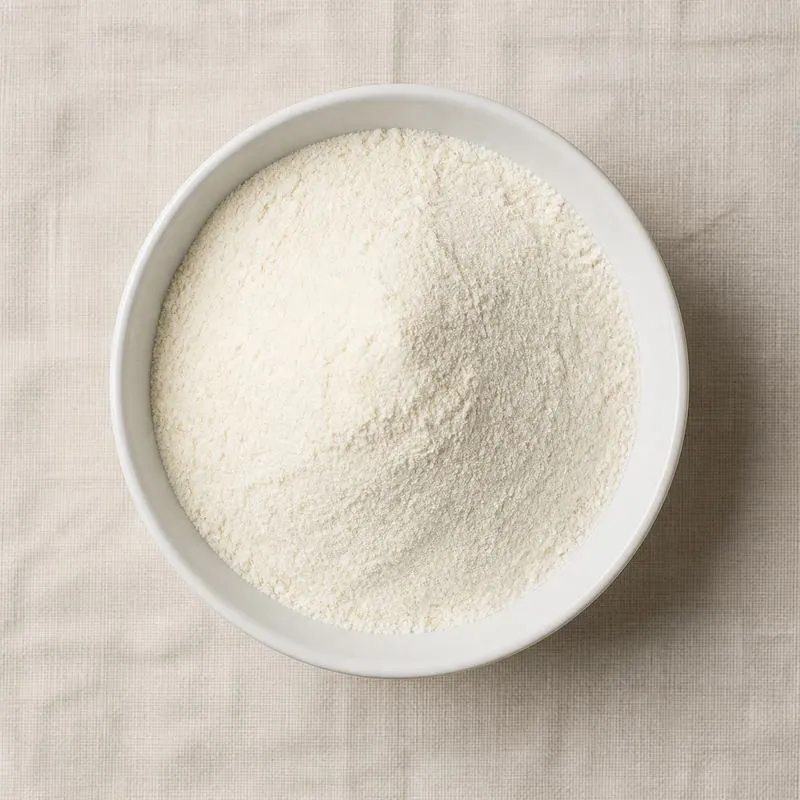
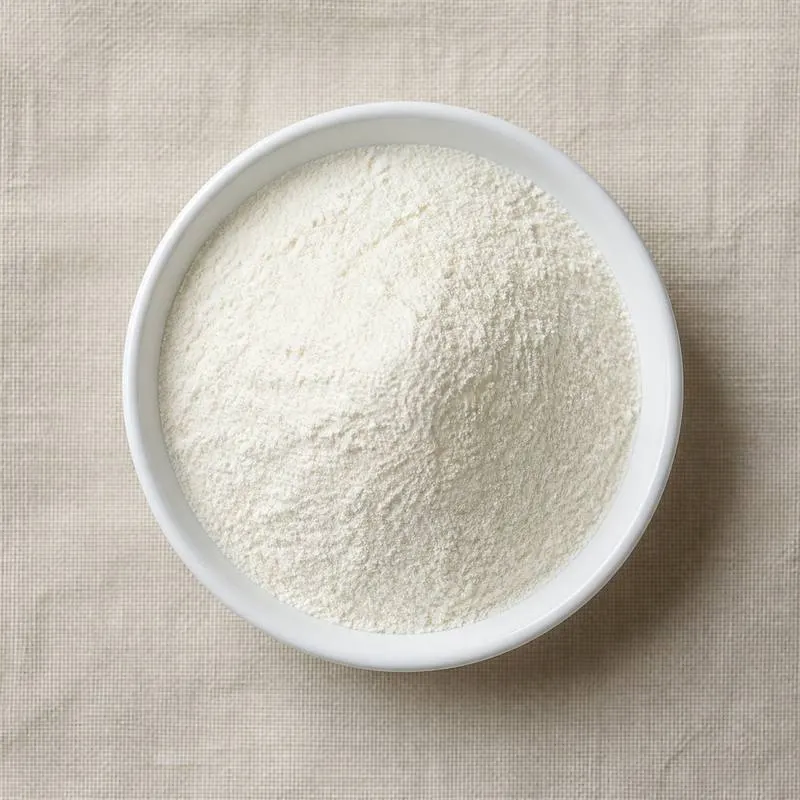
The powder is cream to light beige with a mild pulse note. Solubility follows the classic globulin curve, poor near the isoelectric region around pH 4.5 and improving above pH 7, so the ingredient disperses rather than dissolves in neutral drinks. It is bought for water and fat binding, emulsification, and heat set gelation, and it forms a firm gel when a concentrated dispersion is heated above about 80 degrees Celsius.
We source bulk Lentil Protein from top China manufacturers for our partners. The manufacturer is in Shandong. A smaller requirement can ship in a combined container with other ingredients.
Please send the grade you need, the volume and your destination port, and we will come back with a solution and a price.
or call +86-21-6858 0751
- Function
- Protein
Specifications
| Item | Specification |
|---|---|
| Appearance | Cream to light beige free flowing powder |
| Odour and Taste | Mild characteristic pulse note, free from bitter or foreign flavour |
| Protein (N x 6.25, dry basis) | Minimum 80.0% for isolate, minimum 55.0% for concentrate |
| Moisture | Maximum 8.0% |
| Fat | Maximum 3.0% |
| Ash | Maximum 7.0% |
| Crude Fibre | Maximum 3.0% |
| Particle Size | Minimum 95% through 100 mesh |
| pH (10% suspension) | 6.5 to 7.5 |
| Water Absorption | 250 to 350% of sample weight |
| Lead | Maximum 0.5 mg/kg |
| Arsenic | Maximum 0.5 mg/kg |
| Total Plate Count | Maximum 20,000 cfu/g |
| Escherichia coli and Salmonella | Absent in 25 g |
Common Markets Grades
The commercial split follows the separation route. Air classified concentrate, made dry by milling and centrifugal separation of the fine protein particles from the coarser starch, runs 55 to 65 percent protein, retains native functionality and a fuller pulse flavour, and is the cheaper grade. Wet extracted isolate, made by alkaline solubilisation and isoelectric precipitation, reaches 80 to 85 percent protein with lower flavour and lower antinutrient content, at higher cost and with a lower yield.
Within each route, buyers specify particle size, commonly 95 percent or more through a 100 mesh screen for beverage and bar work, and choose between standard, instantised and textured formats, the last produced by extrusion for meat analogue use. Organic certified lots are available, and non genetically modified status is a given rather than a specification, since no genetically modified lentil is commercially grown. Hydrolysed lentil protein, digested with proteases for solubility, is traded as a separate product rather than as a grade of the powder.
Applications
- Meat analogue patties and mince, where it binds water and fat and supports the structure formed by textured protein
- High protein bakery and snack products, raising the protein declaration in crackers, breads and extruded puffs
- Plant protein powders and blends, combined with rice or oat protein to balance the limiting sulphur amino acids
- Nutrition bars, contributing protein along with the water binding that keeps texture soft
- Soups, sauces and ready meals, used for body and emulsion stability in pulse based recipes
- Dairy alternative products, where heat set gelation gives structure to fermented and set formats
- Gluten free baking, where pulse protein improves crumb structure and moisture retention in starch heavy recipes
- Pasta and noodle products marketed on protein and fibre content
- Pet food, used as a plant protein in grain free and limited ingredient formulations
- Aquaculture feed, substituting for part of the fishmeal protein in the diet
China Manufacturers of Lentil Protein
Top Lentil Protein manufacturers in China.

Company names and logos are the property of the manufacturers themselves. They are listed here because our own directory records them as producing this ingredient. A listing is not an endorsement by them, and we do not represent them or speak on their behalf.
Regulatory Status
In the United States lentil protein is a conventional food ingredient used under good manufacturing practice, with no food additive listing required, and pulse proteins of this kind are supported by generally recognised as safe determinations for food use. Lentils are not among the major food allergens requiring declaration under the Food Allergen Labelling and Consumer Protection Act, although the ingredient is named in the ingredient statement in the ordinary way, and manufacturers frequently carry a voluntary cross contact statement where the plant also handles legumes that are listed allergens.
In the European Union lentil protein is a food ingredient rather than an additive, so it carries no E number, and lentils have a long history of consumption in Europe, which places the protein fraction outside the scope of the novel food rules when made by conventional extraction. Lentils are not listed in Annex II of Regulation (EU) No 1169/2011 and require no allergen emphasis. Extraction solvents, where any are used, fall under the directive governing extraction solvents. Codex covers the product class through its standard for vegetable protein products, which defines concentrates and isolates by minimum protein content on a dry basis, and there is no JECFA specification because the material is not an additive.
Manufacturing Process
Cleaned lentils are dehulled and milled to a fine flour. Two routes then diverge. The dry route feeds the flour to an impact mill that detaches the small protein bodies from the larger starch granules, and an air classifier separates the two by aerodynamic size, delivering a protein rich fine fraction and a starch rich coarse fraction. This route uses no water and no chemicals, and its ceiling is roughly 65 percent protein because some starch inevitably follows the protein.
The wet route disperses the flour in water and raises the pH with food grade alkali to around 8 to 9, dissolving the globulins while starch and fibre remain insoluble and are drawn off on decanter centrifuges and hydrocyclones for recovery as lentil starch and fibre. The clarified protein liquor is acidified to the isoelectric region near pH 4.5, where the protein flocculates, and the curd is recovered by centrifugation, washed to remove salts, soluble sugars and part of the antinutrient load, then neutralised so the dried powder disperses properly. A vacuum concentration step precedes spray drying, and the dried powder is milled, sieved, metal checked and packed. Textured grades are diverted before drying into a twin screw extruder, where heat and shear align the protein into fibres before cutting and drying.