Gluten
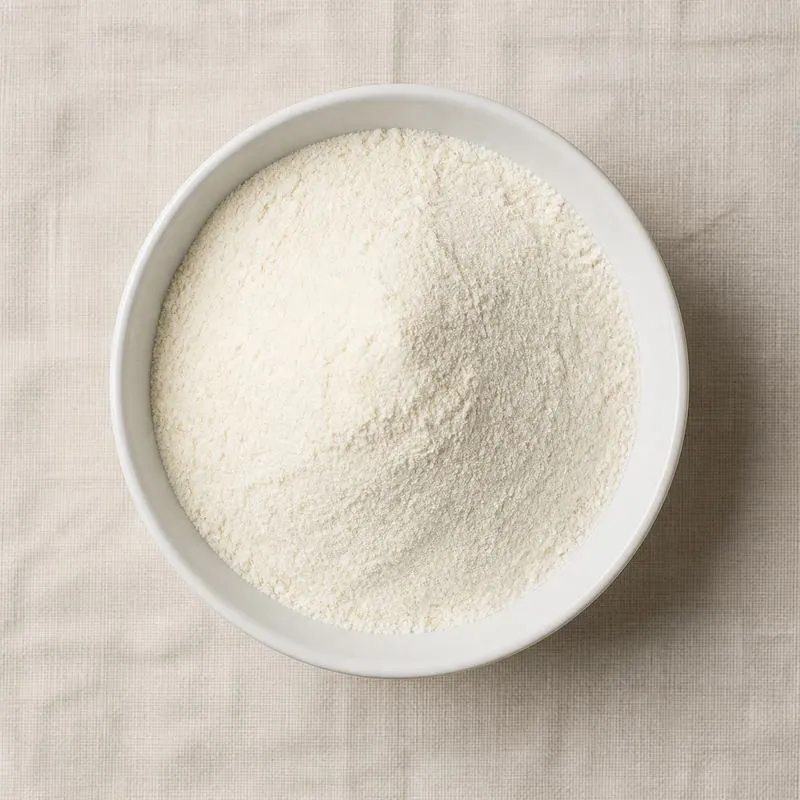
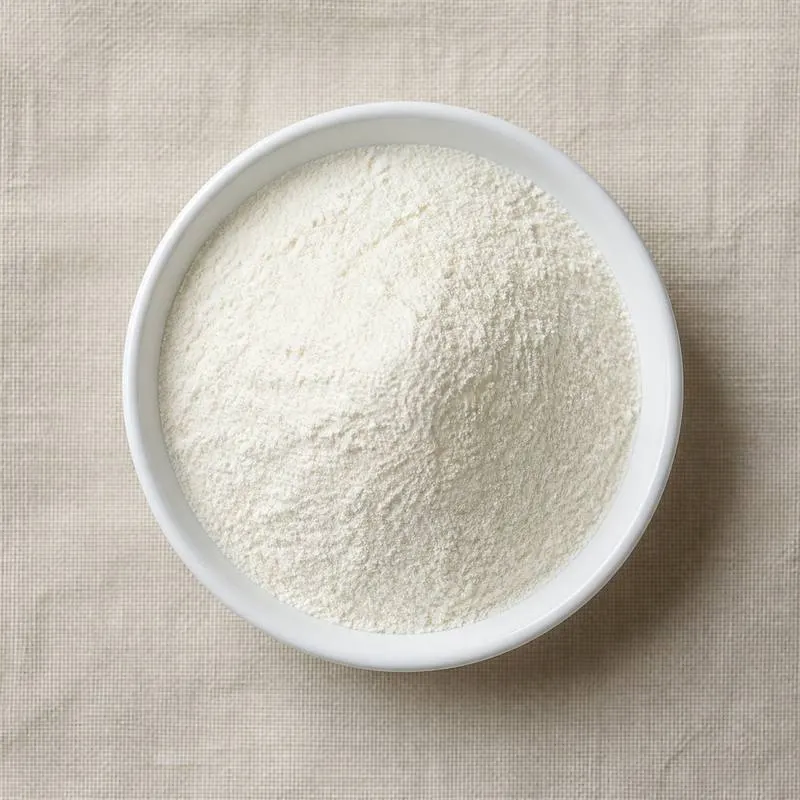
Gluten is the cohesive protein fraction of wheat, made up of the gliadin and glutenin families, separated from wheat flour by washing away the starch and dried into a free flowing powder traded as vital wheat gluten.
Its function in food is structural. Hydrated at roughly 1.5 to 2 times its own weight in water, it forms a viscoelastic mass that retains the carbon dioxide released during fermentation, which is what gives leavened dough its gas holding capacity, extensibility and open crumb. Gliadin contributes viscous flow, glutenin contributes elasticity, and the ratio between them decides how strong or how slack a dough behaves.
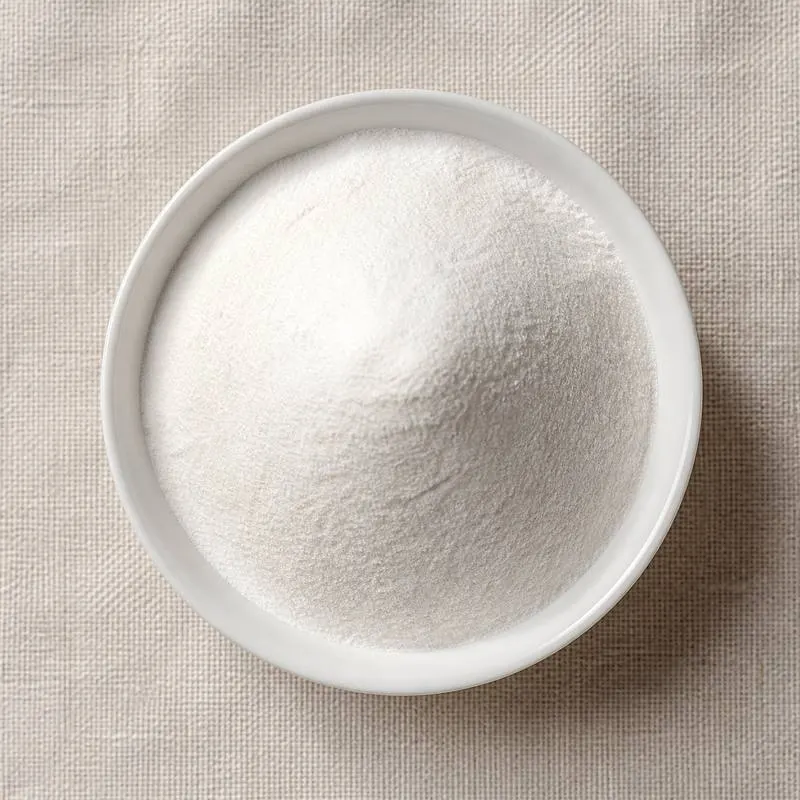
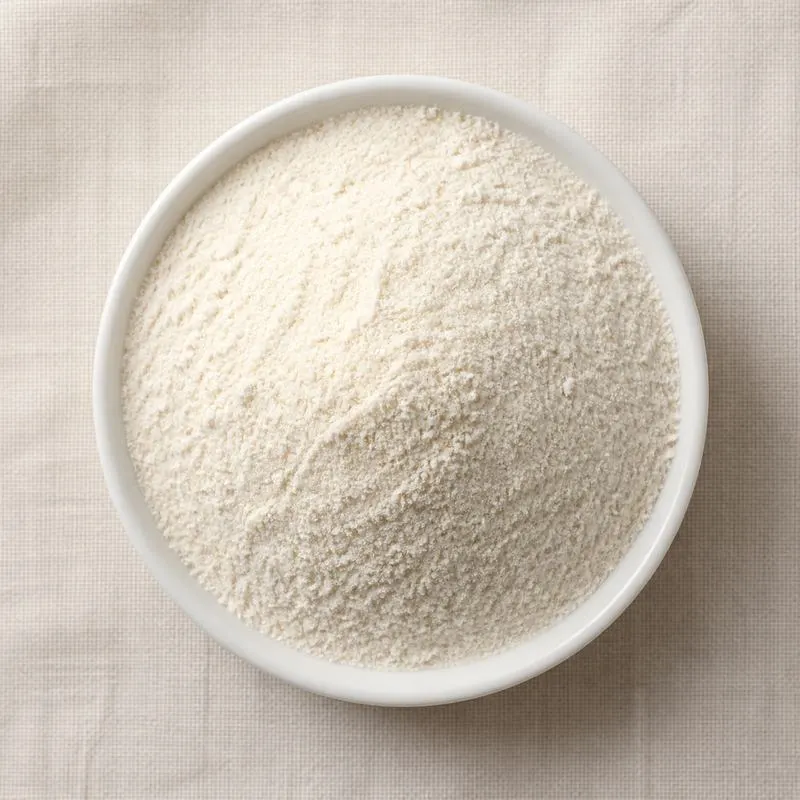
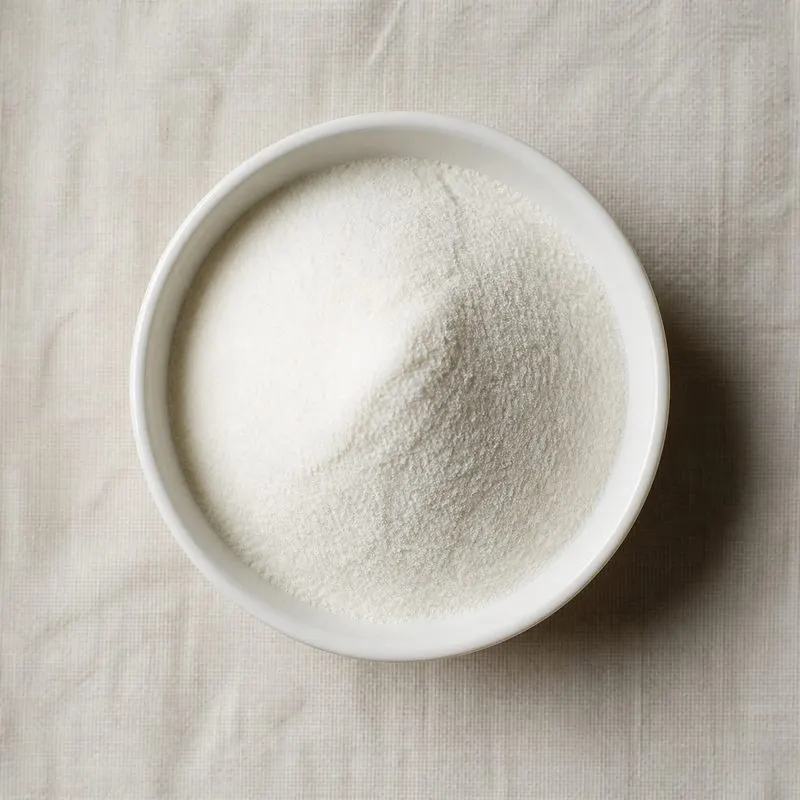
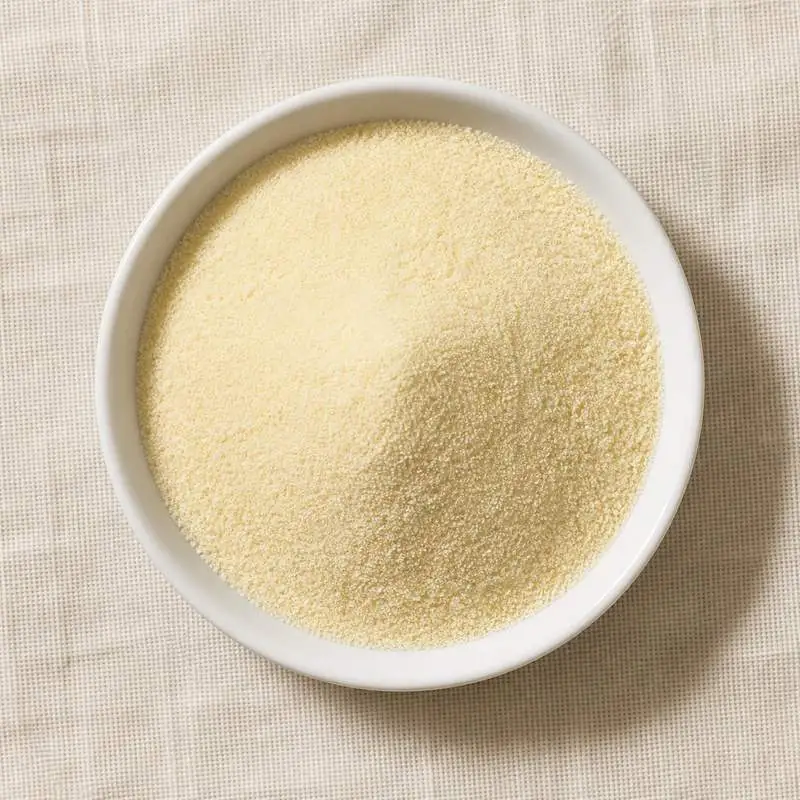
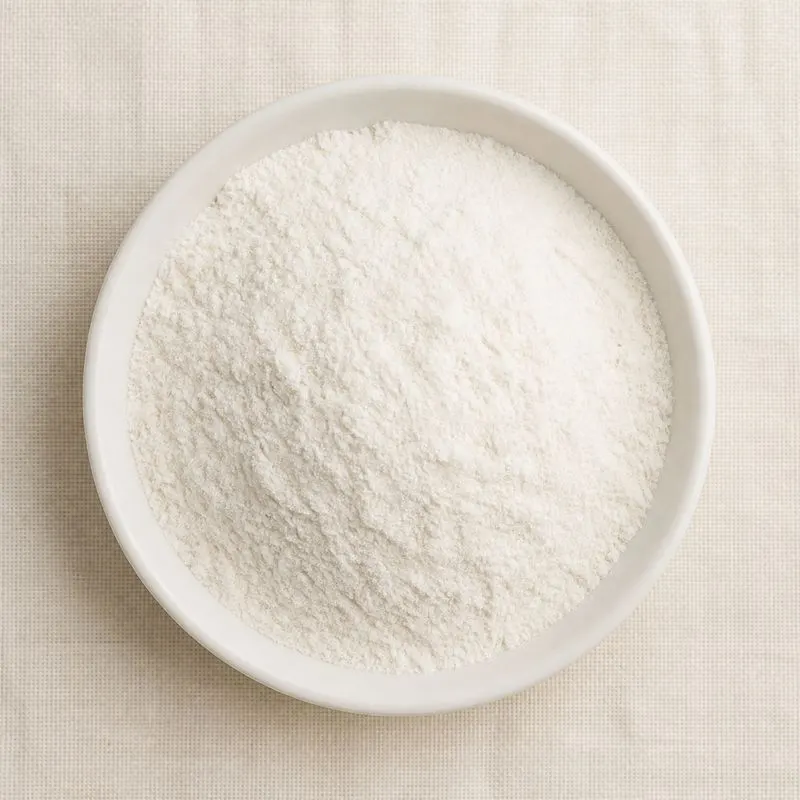
The commercial powder is cream to light tan, normally 75 to 80 percent protein as supplied, with a bland cereal odour. It is insoluble in water at neutral pH and disperses rather than dissolves, so it is dry blended into flour rather than added as a solution. The capacity to rehydrate into a network is destroyed by heat, which makes drying temperature the single variable separating vital gluten from devitalised gluten. Gluten does dissolve in dilute acid and alkali, and that behaviour is the starting point for the hydrolysed and deamidated derivatives.
We source bulk Gluten from top China manufacturers for our partners. The manufacturer is in Shandong. A smaller requirement can ship in a combined container with other ingredients.
Please send the grade you need, the volume and your destination port, and we will come back with a solution and a price.
or call +86-21-6858 0751
- Function
- Protein
Specifications
| Item | Specification |
|---|---|
| Appearance | Cream to light tan free flowing powder |
| Odour and Taste | Bland, characteristic of wheat, free from foreign odour |
| Protein (N x 6.25, dry basis) | Minimum 80.0% |
| Moisture | Maximum 9.0% |
| Ash (dry basis) | Maximum 1.0% |
| Fat (dry basis) | Maximum 2.0% |
| Starch (dry basis) | Maximum 12.0% |
| Particle Size | Minimum 95% through 100 mesh |
| Water Absorption | 150 to 180% of sample weight |
| Lead | Maximum 0.5 mg/kg |
| Arsenic | Maximum 0.5 mg/kg |
| Total Plate Count | Maximum 10,000 cfu/g |
| Yeast and Mould | Maximum 500 cfu/g |
| Salmonella | Absent in 25 g |
Common Markets Grades
Vital wheat gluten is the dominant food grade, specified on protein content and on vitality. Standard material runs 75 to 80 percent protein as supplied, or above 80 percent on a dry basis calculated as nitrogen times 6.25, with moisture near 8 percent. Buyers also specify particle size, most often 95 percent or more through a 100 mesh screen, because coarse particles hydrate unevenly and leave gel lumps in continuous dough lines.
Devitalised gluten, heat treated so that it no longer forms a network, is sold as a protein carrier and as feed material. Beyond these, the family includes hydrolysed wheat protein for savoury and cosmetic use, deamidated wheat protein with improved solubility and emulsifying behaviour, textured wheat protein for meat analogue work, and organic certified vital gluten milled from organic wheat on segregated lines. Feed grade material carries a lower protein floor and looser microbiological limits than food grade.
Applications
- Pan bread and hearth bread, where it raises the protein of weak flours so the dough holds gas through a long proof
- Frozen and part baked dough, where added gluten offsets the network damage caused by ice crystal growth during storage
- Pizza bases, where it delivers the extensibility needed for hand stretching without tearing
- Instant noodles and dried pasta made from non durum wheat, where it firms the bite and limits cooking loss into the water
- Seitan and extruded meat analogues, where hydrated gluten supplies the fibrous chew that soy and pea protein alone do not give
- High fibre and wholemeal baking, where it compensates for the bran particles that cut the dough network
- Breakfast cereal and snack pellets, where it binds the mass through extrusion and holds shape during frying or toasting
- Processed meat and surimi, where it acts as a water binding and texturising filler in emulsified products
- Aquaculture feed pellets, where it functions as both a protein source and a water stable binder
- Pet food kibble and semi moist chunks, used for binding and for meat-like texture
Brands Using Gluten
Widely-distributed consumer products that list Gluten on the ingredient label.
- Anthony's GoodsVital Wheat Gluten, 77% Protein ↗Vital wheat gluten flour sold for bread baking and seitan, listed at 77 percent protein.Label verified 2026-08-31
- Anthony's GoodsOrganic Vital Wheat Gluten ↗Certified organic vital wheat gluten, the concentrated gluten protein separated from wheat flour.Label verified 2026-08-31
- Micro IngredientsVital Wheat Gluten, 6 lb Powder ↗A bulk vital wheat gluten powder for baking and plant based meat alternatives.Label verified 2026-08-31
Brand names, product names and logos are the property of their owners. They appear here as published evidence that the ingredient is used, taken from the brand's own label or website. Their appearance is not an endorsement, and it does not mean the brand buys from us or from any manufacturer listed on this site.
China Manufacturers of Gluten
Top Gluten manufacturers in China.

Company names and logos are the property of the manufacturers themselves. They are listed here because our own directory records them as producing this ingredient. A listing is not an endorsement by them, and we do not represent them or speak on their behalf.
Regulatory Status
In the United States wheat gluten is a conventional food ingredient rather than an additive, used under general good manufacturing practice, and FDA regulations list it among the substances recognised as safe for use in food. Wheat is one of the major food allergens named in the Food Allergen Labelling and Consumer Protection Act, so any food containing gluten must declare wheat on the label. Products labelled gluten free must comply with the FDA gluten free labelling rule, which vital wheat gluten obviously cannot meet.
In the European Union gluten carries no E number because it is treated as a food ingredient and not as an additive. Cereals containing gluten appear in Annex II of Regulation (EU) No 1169/2011 and must be emphasised in the ingredient list wherever they occur. Codex Alimentarius sets a specific standard for wheat protein products including wheat gluten, which defines vital wheat gluten by a minimum protein content on a dry basis and by its ability to form a cohesive mass on hydration, and Codex also fixes the limits that define gluten free and very low gluten claims.
Manufacturing Process
Manufacture starts from wheat flour, usually a medium protein bread flour, mixed with water into a stiff dough and rested so the protein hydrates fully. The dough then passes into a washing stage where mechanical work and a counter current water stream carry the starch granules and the water soluble pentosans away from the protein mass. Older plants run the classical dough washing route, while most modern lines use a batter process in which a soft dough is diluted and separated on decanter centrifuges and hydrocyclones, which improves starch recovery from the same wheat.
The recovered gluten curd leaves the separation stage at high moisture and is dewatered on a screen or screw press, then dried. Drying is the critical operation, because holding wet gluten above roughly 70 degrees Celsius denatures it. Ring or flash dryers with a very short residence time are standard, with the wet curd dispersed into a hot air stream and dried within seconds before recirculated dry powder tempers the mix. The dried product is milled, sieved to the target mesh, cooled and packed, while the separated starch stream is recovered in parallel as wheat starch and as a glucose feedstock.