Linseed Oil
Linseed oil is the oil pressed from the seed of Linum usitatissimum. It is the same botanical oil as flaxseed oil, and the two names divide by trade rather than by species: linseed is the name used for the technical drying oil and for the feed and industrial trade, flaxseed for the edible and supplement trade.
The oil contains 50 to 60 percent alpha linolenic acid, a fatty acid with three double bonds, and this is what makes it a drying oil. On exposure to air the double bonds take up oxygen and the molecules crosslink into a tough, insoluble film, a process accelerated by heat, light and metal driers. An iodine value around 170 to 200 places it among the most reactive of the commercial oils, and it is that reactivity rather than any nutritional property that defines the industrial article.
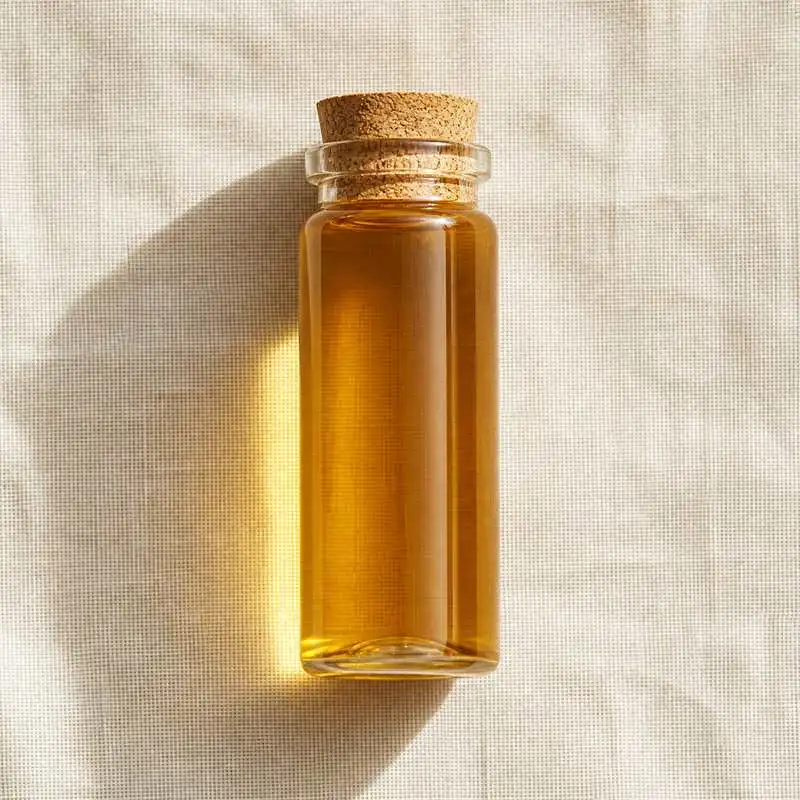
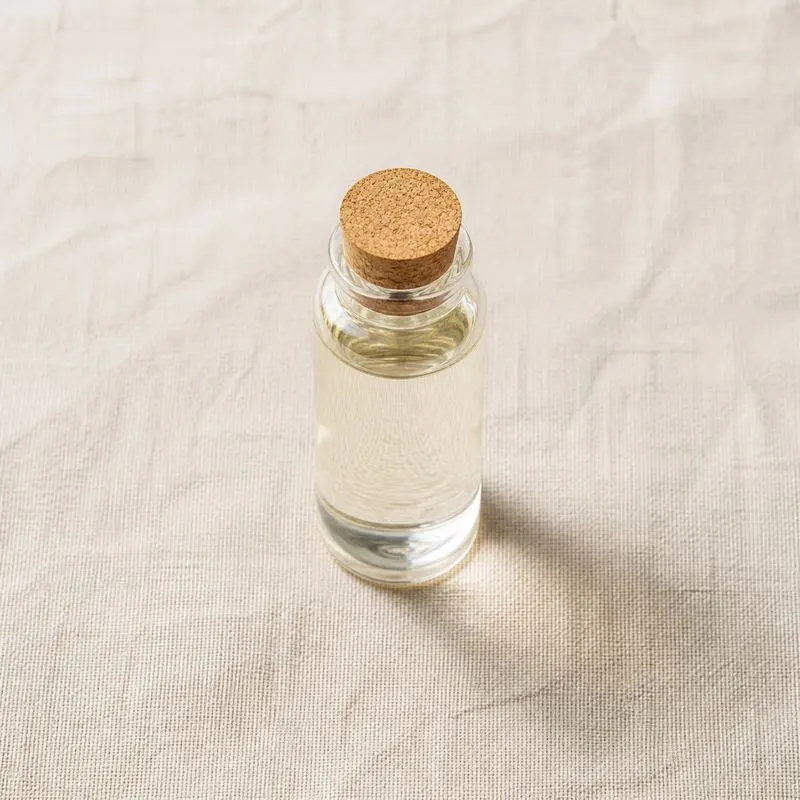
Raw linseed oil is a clear golden to amber liquid, insoluble in water, miscible with hydrocarbons and other oils, and thin enough to penetrate wood readily. Left in a thin film it dries to a flexible resinous coating over days; in a thick pool it skins over and stays soft underneath. The oxidation reaction is exothermic, which is why rags soaked in the oil can self-heat and ignite, and why waste handling is a real hazard in workshops using it.
We source bulk Linseed Oil from top China manufacturers for our partners. The manufacturer is in Xinjiang. A smaller requirement can ship in a combined container with other ingredients.
Please send the grade you need, the volume and your destination port, and we will come back with a solution and a price.
or call +86-21-6858 0751
- Function
- Specialty oil
Specifications
| Item | Specification |
|---|---|
| Appearance | Clear golden to amber oily liquid, free from sediment |
| Odour | Characteristic, free from rancid or solvent notes |
| Alpha Linolenic Acid | 50.0 to 60.0% |
| Identification | Conforms by gas chromatography fatty acid profile |
| Iodine Value | 170 to 203 |
| Acid Value | ≤ 2.0 mg KOH/g raw, ≤ 0.3 refined |
| Saponification Value | 188 to 196 mg KOH/g |
| Unsaponifiable Matter | ≤ 1.5% |
| Moisture and Volatiles | ≤ 0.2% |
| Insoluble Impurities | ≤ 0.05% |
| Viscosity at 25 C | 40 to 60 mPa·s for raw oil |
| Colour (Gardner) | ≤ 8 |
| Relative Density at 20 C | 0.925 to 0.935 |
| Refractive Index at 20 C | 1.480 to 1.487 |
| Flash Point | ≥ 220 C |
| Residual Hexane (extracted grades) | ≤ 10 mg/kg |
Common Markets Grades
The technical trade recognises several distinct products from the same seed. Raw linseed oil is filtered press oil with nothing added, and dries slowly. Boiled linseed oil is not usually boiled at all in modern practice but is raw oil dosed with metallic driers, typically cobalt, manganese or zirconium salts, which cut drying time from days to hours. Blown oil has been partially oxidised by air injection to raise viscosity, and stand oil has been heat polymerised under vacuum without oxygen to give a thick, slow drying, high gloss oil for fine finishes and printing inks.
Alongside these, refined and alkali refined grades are made for putty, linoleum and paint manufacture where colour and acid value matter, and food and feed grade oil is produced to the same standards as edible flaxseed oil. The commercial specification for technical grades is written around colour, acid value, iodine value, viscosity and drying time rather than around fatty acid assay, and grades carrying metallic driers are not interchangeable with those that do not.
Applications
- Oil paints and alkyd resin manufacture, as the drying oil binder that forms the film
- Wood finishing and preservation, where the oil penetrates the grain and cures in place
- Glazing putty, where it binds the chalk filler and hardens in the rebate
- Linoleum flooring, in which oxidised linseed oil is the binder for cork and wood flour
- Printing inks, particularly stand oil grades for lithographic and offset work
- Concrete curing and form release, using the film forming behaviour
- Leather dressing and rope treatment, as a water repellent conditioner
- Animal feed, where the oil and the press cake raise the alpha linolenic acid content of milk, eggs and meat
- Soap and oleochemical manufacture, as a source of highly unsaturated fatty acids
- Food and supplement use under the flaxseed oil name, where the oil is made to edible standards
Brands Using Linseed Oil
Widely-distributed consumer products that list Linseed Oil on the ingredient label.
- Viridian NutritionOrganic Flaxseed Oil ↗A bottled cold pressed oil described on the page as 100% organic flaxseed oil, also called linseed oil, from first cold pressed seed only.Label verified 2026-08-31
- Neal's Yard RemediesFrankincense Intense Lift Cream 50ml ↗A face cream that uses a high concentration of linseed oil to help re-densify thinning skin alongside a plant based peptide complex.Label verified 2026-08-31
Brand names, product names and logos are the property of their owners. They appear here as published evidence that the ingredient is used, taken from the brand's own label or website. Their appearance is not an endorsement, and it does not mean the brand buys from us or from any manufacturer listed on this site.
China Manufacturers of Linseed Oil
Top Linseed Oil manufacturers in China.

Company names and logos are the property of the manufacturers themselves. They are listed here because our own directory records them as producing this ingredient. A listing is not an endorsement by them, and we do not represent them or speak on their behalf.
Regulatory Status
Technical linseed oil is an industrial chemical rather than a food, and grades containing metallic driers, boiled oil in particular, are not permitted in food contact or food use. In the United States, food grade linseed and flaxseed oil is used on the basis of common use in food, supported by GRAS notifications to which the FDA responded without objection for defined food uses, while industrial grades fall outside that framework entirely and carry hazard labelling appropriate to a combustible oil. Linseed oil used in animal feed is subject to the FDA animal food rules and the ingredient definitions maintained by the association of state feed control officials.
In the European Union, edible flaxseed oil is a food and carries no E number, while technical oil is covered by the chemicals framework, with metallic driers subject to their own classification and labelling. Linseed oil and linseed cake used in feed are listed in the feed materials catalogue and are subject to the feed hygiene rules and to the undesirable substances directive, which is relevant because flaxseed carries cyanogenic glycosides that concentrate in the meal rather than the oil. Codex has adopted a standard for named vegetable oils covering linseed oil for food use, setting fatty acid composition ranges and quality criteria; technical grades are outside its scope.
Manufacturing Process
Cleaned and graded seed is conditioned to a set moisture, flaked between rollers and warmed in a stack cooker, then pressed in continuous screw expellers. Hot pressing recovers most of the oil and leaves a cake that is generally solvent extracted with hexane to bring residual oil to a few percent; the extracted cake is desolventised and sold as linseed meal for feed. Cold pressing without heat is used where an edible or artist grade oil is wanted, at lower yield.
The crude oil is settled and filtered to remove seed fines and mucilage. For raw technical oil that is essentially the end of the process. For refined grades the oil is degummed with water or acid to precipitate the phospholipids, alkali neutralised to remove free fatty acids as soapstock, and bleached on activated earth to lift colour; edible grades are then deodorised by steam stripping under deep vacuum at the lowest workable temperature, since high temperatures isomerise alpha linolenic acid. Boiled oil is made by blending metallic driers into refined or raw oil at moderate temperature. Stand oil is produced by heating the oil to around 280 to 300 degrees Celsius under vacuum or nitrogen for several hours, which polymerises the triglycerides through Diels-Alder addition without oxidation, raising viscosity sharply. Blown oil is made instead by bubbling air through warm oil until the target viscosity is reached.