Multi-Spices Oleoresin
Multi-spices oleoresin is a blended spice extract, made by solvent extracting several dried spices and combining the resulting oleoresins to a fixed aroma profile. Each oleoresin carries both the volatile oil that gives the spice its top note and the non volatile resinous fraction that carries the deeper flavour and, in the case of capsicum or ginger, the pungency, so the extract reproduces the whole character of the spice rather than only its smell.
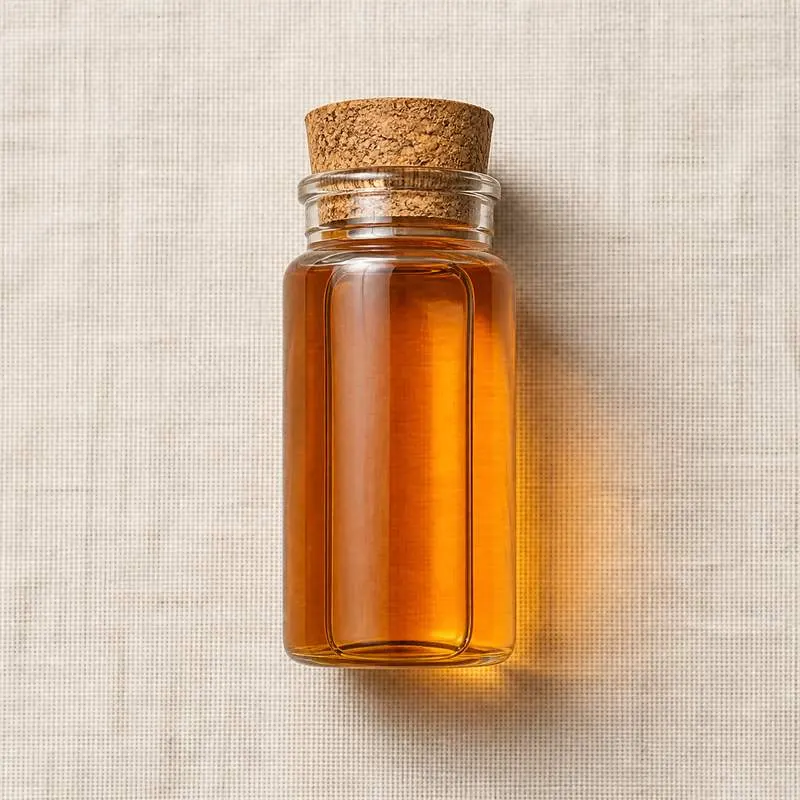
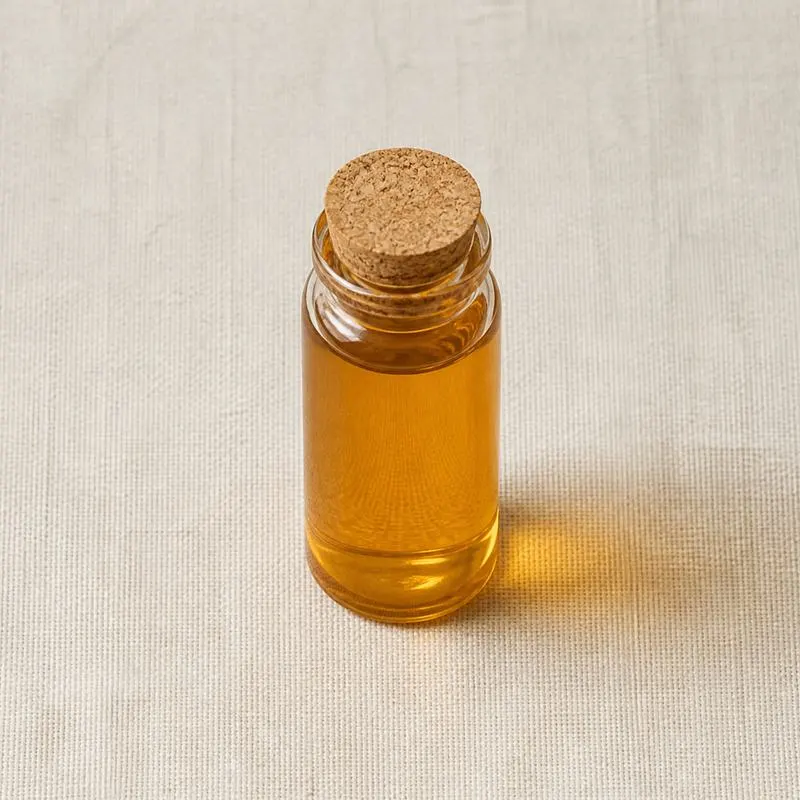
The material is a viscous dark liquid, brown to reddish brown, with a concentrated aroma many times the strength of the ground spice it replaces. Typical replacement ratios run from twenty to a hundred parts of ground spice per part of oleoresin depending on the botanicals in the blend.
Oleoresins are oil soluble and water dispersible only after emulsification. Trade material is therefore often sold already standardised on a food grade diluent such as vegetable oil, propylene glycol or polysorbate, or plated onto salt, dextrose or silica to give a free flowing dry soluble powder. The concentrate is sensitive to heat and light and separates on standing, so it is warmed and homogenised before dosing.
We source bulk Multi-Spices Oleoresin from top China manufacturers for our partners. The manufacturer is in Shaanxi. A smaller requirement can ship in a combined container with other ingredients.
Please send the grade you need, the volume and your destination port, and we will come back with a solution and a price.
or call +86-21-6858 0751
- Function
- Flavours and Aromas
Specifications
| Item | Specification |
|---|---|
| Appearance | Viscous homogeneous liquid, separation on standing permitted |
| Colour | Brown to dark reddish brown |
| Odour and flavour | Characteristic of the spice blend, true to reference sample |
| Total volatile oil | 10.0 to 15.0 ml per 100 g (grade dependent) |
| Refractive index at 20 degrees Celsius | 1.4800 to 1.5200 |
| Relative density at 25 degrees Celsius | 0.930 to 1.050 |
| Moisture | 2.0 percent maximum |
| Residual solvent (hexane) | 25 mg/kg maximum |
| Lead | 2.0 mg/kg maximum |
| Arsenic | 1.0 mg/kg maximum |
| Total plate count | 1,000 cfu/g maximum |
| Yeast and mould | 100 cfu/g maximum |
| E. coli | Absent in 1 g |
| Salmonella | Absent in 25 g |
Common Markets Grades
Blended oleoresins are traded by declared volatile oil content and, where a pungent spice is present, by pungency expressed in Scoville heat units for capsicum or as gingerol content for ginger. A typical liquid grade is specified at a fixed volatile oil percentage with a tolerance band, and batches are cut with refined vegetable oil to land on that figure.
The usual commercial positions are the neat extract, which is the strongest and hardest to handle, dispersed liquid grades in vegetable oil or propylene glycol for direct dosing into sauces and emulsions, water dispersible grades emulsified with polysorbate for beverages and brines, and dry soluble or encapsulated powders plated on a carrier for dry seasoning blends. Solvent choice separates hexane and acetone extracted material from carbon dioxide extracted grades, the latter sold where a residual solvent free claim is required.
Applications
- Instant noodle and soup base seasonings, where the extract replaces bulky ground spice in a small sachet
- Sausage and emulsified meat products, giving a uniform spice level without visible particles
- Retorted and canned foods, where ground spice would introduce a microbiological load the extract does not
- Snack seasonings, applied as a dry soluble powder in the topical blend
- Sauces, dressings and mayonnaise, dosed as an oil dispersed liquid that stays in the fat phase
- Marinades and brines for poultry, using a water dispersible grade so the extract carries through the injection
- Ready meals and frozen entrees, for consistent flavour across production runs and crop years
- Pet food palatants, where concentrated aroma is applied to a coating fat
- Bouillon cubes and stock powders, for spice character at low inclusion
China Manufacturers of Multi-Spices Oleoresin
Top Multi-Spices Oleoresin manufacturers in China.
Company names and logos are the property of the manufacturers themselves. They are listed here because our own directory records them as producing this ingredient. A listing is not an endorsement by them, and we do not represent them or speak on their behalf.
Regulatory Status
In the United States spice oleoresins are treated as natural flavouring extractives. 21 CFR 182.10 and 182.20 list them among the spices, oleoresins and natural extractives generally recognised as safe for their intended use in food, and individual oleoresins also hold FEMA GRAS status. Extraction solvents are controlled as secondary direct additives, with residual solvent limits set for hexane and the other permitted solvents, and any carrier or emulsifier used in a dispersed grade must itself be a permitted food ingredient.
In the European Union spice oleoresins are flavouring preparations of vegetable origin under Regulation (EC) No 1334/2008, so they take no E number, while the extraction solvents Directive controls the extraction solvent and any added emulsifier or carrier counts as an additive in its own right. The Joint FAO and WHO Expert Committee on Food Additives has evaluated the major spice extracts, and Codex hygienic practice guidance for spices and dried aromatic herbs applies to the incoming raw material.
Manufacturing Process
Cleaned, dried and coarsely milled spices are charged to a battery of percolation extractors and washed counter currently with a food grade solvent, most often hexane, acetone or ethanol, or with supercritical carbon dioxide where a solvent free product is wanted. The miscella drawn off carries both the volatile oil and the resin fraction. It is concentrated in a falling film or wiped film evaporator under vacuum, and the last traces of solvent are stripped in a thin film or steam stripping column at low temperature so the volatiles survive.
Because the volatile oil is partly lost in stripping, most plants distil a separate essential oil cut from part of the raw spice and add it back to the stripped resin, which is how a declared volatile oil figure is hit reproducibly. The individual oleoresins are then blended to the target profile, standardised with refined vegetable oil, homogenised, filtered and, for dry grades, sprayed onto a carrier in a plating mixer or spray dried from an emulsion. Finished material is filled into lined drums or pails under nitrogen.