N-Vanillylamine
N-Vanillylamine, more precisely 4-hydroxy-3-methoxybenzylamine, is the primary amine derived from vanillin, molecular formula C8H11NO2 and molar mass 153.18, CAS number 1196-92-5 for the free base. It is almost always traded as the hydrochloride salt, CAS number 7149-10-2, because the free base is hygroscopic and darkens on exposure to air.
The compound is not itself a flavouring. It is the vanillyl building block of the capsaicinoids, and in the chilli plant it is the amine that condenses with a branched chain fatty acid to form capsaicin. Industrially it plays the same role, serving as the intermediate from which nonivamide and related vanillyl amides are made, and it is the vanillyl moiety in those molecules that binds the TRPV1 receptor and produces pungency and the sensation of heat.
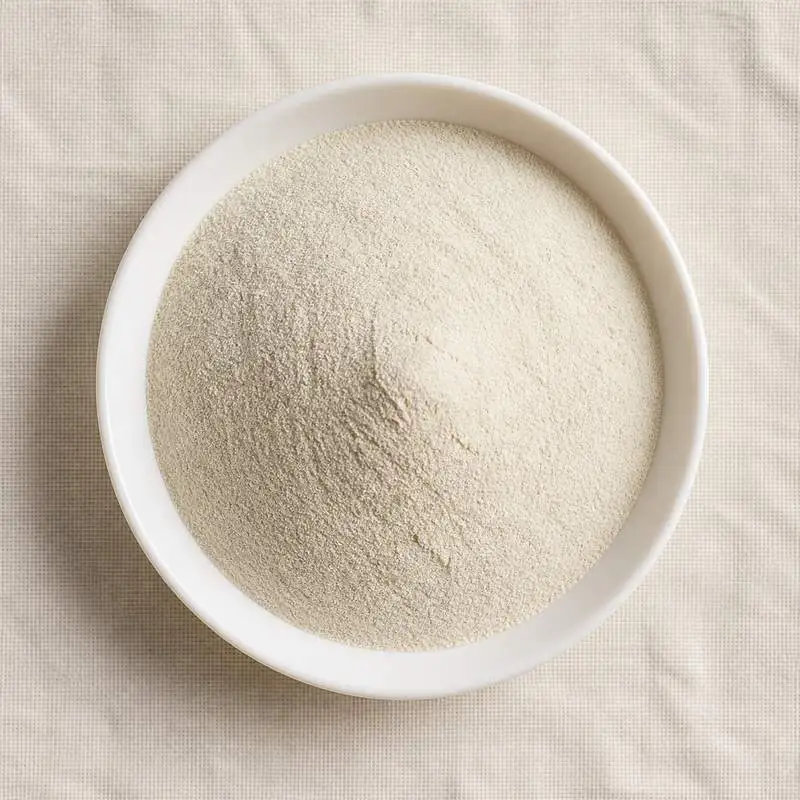
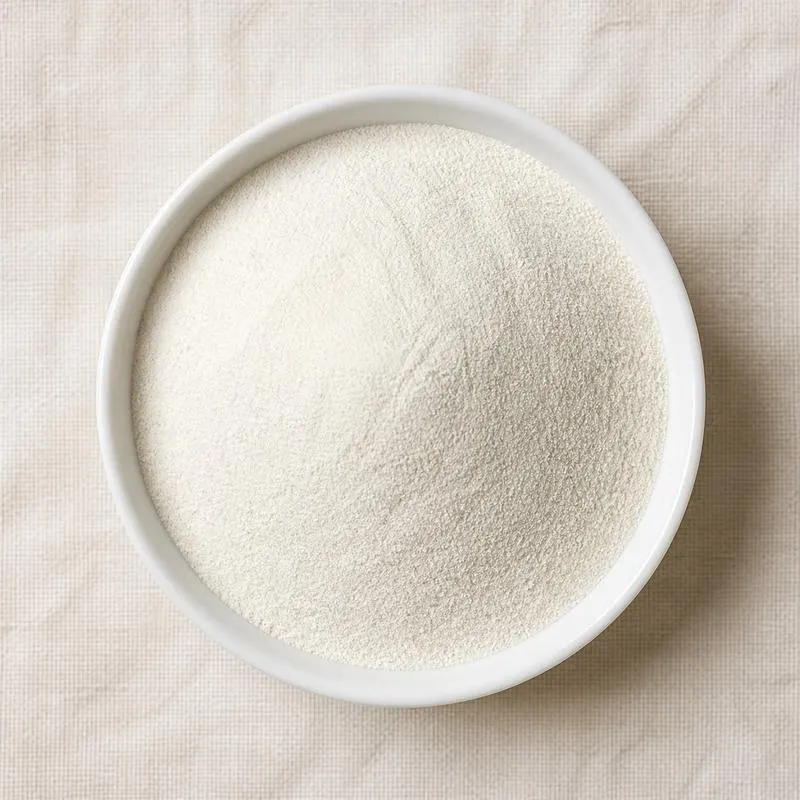
The hydrochloride is a white to pale beige crystalline powder, freely soluble in water and in methanol, sparingly soluble in ethanol and practically insoluble in non polar solvents. It is stable as the salt under dry conditions but oxidises and discolours if left damp or exposed to light, so it is packed in sealed liners inside fibre drums.
We source bulk N-Vanillylamine from top China manufacturers for our partners. The manufacturer is in Zhejiang. A smaller requirement can ship in a combined container with other ingredients.
Please send the grade you need, the volume and your destination port, and we will come back with a solution and a price.
or call +86-21-6858 0751
- Function
- Flavours and Aromas
Specifications
| Item | Specification |
|---|---|
| Appearance | Crystalline powder |
| Colour | White to pale beige |
| Identification by infrared spectrum | Conforms to reference spectrum |
| Assay by high performance liquid chromatography | 98.0 percent minimum |
| Chloride content, hydrochloride grade | 18.0 to 19.3 percent |
| Residual vanillin | 0.5 percent maximum |
| Any single related substance | 0.5 percent maximum |
| Loss on drying | 0.5 percent maximum |
| Residue on ignition | 0.2 percent maximum |
| Solubility in water | Clear to slightly opalescent solution at 5 percent |
| Residual solvent, methanol | 3,000 mg/kg maximum |
| Heavy metals as lead | 10 mg/kg maximum |
| Lead | 2.0 mg/kg maximum |
| Arsenic | 1.0 mg/kg maximum |
Common Markets Grades
The material is traded almost entirely as the hydrochloride at 98 percent minimum assay, and that single specification covers most of the market. The free base is offered in smaller quantities for buyers who need to run the subsequent amidation in a non aqueous system, but it is less stable and carries a shorter shelf life.
Beyond the salt form, the commercial distinctions are between technical grade for onward chemical synthesis, which is released mainly on assay and residual vanillin, and pharmaceutical intermediate grade, which adds control of related substances, residual solvents and heavy metals and is supported by a fuller analytical package. Small quantities of high purity material are sold as analytical reference standards. There is no food grade in the ordinary sense, since the substance is consumed as a reactant rather than added to food.
Applications
- Synthesis of nonivamide, the vanillyl amide of pelargonic acid, used as a pungent principle and as a defence spray active
- Synthesis of capsaicin and semisynthetic capsaicinoid analogues for pharmaceutical and research use
- Manufacture of vanillyl amide warming agents used in topical and oral care formulations
- Production of capsiate and related non pungent capsinoid esters for nutritional applications
- Topical analgesic active pharmaceutical ingredient manufacture, where a TRPV1 agonist is the target molecule
- Feedstock for vanillyl based antifouling and repellent chemistries
- Analytical reference material for capsaicinoid method development in chilli and oleoresin testing
- Research reagent in receptor pharmacology and pain research
- Intermediate in the preparation of specialised amide surfactants built on a phenolic head group
China Manufacturers of N-Vanillylamine
Top N-Vanillylamine manufacturers in China.

Company names and logos are the property of the manufacturers themselves. They are listed here because our own directory records them as producing this ingredient. A listing is not an endorsement by them, and we do not represent them or speak on their behalf.
Regulatory Status
N-Vanillylamine is a chemical intermediate rather than a food ingredient, and it is not listed as a flavouring substance in the United States or on the European Union list of authorised flavourings. It is handled under general industrial chemicals legislation, which in the European Union means registration and safety data sheet obligations under the REACH framework, and in the United States means the requirements applying to substances on the Toxic Substances Control Act inventory. Where the material is used to make an active pharmaceutical ingredient, the relevant good manufacturing practice expectations for starting materials apply.
The downstream products have their own separate status. Nonivamide is an authorised flavouring substance in both the United States and the European Union and is used as a pungent principle in food, and capsicum oleoresin is a recognised natural extractive for food use. Those approvals cover the derivatives, not the amine intermediate, so the buyer sets the specification for the intermediate rather than any food additive standard.
Manufacturing Process
Industrial production begins from vanillin, which is condensed with ammonia in methanol or another polar solvent to form the corresponding imine. That imine is hydrogenated in the same vessel over a Raney nickel or supported palladium catalyst at moderate hydrogen pressure and temperature, a one pot reductive amination that converts the aldehyde group to a primary aminomethyl group while leaving the phenol and the methoxy group untouched. Reaction conditions are held tightly, because over reduction and secondary amine formation are the main yield losses.
The catalyst is filtered off and recovered, and the filtrate is concentrated under vacuum. Hydrochloric acid is added to convert the amine to its hydrochloride, which crystallises as the solution is cooled. Crystals are separated on a centrifuge or filter dryer, washed with cold solvent to remove residual vanillin and colour bodies, and dried under vacuum at low temperature to protect the phenolic ring. The dried salt is milled, sieved and packed under nitrogen. An older route runs through the aldoxime, formed from vanillin and hydroxylamine, followed by catalytic or chemical reduction, and it is still used where hydrogenation capacity is unavailable.