Natural Citronellol
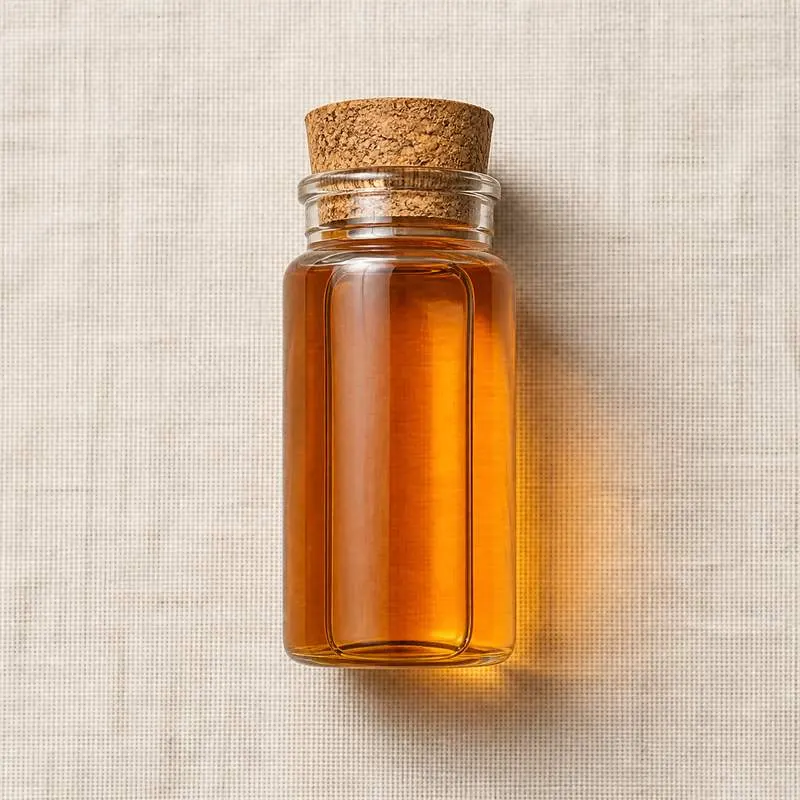
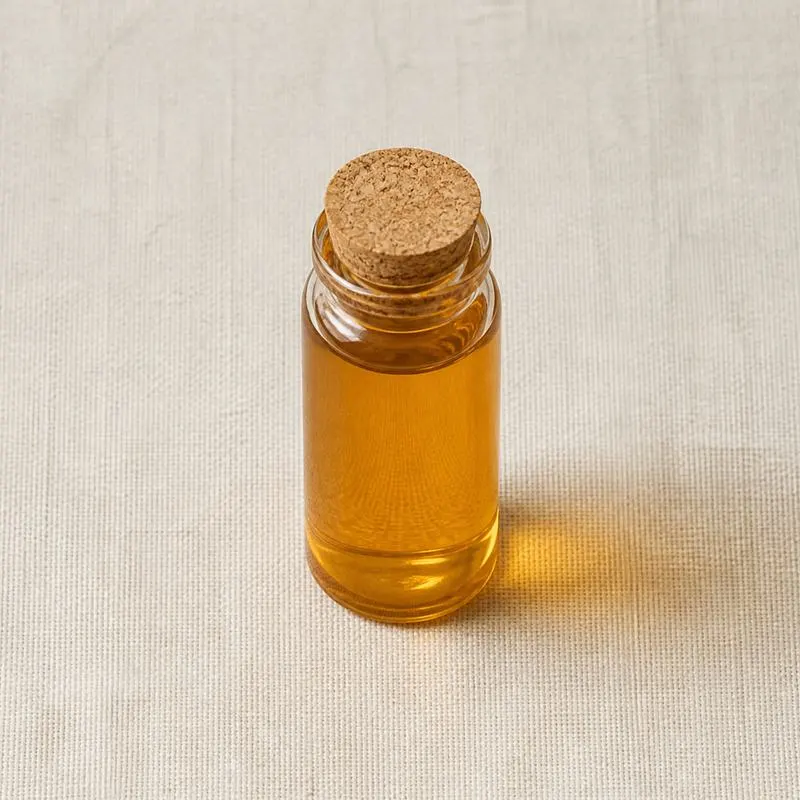
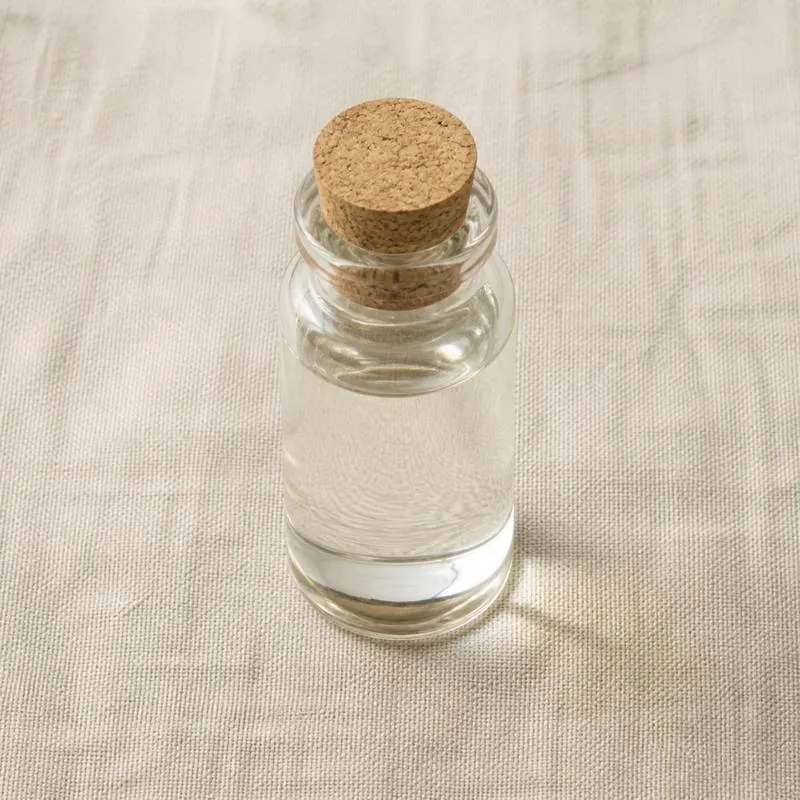
Natural Citronellol is a colourless mobile liquid with a sweet, fresh, rosy odour and a soft geraniol-leaning floral character that places it at the heart of modern rose accords.
It is an acyclic monoterpene alcohol with the molecular formula C₁₀H₂₀O, registered under CAS 106-22-9. The natural material is recovered from rose oil, geranium oil, and citronella oil, where it occurs as a mixture of (+) and (−) enantiomers that varies by botanical source.
We source bulk Natural Citronellol from top China manufacturers for our partners. The manufacturer is in Guangdong. A smaller requirement can ship in a combined container with other ingredients.
Please send the grade you need, the volume and your destination port, and we will come back with a solution and a price.
or call +86-21-6858 0751
- Packaging
- 250 kg plastic drum or 1,000 kg IBC tote
- ISO 9001
- HACCP
- Halal
- Kosher
Specifications
| Item | Specification |
|---|---|
| Appearance | Colourless to pale yellow mobile liquid |
| Odour | Sweet, fresh, rosy, with a soft geraniol-leaning floral tone |
| Assay (GC) | ≥ 95.0% |
| Alcohol Content (as citronellol) | ≥ 95.0% |
| Aldehyde Content (as citronellal) | ≤ 1.0% |
| Specific Gravity (25/25°C) | 0.850-0.862 |
| Refractive Index (20°C) | 1.454-1.462 |
| Optical Rotation (20°C) | −5.5° to +5.0°, botanical source dependent |
| Acid Value | ≤ 1.0 mg KOH/g |
| Ester Value | ≤ 5.0 mg KOH/g |
| Peroxide Value | ≤ 10 meq/kg |
| Colour (Gardner) | ≤ 1 |
| Solubility in 70% Ethanol | 1 volume clear in 2 volumes |
| Heavy Metals (as Pb) | ≤ 10 mg/kg |
| Arsenic | ≤ 3 mg/kg |
Common Markets Grades
The grades of Natural Citronellol follow source and downstream use.
Natural rose-grade citronellol is isolated from Bulgarian or Turkish rose oil and from geranium oils (Pelargonium graveolens) by fractional distillation. The (−)-(S)-enantiomer dominates and carries the cleanest rose tonality.
Citronella-source natural grade is fractionated from Java citronella oil and is richer in the (+)-(R)-enantiomer with a slightly greener, more lemony character. It is the standard grade for soap, detergent, and household-care fragrance.
FCC food-grade material is produced for flavour compounding with peroxide value, acid value, and assay specifications meeting the Food Chemicals Codex monograph.
Cosmetic grade is produced with low aldehyde content (the most common oxidation product) and is packed under nitrogen for shelf stability in fine fragrance and personal care.
Applications
- Rose, geranium, and floral bouquets across all fragrance categories
- Soap and bar-soap perfume systems where alkaline stability is required
- Shampoo, conditioner, and body wash fragrancing
- Fabric softener and laundry detergent perfume bases
- Air care including aerosols, gels, and reed diffusers
- Hair styling product fragrancing
- Aromatherapy blends positioned around relaxation and balance
- Flavour compounding for berry, citrus, and rose-water profiles
- Starting material for synthesis of citronellyl esters (acetate, formate, propionate, butyrate)
- Intermediate for rose oxide and other downstream rose-modifier chemicals
- Mosquito and biting-insect repellent formulations
Brands Using Natural Citronellol
Widely-distributed consumer products that list Natural Citronellol on the ingredient label.
- L'Oréal ParisAge Perfect Cell Renewal Midnight Cream ↗Ingredient list includes: '…Alpha-Isomethyl Ionone, Benzyl Alcohol, Benzyl Salicylate, Citronellol, Geraniol, Hexyl Cinnamal…'Label verified 2026-05-24
- L'Oréal ParisAge Perfect Collagen Expert Night Moisturizer ↗Ingredient list includes: '…Sodium Lactate, Citronellol, Limonene, Phenoxyethanol, Parfum / Fragrance.'Label verified 2026-05-24
- DoveMen+Care Citrus Fresh Deodorant Stick ↗Dove product page lists Citronellol among the inactive fragrance ingredients.Label verified 2026-05-24
- AXEBlack Vanilla Premium Deodorant Stick ↗Axe product page lists Citronellol among the fragrance/inactive ingredients.Label verified 2026-05-24
Brand names, product names and logos are the property of their owners. They appear here as published evidence that the ingredient is used, taken from the brand's own label or website. Their appearance is not an endorsement, and it does not mean the brand buys from us or from any manufacturer listed on this site.
China Manufacturers of Natural Citronellol
Top Natural Citronellol manufacturers in China.
Company names and logos are the property of the manufacturers themselves. They are listed here because our own directory records them as producing this ingredient. A listing is not an endorsement by them, and we do not represent them or speak on their behalf.
How We Help Source Natural Citronellol
Direct Factory Sourcing
We run the whole process: selecting the manufacturer from the top Chinese food ingredient producers, negotiating the price, verifying quality, and coordinating the logistics. You deal with us instead of with several factories at once.
Original Packaging and Documents from the Manufacturer
The manufacturer sends your Natural Citronellol out of its own factory in the original packing, through to your destination port. The COA, COO, MSDS, TDS and any certifications reach you from the manufacturer as well.
Free Samples and Lead Time
We send 100 to 500 g free for your own laboratory to test and you cover only the courier, usually within 2 to 3 working days. ETD is usually within 7 to 15 days once the order is confirmed, and we check that date against the factory's own manufacturing schedule before we give it to you.
Combined Shipment
We can load Natural Citronellol together with other ingredients such as Capsicum Oleoresin, Ethyl Maltol and White Pepper into one 20' FCL. If your quantity is small, we can also ship LCL.
Regulatory Status
Natural Citronellol is recognised by IFRA as a fragrance ingredient with category-specific use guidance based on dermal sensitization data.
Regulation (EC) No 1223/2009 lists it in the European Union as a declared fragrance allergen requiring label declaration above 0.001 percent in leave-on and 0.01 percent in rinse-off cosmetics.
FEMA GRAS status is held under FEMA 2309 for flavour use. The European Union recognises it as a flavouring substance under FL 02.011. JECFA has evaluated the saturated and unsaturated terpene alcohol group and found the substance safe at current intake levels.
The material is REACH-registered at the higher tonnage band and is listed on TSCA, DSL, AICS, IECSC, KECL, and PICCS chemical inventories.
Manufacturing Process
Natural Citronellol is recovered from three botanical streams.
Geranium oil, steam-distilled from Pelargonium graveolens in Egypt, China, and southern Africa, contains 20 to 40 percent citronellol. Fractional distillation under reduced pressure separates the alcohol from geraniol, linalool, and the minor terpene fraction.
Rose oil, both Bulgarian otto from Rosa damascena and the comparable Turkish material, contains 20 to 35 percent citronellol alongside geraniol and nerol. The fraction recovered from rose oil distillation residues is the source of choice for fine fragrance, although volumes are small.
Java citronella oil contains 10 to 15 percent citronellol and is the largest natural source by volume. The aldehyde-rich top fraction (citronellal) is removed first, after which the citronellol-rich heart fraction is collected.
For non-natural applications, synthetic citronellol is produced by selective hydrogenation of citronellal or geraniol, but only botanically sourced material qualifies for natural labelling.